Loup River Fishing Access Points
Finding the perfect fishing spot on a less-traveled gem like the Loup River can feel like trying to decipher an ancient map – exciting, but also a little daunting if you don't know where to start. Many anglers face the frustration of driving for miles, only to find private land blocking access or public areas that aren't well-suited for fishing. This guide is here to cut through that confusion, giving you a clear rundown of the Loup River's best fishing access points and how to make the most of your time on this unique Nebraska waterway.
Understanding the Loup River System for Anglers
The Loup River isn't just one river; it's a network of three main branches – the North Loup, Middle Loup, and South Loup – that converge before joining the Platte River. This system, flowing through the heart of Nebraska's Sandhills and agricultural plains, offers a distinct angling experience compared to the larger reservoirs or the Missouri River.
A Brief Overview of the Loup River and Its Character
Imagine a river that meanders through rolling sandhills and then transitions into fertile farmland, carrying a sandy, sometimes silty, bottom. That's a good picture of the Loup River system. Unlike rocky mountain streams or deep, clear lakes, the Loup often presents a broad, shallower flow, especially during drier periods, making it perfect for species that thrive in warmer, less turbulent waters. The character of the river changes as you move downstream and as its various branches merge. The upper reaches, particularly in the Sandhills, can be clearer and narrower, offering a more intimate fishing experience. As you head further east and the branches combine, the river becomes wider, deeper in spots, and often stained with sediment, creating prime habitat for robust bottom feeders.
The river's hydrology is largely influenced by groundwater from the Sandhills aquifer, which helps maintain a more consistent flow than some other prairie rivers. However, water levels can still fluctuate significantly based on rainfall and agricultural demands, so checking current conditions before your trip is always a smart move. The mostly natural banks, interspersed with some riprap near bridges and towns, offer a variety of cover and current breaks that fish absolutely love. It's a place where patience and understanding the river's subtle cues will greatly reward you.
Fish Species You Can Expect to Catch
The Loup River is undeniably a catfish haven. If you're looking to wrestle with some hard-fighting whiskered critters, you've come to the right place. Channel catfish are abundant throughout the system, and they grow to impressive sizes, especially in the wider, deeper sections. You'll often find them lurking in slower pools, behind snags, or along undercut banks. For those seeking a true river monster, flathead catfish are also present, particularly in the lower reaches and at the confluences where the different Loup branches meet and merge with the Platte. These nocturnal predators require heavier gear and a different approach, but the reward of a massive flathead is well worth the effort.
Beyond the beloved catfish, the Loup also supports healthy populations of common carp. While often overlooked, carp offer an incredible fight on light tackle and are an excellent target for anglers seeking a challenge. You might also encounter various panfish species like bluegill and green sunfish, particularly in slower backwater areas or oxbow lakes connected to the main channel. Drum and the occasional buffalo species also call the Loup home, adding to the diversity of your potential catch. It’s definitely not a trout stream, but for a solid warm-water river fishery, the Loup delivers in spades.
Navigating Public Access Points on the Loup River
Finding reliable access points on any river can be a challenge, and the Loup is no exception. Much of the land along its banks is privately owned, making public access crucial for anglers. Knowing where to go and what kind of access to expect can save you a lot of time and frustration.
Key Public Boat Ramps and River Crossings
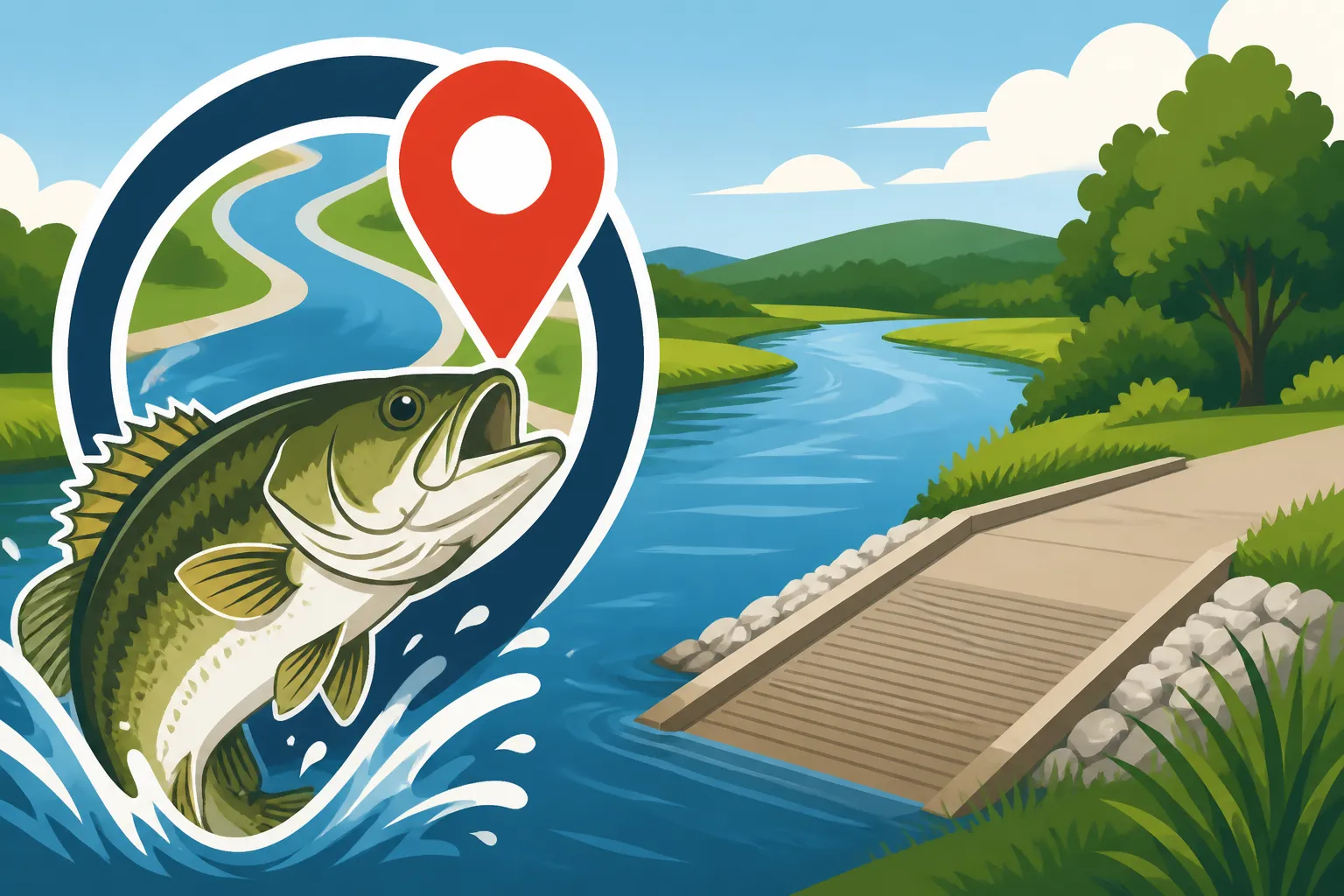
Public access to the Loup River system typically comes in a few forms: designated boat ramps at state recreation areas or wildlife management areas (WMAs), and informal access at various public road and highway bridges. For launching a boat, especially larger craft, your options will be more limited but generally well-maintained.
One notable area for good access is around the Loup City Recreation Area in Sherman County. While often associated with the lake, the river itself flows nearby, and there are often accessible spots for small boats or kayaks. Further upstream on the North Loup, the Pibel Lake Wildlife Management Area (WMA), near Newman Grove, offers some access to the North Loup River, though it's more geared towards smaller craft like kayaks or canoes. This area can be fantastic for a more secluded experience. Always check the Nebraska Game and Parks Commission website or call ahead for the most current conditions and access regulations for any WMA.
Another common way to access the river is at public road bridges. These crossings often provide a small shoulder or a dirt path leading down to the water, suitable for bank fishing or launching a canoe or kayak by hand. Key bridge crossings along major highways like US-183, NE-11, NE-92, and NE-2 could offer these informal access points. However, caution is advised: always ensure you are on public right-of-way and not trespassing on private property. Parking can also be an issue, so be mindful of road traffic and avoid blocking private drives. When exploring these spots, it's wise to scout the area first, especially if you plan to launch anything larger than a kayak. For those bringing a boat, remember to check all boat registration and equipment requirements before heading out on the water.
Bank Fishing Opportunities and Considerations
The Loup River is incredibly friendly to bank anglers, provided you know where to look. Many of the aforementioned public bridge crossings offer excellent opportunities to cast from shore. Look for areas where the current breaks around bridge pilings, fallen trees, or bends in the river – these are prime spots where catfish and carp often hold. Remember, these fish use current breaks to ambush prey and conserve energy. Setting up a comfortable camp chair, casting out a few lines with some choice bait, and patiently waiting for a bite is a classic Loup River experience.
Another fantastic option for bank fishing is within state and county parks located along the river. These spots often have mowed areas, picnic tables, and sometimes even dedicated fishing piers or platforms, making them ideal for a family outing. For instance, smaller community parks in towns like St. Paul, Genoa, or Columbus, where the Loup runs nearby, might have designated public access areas. Always respect park rules and fellow anglers. Beyond official parks, some WMAs also provide bank access, though it might be less manicured and require a bit of a hike. The key is finding areas with stable banks, safe wading opportunities (if that's your plan), and plenty of cover in the water for fish. The Loup River is a fantastic spot for channel catfish fishing so make sure your tackle box is ready with the right setup.
Essential Tips for a Successful Loup River Fishing Trip
Fishing the Loup River can be incredibly rewarding, but like any waterway, it has its quirks. A little preparation and understanding of the river's nuances can significantly boost your success.
Best Times and Techniques for Loup River Fishing
When it comes to the Loup, timing and technique are everything. For channel catfish and flathead catfish, late spring through early fall is prime time. As water temperatures rise, these fish become more active and aggressive. Evening and night fishing are particularly productive for both species, with flatheads being primarily nocturnal feeders. Imagine setting up your camp near the river's edge just as the sun dips below the horizon, casting into the darkening waters. The quiet hum of cicadas and the anticipation of a big tug on your line define the experience. Consider trying some night fishing techniques for those big nocturnal flatheads.
For channel catfish, common baits include nightcrawlers, cut bait (like shad, carp, or even small panfish), chicken livers, and various stink baits. Rigging these on a simple slip-sinker rig or a Santee Cooper rig will allow your bait to sit on the bottom where catfish feed. For flatheads, live bait is almost always preferred – small bluegill, bullheads, or large minnows are excellent choices, fished with heavy tackle near submerged logs or deep holes. Many anglers find success using fresh cut bait, one of the best baits for these river monsters.
Carp are also active throughout the warmer months. Dough balls, corn, or flavored boilies fished on the bottom can lead to some surprisingly strong fights. During the cooler months of fall, activity slows down, but you can still pick up some catfish in deeper holes, though they'll be less aggressive. Ice fishing on the main river isn't common due to current and safety concerns, but some associated backwaters or oxbows might freeze sufficiently for panfish.
Safety, Regulations, and Conservation on the Loup
Before you even think about dropping a line in the Loup, you'll need to make sure you have your current Nebraska fishing license in order. Nebraska requires most anglers aged 16 and older to possess a valid fishing license. This is non-negotiable, and conservation officers do patrol the river. If you're a Nebraska resident, getting your resident fishing license is straightforward, and the process can often be completed online through the GoOutdoorsNE system or at local vendors.
Understanding the Nebraska fishing regulations is paramount for a responsible and legal day on the water. Pay close attention to species-specific regulations, particularly for catfish. For instance, always be mindful of the Nebraska catfish bag limits to avoid any issues. While there might not be length limits for channel catfish in all waters, flatheads often have stricter regulations. Always carry a copy of the current Nebraska Fishing Guide or have the digital version accessible on your phone.
Safety on the river should be your top priority. River currents, even seemingly gentle ones, can be strong and unpredictable. If you're wading, be aware of uneven, soft, or slippery bottoms. Always fish with a buddy, let someone know your plans, and wear a life vest, especially if you’re in a boat or kayak. Submerged timber and snags are common, which means you'll lose some tackle, but they also create fantastic fish habitat. Pack out everything you pack in – litter not only harms the environment but can also deter other anglers and potentially lead to access points being closed. Practice catch and release, especially for larger breeding fish, to ensure healthy populations for future generations of anglers.
Planning Your Trip: Logistics and Local Resources
A successful fishing trip on the Loup River isn't just about the fishing; it's also about the planning. Knowing where to find supplies, local advice, and perhaps even a guide can make all the difference.
Local Amenities and Supplies
The Loup River winds its way through several charming Nebraska towns that can serve as excellent bases for your fishing adventure. Towns like Loup City, St. Paul, Columbus, Fullerton, and Genoa are good places to start. In these communities, you'll typically find gas stations, convenience stores, and often local bait shops. A good bait shop isn't just a place to buy worms; it's a treasure trove of local knowledge. The folks behind the counter have their ears to the ground and can give you invaluable, up-to-the-minute information on water levels, recent catches, and which baits are currently hot. Don't be shy about asking for advice – most bait shop owners love to talk fishing.
For more extensive gear, larger towns in the vicinity, such as Grand Island or Kearney, will have sporting goods stores like Cabela's or local tackle shops that carry a wider range of rods, reels, lines, and specialized river tackle. While preparing your gear, always ensure your setup is robust enough for river fishing, as snags are common and river fish fight hard. Think about bringing extra terminal tackle like sinkers and hooks, as well as a good pair of pliers for hook removal.
Hiring a Local Guide or Exploring Further
For anglers unfamiliar with the Loup River, or those who simply want to maximize their time on the water, hiring a local fishing guide can be an absolute game-changer. A guide will not only know the best access points and honey holes but will also understand the subtle nuances of river fishing in that specific area – what techniques work best under current conditions, which baits are most effective, and how to safely navigate the river. They can provide all the necessary gear and boat, allowing you to focus purely on the fishing experience.
Platforms like FishingBooker are excellent resources for finding experienced guides who specialize in Nebraska river fishing. You can browse profiles, read reviews, and book trips directly, ensuring you're getting a knowledgeable expert to lead your adventure. This can be especially valuable if you're targeting a specific species like flathead catfish, which often requires specialized knowledge and equipment. For those looking to explore specific stretches of the Loup, platforms like FishingBooker can help connect you with experienced Nebraska fishing guides.
If a guided trip isn't in the cards, don't shy away from exploring on your own. Start by targeting known public access points, observe the river, and talk to other anglers you might encounter. The Loup River, while perhaps not as famous as Lake McConaughy or Merritt Reservoir, offers a genuine, rewarding river fishing experience for those willing to explore its meandering currents. For a broader understanding of fishing in the state, our Best Places to Fish in Nebraska offers a wealth of information. While the Loup offers its unique charm, you might also be interested in what the Platte River has to offer or perhaps the bustling Lake McConaughy is more your style. Looking for a full breakdown of permit expenses? Our Nebraska Fishing License Costs and Types covers everything you need to know.
Summary of Loup River Access Points and Target Species
To help you visualize your next trip, here's a quick overview of potential access points and what you might expect to catch. Keep in mind that specific conditions and species availability can vary, so always do your own scouting and check local reports.
| Access Point (General Area) | Type of Access | Primary Target Species | Notes & Amenities |
|---|---|---|---|
| Loup City Recreation Area | Bank, Small Boat Launch | Channel Catfish, Carp, Panfish | Easy access, possibly some amenities like restrooms, picnic areas. |
| Pibel Lake WMA (near Newman Grove) | Bank, Kayak/Canoe Launch | Channel Catfish, Carp, Panfish | More rustic, quieter, requires walking; check WMA specific rules. |
| Public Bridge Crossings (various highways) | Bank, Hand Launch (Kayak/Canoe) | Channel Catfish, Flathead Catfish, Carp | Informal, watch for private property, limited parking; often good for deeper holes. |
| Local Community Parks (e.g., St. Paul, Genoa) | Bank, Fishing Piers (sometimes) | Channel Catfish, Panfish, Carp | Family-friendly, restrooms, playgrounds; often in slower, calmer stretches. |
Remember that the Loup River is constantly changing, and what might be a great access point one season could be less ideal the next due to water levels or new snags. Flexibility and a sense of adventure are your best assets when fishing this great Nebraska river.
Disclaimer
The information provided in this guide is for general informational purposes only and is subject to change. Fishing regulations, access points, and river conditions can vary. Always consult the latest Nebraska Game and Parks Commission regulations and local authorities before planning any fishing trip. Safety should always be your top priority when on or near the water.