Channel Catfish Fishing in Nebraska
There's nothing quite like the thrill of a hard fight from a strong fish, but sometimes, figuring out how to consistently hook into those feisty bottom dwellers can feel like cracking a secret code. Many anglers get frustrated trying to find the best spots or the right bait, often leaving the water empty-handed. This comprehensive guide is here to demystify channel catfish fishing in Nebraska, offering seasoned advice and practical tips to help you land more of these fantastic fish and enjoy every moment on the water.
Why Nebraska is a Prime Destination for Channel Catfish
Nebraska might be known for its cornfields and cattle, but beneath the surface of its many rivers and reservoirs lies an incredible resource for anglers: the prolific channel catfish. These aren't just any fish; they're tenacious fighters, readily available, and, let's be honest, absolutely delicious on the dinner plate. For many Nebraskans, chasing channel cats is a cherished pastime, a way to connect with nature and enjoy some truly satisfying angling.
The Appeal of Nebraska Catfishing
There's a reason why so many of us in Nebraska gravitate towards catfish. First, their widespread distribution means you don't have to travel far to find them. From the smallest farm ponds to the mighty Missouri River, channels are almost everywhere. This accessibility makes it a fantastic target for beginners and seasoned pros alike. You don't always need a fancy boat or expensive electronics; often, a comfortable chair on the bank, a sturdy rod, and some smelly bait are all you need for a successful outing.
Beyond accessibility, channel catfish are known for their strong fighting spirit. When you hook into a decent-sized channel cat, you're in for a battle. They pull hard, dive deep, and truly test your tackle and your resolve. This makes every catch feel earned and every outing exciting. Plus, the social aspect of catfishing, often enjoyed with friends and family gathered around a campfire, creates lasting memories that go beyond just the fish themselves. It's a truly unique Nebraska experience.
Widespread Distribution Across the State
You'd be hard-pressed to find a significant body of water in Nebraska that doesn't hold a healthy population of channel catfish. They thrive in a variety of environments, adapting well to both moving water and still impoundments. This adaptability is what makes them so common from one end of the state to the other. Whether you're in the Panhandle, the eastern plains, or the central Sandhills, there's a good chance a great catfishing spot is within easy reach.
Think about the sheer variety: the swift currents of the Platte River, the vast expanse of Lake McConaughy, the quiet depths of local sandpits, and the meandering stretches of smaller rivers like the Elkhorn or Loup. All these different ecosystems provide ideal habitat for channel catfish, ensuring a robust population for anglers. This means you can tailor your catfishing adventure to your preference, whether you like the challenge of river currents or the more relaxed pace of a lake or pond.
Identifying Channel Catfish
Before you can effectively target channel catfish, it helps to know exactly what you're looking for! While they share some characteristics with other catfish species, a few key features make channel cats distinct. Being able to correctly identify your catch is also important for adhering to local regulations, as bag limits and size restrictions can sometimes vary between different species.
Key Physical Characteristics
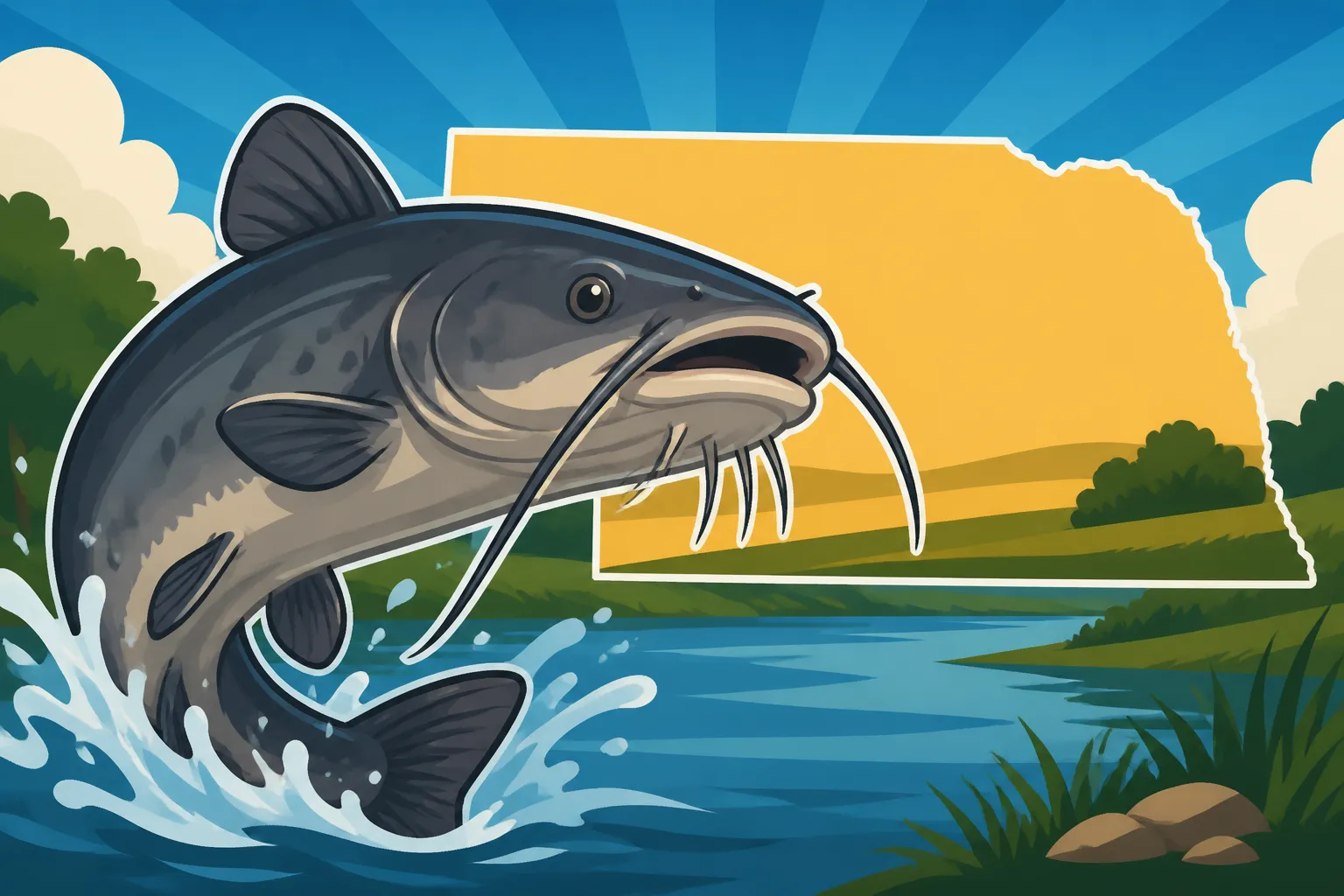
Channel catfish are often recognized by their sleek, elongated bodies, which are typically a greenish-gray to silvery color, often darker on the back and lighter on the belly. Younger channel cats, especially those under a couple of pounds, will almost always have distinct black spots on their sides. These spots tend to fade as the fish grows larger, sometimes disappearing entirely on very mature specimens. This spotting pattern is one of the easiest ways to identify them, especially when they are smaller.
Another defining feature is their deeply forked tail, which gives them a streamlined appearance and contributes to their powerful swimming ability. Unlike flathead catfish, which have a broad, slightly notched tail, or blue catfish, which have a more deeply forked tail but usually lack spots and have a more prominent hump on their back, the channel cat's fork is unmistakable. They also possess eight barbels around their mouth, four on the chin and four on the snout, which they use to taste and feel for food in murky water.
Distinguishing from Other Catfish Species
In Nebraska, you'll primarily encounter three main types of catfish: channel, flathead, and occasionally blue catfish, particularly in the Missouri River system. The key to telling them apart lies in a few visual cues. As mentioned, the channel cat has that characteristic forked tail and, when young, distinct spots. The flathead catfish, on the other hand, has a broad, flattened head (hence the name), a noticeably lower jaw that protrudes beyond the upper jaw, and a square or slightly notched tail, never deeply forked. They are also typically mottled brown and yellow, lacking the distinct spots of a channel cat.
Blue catfish, while less common across all of Nebraska's waters, are becoming more prevalent in larger river systems. They have an even more deeply forked tail than channel cats and a distinct hump on their back, just behind the head. Their overall color is usually a uniform slate blue or gray, without the spots found on younger channels. Understanding these differences is crucial, especially when considering Nebraska Fishing Daily Bag and Possession Limits, as rules can differ based on species. If you're unsure, it's always best to err on the side of caution or consult the latest regulations handbook.
Top Nebraska Hotspots for Channel Catfish
One of the best things about channel catfish fishing in Nebraska is that you don't usually have to travel far to find a good spot. They are truly ubiquitous across the state's diverse waterways. However, some locations consistently produce larger numbers or bigger fish, making them prime targets for a dedicated catfishing trip. Knowing these hotspots can save you a lot of time and increase your chances of a memorable catch.
Major Rivers and Their Tributaries
Nebraska's river systems are absolutely teeming with channel catfish, and they offer a dynamic fishing experience that can be incredibly rewarding. The Missouri River, forming Nebraska's eastern border, is arguably the state's premier channel catfish fishery. Its vastness, diverse structure, and abundant food sources create an ideal environment for large and numerous cats. Anglers often find success fishing the numerous wing dams, scour holes, and snags along its banks. Access points along the Missouri are plentiful, from large boat ramps to smaller bank fishing areas. You can often find fantastic action where tributary streams enter the main river, bringing in fresh food and oxygen.
Moving inland, the Platte River and its many tributaries, like the Elkhorn and Loup Rivers, are also fantastic for channel catfish. These rivers offer a more intimate, often shallower, experience compared to the Missouri. Look for deeper bends, fallen trees, log jams, and any significant current breaks where catfish can ambush prey. Fishing the Platte River often involves finding suitable wading access points, or using a small jon boat or kayak to explore its channels. Many people enjoy Platte River Catfish Fishing during the warmer months, especially from bank access points that are readily available.
Reservoirs and Large Lakes
While rivers are classic catfish territory, Nebraska's numerous reservoirs and larger lakes also offer phenomenal channel cat opportunities, often providing more consistent and predictable fishing, especially during certain times of the year. Lake McConaughy, Nebraska's largest reservoir, is not just for walleye; it holds a tremendous population of channel catfish, particularly in its shallower bays and around inflowing rivers. Look for them cruising the flats or holding near submerged structure.
Other notable reservoirs include Branched Oak Lake near Lincoln, which is renowned for its excellent catfish population and easy access for both boat and bank anglers. Branched Oak Lake Catfish Fishing is a popular summer activity here, with many anglers setting up camp for multi-day trips. Harlan County Reservoir in south-central Nebraska and Lewis and Clark Lake on the northern border also provide fantastic catfishing, often producing large numbers of fish. In lakes, catfish will often relate to old creek channels, humps, and submerged timber. Fishing the mouths of feeder creeks or areas with abundant cover can be highly productive.
Sandpits and Urban Ponds
Don't overlook the smaller, often overlooked, fishing opportunities! Nebraska has countless sandpits, gravel pits, and urban ponds that are regularly stocked and managed, often holding surprisingly large channel catfish. These smaller bodies of water are perfect for a quick evening trip, or for taking kids fishing, as access is typically very easy. They also tend to warm up faster in the spring, making for earlier action. Many of these ponds are part of the Nebraska Urban Fishing Program, ensuring good populations.
These spots are ideal for bank fishing and usually don't require specialized equipment. Simple bait and a medium-action rod are usually enough. Local city parks, state recreation areas, and wildlife management areas often contain these types of ponds. It’s always a good idea to check local regulations for specific ponds, as some might have unique rules regarding bait or harvest limits. Even if you're looking for a low-key afternoon, these small waters can offer some truly exciting channel cat action close to home.
The Best Time to Target Channel Catfish
Timing is everything when it comes to fishing, and channel catfish are no exception. While they can be caught year-round in Nebraska, certain seasons and even times of day will yield significantly better results. Understanding their behavior throughout the year will help you plan your trips for maximum success.
Seasonal Patterns and Spawning
Channel catfish are warm-water fish, so their activity levels are heavily influenced by water temperature. Spring, as the water begins to warm, is an excellent time to target them. As temperatures rise into the 60s Fahrenheit, catfish start to become more active, moving out of their wintering areas and into shallower water to feed. This pre-spawn period is characterized by aggressive feeding as they prepare for reproduction. Look for them in areas with dark bottoms that absorb sunlight, or shallow flats that warm up quickly.
Late spring and early summer (typically May through July in Nebraska, depending on temperatures) mark their spawning period. During this time, male catfish become highly territorial and seek out dark, secluded nesting sites – hollow logs, undercut banks, rock crevices, or even old tires. While they might be less interested in feeding during the actual spawn, they are still catchable, particularly males guarding nests. After the spawn, typically mid-to-late summer, they enter a post-spawn feeding frenzy, making this another prime time for consistent action. The hot summer months see them active day and night.
Daily Activity and Night Fishing
Channel catfish are often described as nocturnal feeders, and for good reason! While they can certainly be caught during the day, especially in stained or murky water, their activity often ramps up considerably from dusk through the night. As the sun sets and temperatures cool slightly, catfish feel more secure moving into shallower feeding grounds, and their keen sense of smell becomes even more advantageous. Night fishing for channel cats is a cherished tradition for many Nebraska anglers, offering a unique, peaceful, and often very productive experience.
If you're planning a night fishing trip, come prepared with adequate lighting (a headlamp is invaluable!), bug spray, and all the gear you'd use during the day, plus a little extra for comfort. Setting up camp chairs and a lantern by the water's edge and letting your bait soak in prime catfishing spots can lead to some truly epic catches. Many anglers find the best action between midnight and dawn. However, don't rule out daytime fishing entirely, especially on overcast days or in waters with a bit of a chop, which can break up sunlight penetration and make cats feel more secure.
How Weather Affects Catfish Behavior
Weather patterns play a significant role in how and when channel catfish feed. One of the most classic catfishing scenarios is after a good rainstorm, especially one that brings a rise in water levels and a bit of turbidity. The runoff washes new food into the water, and the reduced visibility makes catfish bolder. Fishing immediately after a rain can be incredibly productive, as they go on a feeding binge.
Conversely, stable, warm weather tends to promote consistent feeding, making summer an excellent season. Cold fronts, however, can put a damper on the action. A sudden drop in temperature or a clear, high-pressure system can make catfish less aggressive and send them to deeper, more stable water. In these conditions, you might need to slow down your presentation, use more potent baits, and fish deeper structures. Pay attention to sudden changes in barometric pressure; a falling barometer often indicates an approaching front and can trigger a feeding spree, while a rapidly rising barometer can slow things down.
Essential Gear for Nebraska Catfishing
Having the right gear doesn't just make fishing easier; it makes it more enjoyable and dramatically increases your chances of success. You don't need to break the bank to get started with channel catfishing in Nebraska, but a few key items will make all the difference.
Rods, Reels, and Line
For channel catfish, you want a rod that can handle a strong pull and has enough backbone to cast heavy baits and sinkers. A medium-heavy to heavy action spinning or baitcasting rod, typically 6 to 8 feet in length, is ideal. The extra length helps with casting distance from the bank and provides leverage when fighting larger fish. Many anglers opt for Best Rod Setup for Nebraska Catfish that are durable and can withstand the abuse of bank fishing or boat fishing around snags.
When it comes to reels, a sturdy spinning reel in the 3000-5000 size range, or a baitcasting reel with a good drag system, will serve you well. Make sure it has enough line capacity for prolonged runs from big cats. As for line, monofilament in the 12-20 lb test range is a popular choice for its shock absorption and abrasion resistance. Some anglers prefer braided line (30-50 lb test) for its incredible strength, sensitivity, and smaller diameter, especially when fishing around heavy cover. Just remember that braid has less stretch, so a good drag setting is crucial. You can find a wide variety of these specialized lines and reels on platforms like Amazon, offering options for every budget.
Hooks, Sinkers, and Terminal Tackle
Terminal tackle is where the rubber meets the road, connecting your line to the fish. For channel catfish, strong, sharp hooks are paramount. Circle hooks are highly recommended, especially if you plan on catch-and-release or if you're using multiple rods. Sizes typically range from 2/0 to 6/0, depending on your bait size and the size of fish you're targeting. Circle hooks greatly reduce gut-hooking, as they are designed to slide to the corner of the fish's mouth as the fish swims away. J-hooks can also be used, but require a more precise hook set.
You'll need an assortment of sinkers to keep your bait on the bottom, especially in current. Egg sinkers, pyramid sinkers, or no-roll sinkers are all excellent choices, ranging from 1/2 ounce up to several ounces depending on the current and depth. Swivels (barrel or snap swivels) are essential to prevent line twist and to easily attach your leader to your main line. You'll also need leaders made of monofilament or fluorocarbon (often 20-30 lb test) to provide a bit of invisibility and abrasion resistance. Many anglers find great deals on durable tackle boxes on Amazon to keep all this terminal tackle organized.
Best Baits for Channel Catfish
Ah, the legendary appetite of the channel catfish! They are opportunistic feeders with an incredible sense of smell, which means they are attracted to a wide variety of baits. The "best" bait can often depend on the specific body of water and the time of year, but some standbys are universally effective.
- Cut Bait: Hands down, one of the most effective baits for channel catfish. Fresh cut bait from oily fish like shad, skipjack, or even smaller panfish (check regulations for legality of using game fish as bait) emits a strong scent trail that catfish can't resist. Cut into chunks or strips, this is a top producer.
- Prepared Stink Baits: There's a reason these exist! Made specifically for catfish, these commercially available doughs, dips, and chunks come packed with potent, often pungent, scents designed to attract cats from a distance. Brands like Sonny's or various punch baits are very popular. You often need special "worms" or sponges to hold dip baits.
- Chicken Liver: A classic for a reason. Inexpensive, easy to find, and incredibly bloody and smelly, chicken liver is a channel cat magnet. It can be a bit messy to work with and soft, so some anglers cure it or wrap it with thread to keep it on the hook better.
- Nightcrawlers/Worms: While perhaps more commonly associated with panfish or bass, a big wad of nightcrawlers can be irresistible to channel catfish, especially smaller ones. They're natural, readily available, and always a good fallback bait.
- Other Options: Hot dogs, shrimp, corn, and even soap have been known to catch channel cats! Experimentation is key to finding what works best on your particular water.
For a detailed look at various options, check out Best Bait for Nebraska Catfish.
Mastering Channel Catfish Techniques
Catching channel catfish consistently often comes down to employing the right techniques for the conditions you're facing. Whether you're casting from the bank, drifting from a boat, or setting up passive lines, there's a method that fits your style and the environment.
Bank Fishing Strategies
Bank fishing is how many of us got our start chasing catfish, and it remains one of the most popular and accessible methods in Nebraska. The key to successful bank fishing is finding the right spot and presenting your bait effectively. Look for areas with deeper water close to shore, current breaks, submerged timber, or points that extend into the main body of water. These are natural ambush points or travel lanes for catfish.
Once you've found a promising spot, cast your bait out and let your sinker take it to the bottom. Use a simple slip-sinker rig, where your line runs through an egg sinker before a swivel and a leader. This allows the fish to pick up the bait and run without feeling the weight of the sinker, giving you a better bite indication. Many bank anglers use multiple rods, spreading their baits out across different depths or structures to cover more water. A sturdy rod holder is essential to keep your rods secure and prevent them from being pulled into the water by a hard-hitting cat. For more detailed instructions, consider reading How to Catch Channel Catfish From the Bank.
Boat Fishing and Drifting
For those with boat access, fishing from a boat opens up a whole new world of catfishing opportunities, especially on larger reservoirs and rivers. Boats allow you to reach offshore structures, deeper channels, and areas of the river that are inaccessible from the bank. When boat fishing, you can anchor on a promising spot, allowing your bait to sit still, or you can try drifting.
Drifting is particularly effective on rivers or large lakes with subtle currents. By allowing your boat to slowly drift with the current, your bait covers a wide area, increasing the chances of encountering active fish. Use a three-way swivel rig or a Carolina rig to keep your bait near the bottom as you drift. Pay close attention to your depth finder (if you have one) to identify channels, humps, and submerged structure that might hold fish. Controlling your drift speed with a drift sock or by occasionally bumping your trolling motor can be crucial for an optimal presentation.
Jug Fishing and Trotlines
For anglers looking to cover a lot of water and catch multiple fish, jug fishing and trotlines are popular, albeit more passive, methods, especially favored by those targeting larger quantities for a fish fry. These methods involve setting out multiple baited lines and checking them periodically. However, it's absolutely critical to understand that these techniques are heavily regulated in Nebraska, and you must check the latest Nebraska Fishing Regulations Explained before even thinking about using them. Violations can carry significant penalties.
Jug fishing involves individual lines attached to buoyant jugs or bottles, each with a hook and bait. The jugs float freely, allowing your bait to drift and cover a wide area. When a fish bites, the jug moves or disappears, signaling a catch. Trotlines consist of a main line stretched across a body of water, with multiple baited hooks attached to dropper lines. These are typically anchored to the bank or bottom. Both methods require careful planning, proper setup, and regular checking to be effective and humane. They are generally more suited for larger rivers and lakes where there's ample space and less recreational boat traffic.
Understanding Regulations and Conservation
As responsible anglers, it's our duty to understand and abide by all fishing regulations. These rules are in place not just to ensure fair chase but, more importantly, to conserve fish populations for future generations. Nebraska has specific regulations for channel catfish, and being knowledgeable will prevent any unwelcome surprises.
Nebraska Catfish Bag and Length Limits
Nebraska's Game and Parks Commission sets specific bag and possession limits for channel catfish, which can vary by water body and sometimes change seasonally. Generally, there is a statewide daily bag limit and a possession limit that applies to the number of fish you can have on hand. It's crucial to consult the current Nebraska Catfish Bag Limits or the annual fishing guide before each season.
While channel catfish often don't have strict minimum length limits across all waters, some specific lakes or rivers might have special regulations to protect certain size classes or promote trophy potential. Always carry a measuring tape with you to ensure your catch meets any length requirements. If you're keeping fish, be mindful of your daily bag limit; once you've reached it, you must stop fishing for that species or switch to catch-and-release only. These rules are designed to ensure sustainable harvesting and prevent overfishing, so every angler plays a part in keeping our fisheries healthy.
License Requirements and Stamps
Anyone aged 16 or older who wishes to fish in Nebraska must possess a valid Nebraska fishing license. This is a fundamental requirement and one of the most common violations for those who forget or neglect to purchase one. There are various types of licenses available, from annual resident and nonresident permits to shorter-term options like a Nebraska 3-Day Fishing Permit for visitors or those only fishing for a short period. For those looking for long-term value, consider exploring the Nebraska Lifetime Fishing Permit if it aligns with your angling future.
In addition to your basic fishing license, you might also need specific stamps depending on your target species or the type of water you're fishing. For example, the Nebraska Aquatic Habitat Stamp is often required and contributes directly to improving and conserving aquatic habitats across the state. While generally not specific to catfish, understanding all required stamps is part of responsible angling. You can typically purchase your license and any necessary stamps online through the GoOutdoorsNE system, or in person at various vendors across the state. For comprehensive details, refer to the Nebraska Fishing License Guide.
Catch and Release Best Practices
While channel catfish are excellent table fare, there will be times when you need or choose to release a fish, whether it's because you've met your bag limit, the fish is undersized, or you're simply practicing catch and release. Proper handling of fish is paramount to ensure their survival after release. Always try to minimize the time the fish is out of the water. If possible, keep the fish in the water while unhooking it.
Use a pair of long-nose pliers or a dehooker to quickly remove the hook. If the fish is deeply hooked, it's often better to cut the line as close to the hook as possible rather than trying to rip it out, which can cause internal damage. Handle the fish gently, supporting its body, especially if it's a larger specimen. Avoid squeezing its belly or gills. When releasing, hold the fish gently in the water, facing into the current if possible, until it revives and swims away on its own. For really large fish, consider a knotless rubber landing net, which is gentler on their slime coat and fins.
Cooking and Enjoying Your Channel Catfish Catch
So you've had a successful day on the water, battled some feisty channel cats, and now you have a cooler full of fresh fish. The best part? Transforming that catch into a delicious meal! Channel catfish are prized for their firm, flaky, white meat with a mild, slightly sweet flavor.
Filleting Your Catch
Before you can cook your catfish, you'll need to clean and fillet them. This process might seem daunting at first, but with a sharp fillet knife and a little practice, you'll become a pro in no time. For channel catfish, the goal is to remove the four main fillets – two from each side, above and below the lateral line – and then skin them.
Start by laying the fish on its side. Make a cut behind the pectoral fin, down to the backbone, but not through it. Then, turn your knife blade flat and slice along the backbone towards the tail, detaching the fillet. Repeat on the other side. You'll then have two long fillets that still have the rib bones and skin. Carefully cut out the rib cage section. To skin the fillet, lay it skin-side down, make a small cut at the tail end to grasp the skin, and then, holding the skin firmly, run your knife between the meat and the skin in a sawing motion. A good, sharp Best Fillet Knife for Walleye and Catfish makes this process much easier. If you're looking for a visual guide, searching for "How to Clean and Fillet a Channel Catfish" will yield plenty of helpful videos.
Popular Catfish Recipes
Channel catfish are incredibly versatile in the kitchen. Their mild flavor makes them a fantastic canvas for a variety of seasonings and cooking methods.
- Classic Fried Catfish: This is undoubtedly the most iconic way to enjoy channel catfish. Dip your fillets in buttermilk, then dredge them generously in a seasoned cornmeal mixture (often including salt, pepper, garlic powder, onion powder, and paprika). Fry them in hot oil (vegetable, peanut, or canola) until golden brown and crispy. Serve with hushpuppies, coleslaw, and tartar sauce for a true Southern-style feast.
- Grilled Catfish: For a lighter, healthier option, grilling is fantastic. Marinate your fillets in a mixture of olive oil, lemon juice, herbs (dill, parsley, thyme), and garlic for about 30 minutes. Place them on a well-oiled grill over medium-high heat and cook for 3-5 minutes per side, or until the fish flakes easily with a fork. The smoky flavor from the grill pairs wonderfully with the mild fish.
- Catfish Stew or Chili: Don't limit yourself to just fillets! Catfish chunks can be an excellent addition to hearty stews or chili, especially during cooler weather. The fish absorbs the flavors of the broth and spices beautifully. Use firm, thick pieces of catfish that will hold their shape during simmering.
- Blackened Catfish: For those who like a bit of spice, blackened catfish is a showstopper. Dredge fillets in a generous amount of blackening seasoning (paprika, cayenne, garlic powder, onion powder, thyme, oregano). Cook in a screaming hot, well-seasoned cast iron skillet with a little butter until a dark crust forms. Be ready for some smoke in your kitchen!
Ensuring Food Safety
When handling and preparing any fish, food safety is paramount. The first rule: keep your catch cold! As soon as you catch a catfish you intend to keep, get it on ice in a cooler. The colder you keep it, the better the quality of the meat will be and the longer it will stay fresh. After filleting, store the fillets in airtight bags or containers in the refrigerator, and plan to cook them within a day or two. For longer storage, vacuum seal and freeze them. Frozen catfish can maintain quality for several months.
When cooking, ensure the internal temperature of the thickest part of the fillet reaches 145°F (63°C). Use a food thermometer to be sure. Proper cooking kills any potential bacteria. Always wash your hands, cutting boards, and utensils thoroughly with hot, soapy water after handling raw fish to prevent cross-contamination. By following these simple steps, you can confidently enjoy the delicious rewards of your Nebraska catfishing adventure.
Disclaimer
This article is for general informational purposes only and does not constitute professional advice. Laws, prices and regulations vary by location and change over time. Consult a qualified professional for guidance on your specific situation.