Nebraska Night Fishing Techniques
The sun dips below the horizon, painting the vast Nebraska sky in hues of orange and purple, and for many anglers, that's when the real magic begins. While most folks are packing up their gear and heading home, a dedicated few are just getting started. If you've ever felt the frustration of crowded fishing spots, scorching summer heat, or fish that just aren't biting during the day, then embracing the night could be your ultimate game-changer. This comprehensive guide will equip you with the knowledge, techniques, and safety tips to conquer Nebraska's waters after dark, turning those challenging daytime struggles into rewarding nocturnal adventures.
Why Embrace the Darkness? The Allure of Nebraska Night Fishing
There's a unique thrill that comes with night fishing in Nebraska, a blend of tranquility and anticipation that you just don't get under the bright midday sun. It's more than just a different time of day to cast a line; it's a completely different experience with its own set of advantages and target species.
The Nocturnal Advantage for Anglers
Let's be real, summer days in Nebraska can get hot. The relentless sun beating down on you and the water can make for uncomfortable fishing, not to mention how it affects the fish. One of the biggest advantages of night fishing is the significant drop in temperature. Cooler air means more comfortable conditions for you, and often, more active fish. The oppressive heat that pushes fish into deep, lethargic states during the day dissipates, and they often move into shallower waters to feed. This makes them more accessible, especially for shore anglers.
Beyond comfort, the cover of darkness offers a reprieve from human pressure. Popular lakes and reservoirs that are buzzing with pleasure boats and jet skis by day become serene and quiet at night. Less boat traffic means less disturbance to the fish and a more peaceful experience for you. This reduced pressure often makes fish less wary and more willing to strike. Furthermore, many of the biggest fish are often nocturnal feeders. They use the low light to ambush prey, making your chances of landing a trophy-sized catch significantly higher. It’s a completely different world out there when the stars come out, and knowing how to navigate it can truly elevate your fishing game.
Target Species That Thrive After Sundown
While almost any fish can be caught at night, some species are particularly active and receptive to lures and bait after the sun goes down. Understanding these nocturnal habits is key to successful night fishing.
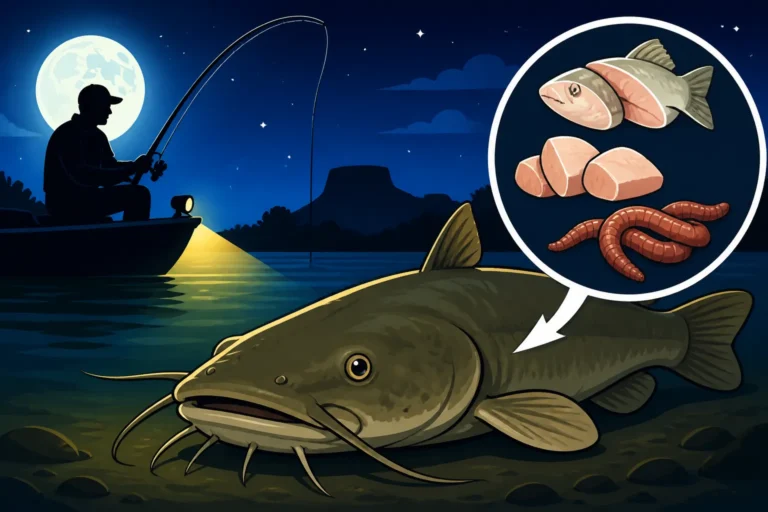
Catfish: Without a doubt, catfish are the undisputed kings of Nebraska's night fishing scene. Both channel catfish and flathead catfish become incredibly active after dark. They rely heavily on their sense of smell and barbels to locate food in low light conditions, making them less deterred by darkness than sight-feeding fish. Channel cats will cruise shorelines and flats, while flatheads often move out from their daytime cover in timber or deep holes to hunt for live baitfish. This makes places like Branched Oak Lake or the Missouri River absolute hotspots for night catfishing. If you’re looking to truly connect with these whiskered giants, you simply must learn How to Catch Flathead Catfish at Night The solitude of a quiet riverbank with a rod bent over under the stars, fighting a strong Nebraska flathead, is an experience every angler should have.
Walleye: While often thought of as a daytime species, walleye can also offer fantastic night fishing opportunities, especially in larger reservoirs like Lake McConaughy. Walleye have large, light-sensitive eyes adapted for low-light conditions, giving them a significant advantage over their prey at night. They’ll often move into shallower areas, rocky points, and weed edges to feed after dark. This is often the best time to target the bigger "eyes" that are more hesitant during daylight hours.
Crappie and Other Panfish: Believe it or not, crappie can also be fantastic targets at night. While they might not be as widely pursued as catfish or walleye, using submersible lights can draw in baitfish, and consequently, crappie, to your location. These lights create a feeding frenzy, concentrating panfish around your boat or dock. Other panfish like bluegill and even wipers (hybrid striped bass) can also be caught at night, especially during warmer months when they follow baitfish schools.
Legalities and Logistics: Before You Cast into the Night
Before you even think about heading out after dark, it’s critical to understand the regulations and take the necessary safety precautions. Night fishing comes with its own set of rules and unique challenges that you need to be prepared for.
Understanding Nebraska's Night Fishing Rules
Most general Nebraska fishing regulations still apply after dark. You’ll need a valid Nebraska fishing license, and any specific species regulations regarding bag and possession limits, as well as length limits, remain in effect. However, there are some additional considerations for night fishing that anglers often overlook.
First and foremost, check for any time-specific restrictions for the body of water you plan to fish. While most public waters allow 24-hour fishing, some state parks or city lakes might have specific closing hours or special permits required for overnight use. Always consult the Nebraska Game and Parks Commission regulations booklet or their website for the most current information, or check with the specific park office if you're unsure. This is particularly important for areas like Two Rivers State Recreation Area or other developed sites. You really don't want a game warden showing up at 2 AM to tell you you're trespassing, especially when you're just trying to enjoy a peaceful night of angling. A quick check on the Nebraska Night Fishing Rules beforehand can save you a lot of hassle.
Another important point involves lighting on boats. If you're fishing from a boat at night, you must adhere to all navigational lighting requirements. This usually means displaying appropriate red and green bow lights, and an all-around white stern light. This isn't just a rule; it's a critical safety measure to prevent collisions in the dark. Even on a small jon boat or kayak, having a 360-degree white light is essential to make yourself visible to others.
Essential Safety and Comfort Preparations
Fishing in the dark inherently carries more risks than fishing during the day. Visibility is limited, hazards are harder to spot, and help can be further away. Taking extra precautions isn't being paranoid; it's being smart.
Your primary concern should be lighting. A good quality headlamp is absolutely non-negotiable. Look for one with adjustable brightness settings, red-light mode (which helps preserve your night vision and doesn't spook fish as much), and a long battery life. Consider carrying a spare, or at least extra batteries. For your general area, especially if you're stationary on a bank or dock, a portable lantern can provide much-needed ambient light for rigging, baiting, or just moving around safely. Modern LED lanterns, some even solar-powered or rechargeable via USB, offer excellent light output without the heat or fire risk of old gas lanterns. You can find excellent options on Amazon. Having both a hands-free headlamp and a stationary lantern makes a world of difference. You'll want to check out reviews for products like the Black Diamond Spot 400 or Coast FL75 for headlamps, and Coleman or Goal Zero for lanterns, available widely on platforms like Amazon.
Beyond light, think about your footing. The ground can be uneven, muddy, or slippery. Wear sturdy, closed-toe shoes with good grip. A short stumble in the dark can lead to a serious injury. Inform someone of your plans: tell a friend or family member where you're going, what time you expect to be back, and if you're fishing alone. This simple step is a lifesaver if something unexpected happens.
Finally, consider the critters. Nebraska's nights can be buzzing with mosquitoes and other insects, especially near water. Pack a heavy-duty insect repellent, because there's nothing that ruins a peaceful night of fishing faster than being eaten alive. Consider options that contain DEET or Picaridin for effective protection. Even a small first-aid kit, equipped with bandages, antiseptic wipes, and pain relievers, is a wise addition to your night fishing pack.
Mastering Night Fishing Techniques for Nebraska's Top Species
Different fish species require different approaches, and this holds especially true when you're targeting them in the dark. What works for a channel catfish might not even get a sniff from a walleye.
Strategies for Channel and Flathead Catfish
Catfish are perfectly suited for nocturnal life, making them prime targets for night anglers. Their keen sense of smell and touch allows them to navigate and feed effectively when visibility is poor.
For channel catfish, scent is king. They are opportunistic feeders and will readily home in on strong-smelling baits. Classic choices include cut bait (shad, carp, or even panfish like bluegill), chicken livers (a truly potent scent bomb), and various manufactured stink baits. Rigging a simple bottom-fishing setup with a heavy enough weight to hold your bait on the bottom, a sliding sinker rig with an egg sinker above a swivel, and an 18-24 inch leader to a 3/0 to 6/0 circle hook is highly effective. Cast these baits into channels, along drop-offs, or near submerged structure. In rivers like the Platte or Missouri, target slower eddies or current breaks where catfish lie in wait. You’ll want a sturdy rod and reel combo, something with a good backbone to handle the fight. Many anglers find the Best Rod Setup for Nebraska Catfish involves a medium-heavy to heavy action rod paired with a baitcasting reel spooled with 20-30lb monofilament or braided line. When targeting them specifically for overnight success, understanding How to Fish Overnight for Catfish involves patience and multiple lines if regulations allow, spreading out your offerings to cover more water.
Flathead catfish are a different beast entirely. They are primarily piscivores, meaning they prefer live bait. A frisky bluegill, sunfish, or even a small carp (check local regulations on baitfish size and species!) rigged on a large circle hook (6/0 to 10/0) is usually your best bet. Position your live bait near heavy cover like submerged logs, brush piles, or undercut banks where flatheads ambush their prey. They are less likely to chase a moving lure. Since flatheads are less active in cooler water, target them more during the warmer summer and early fall nights. Unlike channel cats, they don't respond well to stink baits. The article on Best Bait for Flathead Catfish at Night delves deeper into what these giants truly desire. Patience is paramount when targeting flatheads; they often take their time to engulf a bait. A common mistake is setting the hook too early. Let them eat! A circle hook will often do the work for you.
Tactics for Nocturnal Walleye
Walleye fishing at night can be incredibly productive, often yielding larger fish than daytime excursions. Their excellent low-light vision gives them a distinct advantage over baitfish.
The key to night walleye is often shallow water and structure. During the day, walleye might hold in deep water, but as darkness falls, they'll often push up onto shallow humps, rocky points, and weed lines to feed. Slow trolling with crankbaits is a highly effective method. Use crankbaits that dive to the depth of the structure you're targeting, usually 5-15 feet. Popular colors like black, purple, or dark greens can be very effective against the night sky silhouette. Experiment with different retrieves and trolling speeds until you find what triggers bites. Brands like Rapala, Berkley, or Bandit make excellent walleye crankbaits widely available on Amazon.
Another effective technique is jigging. Position your boat or cast from shore near a breakline or rocky point. Use a jig tipped with a plastic grub, minnow, or a piece of nightcrawler. Slowly work the jig along the bottom, feeling for any subtle taps or resistance. Many anglers find the Best Rod Setup for Nebraska Walleye involves a sensitive medium-light to medium power spinning rod, allowing them to detect those often subtle walleye bites in the dark. Pay close attention to your retrieve; walleye can be finicky. Sometimes a slow, steady retrieve is best, other times, a more erratic jigging motion will entice a strike. This kind of nuanced approach can also be beneficial during the daytime, but the nocturnal feeding patterns often simplify finding them, as discussed in Best Time of Day to Catch Walleye in Nebraska.
Crappie and Other Panfish After Dark
While catfish and walleye often steal the night fishing spotlight, don't overlook crappie and other panfish. Nighttime can be a fantastic time to fill a cooler with these delicious fish, especially during warmer months.
The secret to night crappie fishing often lies in attracting them with light. Submersible fishing lights are game-changers here. These lights, often green or white LEDs, are lowered into the water and emit a glow that attracts plankton, which in turn attracts baitfish (like shad and minnows), and then the crappie follow the baitfish. You can purchase these lights from various fishing tackle retailers or online platforms like Amazon. Once the light has been in the water for about 15-30 minutes, you should start seeing schools of baitfish, and soon after, crappie moving in to feed on them.
Fish for crappie around the light using small jigs tipped with minnows or tiny soft plastics. A classic setup involves a slip bobber rig, allowing you to easily adjust your depth. Crappie will often suspend at different depths, so experiment until you find where they are holding. Concentrate on areas with submerged brush, timber, or dock pilings, as these are natural crappie magnets. Panfish, including bluegill and sunfish, will also be drawn to the light, offering a fun and consistent bite throughout the night.
Gear Up for the Night: Essential Equipment for Success
Night fishing isn't just daytime fishing after dark; it requires a specialized gear list to ensure safety, comfort, and, most importantly, success. Having the right tools makes all the difference when you can't rely on your eyesight as much.
Lighting the Way: Headlamps and Lanterns
As mentioned earlier, good lighting is paramount. You need hands-free lighting for rigging, baiting hooks, and unhooking fish, and ambient lighting for your general area.
A headlamp is your primary tool. Look for one that's bright (at least 200-300 lumens for fishing tasks), waterproof or water-resistant, and has multiple light modes, including a red-light setting. The red light is crucial because it doesn't diminish your night vision like white light does, allowing your eyes to stay adjusted to the darkness for spotting subtle changes on the water or avoiding tripping hazards. Many modern headlamps also offer rechargeable batteries via USB, which is incredibly convenient. Having a reliable headlamp is such a game-changer that you’ll wonder how you ever fished at night without one. When selecting one, consider models from brands like Petzl, Black Diamond, or Fenix, all readily available on Amazon. For specific recommendations, check out a guide on the Best Headlamp for Night Catfishing.
For stationary light, a portable lantern is ideal. Modern LED lanterns are safer and more efficient than older fuel-powered models. A good lantern will illuminate your immediate area on the bank or in the boat, making it easier to tie knots, grab tackle, and avoid stumbling. Some lanterns even have bug-repellent features, which can be a huge bonus on a muggy Nebraska night. The market offers robust, battery-powered or rechargeable options from brands like Coleman or Goal Zero that can last for many hours. For a comprehensive overview, look into the Best Lantern for a Nebraska Night Fishing Trip to find the right fit for your needs.
Rods, Reels, and Line: Setting Up for the Dark
While you don't necessarily need entirely different rods and reels, some modifications and considerations will enhance your night fishing experience.
For catfish, you'll want sturdy, reliable setups. Heavy-action rods (7-9 feet) paired with baitcasting reels spooled with 20-50 lb braided or monofilament line are standard. The robust nature of this gear allows you to cast heavy baits and pull big cats out of snaggy cover. The emphasis is on power and durability. If you are specifically interested in the optimal setup, articles covering the Best Rod Setup for Nebraska Catfish can provide detailed recommendations.
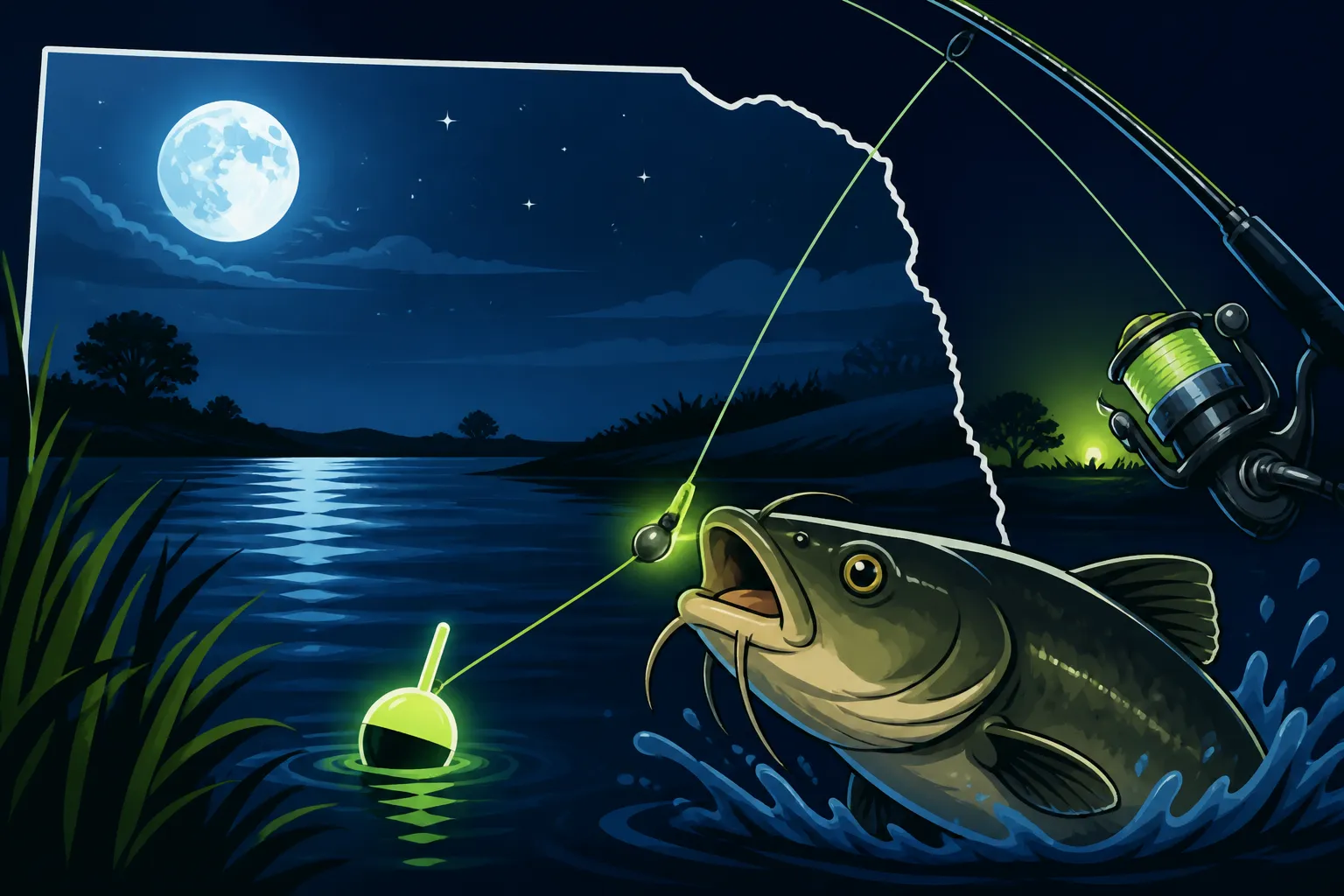
Walleye fishing at night often benefits from sensitive rods. A medium-light to medium power spinning rod (6'6" to 7'6") with a fast action tip allows you to feel those subtle bites in the dark. Spool your reel with 6-10 lb fluorocarbon or braided line with a fluorocarbon leader for sensitivity. Some anglers even prefer using glow-in-the-dark fishing line for walleye night fishing, as it can help them detect strikes more easily. This isn’t just a gimmick; sometimes that visual cue is just what you need to react in time.
For crappie and panfish, ultralight to light action rods with small spinning reels are perfect. Spool them with 4-6 lb monofilament or fluorocarbon. The finesse required for these species, even at night, demands a sensitive setup.
Crucial Accessories for Night Angling
Beyond your core gear, several accessories will make your night fishing safer and more enjoyable.
Rod holders are indispensable, especially if you're fishing multiple lines from the bank for catfish. They keep your rods secure and positioned correctly, allowing you to relax and wait for a bite without constantly holding a rod. Heavy-duty bank sticks or tripod rod holders are excellent choices. Many anglers prefer solid metal spike-in rod holders that can withstand a powerful bite. Explore options like those found in the Best Rod Holders for Bank Fishing guide.
Insect repellent is a must-have. Mosquitoes, gnats, and other biting insects can turn a pleasant evening into an unbearable ordeal. Strong repellents containing DEET or picaridin are highly recommended, especially during the warmer months. You can find a wide range of effective bug sprays on Amazon, making it easy to stock up before your trip. Getting the right repellent is crucial for a comfortable night on the water, as detailed in Best Bug Spray for Summer Fishing in Nebraska.
Don't forget a net! A good, sturdy landing net, preferably one with a rubberized mesh (to protect the fish and prevent hooks from tangling), is essential for landing bigger fish in the dark. A headlamp will illuminate the landing process, but having a net makes it much easier and safer for both you and the fish. Other useful items include a pair of pliers or forceps for hook removal, a small tackle box with only essential night fishing gear to avoid fumbling for items, and a knife for cutting line or bait. A well-stocked, but compact, first-aid kit is also a wise addition for any unexpected cuts or scrapes.
Navigating the Elements: Environmental Factors and Night Fishing
While darkness itself is a major factor, other environmental conditions still play a significant role in night fishing success. Understanding how moon phases, weather, and water conditions affect nocturnal fish behavior can give you a significant edge.
Moon Phases and Their Influence
The moon, being the most prominent light source at night, can have a noticeable impact on fish activity. Anglers often debate its precise effects, but there are some general observations.
During a full moon or near-full moon, when the sky is brightly lit, fish might feed more aggressively during the earlier parts of the night or in deeper, darker areas, as the increased light can make them feel exposed in shallow water. Some predatory fish, like walleye, might use the enhanced light to their advantage, making them more active. However, this also means they can see better, potentially making them warier of your line or presentation. It's not uncommon for a full moon to make fishing tougher for some species in very clear, shallow water.
Conversely, during a new moon or overcast nights when there is very little ambient light, fish might feel more secure moving into extremely shallow water to feed. This is often when sight-feeding predators like walleye become incredibly stealthy and effective. Catfish, relying on scent and feel, might be less affected by the amount of moonlight, but their patterns can still shift. The key is to be adaptable; what works on a bright moonlit night might need adjustment during a completely dark one. The comprehensive guide on Does a Full Moon Affect Fishing in Nebraska? dives deep into this intriguing aspect of angling.
Weather, Water Conditions, and Barometric Pressure
Just like during the day, weather and water conditions profoundly influence fish behavior at night. The transition from day to night often brings its own set of changes.
Cooler temperatures are a primary driver for increased nocturnal activity. As the surface water cools down, oxygen levels can improve, and many fish feel more comfortable moving out of deeper, warmer refuge areas. This is especially true for species like walleye and crappie during the peak of summer. Calm, stable weather conditions often lead to predictable night fishing. A slight ripple on the water can be beneficial, as it breaks up the moon's reflection and provides a bit more cover for both predator and prey.
However, sudden changes in barometric pressure can still put fish off the bite, even at night. A rapidly falling barometer often signals approaching stormy weather, and fish frequently become sluggish or move to deeper water before a storm. Conversely, a stable or slowly rising barometer generally means good fishing. While you can't see the pressure gauge on the water, understanding how these shifts affect fish, as explained in How Barometric Pressure Affects Fishing in Nebraska, can help you anticipate their mood.
Water clarity and level also matter. Clear water on a moonlit night might make fish spooky, requiring lighter lines and more subtle presentations. Muddy or stained water, on the other hand, can make scent-based fishing even more effective for catfish, as they rely less on sight anyway. Always consider how these factors interact with the darkness to fine-tune your approach for a successful night out.
Nebraska Night Fishing Essentials Table
To quickly summarize the core strategies for night fishing in Nebraska, here's a helpful table outlining preferred species, baits, and ideal locations after dark.
| Fish Species | Preferred Night Baits | Ideal Night Locations | Key Technique | Additional Notes |
|---|---|---|---|---|
| Channel Catfish | Cut bait (shad, carp), chicken livers, commercial stink baits | River channels, creek mouths, submerged structure, shallow flats | Bottom fishing with sliding sinker rig | Extremely scent-driven; multiple rods advised. |
| Flathead Catfish | Live bait (bluegill, sunfish, small carp) | Heavy cover (logs, brush piles), undercut banks, deep holes | Bottom fishing with live bait, strong tackle | Patience is key; often a bigger, slower bite. |
| Walleye | Dark-colored crankbaits, jigs tipped with plastics/minnows | Rocky points, shallow humps, weed edges, breaklines | Slow trolling crankbaits, vertical jigging from boat | Use light-sensitive rods; may follow schools of baitfish. |
| Crappie | Small jigs (tipped with minnows/plastics) | Around submersible lights, brush piles, dock pilings | Suspended under bobbers, vertical jigging | Lights attract baitfish, then crappie; great for numbers. |
Disclaimer
The information provided in this guide is for general informational purposes only and does not constitute legal advice. Fishing regulations in Nebraska can change, and it is the responsibility of each angler to consult the latest official Nebraska Game and Parks Commission regulations booklet or website before heading out. Always prioritize safety on the water.