Best Nebraska Trophy Bass Lakes
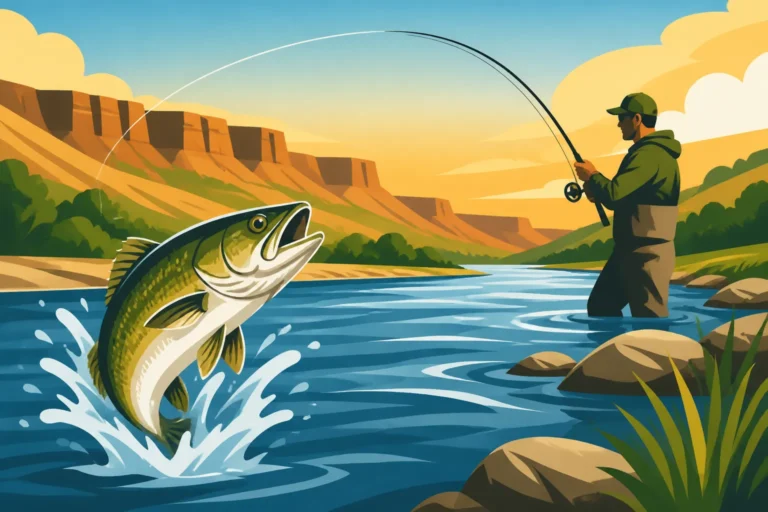
Finding those truly monumental largemouth bass in Nebraska can sometimes feel like chasing a ghost, especially if you've spent countless hours on the water with only modest catches to show for it. It's frustrating to hear tales of giant bass but never quite land one yourself. This guide is here to cut through the noise, revealing the premier Nebraska lakes where you actually stand a realistic chance of hooking into a trophy-sized bucketmouth, along with the strategies to make it happen.
Understanding Trophy Bass Potential in Nebraska
Let's be honest, not every body of water is created equal when it comes to growing truly huge bass. Nebraska has a fantastic network of lakes and reservoirs, but those that consistently produce trophy bass have a few key ingredients that set them apart. It's not just about luck; it's about understanding the environment and the fish within it.
What Defines a "Trophy" Bass in Nebraska?
The term "trophy" can be subjective, right? For some, a 3-pound bass is a trophy, especially if it's their biggest. But when we talk about true trophy largemouth bass in Nebraska, we're typically looking at fish in the 5-pound plus range. Anything over 7 pounds is truly exceptional and certainly qualifies as a brag-worthy catch. The current state record largemouth, caught back in 1993, weighed a whopping 10 pounds, 11 ounces! While that's an incredible feat, consistently landing fish in the 5-7 pound bracket is what serious trophy hunters aim for. It takes dedication and knowing where these giants lurk.
These larger fish aren't just bigger versions of their smaller counterparts; they are often older, wiser, and have survived multiple challenges. They've learned to be extremely wary, making them a significant challenge to target. You're not just fishing for a bite; you're often trying to outsmart a seasoned predator.
Factors Contributing to Big Bass Growth
So, what makes a lake capable of growing these behemoths? It boils down to a few critical factors. First, you need ample, high-quality forage. Think shad, sunfish, smaller carp, and even frogs or crawfish. A consistent and abundant food source allows bass to grow quickly and sustain large sizes. Lakes with a healthy forage base are always better bets.
Second, favorable habitat is crucial. Large bass need plenty of cover to ambush prey and protect themselves. This includes standing timber, submerged brush piles, deep weed lines, rocky points, and even old roadbeds or foundations from submerged structures. The more complex and diverse the habitat, the more holding spots there are for big bass. Water quality, including stable temperatures and good oxygen levels, also plays a significant role in overall fish health and growth rates. Lakes with clearer water and stable conditions often support healthier, larger fish populations.
Finally, genetics and responsible management contribute immensely. Some bass strains simply have the genetic potential to grow larger. Furthermore, catch-and-release practices, especially for larger breeding-size fish, are vital for maintaining a trophy fishery. Without anglers doing their part, even the best lakes can see their trophy potential diminish over time. Understanding Catch and Release Best Practices in Nebraska is crucial for all anglers.
Top Nebraska Lakes for Largemouth Trophy Bass
Nebraska might not be the first state that comes to mind for trophy bass fishing, but we do have some fantastic spots if you know where to look. These lakes consistently produce bigger bass and are worth the effort for any angler dreaming of a wall-hanger.
Branched Oak Lake
Located just north of Lincoln, Branched Oak Lake is often touted as one of Nebraska's best for largemouth bass, and for good reason. It's a large reservoir, over 1,800 acres, with diverse habitat that largemouth love. You'll find plenty of standing timber, particularly in the upper reaches, along with submerged rock piles and expansive weed beds in various bays. Anglers frequently report catching bass in the 3-5 pound range here, with several reports each year of fish exceeding 7 pounds.
The key to success at Branched Oak often involves exploring the different arms and bays. The north arm, with its extensive timber and deeper channels, can be particularly productive. Look for bass relating to the edges of the timber lines or in deeper pockets within the submerged forest. During the warmer months, the main lake points and humps that drop off into deeper water are also excellent spots. Consider booking a trip with a local guide through platforms like FishingBooker who specializes in this lake; their insights on current conditions and hotspots can be invaluable. Don't forget to check out the Branched Oak Lake Bass Fishing Tips for more specific advice.
Johnson Lake
Down in central Nebraska, near Lexington, lies Johnson Lake, a popular destination for various species, but it holds a special place for bass anglers seeking bigger fish. At over 2,000 acres, it's a sprawling reservoir on the Platte River system known for its warmer water temperatures and excellent forage base, including abundant gizzard shad. This rich food source helps bass here grow to impressive sizes, with 5-pounders being relatively common and bigger fish certainly possible.
Johnson Lake offers a mix of residential areas with docks and seawalls, as well as more natural shorelines with riprap, brush piles, and submerged timber. The key here is often to focus on structure. The vast number of boat docks provide excellent overhead cover and ambush points for bass, especially on sunny days. Don't overlook the riprap along the dam and causeways, particularly during spawning season or when bass are actively feeding. Flipping jigs or pitching soft plastics around these structures are highly effective techniques. This lake can get busy, so early morning or late evening fishing can sometimes be your best bet to avoid heavy boat traffic.
Wagon Train Lake
Another gem close to Lincoln, Wagon Train Lake, might be smaller than some of its counterparts at around 315 acres, but don't let its size fool you. This lake consistently produces quality largemouth bass, including legitimate trophy fish. It's a great example of how proper management and habitat can create excellent fishing in a more compact area. The lake features extensive weed lines, submerged roadbeds, and a good amount of brush piles and laydowns, offering plenty of cover for big bass to hide and ambush prey.
Anglers often find success targeting the edges of the submerged weed beds with spinnerbaits, chatterbaits, or topwater lures during low-light conditions. As the sun gets higher, probing the deeper weed lines and brush piles with Texas-rigged worms or jigs can be extremely effective. The old creek channel winding through the lake also acts as a highway for bass, so finding points or bends along that channel can be very productive. If you're looking for a quieter experience but still want a shot at a big fish, Wagon Train Lake is an excellent choice. You can often find local tips by asking at bait shops or checking online forums; some even offer insights on Best Nebraska Lakes for Shore Fishing Without a Boat.
Holmes Lake
For those in or near Lincoln, Holmes Lake offers a surprisingly strong trophy bass fishery, despite its urban setting. This 110-acre lake is highly accessible and receives regular attention from the Nebraska Game and Parks Commission, including habitat improvements. While it sees heavy recreational use, the largemouth bass here are robust, with fish in the 4-6 pound class caught regularly. It's a fantastic spot for a quick fishing trip after work or on a weekend morning.
The lake has several distinct areas to target, including rocky riprap, standing timber in some of the older creek channels, and various artificial habitat structures. Fishing the deeper pockets around the timber or focusing on the rocky points can yield good results. Soft plastics, crankbaits, and even larger swimbaits can entice a strike from a trophy bass here. Because of its urban location, it's a great place to refine your skills and try different presentations. Sometimes, you just need a short trip to relieve the stress of the week, and Holmes Lake provides that opportunity along with the chance for a big fish.
Strategies for Targeting Nebraska Trophy Bass
Catching a trophy bass isn't usually an accident; it's often the result of deliberate strategy, patience, and using the right tools for the job. These fish are older and wiser, so you need to adapt your approach.
Best Baits and Lures for Giants
When you're chasing trophy bass, it's often true that "big baits catch big fish." While a small worm might catch you a lot of fish, a larger presentation is more likely to appeal to a bass looking for a substantial meal to sustain its size. Consider larger swimbaits, especially those designed to imitate gizzard shad or larger panfish, as these are staple diets for big bass. Jigs in ½ oz to 1 oz sizes, often paired with large creature baits or crawfish imitations, are excellent for probing deep cover.
Big crankbaits that dive to different depths can be very effective when bass are feeding aggressively, especially around rocky points or ledges. Don't shy away from oversized plastic worms (10-12 inches) or large soft plastic creature baits, particularly when pitching into heavy cover. Topwater lures like large poppers, walk-the-dog baits, or even frog imitations can produce explosive strikes from trophy bass during low-light conditions or over matted vegetation. Experimentation is key, but leaning towards larger, more substantial offerings will often increase your odds of connecting with a true heavyweight. You'll find many of these recommended baits detailed further in guides like Best Lures for Nebraska Bass.
Key Structures and Cover to Target
Trophy bass are almost always associated with significant cover or structure. They are ambush predators and need places to hide, rest, and launch attacks on unsuspecting prey. In Nebraska's reservoirs, focus heavily on standing timber. This could be visible dead trees, or more commonly, submerged stumps and logs that you can locate with your electronics. Deep ledges, especially those with an abrupt depth change, are prime locations, as bass will often sit on the edge waiting for baitfish to pass by.
Brush piles, whether natural or intentionally placed by anglers, are bass magnets. These can be particularly effective in winter and summer when bass are seeking thermal refuge. Rocky points and humps that extend into deeper water also concentrate baitfish and, consequently, large bass. Don't overlook old roadbeds, bridge abutments, or foundations of submerged buildings if you can locate them on your sonar. These man-made structures provide unique hiding spots that attract bigger fish. Using a good fish finder to locate these subtle pieces of structure is a game-changer; perhaps consult a guide on Best Fish Finders for Nebraska Lakes.
Seasonal Tactics for Trophy Success
Your approach to trophy bass fishing needs to shift with the seasons, as bass behavior changes dramatically throughout the year.
- Spring (Pre-spawn): This is often the best time to catch your biggest bass. As water temperatures rise into the 50s, female bass move from their deeper wintering holes to shallower staging areas near spawning flats. They are actively feeding to build energy for the spawn. Target points, coves, and creek channels leading to shallow spawning bays with jerkbaits, lipless crankbaits, and jigs. This is when they're at their heaviest.
- Summer: Once the water warms significantly, bass will often move deeper to seek cooler, more oxygenated water. Look for them on deep points, ledges, humps, and in the shade of standing timber or thick weed beds. Early morning and late evening topwater bites can be incredible, but during the day, focus on slower presentations like deep-diving crankbaits, Carolina rigs, or jigs fished vertically in deeper water. Best Time of Day to Catch Bass in Hot Weather is often during the low light hours.
- Fall: As water temperatures cool, bass become very active again, mimicking their pre-spawn behavior. They feed aggressively to put on weight for the upcoming winter. This is a fantastic time for power fishing with spinnerbaits, crankbaits, and swimbaits around schooling baitfish in the shallower to mid-depth ranges. They will be chasing shad into coves and across flats.
- Winter: Winter fishing for bass can be tough, but big fish are still catchable. They typically hold in the deepest, most stable water they can find, often near significant structure like standing timber or deep ledges. Slow, vertical presentations like spoons, jigs, or slow-fished blade baits can entice sluggish winter bass. Patience is paramount during these colder months.
Conservation and Responsible Trophy Bass Fishing
Part of the thrill of catching a trophy bass is knowing that these magnificent creatures are still out there. To ensure they remain for future generations, responsible angling practices are absolutely essential. We all have a role to play in preserving these incredible fisheries.
Catch and Release Best Practices
When you land a trophy bass, the temptation to show it off is huge, but how you handle that fish can determine its survival. Always minimize the time the fish is out of the water. Have your camera ready, snap a quick photo, and get that fish back into its element as quickly as possible. Use wet hands when handling the fish to protect its slime coat, which is its primary defense against disease.
If you're going to weigh or measure the fish, do so gently and quickly. Consider using a large, soft-mesh landing net to bring the fish in, as knotless nets are less damaging to fins and scales. For larger, heavier bass, support their weight horizontally to avoid damaging their internal organs or jaw structure. Revive the fish gently alongside the boat or from the bank until it can swim away under its own power. Practicing Catch and Release Best Practices in Nebraska is not just good sportsmanship; it's vital for maintaining the health of our trophy fisheries.
Understanding Regulations
Nebraska has specific fishing regulations in place, including length limits and daily bag limits, which are designed to protect and manage fish populations. For bass, these regulations often include minimum length limits to allow fish to reach reproductive maturity and contribute to the population before being harvested. For instance, some lakes might have an 18-inch minimum length limit for largemouth bass, or slot limits that encourage the release of medium-sized fish while allowing harvest of smaller and very large fish.
Always check the current Nebraska Fishing Guide before heading out, as regulations can change. Knowing these rules ensures you're fishing legally and contributing to the conservation efforts. These limits are not arbitrary; they are scientifically determined to help ensure the sustainability of our bass populations, allowing trophy fish to thrive. Ignoring them can lead to significant penalties, but more importantly, it undermines the collective effort to keep Nebraska's bass fishing strong.
Nebraska Trophy Bass Lakes at a Glance
Here's a quick overview of some of the top lakes mentioned for chasing trophy largemouth bass in Nebraska:
| Lake Name | Location | Primary Bass Species | Key Features for Trophy Bass | Notes |
|---|---|---|---|---|
| Branched Oak Lake | Near Lincoln | Largemouth Bass | Extensive standing timber, diverse weed beds, rock piles | Excellent forage base, often produces 5lb+ fish |
| Johnson Lake | Near Lexington | Largemouth Bass | Abundant docks, riprap, submerged timber, warmer water | Great forage (shad), popular for recreational boating |
| Wagon Train Lake | Near Lincoln | Largemouth Bass | Thick weed lines, submerged roadbeds, brush piles | Smaller, quieter lake with surprising trophy potential |
| Holmes Lake | Lincoln | Largemouth Bass | Urban lake, riprap, standing timber, artificial structures | Highly accessible, good for consistent action and quality fish |
| Red Willow Reservoir | Southwest NE | Largemouth Bass | Large reservoir, diverse habitat including submerged trees | Strong bass population, good for boat and bank fishing |
| Merritt Reservoir | North-Central NE | Largemouth Bass | Clear water, extensive submerged structure, aquatic vegetation | Known for clear water sight fishing, great camping |
Remember, while these lakes are known for their trophy potential, success still comes down to skill, patience, and adapting to the conditions on any given day. If you're looking to explore new waters or want local expertise, don't hesitate to check out FishingBooker for experienced guides in the area who can help you dial in your techniques on these specific lakes. They can provide invaluable assistance, from showing you hot spots to helping you refine your presentation to tempt those bigger fish. You might even discover a new favorite spot for Nebraska Bass Length Limits or learn about the best baits to use.
Disclaimer
Please remember that fishing conditions, regulations, and fish populations can change. Always consult the latest Nebraska Game and Parks Commission regulations before planning your fishing trip. The information provided here is for general guidance and educational purposes only.