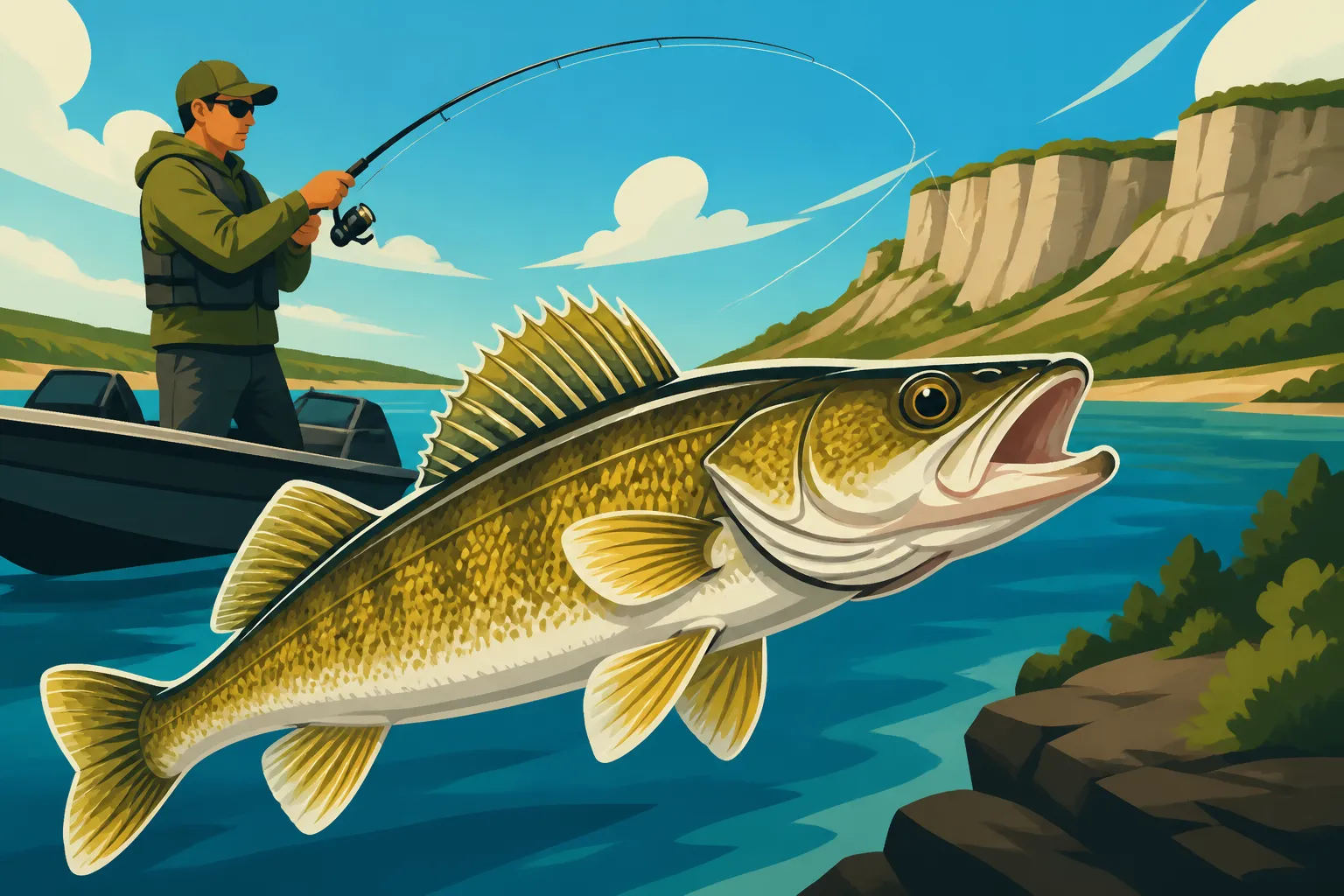
Lewis and Clark Lake Sauger Fishing
Lewis and Clark Lake can be a challenging yet rewarding fishery, and many anglers often find themselves wondering if they've truly hooked a sauger or just another walleye. This guide is here to untangle that confusion and arm you with the specific knowledge and tactics you need to confidently target and successfully catch sauger in the beautiful waters of Lewis and Clark Lake.
Understanding Sauger in Lewis and Clark Lake
Sauger, often overshadowed by their walleye cousins, are a distinct and exciting species to target, especially in a sprawling body of water like Lewis and Clark Lake. They have unique preferences and behaviors that, once understood, can significantly increase your success rate. Without this understanding, you might be fishing in the right lake but the wrong way for sauger.
Sauger vs. Walleye: Key Differences and Why It Matters
It’s an age-old debate on the boat: "Is it a sauger or a walleye?" While they look incredibly similar and are part of the same genus, there are crucial differences that impact not only identification but also where and how you target them. Sauger generally prefer more turbid, riverine environments with stronger currents and often inhabit deeper waters than walleye, especially during the brighter parts of the day.
Visually, sauger have distinct dark spots on their dorsal fins, forming noticeable rows, whereas walleye typically have a single, dark blotch on the trailing edge of their dorsal fin. Another key identifier is the sauger’s body pattern, which often features blotchy, saddle-like markings over a bronze-brown body, in contrast to the more uniform olive-gold of a walleye. Understanding these distinctions is important for adhering to specific bag and length limits that might apply to each species, as outlined in the Nebraska Fishing Regulations Explained. Misidentification could lead to unintentional violations, which no one wants.
| Feature | Sauger | Walleye |
|---|---|---|
| Dorsal Fin | Distinct dark spots in rows | Single dark blotch on trailing edge |
| Body Pattern | Blotchy, saddle-like markings | More uniform olive-gold, less distinct marks |
| Caudal Fin | Lower lobe often white | White tip on lower caudal fin lobe |
| Preferred Habitat | Deeper, turbid, riverine environments | Clearer, shallower, diverse habitats |
| Eye Color | Often more amber/golden | More pearlescent/milky |
Typical Sauger Behavior and Habitat Preferences
Sauger are true bottom-dwellers, often hugging the contours of the lakebed and utilizing current breaks and deeper channels. Unlike walleye, which might suspend more frequently or venture into shallower flats, sauger tend to stay close to structure. In Lewis and Clark Lake, this means they'll often be found in the old river channel, around submerged humps, points, and especially where tributaries enter the lake, bringing in cooler, murkier water and food. They are particularly active during low-light conditions, like dawn and dusk, but due to their preference for deeper, darker water, they can often be caught throughout the day, especially in cloudy weather or deeper sections of the lake.
Their preference for current is a major factor. They use current breaks, like the backside of submerged islands, rock piles, or sharp bends in the old river channel, to ambush prey without expending too much energy. This is a crucial piece of information, because if you're not focusing on areas with some kind of current or current break, you're likely missing the sauger entirely. Think about the inflows from the Missouri River or any noticeable current lines in the main body of Lewis and Clark Lake. Even subtle current can concentrate these fish, making your fishing efforts more efficient.
Best Times and Seasons for Sauger Fishing
Timing is everything when it comes to sauger fishing on Lewis and Clark Lake. Just showing up with a rod and reel isn't enough; knowing when and under what conditions these fish are most active can drastically improve your odds. Every season offers a unique challenge and opportunity for sauger anglers.
Seasonal Patterns: Spring, Summer, Fall, and Winter
- Spring: As the ice recedes and water temperatures begin to climb into the 40s and 50s Fahrenheit, sauger become more active. This is a prime time as they move into shallower areas to spawn, often in river sections or near tributary mouths. Focus on areas where current is present but not overpowering, as these spots offer both spawning grounds and easy ambush points for baitfish. Early spring can be particularly productive as they feed aggressively post-spawn to recover their energy.
- Summer: During the heat of summer, sauger retreat to deeper, cooler water. Look for them in the main river channel, deep bends, and large submerged structures where they can find relief from the sun and warmer surface temperatures. They'll often school tightly in these deep haunts, so if you find one, you're likely to find more. Night fishing can also be highly effective during summer, as they'll move up slightly shallower under the cover of darkness.
- Fall: Autumn is arguably one of the best times for sauger fishing on Lewis and Clark Lake. As water temperatures drop, sauger begin to feed heavily in preparation for winter. They'll often move from the deepest summer haunts to slightly shallower but still current-rich areas, such as the edges of flats bordering deep channels. This is when they are at their most aggressive, actively chasing down baitfish.
- Winter (Ice Fishing): Yes, Lewis and Clark Lake offers fantastic opportunities for ice fishing sauger, though it requires patience and the right gear. Once the ice is safe, sauger can be found schooled up in deeper basins, often near transition zones from soft to hard bottom, or along subtle contours of the old river channel. Focus your efforts on the bottom or just a few feet off it. Remember to review the Nebraska Ice Fishing Regulations before heading out onto the hard water.
For those looking to optimize their trip and perhaps even hire local expertise, consulting platforms like FishingBooker can provide insights into seasonal patterns and connect you with guides who specialize in Lewis and Clark Lake sauger fishing during these key periods.
Optimal Weather and Water Conditions
Sauger generally prefer stable weather patterns, but unlike walleye which can be finicky in clear, bright conditions, sauger often bite well even on sunny days if you're targeting them in their preferred deep, turbid habitats. Overcast days, however, can encourage them to move slightly shallower or become more active throughout the day, as the reduced light penetration mimics their preferred deep-water environment.
Water clarity is another significant factor. Sauger thrive in somewhat turbid or stained water, which helps them ambush prey and provides cover. If the lake is exceptionally clear, you'll need to focus even harder on deeper, darker areas or fish during very low-light periods. Strong winds can also be beneficial, as they create current and chop that stirs up the bottom, making baitfish disoriented and sauger more aggressive. However, extreme weather changes, like severe cold fronts, can temporarily shut down the bite, making fish lethargic. Always keep an eye on weather forecasts and water conditions to maximize your time on the water.
Top Techniques and Baits for Lewis and Clark Sauger
Catching sauger isn't about brute force; it's about finesse and presenting your bait where they live. Because they are often tight to the bottom and can be very subtle biters, your technique and bait choice are paramount. Let's dive into the most effective ways to entice these tricky fish.
Jigging and Bottom Bouncing Strategies
Jigging is perhaps the most popular and effective method for sauger, especially when they are concentrated on specific structures. The key is to keep your jig on or very near the bottom. Sauger aren't typically looking up for their meals; they're scanning horizontally or slightly downward. A 1/4 to 3/8 ounce jig head, tipped with a live minnow, a gulp minnow, or a soft plastic, is a go-to choice. Vertical jigging directly over identified schools or structure, using a subtle lift-and-drop motion, is deadly. Don't be afraid to experiment with jig colors; chartreuse, orange, and white are often reliable producers in stained water.
Bottom bouncing with a crawler harness or a plain snell rig is another excellent strategy, particularly when drifting or slow-trolling. This allows you to cover more water while keeping your bait consistently near the bottom. For a typical Lewis and Clark setup, use a 1- to 2-ounce bottom bouncer, followed by a 3- to 5-foot leader with a snelled hook. Tip this with a lively nightcrawler or a minnow. The goal is to just feel the bouncer occasionally tapping the bottom, indicating your bait is in the strike zone. This technique is especially effective for Nebraska Walleye Fishing too, so you might catch both!
Crankbaiting and Trolling Tactics
While sauger are often caught jigging, crankbaits can be incredibly effective, especially when trolling to cover expansive areas or locate scattered fish. Deep-diving crankbaits that can reach the bottom in the 15-30 foot range are ideal. Look for lures that mimic baitfish common in Lewis and Clark Lake, such as shad or shiners. Colors like chrome/blue, firetiger, or perch patterns often produce well. When trolling, aim for slow speeds (1.0-2.0 mph) and use planer boards if you're trying to spread out your lines and cover a wider path.
Another effective tactic is "crankbaiting the break." This involves positioning your boat over deeper water and casting shallow-running crankbaits towards a submerged breakline, then retrieving them so they "clatter" off the structure. This erratic action can trigger reaction strikes from sauger hiding on the edges of these breaks. For deeper sauger, use a heavier line or a faster retrieve to get your crankbait down, ensuring it digs into the bottom for that enticing commotion.
Preferred Baits: Live, Dead, and Artificial
Sauger are not particularly picky, but some baits consistently outperform others.
- Live Bait: Hands down, live minnows are king for sauger. Shiners, fatheads, or even small creek chubs are excellent choices. Hook them lightly through the lips or just behind the dorsal fin to keep them lively. This is often the Best Bait for Nebraska Walleye, and sauger are no different in their preference.
- Dead Bait: Believe it or not, dead minnows can also be highly effective, especially when fishing very slowly or vertically jigging. Sometimes the lack of erratic movement is what triggers a lethargic sauger bite. Just make sure the dead bait is fresh.
- Artificial Baits:
- Soft Plastics: Paddle tail swimbaits, grubs, and finesse worms rigged on a jig head can imitate injured baitfish perfectly. Colors like pearl, motor oil, or chartreuse can be very productive.
- Blade Baits: These vibrating metal lures are fantastic for vertical jigging, especially in colder water. Their rapid vibration and flash can call in sauger from a distance.
- Jigging Spoons: Similar to blade baits, spoons offer flash and a distinct falling action that can trigger aggressive strikes, particularly when sauger are tightly schooled.
Remember, the presentation is often more important than the exact bait. Get it in front of them, keep it subtle, and maintain bottom contact.
Finding the Best Sauger Spots on Lewis and Clark Lake
Lewis and Clark Lake is a vast body of water, and knowing where to start looking for sauger can feel like searching for a needle in a haystack. However, by understanding their preferred habitat and utilizing available tools, you can significantly narrow down your search and find those honey holes.
Identifying Prime Structure and Depths
Sauger gravitate towards specific types of underwater structure, especially those offering current breaks, food sources, and protection from predators and bright light. On Lewis and Clark Lake, this often means focusing on the old Missouri River channel. Look for:
- Channel Edges and Drop-offs: Sauger frequently position themselves along the sharp breaks of the main river channel, waiting to ambush baitfish being swept past. These areas are excellent transition zones between shallow and deep water.
- Submerged Humps and Points: Any underwater hump or point that rises from the main channel, especially if it has rock or gravel on top, will attract baitfish and, consequently, sauger.
- Confluence Areas: Where smaller creeks or rivers feed into Lewis and Clark Lake, the mixing of waters creates current seams and deposits sediment, forming ideal sauger habitat. These areas often have slightly more turbid water, which sauger prefer.
- Rock Piles and Rubble: Sauger love to tuck behind and around rocky structures that break the current. If you can locate old roadbeds, bridge abutments, or natural rock piles, you're likely to find sauger nearby.
- Depths: Generally, sauger are found deeper than walleye. While they might push shallower during spawning or low-light, expect to find them consistently in the 15-40 foot range throughout much of the year, depending on the specific contours of Lewis and Clark Lake.
Using a good quality fish finder with side imaging or down imaging can be incredibly helpful for identifying these subtle structures. Pay close attention to your sonar screen, looking for baitfish schools and crescent-shaped marks indicating predator fish hugging the bottom.
Access Points and Navigating the Lake
Lewis and Clark Lake, being a large reservoir formed by the Gavins Point Dam, has numerous access points, both in Nebraska and South Dakota. Key areas on the Nebraska side often include access points near Crofton, Bloomfield, and the areas downstream of the dam. The Lewis and Clark Lake Fishing Guide provides a broader overview of the lake, but for sauger, you'll want to focus on sections closer to the original river channel.
Navigating the lake can be tricky due to its size and varying depths. It's crucial to have up-to-date lake maps, either physical or on your electronics. Many areas can be quite shallow away from the main channel, and submerged hazards exist. If you're bringing a boat, make sure you know the Best Boat Ramps on Lewis and Clark Lake. For those without a boat, shore access can be more challenging for sauger, as they are often further out in the deeper channels. However, fishing from jetties or riprap points that extend into the main body of the lake can sometimes put you within casting distance of sauger, especially during peak feeding times or when they push shallower.
If you're unsure about navigating the lake or finding the best spots, consider hiring a local guide. Resources like FishingBooker can help you find experienced captains who know Lewis and Clark Lake inside and out and can put you directly on the sauger, sharing their local knowledge and techniques. This can save you a lot of time and frustration, especially if it's your first time targeting this unique and rewarding species.
Disclaimer
Fishing conditions and regulations in Nebraska can change. Always consult the official Nebraska Game and Parks Commission website for the most current rules, regulations, and advisories before heading out on the water.