Enders Reservoir Fishing
Many anglers hear the name "Enders Reservoir" and picture a remote, windswept lake in southwest Nebraska, and while that's certainly part of its charm, figuring out where and how to actually catch fish there can feel like a real puzzle. Variable water levels, diverse fish populations, and the sheer size of the place can be daunting for newcomers and even seasoned veterans. This guide is designed to cut through that confusion, offering a deep dive into successful fishing strategies for Enders, ensuring your next trip is productive and enjoyable.
Getting to Know Enders Reservoir: A Gem in Southwest Nebraska
Enders Reservoir, nestled near the town of Imperial, Nebraska, isn't just another body of water; it's a dynamic ecosystem that offers a unique set of challenges and rewards for any angler. Part of the larger Enders Reservoir State Recreation Area, this expansive lake, typically around 1,700 surface acres at its conservation pool, is a central hub for outdoor activity in the region. Understanding its basic layout and characteristics is the first step to unlocking its fishing potential.
Location, Size, and Key Features
Enders Reservoir is situated in Chase County, a beautiful but often overlooked part of Nebraska's landscape. The reservoir is formed by the damming of the Frenchman River, creating a vast expanse of water that can feel both intimate in its coves and overwhelming in its open stretches. What makes Enders particularly interesting from a fishing perspective is its relatively shallow nature compared to some of Nebraska's other large reservoirs. This shallowness means water temperatures can fluctuate more rapidly, influencing fish behavior significantly throughout the year.
The lake bottom is a mix of old river channels, submerged timber, rock riprap along the dam and causeways, and numerous points and coves. These structural elements are crucial fish habitat, providing cover, ambush points, and foraging areas. The reservoir's main channel, which follows the old Frenchman River bed, can be a particularly productive area for species like walleye and catfish, especially during periods of higher water. Wind can also play a huge role here; it’s an open lake, and strong winds can create excellent current and oxygenation in some areas, while making boating challenging in others. Always check weather forecasts before heading out, especially if you plan to venture into the more exposed main lake areas.
Understanding Water Level Dynamics
Perhaps the most significant factor influencing fishing at Enders Reservoir is its water level, which can fluctuate dramatically depending on irrigation demands and rainfall. Enders is a working reservoir, meaning its water is drawn upon for agricultural purposes, particularly during the dry summer months. This constant change can reshape shorelines, expose new structure, or submerge previously dry areas, requiring anglers to adapt constantly.
When water levels are high, fish tend to disperse into newly flooded vegetation and shallow coves, offering excellent opportunities for casting to cover. Conversely, during low water periods, fish are often concentrated in deeper channels, around submerged timber, or along remaining drop-offs, making them easier to locate with electronics. Access to boat ramps can also be affected, so it's always wise to check the Nebraska Game and Parks Commission website or call a local bait shop for current conditions before you load up the boat. These water level shifts are a constant at Enders, so flexibility and a good understanding of how fish react to these changes are key to consistent success.
Prime Fish Species and What to Expect
Enders Reservoir boasts a diverse fishery, offering something for almost every type of angler. While some species dominate at certain times, a solid understanding of the main players will help you plan your attack. From the toothy walleye to the hard-fighting catfish, Enders has a reputation for producing quality fish across several popular categories.
Walleye and Crappie Opportunities
If you're after a delicious meal or a challenging fight, walleye and crappie are likely on your radar at Enders. The reservoir has a healthy population of both, though success often hinges on timing and technique.
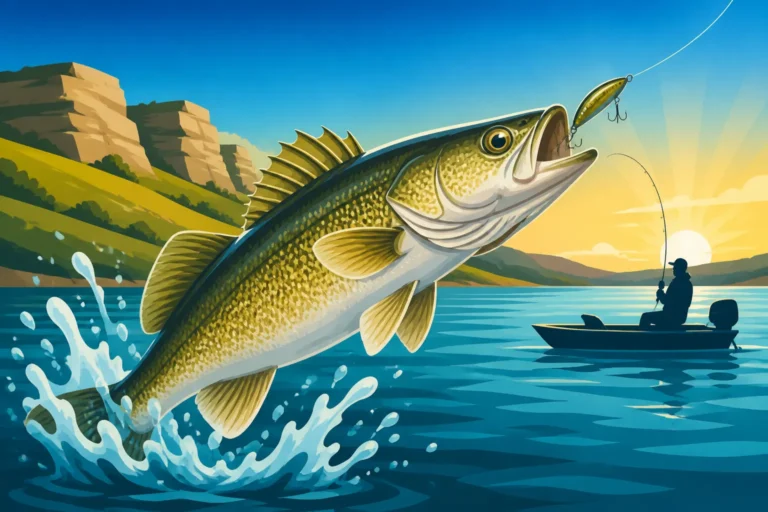
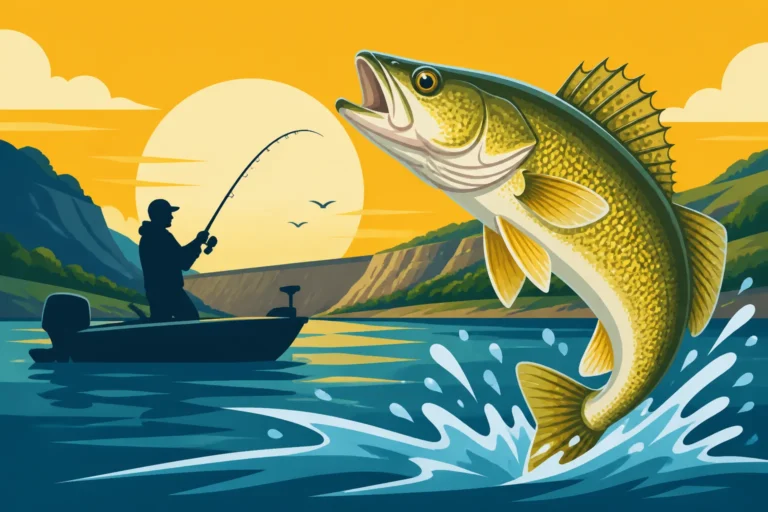
Walleye Fishing: Enders is known for its walleye, and catching them here can be incredibly rewarding. They tend to be most active during the cooler months of spring and fall, but can be caught throughout the summer with the right approach. In the spring, post-spawn walleye will often move into shallower areas, especially around rocky points and flats where they can ambush baitfish. Trolling with crankbaits like Berkley Flicker Shads or casting jigs tipped with a minnow or a soft plastic grub can be highly effective. As summer heats up, walleye typically retreat to deeper, cooler water. This is when understanding "How to Fish Deep Structure for Summer Walleye" becomes critical. Look for them on the main lake points, submerged humps, and along the old river channel. Bottom bouncing with crawler harnesses or vertical jigging can entice strikes from these deeper fish. The bite can really turn on in the evening or after dark during the warmer months, as they move shallower to feed under the cover of darkness. Don't forget to check the latest "Nebraska Walleye Daily Bag Limit" before you hit the water.
Crappie Fishing: Crappie at Enders can provide fast action, especially during their spawning season in late spring and early summer when they move into shallow, brushy areas. Look for submerged timber, brush piles, and even flooded vegetation in protected coves. Small jigs, often 1/16 to 1/8 ounce, tipped with a small plastic grub or a live minnow under a bobber, are deadly effective. Many anglers enjoy "Crappie Fishing in Nebraska" by targeting these fish around bridge pilings and causeways where brush has accumulated. As the season progresses, crappie will often move to deeper structure, suspending over the old river channel or concentrating around deeper submerged timber. Using a fish finder to locate these schools is incredibly helpful, and then vertically jigging or slow-trolling small crankbaits can produce excellent results. When water levels are low, concentrate your efforts on remaining standing timber and the edges of the old river channel.
Catfish and Bass Action
Beyond walleye and crappie, Enders also offers fantastic opportunities for catfish and bass, appealing to anglers who prefer a different kind of fight or approach.
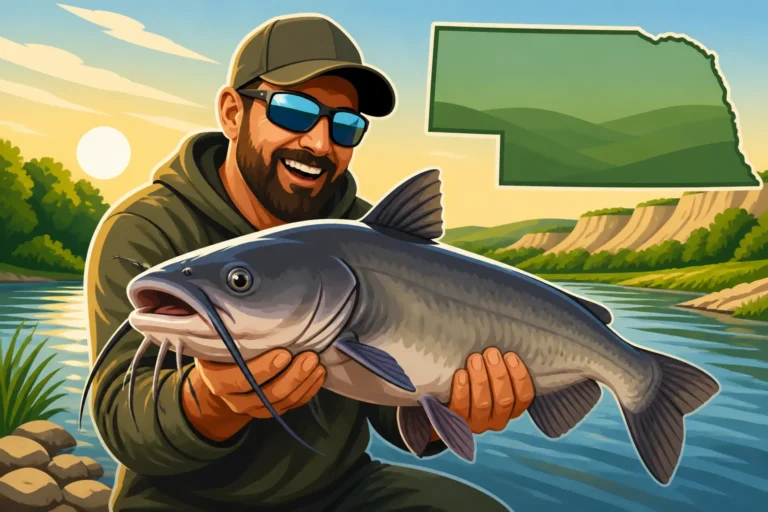
Channel Catfish Fishing: Enders is a fantastic place to catch channel catfish, and they are abundant throughout the reservoir. These hard-fighting fish are particularly active during the warmer months. You can find them almost anywhere, from shallow coves to deep channels. Bank fishing is very popular for catfish here, especially in the evenings and overnight. Popular baits include cut bait (especially shad), chicken liver, prepared stink baits, and even a simple nightcrawler. Targeting areas where freshwater drum or shad congregate can be particularly productive, as catfish are opportunistic feeders. During the peak summer heat, targeting them in the deeper, cooler sections of the old river channel can yield some truly massive fish. Learning "How to Catch Catfish in Nebraska" is a skill that will serve you well at Enders, as they are a reliable and delicious species to pursue. Don't forget to research the specific "Nebraska Channel Catfish Daily Limit" to ensure you're compliant with regulations.
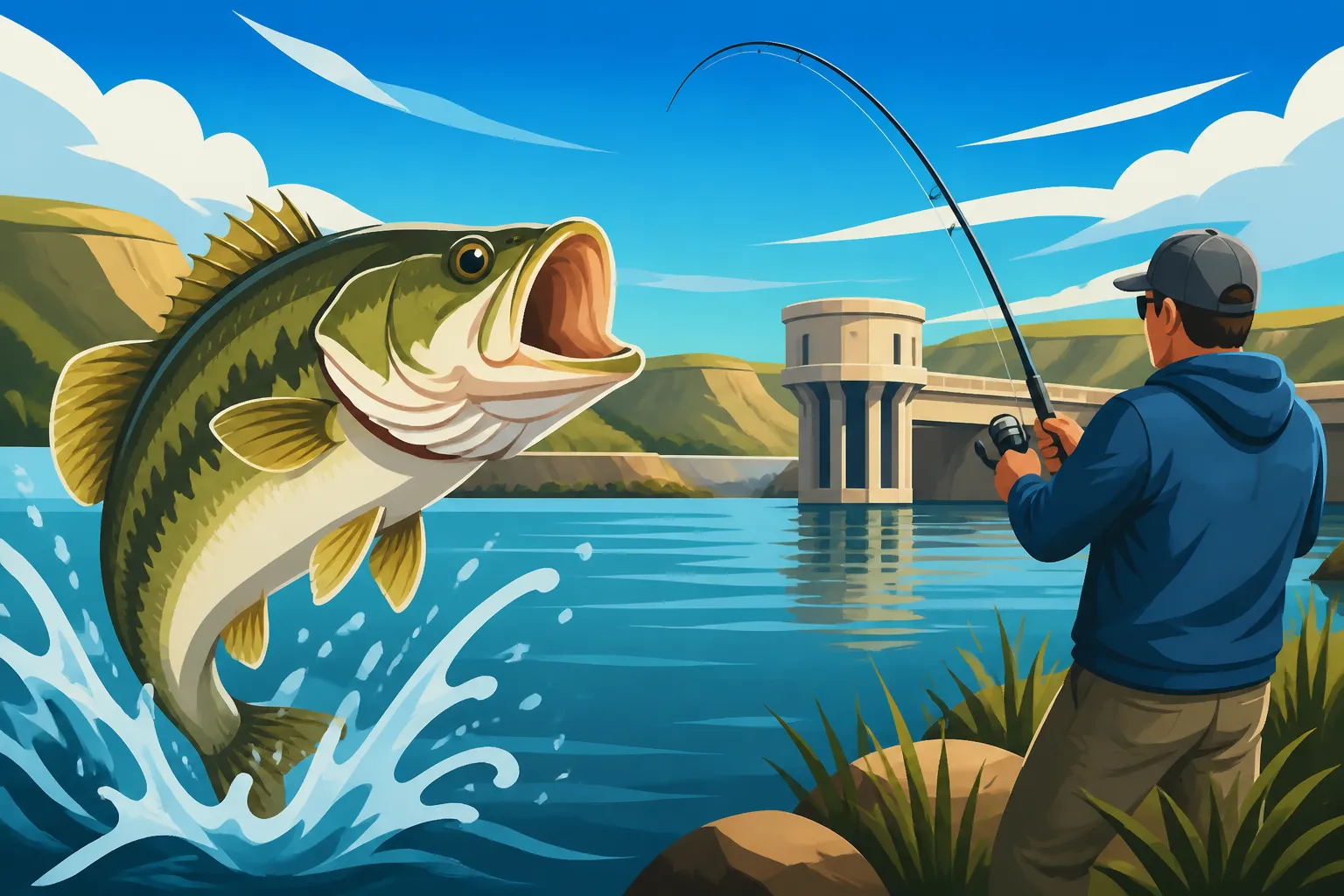
Largemouth Bass Fishing: While not as famous for its bass as some other Nebraska lakes, Enders Reservoir does hold a respectable population of largemouth bass, particularly in areas with good cover. The key to finding bass here is often focusing on pockets of flooded timber, riprap, and weed lines that develop in certain coves during periods of stable water levels. Spinnerbaits, Texas-rigged worms, and shallow-diving crankbaits are all effective presentations. During the spring, look for bass moving into the shallower, warmer coves for spawning. As summer progresses, they'll often relate to deeper structure or seek refuge in the shade of submerged trees. Early morning and late evening topwater action can be explosive around the edges of cover. FishingBooker lists several local guides who specialize in bass if you're looking for expert insight into the subtle nuances of Enders' bass fishery.
Effective Fishing Techniques and Seasonal Strategies
Success at Enders Reservoir often comes down to adapting your techniques to the season and the ever-changing conditions. What works in spring might not work in fall, and the fluctuating water levels demand flexibility. Let's dive into some practical strategies to help you fill your cooler.
Mastering Seasonal Strategies
Each season brings its own set of opportunities and challenges at Enders. Understanding these patterns is key to consistent catches.
Spring Fishing: Spring is a time of awakening at Enders. As ice recedes and water temperatures slowly climb, fish become increasingly active. Early spring can be prime for walleye and crappie as they prepare for or begin their spawn. Look for crappie in shallow, brushy coves that warm up quickly, especially on the north side of the lake which receives more direct sunlight. Walleye will move to traditional spawning areas like rocky points and riprap. Bass will also start to become active, looking for baitfish in warming shallows. This is a great time to focus on slower presentations, like jigs tipped with live bait or slow-rolled spinnerbaits. Keep an eye on the "Nebraska Fishing Seasons Explained" to understand specific regulations that might apply.
Summer Fishing: The dog days of summer at Enders mean higher water temperatures and often lower water levels due to irrigation. This usually drives many fish species, particularly walleye and larger crappie, to deeper, cooler water. This is when your fish finder becomes your best friend. Target the old river channel, submerged humps, and deeper sections of the dam face. Trolling deep-diving crankbaits or bottom bouncing with live bait rigs can be very effective for walleye. Catfish, however, thrive in the summer heat and can be caught day and night, even in shallower areas, especially if you're fishing with smelly baits. Early morning and late evening are crucial for bass and sometimes for walleye, as they move shallower to feed under lower light conditions. FishingBooker offers insights from local anglers who often share their favorite summer spots and techniques for Enders.
Fall Fishing: Fall is a fantastic time to fish Enders, often considered by many to be the best overall season. As water temperatures begin to cool, fish feed aggressively in preparation for winter. Walleye and crappie will often move back into shallower to mid-depth ranges, congregating around points, submerged timber, and along the edges of remaining aquatic vegetation. This is a great time for casting crankbaits, jigging, or slow-trolling. The "Fall Fishing in Nebraska" period can also see some truly impressive catfish catches as they fatten up. Bass will often be found chasing schools of baitfish in more open water or around rocky structure. The crowds also tend to thin out, offering a more peaceful angling experience.
Recommended Baits and Lures
Having the right tackle can make all the difference. While local conditions can dictate specifics, a few universal baits and lures tend to perform consistently at Enders.
For Walleye:
- Live Bait: Nightcrawlers (often on a bottom bouncer or a slip sinker rig), minnows (trolled or jigged), leeches.
- Artificial Lures: Deep-diving crankbaits (e.g., Rapala Shad Raps, Berkley Flicker Shads), jigs (1/8 to 1/2 oz) tipped with soft plastics (paddle tails, grub tails) or minnows, blade baits.
For Crappie:
- Live Bait: Small minnows (under a bobber or on a tiny jig head).
- Artificial Lures: Small tube jigs, marabou jigs, tiny grub-tail jigs (1/32 to 1/8 oz) in white, chartreuse, or black.
For Channel Catfish:
- Live/Cut Bait: Cut shad, chicken liver, nightcrawlers, prepared stink baits.
- Techniques: Bottom rigs with a slip sinker, trotlines (check regulations for "Nebraska Trotline Fishing Rules").
For Largemouth Bass:
- Artificial Lures: Spinnerbaits, crankbaits (shallow to medium divers), Texas-rigged plastic worms or creatures, topwater lures (frogs, poppers) in low light.
Knowing which bait to use when often comes from experience, but these staples will give you a great starting point for targeting the species found at Enders.
Access, Amenities, and Local Considerations
Planning a trip to Enders Reservoir involves more than just knowing what fish to target and how to catch them. You need to consider access, facilities, and some important local regulations. Being prepared ensures a smooth and enjoyable fishing adventure.
Boat Ramps and Shoreline Access
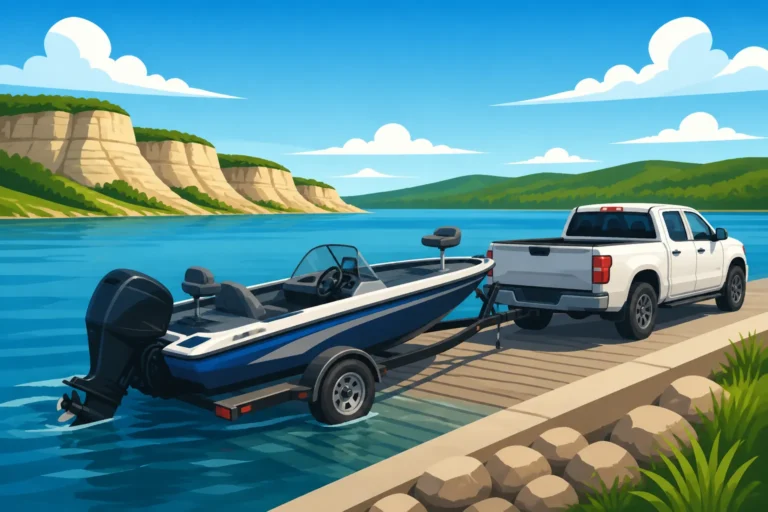
Enders Reservoir State Recreation Area is designed with anglers and recreationists in mind, offering several access points. There are multiple concrete boat ramps available around the reservoir, making it fairly easy to launch boats of various sizes. These ramps are typically well-maintained, but as mentioned, fluctuating water levels can sometimes impact usability, especially during drought conditions. Always check current conditions before you go. The most popular ramps are often located near the main camping areas.
For those without a boat, Enders offers ample shoreline fishing opportunities. The riprap along the dam and causeways can be particularly productive for walleye, crappie, and catfish, especially in the evenings. Various coves and points around the lake provide additional bank access, though some areas might require a bit of walking. Many anglers prefer fishing from shore, and Enders delivers plenty of spots to cast a line without needing a vessel. If you're bringing a boat, remember to review the "Nebraska Boat Registration and Fishing Rules" to ensure you're compliant with state law.
Nearby Facilities and Camping
The Enders Reservoir State Recreation Area provides a range of amenities to enhance your stay. Camping is a popular option, with both primitive and electrical campsites available. These sites often fill up fast during peak season, so reservations are highly recommended, especially if you’re planning a weekend trip or holiday outing. Modern restrooms, showers, and dump stations are available at some of the developed campgrounds. There are also picnic areas and hiking trails for those who want to take a break from fishing.
For supplies, the nearby towns of Imperial and Wauneta offer gas stations, grocery stores, and bait shops. It's always a good idea to support local businesses and pick up your bait and tackle there; they can often provide invaluable, up-to-the-minute fishing reports and local tips. If you're looking to explore other fishing opportunities, remember that the "Best Places to Fish in Nebraska" guide can offer a wider perspective on the state's diverse waters, and services like FishingBooker can connect you with local guides for a more tailored experience on any body of water.
Regulations and Conservation Efforts
Like all bodies of water in Nebraska, Enders Reservoir is subject to state fishing regulations. It is absolutely crucial to be aware of and abide by these rules, which cover everything from possession limits and length restrictions to permissible fishing methods. The "Nebraska Fishing Regulations Explained" document, available from the Nebraska Game and Parks Commission, is your definitive guide. You'll also need a valid Nebraska fishing license, which you can typically purchase online through the GoOutdoorsNE Online Permit System, or at various vendors.
Enders Reservoir also benefits from ongoing conservation efforts. The Nebraska Game and Parks Commission actively manages the fish populations through stocking programs and habitat improvements to ensure a healthy and sustainable fishery for generations to come. Anglers play a vital role in these efforts by practicing responsible catch and release, properly disposing of trash, and preventing the spread of aquatic invasive species. By doing our part, we help keep Enders a premier fishing destination in Nebraska.
Here's a quick overview of some common target species at Enders:
| Species | Best Seasons | Common Techniques | Best Baits/Lures |
|---|---|---|---|
| Walleye | Spring, Fall (Summer nights) | Trolling, Jigging, Bottom Bouncing | Minnows, Nightcrawlers, Crankbaits, Jigs |
| Crappie | Spring, Fall (Early Summer) | Jigging, Bobber Fishing, Slow Trolling | Small Minnows, Small Jigs (tube, marabou) |
| Channel Catfish | Summer, Late Spring, Fall | Bottom Fishing | Cut Bait, Chicken Liver, Stink Baits, Nightcrawlers |
| Largemouth Bass | Spring, Early Summer, Fall | Casting to Structure, Topwater (low light) | Spinnerbaits, Plastic Worms, Crankbaits, Frogs |
| Wipers/White Bass | Spring, Summer, Fall | Trolling, Casting to Schools, Jigging | Shad Imitations, Spoons, Crankbaits |
This table provides a general guideline; always consider current conditions and local reports for the most up-to-date information.
Disclaimer
Fishing conditions and regulations are subject to change. Always consult the latest Nebraska Game and Parks Commission regulations before fishing. This guide is for informational purposes only and does not constitute official legal advice. Enjoy your time on the water!