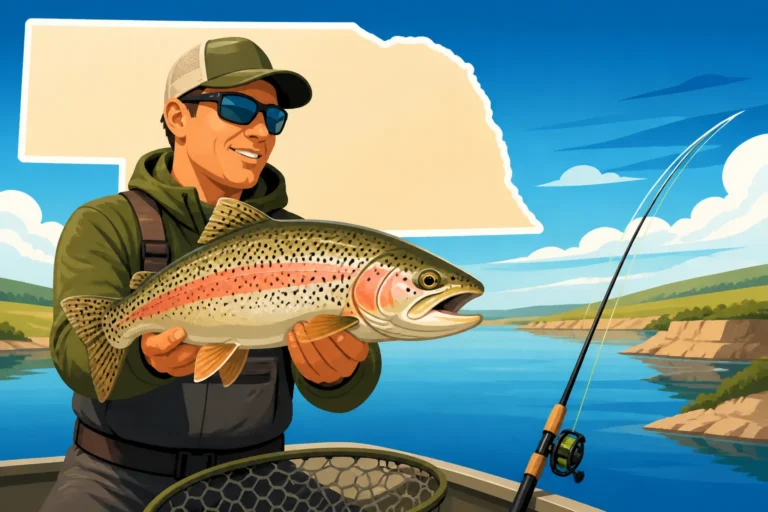
Medicine Creek Reservoir Fishing
It can be incredibly frustrating trying to plan a fishing trip to a new spot, only to find vague information about what you can actually catch, where to go, and what to expect. You’ve heard whispers about places like Medicine Creek Reservoir, but getting the real scoop on its unique characteristics and the best strategies for a successful day on the water can feel like searching for a needle in a haystack. This comprehensive guide is here to cut through the noise, offering you a detailed look into everything you need to know to truly master Medicine Creek Reservoir fishing.
Discovering Medicine Creek Reservoir
Nestled in the rolling loess hills of southwest Nebraska, near Cambridge, Medicine Creek Reservoir, often referred to locally as Harry Strunk Lake, is a gem that many anglers overlook in favor of larger, more famous impoundments. But let me tell you, this 1,768-acre reservoir has a charm and a fishing reputation all its own, offering a fantastic blend of diverse species and serene, less crowded waters. It's an irrigation reservoir, which means water levels can fluctuate, adding another dynamic layer to understanding how the fish behave here throughout the year.
The reservoir’s creation dates back to the 1940s, formed by the Medicine Creek Dam, and it serves as a crucial water storage facility for irrigation in the Republican River Basin. This history is important because it dictates the type of habitat you'll find—a mix of standing timber, rocky points, submerged roadbeds, and gradual shorelines. Unlike some of the super-deep, crystal-clear lakes, Medicine Creek often has a bit more turbidity, especially after heavy rains, which can influence your lure choices and fishing strategies, but also provides excellent cover for various fish species.
Many anglers who visit Medicine Creek find themselves drawn to its quieter atmosphere. You won't typically find the intense boat traffic you might encounter on other, larger Nebraska lakes, making it a perfect spot for those who prefer a more peaceful experience while still having access to excellent fishing. It's a place where you can really slow down, read the water, and hone your skills without feeling rushed or crowded out.
Reservoir Specs and Accessibility
Medicine Creek Reservoir spans nearly 1,800 acres at full pool, though as mentioned, its size can vary depending on irrigation demands, especially later in the summer. Its maximum depth hovers around 45 feet, but much of the reservoir consists of shallower coves, flats, and creek channels that are prime habitat for many fish species. The overall structure is quite varied, providing a rich tapestry of fishing opportunities.
Accessing the reservoir is quite straightforward, primarily through several well-maintained boat ramps. The Harry Strunk Lake State Recreation Area (SRA) on the north side of the lake offers excellent facilities, including multiple boat ramps, camping areas, and plenty of shoreline access. This SRA is typically where most anglers launch, providing easy access to both the main lake body and the Medicine Creek arm.
On the south side, while there are fewer developed areas, you can still find some informal access points and stretches of public land ideal for bank fishing or launching smaller boats like kayaks or canoes. Always check the current conditions and water levels, as some ramps might become less accessible during periods of low water. Knowing the Nebraska Boat Registration and Equipment Requirements is also crucial before you head out.
Why Medicine Creek Stands Out
What truly makes Medicine Creek Reservoir stand out in the Nebraska fishing landscape is its reputation for producing quality fish across multiple popular species, particularly walleye and crappie. While Lake McConaughy gets a lot of hype for walleye, Medicine Creek often flies under the radar, offering a more intimate experience with excellent potential for catching good-sized fish. Locals know it as a reliable spot, and it often appears on regional fishing reports as a consistent performer.
Beyond the walleye and crappie, the reservoir also holds strong populations of channel catfish and largemouth bass, providing a well-rounded angling experience. The varied underwater structure, from flooded timber to rocky breaks and old creek beds, creates diverse habitats that cater to these different species, ensuring there's always something biting if you know where to look. It’s this multi-species appeal, combined with a generally less crowded environment, that makes Medicine Creek a truly special place for Nebraska anglers.
The surrounding area, including the Harry Strunk Lake SRA, adds to its appeal, making it more than just a fishing destination. You can combine your fishing trip with camping, hiking, or just enjoying the tranquility of southwest Nebraska. This blend of good fishing and recreational opportunities solidifies Medicine Creek's status as a top-tier, yet often unsung, destination for a memorable outdoor adventure.
Prime Fishing Opportunities and Target Species
Medicine Creek Reservoir boasts a diverse fishery, but it's particularly renowned for a few key species that draw anglers from across the state and beyond. Understanding where and when to target these fish is crucial for a successful trip. The reservoir's unique structure, with its main lake body, a significant creek arm, and numerous coves, creates a variety of habitats that cater to different species throughout the year.
While some anglers might focus exclusively on one type of fish, Medicine Creek truly shines when you're open to exploring different techniques and targeting multiple species. This flexibility can save a trip on days when your primary target isn't cooperating. It’s all about adapting to the conditions and the fish's behavior, which is a hallmark of successful angling anywhere, but especially in reservoirs with fluctuating water levels like this one.
If you're looking to gauge the local fishing action before you head out, many anglers share their experiences on forums or via local fishing reports. Services like FishingBooker can sometimes connect you with local guides who specialize in Medicine Creek, offering invaluable insights into current hot spots and effective techniques, particularly if you're new to the area.
Walleye and Crappie Hotspots
Walleye are undoubtedly one of the star attractions at Medicine Creek. Anglers often find success by targeting the main lake's deeper points, humps, and submerged creek channels. During the spring, as the water warms, walleye move shallower to spawn, making the rocky points and riprap near the dam and along the main lake body particularly productive. Trolling crankbaits or slowly dragging jigs tipped with minnows are classic and effective methods for these early season fish. Many anglers check the Nebraska Walleye Daily Bag Limit before heading out.
As summer progresses, walleye tend to move to deeper, cooler water, often suspending over humps or congregating along the thermocline if one forms. This is when vertical jigging with spoons or heavier jigs, or deep trolling with bottom bouncers and crawler harnesses, can be incredibly effective. The creek arm also holds walleye, especially during periods of higher flow or when they are moving into the river channel. Remember, walleye are often light-sensitive, so low-light conditions at dawn, dusk, or even at night can be prime times. For more detailed strategies, check out our guide on How to Fish for Walleye in Nebraska.
Crappie fishing at Medicine Creek can be phenomenal, often producing large numbers of respectable-sized fish. Both black and white crappie thrive here, and they are typically found around submerged brush piles, standing timber, and the edges of creek channels. The timber in the upper reaches of the Medicine Creek arm is a well-known crappie haven, especially in spring and fall. These fish school up, so when you find one, you're likely to find many more.
Small jigs, often tipped with a minnow or a small soft plastic, fished under a bobber or slowly retrieved around structure, are the go-to techniques for crappie. In the colder months, crappie will move to deeper timber or structure in the main lake. It's always a good idea to know the Nebraska Crappie Daily Limit before you start filling your cooler, as limits can vary by water body. The key is patience and systematically working different depths and pieces of cover until you locate the schools.
Catfish and Bass Action
Medicine Creek Reservoir is also an excellent destination for channel catfish, which are abundant throughout the system. The river arm of Medicine Creek, where the creek flows into the reservoir, is a prime area for catfishing, especially during periods of increased flow or after a good rain. These fish relate to the current and often congregate in deeper holes or along the edges of the channel.
Bank anglers often have great success targeting catfish from numerous spots along the shoreline, especially near the state recreation area. Traditional bottom rigs with stink bait, cut bait, or chicken livers are highly effective for channels. Flathead catfish are also present, particularly in the larger, deeper holes and around heavy cover like logjams in the creek arm, but they require heavier gear and typically prefer live bait like sunfish or perch. For comprehensive advice, our guide on How to Catch Catfish in Nebraska offers plenty of tips.
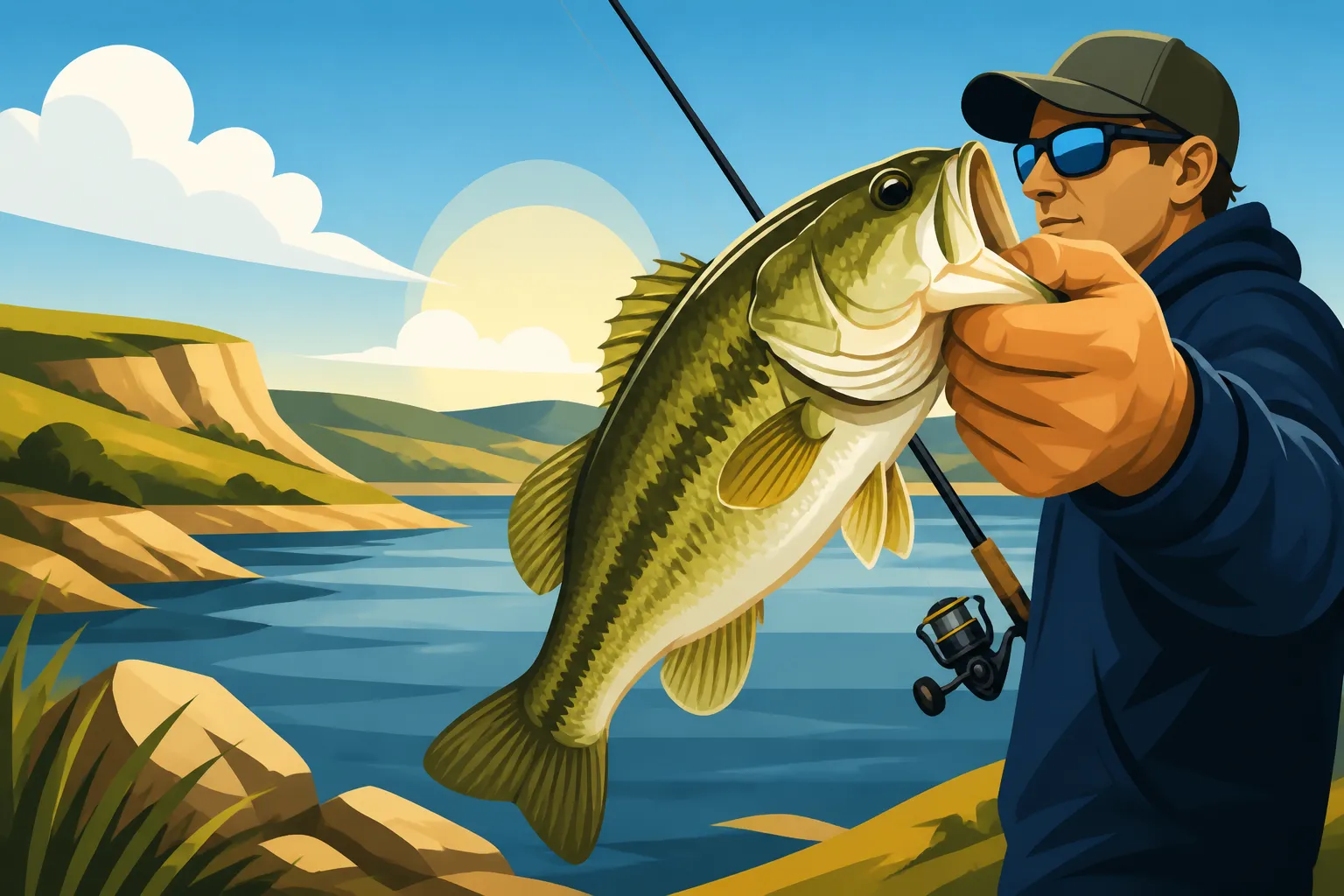
Largemouth bass fishing at Medicine Creek offers exciting opportunities, especially in the shallower coves, around submerged brush, and along the rocky shorelines. The back of the creek arm, with its shallower water and more abundant cover, is particularly productive for bass. During the spring, when bass are spawning, they can be found in shallow, protected areas, often guarding their nests.
Spinnerbaits, crankbaits, jigs, and Texas-rigged soft plastics are all effective for bass, depending on the time of year and the amount of cover. As the water warms in summer, bass will often move to deeper cover, like brush piles or submerged structure, but they will still move into the shallows during low-light periods to feed. The reservoir’s irregular shoreline and numerous small pockets provide ample habitat for these aggressive fish, making for an engaging fishing experience.
Essential Tips for a Successful Trip
Preparing for a fishing trip to Medicine Creek Reservoir involves more than just packing your rods and reels. Understanding the seasonal nuances, having the right gear, and being aware of local conditions can significantly boost your chances of success. It’s about being strategic and adaptable, which is key to any great angling adventure in Nebraska.
Always remember that fishing conditions can change rapidly, particularly with weather fronts moving through or fluctuations in water levels. Staying informed through local resources and being prepared for various scenarios will always put you ahead. Even experienced anglers often consult local bait shops or fishing reports for the freshest insights, as these can truly make or break a trip.
Best Times to Visit and Seasonal Strategies
Medicine Creek Reservoir offers angling opportunities year-round, with each season presenting its own unique challenges and rewards.
Spring (March-May): This is arguably one of the most exciting times to fish Medicine Creek. As ice recedes and water temperatures begin to climb, walleye and crappie move into shallower areas for their spawning rituals. Target rocky points, riprap near the dam, and submerged brush in the creek arm. Early spring sees fish lethargic, so slow presentations are key. Later in spring, as temps stabilize, fish become more active, and bass also begin their spawn in protected coves. This is also a fantastic time for catfish as they shake off winter sluggishness.
Summer (June-August): When the heat hits, fish generally move deeper. Walleye can be found on main lake humps and channels, often suspended. Deep trolling or vertical jigging works well. Crappie will retreat to the densest, deepest timber. Catfish, however, remain very active, especially in the evenings and at night, with the creek arm being a hotspot. Bass will relate to deeper cover during the day, moving to shallower feeding grounds at dawn and dusk. Be mindful of fluctuating water levels due to irrigation demands, which can alter fishing patterns.
Fall (September-November): As water temperatures drop, fish become incredibly active again, feeding heavily in preparation for winter. This "fall bite" can be spectacular. Walleye will move shallower once more, often aggressively chasing baitfish. Crappie schooling around submerged timber becomes predictable and intense. Bass are also on the prowl, hitting a variety of lures. Catfish are still strong, but their activity may slow by late fall. Check out Nebraska Fishing Seasons Explained for broader seasonal insights.
Winter (December-February): Ice fishing is a popular pursuit at Medicine Creek when conditions allow. Once safe ice forms, anglers target walleye, crappie, and even yellow perch through the ice. Walleye often hold on main lake points or humps, while crappie are found over deeper timber. Portable shelters and electronics are a huge advantage. Always prioritize safety and verify ice thickness before venturing out. For more on this, our guide on How to Ice Fish in Nebraska is a must-read.
Gear, Bait, and Local Considerations
Having the right gear is fundamental. For walleye, medium-light to medium-action spinning or casting rods are ideal for jigging, trolling, or casting crankbaits. Crappie anglers will find ultralight rods with sensitive tips perfect for detecting subtle bites. Catfishing often calls for medium-heavy to heavy-action rods capable of handling powerful runs. Bass fishing gear is diverse, ranging from finesse spinning setups to heavy baitcasting gear for pitching into cover. For a general overview, check our guide on Best Fishing Gear for Nebraska Anglers.
When it comes to bait, live minnows are almost universally effective for walleye and crappie, especially in spring and fall. Nightcrawlers are also excellent for walleye. For catfish, stink baits, chicken liver, and cut bait are perennial favorites. Bass anglers will use a wide array of artificials, from plastic worms and jigs to spinnerbaits and crankbaits. Local bait shops in nearby Cambridge or other communities are invaluable resources for current hot baits and techniques, as they often stock what's currently working best.
Local regulations are paramount. Before you cast a line, ensure you have a valid Nebraska Fishing License Guide, and familiarize yourself with the specific Nebraska Fishing Regulations Explained for Medicine Creek Reservoir, including length and bag limits for various species. Water levels, as mentioned, can fluctuate significantly, affecting ramp access and fish locations. Always check the Nebraska Game and Parks Commission website for the most up-to-date information on lake conditions and fishing reports before your trip.
Planning Your Medicine Creek Adventure
A successful fishing trip isn't just about catching fish; it's about the entire experience. When heading to Medicine Creek Reservoir, considering your accommodation options, knowing where to resupply, and tapping into local expertise can enhance your adventure significantly. Planning ahead ensures you can focus more on the fishing and less on logistical headaches.
Whether you're looking for a rustic camping experience or prefer the comforts of a nearby motel, Medicine Creek and its surrounding communities offer various choices. These amenities become especially important during longer trips or when traveling with family, ensuring everyone has a comfortable and enjoyable stay.
Accommodations and Nearby Amenities
For those who love to stay close to the action, the Harry Strunk Lake State Recreation Area (SRA) on the north side of Medicine Creek Reservoir provides excellent camping facilities. You'll find both primitive and electrical campsites, many with convenient access to the shoreline and boat ramps. This allows for early morning starts and late-night fishing sessions without a long commute, truly immersing you in the reservoir experience. These campsites often fill up quickly during peak season, so reservations, especially for electrical sites, are highly recommended.
If camping isn't your style, the nearby town of Cambridge, just a short drive from the reservoir, offers several motel and lodging options. Cambridge is a small, friendly community where you can find essential amenities such as gas stations, grocery stores, and a few local restaurants to refuel after a long day on the water. Other slightly larger towns in the vicinity, like McCook, might offer a broader range of services, including additional dining options and larger retail stores for any last-minute fishing gear needs.
Crucially, bait and tackle shops are available in Cambridge and surrounding towns. These local shops are more than just places to buy worms and lures; they are hubs of local knowledge. The staff can often provide up-to-the-minute fishing reports, advise on the hottest baits, and even give you tips on specific spots that are producing fish. Don't underestimate the value of a quick chat with a local bait shop owner – it can be as beneficial as hours of scouting on the water.
Connecting with Local Expertise
While online resources and fishing forums offer a wealth of information, sometimes there’s no substitute for connecting with someone who lives and breathes fishing on Medicine Creek. Local fishing guides are an excellent resource, especially for first-time visitors or those looking to quickly learn the nuances of the reservoir. A guide can put you directly on fish, teach you effective techniques specific to Medicine Creek, and help you navigate the ever-changing conditions. Platforms like FishingBooker can assist you in finding and booking reputable local fishing guides who specialize in the area. These guides are professionals who spend countless hours on the water and possess an intimate knowledge of fish movements, seasonal patterns, and productive locations.
Beyond guides, keeping an eye on local fishing reports is incredibly useful. The Nebraska Game and Parks Commission often publishes weekly fishing reports that include updates on Medicine Creek Reservoir, detailing what species are biting, what baits are working, and general water conditions. Many local bait shops also maintain their own informal reports or bulletin boards with recent catches and tips.
Joining online fishing communities or Facebook groups dedicated to Nebraska fishing can also connect you with experienced anglers who are often willing to share their insights. These communities can be fantastic for asking specific questions, getting recommendations, and even finding fishing buddies. Remember to always be respectful and contribute positively to these communities.
Ultimately, combining your own research with local knowledge, whether through guides, bait shop conversations, or online communities, will create the most well-rounded and successful fishing experience at Medicine Creek Reservoir. It’s about leveraging all available resources to make your trip as rewarding as possible.
Medicine Creek Reservoir Fishing Overview
Here's a quick summary of what you can expect when fishing Medicine Creek Reservoir, focusing on the main target species and optimal seasons.
| Fish Species | Primary Seasons | Best Techniques | Key Locations | Typical Size Range |
|---|---|---|---|---|
| Walleye | Spring, Fall, Winter | Jigging, Trolling (Crankbaits, Bottom Bouncers), Live Bait | Rocky Points, Humps, Creek Channels, Riprap near Dam | 15-22 inches, up to 5-8 lbs |
| Crappie | Spring, Fall, Winter | Jigging (Minnows, Plastics), Slip Bobbers | Submerged Timber, Brush Piles, Creek Arm, Main Lake Structure | 8-12 inches, up to 1.5 lbs |
| Channel Catfish | Spring, Summer, Fall | Bottom Rigs (Stink Bait, Cut Bait, Liver) | Creek Arm, Deeper Holes, Shoreline Access Points | 1-10 lbs, often larger |
| Largemouth Bass | Spring, Summer, Fall | Spinnerbaits, Crankbaits, Jigs, Soft Plastics | Shallow Coves, Submerged Brush, Rocky Shorelines | 1-4 lbs, up to 6+ lbs |
This table provides a general guide, but remember that fish behavior can vary depending on specific weather patterns and water conditions. Always stay flexible and adjust your approach based on what the fish are telling you on any given day.
Disclaimer
Fishing conditions and regulations are subject to change. Always consult the latest Nebraska Game and Parks Commission regulations booklet or website before heading out on any fishing trip. The information provided in this guide is for general informational purposes only and should not be considered legal advice or a definitive source for all regulations. Safety should always be your top priority on the water.