Red Willow Reservoir Fishing
For anglers in Southwest Nebraska, figuring out the best spots to cast a line can sometimes feel like a puzzle, especially when you're looking for consistent action and quality fish. Many folks eye Red Willow Reservoir, knowing its reputation, but aren't quite sure how to unlock its secrets. This comprehensive guide will peel back the layers of Red Willow Reservoir, giving you the insider knowledge to make your next fishing trip a truly memorable one, from understanding its layout to mastering seasonal techniques.
Getting to Know Red Willow Reservoir
Red Willow Reservoir, nestled in the heart of the Republican River basin, is more than just a large body of water; it's a dynamic ecosystem that offers a unique challenge and reward for every angler. Understanding its fundamental characteristics is the first step to a successful outing. This isn't just a place to drown a worm; it's a place where knowing the nuances makes all the difference.
Location and Access Points
Red Willow Reservoir is conveniently located just north of McCook, Nebraska, making it a popular destination for locals and those traveling through the southwestern part of the state. It's part of the Red Willow Reservoir State Recreation Area, which means you'll find pretty good infrastructure for accessing the water. There are several boat ramps, which is a huge plus, especially for those with larger vessels. The main access points are well-marked, offering concrete ramps that generally accommodate various boat sizes. However, remember that water levels can fluctuate, so always check conditions before heading out, particularly during dry spells or after heavy rains when ramps might be affected. Shoreline access is also plentiful, offering numerous spots for bank anglers to set up camp, whether you're looking to cast from a rocky point or a quieter, more secluded cove. Parking is usually adequate, and you'll find facilities like restrooms and picnic areas to make your visit comfortable.
Beyond the main ramps, smaller pull-offs and paths allow for more adventurous anglers to explore less pressured areas. Just be mindful of private land boundaries and respect posted signs. Being prepared with a map or GPS is always a good idea, as some of the more remote spots can be a bit tricky to find if you're not familiar with the area. Access to the reservoir is generally well-maintained by the Nebraska Game and Parks Commission, ensuring a smooth experience for most visitors.
Reservoir Characteristics and Structure
Red Willow Reservoir spans approximately 1,600 acres when full, offering a sizable canvas for fishing adventures. Its depths can reach up to 40 feet in certain areas, particularly near the dam, but much of the reservoir consists of shallower coves and flats, especially in the upper reaches where the Red Willow Creek feeds in. This mix of shallow and deep water creates diverse habitats for various fish species, making it a truly multi-species fishery. The reservoir is known for its irregular shoreline, featuring plenty of points, submerged humps, old creek channels, and riprap along the dam, all of which provide excellent structure for fish. These structural elements are key holding areas, especially during different seasons.
The bottom composition varies from rocky areas, especially around the main lake and dam, to muddier or silty bottoms in the shallower bays and creek arms. You'll also find some submerged timber and brush piles, either naturally occurring or intentionally placed by the Nebraska Game and Parks Commission to enhance fish habitat. These hidden treasures are often magnets for crappie and bass, providing ambush points and shelter. A good fish finder can be invaluable here, helping you locate these underwater features that don't always show up on a standard map. Understanding these structural characteristics is vital; it helps you predict where different fish species will be at various times of the year, adapting your approach to match their movements.
Prime Fish Species and What to Expect
Red Willow Reservoir is a fantastic destination for anglers seeking a variety of popular game fish. It’s not one of those lakes where you only target a single species; here, you can really diversify your catch. Whether you’re a dedicated walleye hunter or someone who enjoys the thrill of a big catfish, Red Willow has something for everyone.
Walleye, Crappie, and Catfish
Walleye are undoubtedly one of the star attractions at Red Willow. Anglers flock here for the chance to hook into these toothy predators, which are known for their delicious fillets and challenging fight. During the spring, after the spawn, walleye often move into shallower areas, especially around rocky points and flats where they can be targeted with jigs and crankbaits. As the water warms in summer, they tend to move deeper, often congregating around submerged humps, creek channels, and the dam area. Trolling with crawler harnesses or deep-diving crankbaits becomes very effective then. For specific guidelines, make sure you're up-to-date on the current Nebraska Walleye Daily Bag Limit, which can influence how many you can take home. Many experienced anglers find that early mornings and evenings are prime times, especially during the warmer months, as walleye are light-sensitive.
Crappie fishing at Red Willow can be phenomenal, particularly in the spring and fall. Both black and white crappie thrive here. In spring, they push into shallow coves and around any available cover, such as submerged brush piles, old timber, or even flooded terrestrial vegetation. Small jigs, tipped with a minnow or a soft plastic, fished under a bobber, are deadly effective. As summer progresses, they move to deeper brush piles and suspend over submerged structure in the main lake. You can often locate them using electronics and then vertically jig or cast tiny jigs to them. Keeping an eye on the Nebraska Crappie Daily Limit is also important to ensure you're fishing responsibly.
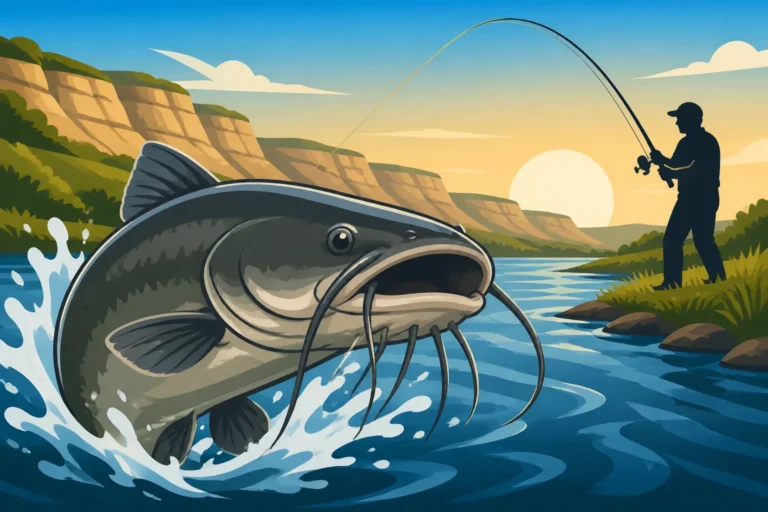
Channel catfish are abundant throughout Red Willow, offering consistent action from spring through fall, and even into early winter. These powerful fighters are found in almost all parts of the reservoir, from the shallow, muddy creek arms to the deeper main lake basin. They're not picky eaters, making them a great target for anglers of all skill levels. Stink baits, cut bait, chicken livers, and even hot dogs are popular choices. Fishing on the bottom, either from shore or a boat, near points, submerged timber, or the deeper edges of flats, often yields excellent results. Night fishing for catfish can be especially productive, as these nocturnal feeders become more active. Remember to check the Nebraska Channel Catfish Daily Limit before you head out.
Bass and Other Panfish Opportunities
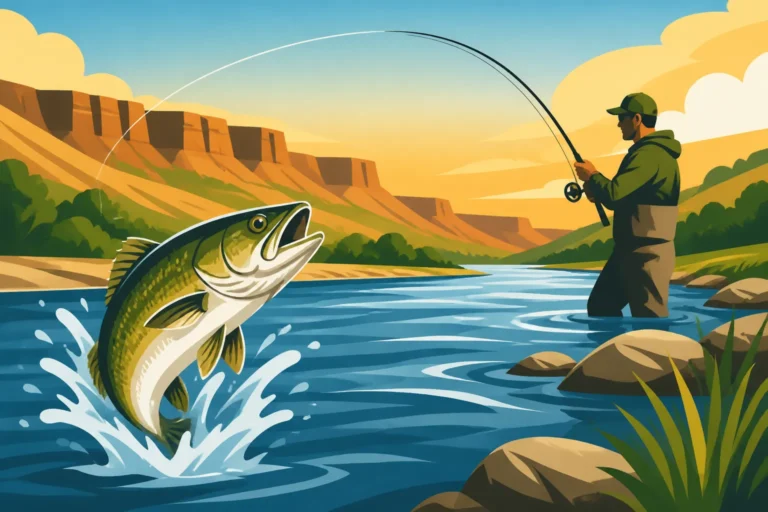
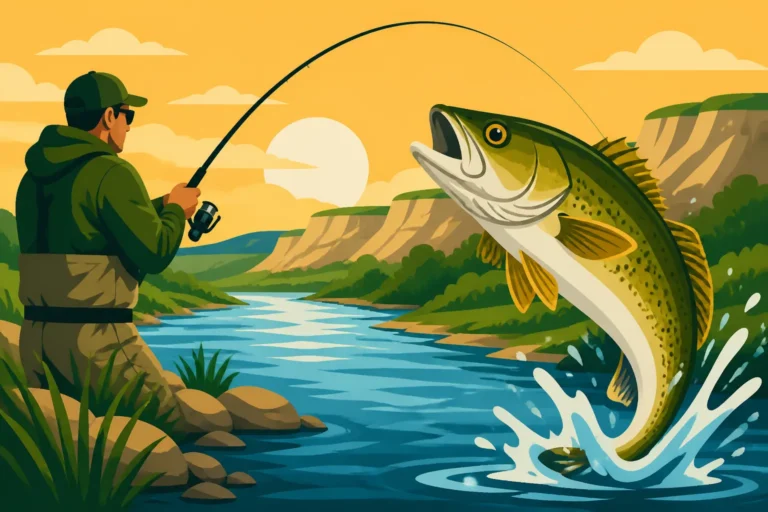
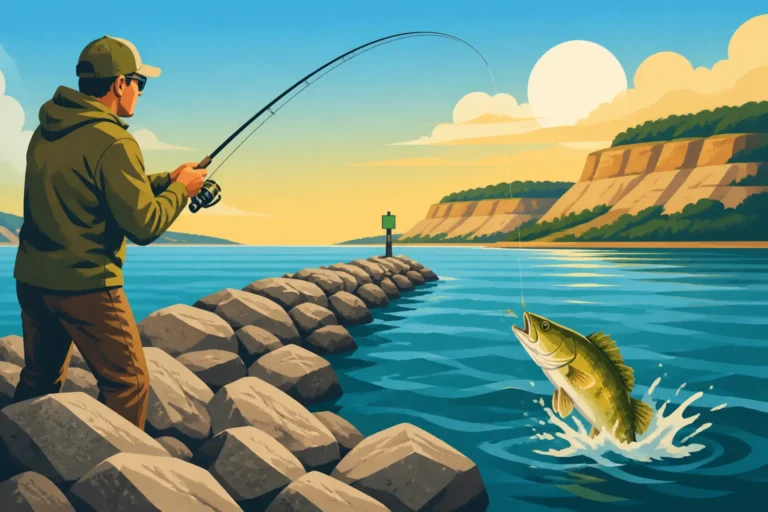
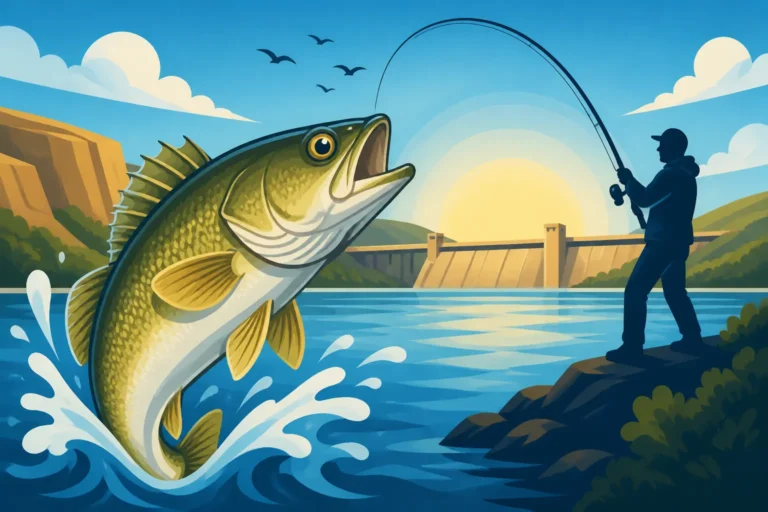
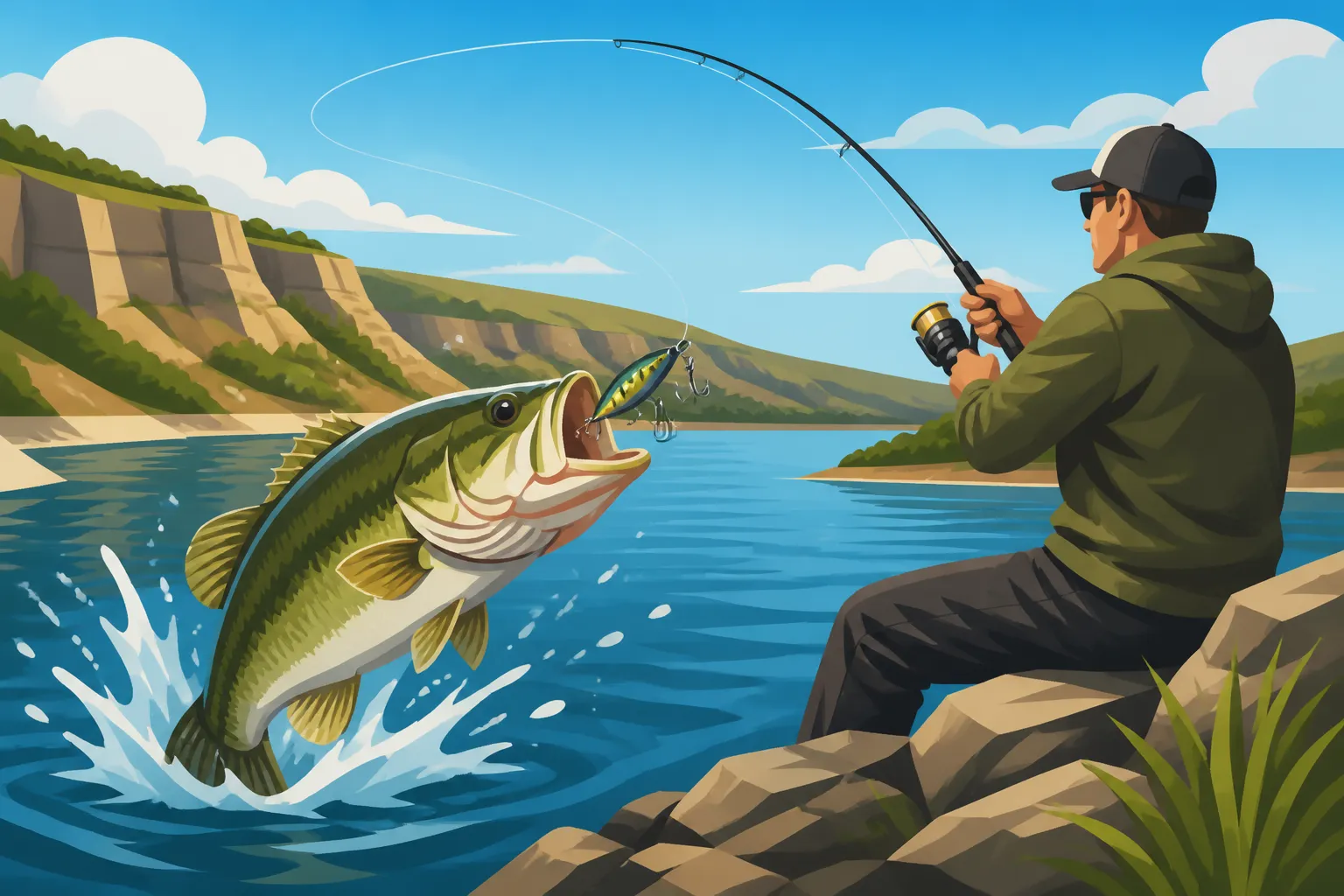
While walleye, crappie, and catfish often steal the spotlight, Red Willow Reservoir also offers rewarding opportunities for bass anglers. Both largemouth and smallmouth bass call these waters home. Largemouth bass tend to stick to the shallower, weedy coves and areas with plenty of submerged timber and brush. They respond well to classic bass baits like plastic worms, spinnerbaits, and topwater lures, especially during low-light conditions. Focus on pitching and flipping baits into dense cover, or working crankbaits along the edges of weed lines. Smallmouth bass, on the other hand, typically prefer the rockier, clearer parts of the reservoir, particularly around the dam and main lake points. They can be caught on small crankbaits, tubes, and Ned Rigs, mimicking crayfish or small baitfish. While Red Willow isn't typically known as a "trophy bass" lake, you can certainly catch some respectable fish, and the action can be consistent.
Beyond the main game fish, Red Willow also has a healthy population of other panfish, including bluegill and occasional yellow perch. These smaller species are fantastic targets for family outings or for introducing kids to fishing. They are usually found in shallower water, particularly around docks, brush piles, and weed beds. A simple setup with a small hook, a piece of worm, and a bobber is often all it takes to catch a mess of bluegill. They provide continuous entertainment and are excellent eating. While perhaps not the primary draw, these panfish species add another layer of angling diversity to the reservoir, ensuring that there's always something biting, regardless of your target species or skill level.
Seasonal Fishing Strategies
The key to consistent success at Red Willow Reservoir lies in understanding how fish behavior changes with the seasons. What works in spring won't necessarily cut it in summer, and vice-versa. Adapting your techniques to the water temperature and fish movements is crucial for a productive trip.
Spring and Early Summer Success
Spring at Red Willow is a time of awakening, and fish respond eagerly to rising water temperatures. As ice melts and water begins to warm, fish species start moving from their deeper winter haunts into shallower areas for spawning and feeding. This is prime time for crappie, which will stage in pre-spawn areas like submerged brush, standing timber, and shallow rocky points before moving to spawn in very shallow water. Small jigs, often tipped with a minnow, under a bobber, are incredibly effective. Look for them in coves and protected bays where the water warms fastest.
Walleye also become very active in early spring, often moving to rocky points and dam riprap as they prepare to spawn. After spawning, they'll remain in shallower feeding areas for a while before retreating to deeper water. Trolling shallow-running crankbaits or casting jigs tipped with a minnow or soft plastic can be very productive. Largemouth bass will also be moving shallow, setting up their nests in protected coves. Spinnerbaits, jigs, and Texas-rigged worms worked near cover can elicit aggressive strikes. Early summer sees fish spread out more, but still in relatively shallow water as they feed heavily. This is a great time to experiment with a variety of lures and baits. Don't forget that a Nebraska Fishing License Guide is essential to consult before you even head out, ensuring you're legally prepared for the season.
Mid-Summer and Fall Tactics
Mid-summer at Red Willow brings warmer water temperatures, which often pushes fish to deeper, cooler water or forces them to seek shade and oxygenated areas. This is when understanding the reservoir's structure truly pays off. Walleye will typically move to main lake points, submerged humps, and the deeper old creek channels. Trolling with deep-diving crankbaits or bottom bouncers with crawler harnesses becomes a go-to strategy. Early mornings and late evenings, or even night fishing, can be particularly effective for walleye as they become more active under low light. Catfish, however, remain consistently active throughout the summer, often feeding heavily day and night. They'll be found throughout the reservoir, but targeting them in deeper holes during the day and shallower flats at night can lead to big catches. Remember that Nebraska Fishing Regulations Explained can clarify any specific rules for night fishing or gear use.
As fall approaches, the water temperatures begin to cool, and fish enter a "feeding frenzy" phase to pack on weight for winter. This can lead to some of the best fishing of the year. Crappie will often move back into shallower coves and brush piles, becoming highly aggressive. Fall walleye fishing can be exceptional, with fish actively chasing baitfish in open water or along prominent points. Jigging spoons, blade baits, and casting crankbaits can be very effective. Bass will also become more aggressive, feeding heavily on schooling baitfish, making topwater and reaction baits viable options. This is a fantastic time to explore different areas of the lake, as fish might be spread out but are generally willing to bite.
Winter Ice Fishing Potential
When the Nebraska winter fully sets in and safe ice forms, Red Willow Reservoir transforms into a popular ice fishing destination. While it might not be the absolute first lake to freeze solid, once it does, it offers some excellent opportunities, especially for panfish and walleye. Always prioritize safety first; knowing How Thick Ice Needs to Be to Fish Safely in Nebraska is paramount, and never venture onto unsafe ice. Small jigs, tipped with wax worms, minnows, or plastics, are standard fare for crappie and bluegill. You'll often find these panfish suspended over brush piles or along the edges of old creek channels.
For walleye through the ice, focus on main lake points, submerged humps, and areas near the dam, especially during low light periods. Jigging spoons, Rapala-style baits, and minnow-tipped jigs are very effective. Many anglers use portable shelters and heaters to stay comfortable during long days on the ice. Flashers and underwater cameras are invaluable tools for locating fish and understanding their behavior beneath the ice. While not as common, dedicated ice anglers can also target catfish, particularly bluegill and small cut baits fished on the bottom. Being prepared with appropriate Nebraska Ice Fishing Safety Tips and gear is critical for a successful and safe winter adventure at Red Willow.
Essential Tips for Red Willow Anglers
Making the most of your trip to Red Willow Reservoir involves more than just knowing where the fish are; it also means being properly equipped and understanding how to navigate the local environment and regulations. A little preparation goes a long way here.
Recommended Gear and Bait
When heading out to Red Willow, your gear selection should reflect the diversity of species you're likely to encounter. For walleye, a medium-light to medium power spinning rod, around 6'6" to 7' feet long, paired with a 2500-3000 series reel spooled with 8-10 lb braided line and a fluorocarbon leader, is a versatile setup. You'll want an assortment of jigs (1/8 oz to 3/8 oz), blade baits, crankbaits (both shallow and deep divers), and bottom bouncers with crawler harnesses. Best Bait for Nebraska Walleye often includes live minnows or nightcrawlers, which are hard to beat.
For crappie and other panfish, ultralight spinning gear with 4-6 lb monofilament or braid is ideal. Tiny jigs (1/32 oz to 1/16 oz), small soft plastics, and live minnows are your best bets. Catfish anglers will want sturdier medium-heavy to heavy action rods, 7-9 feet long, paired with baitcasting or large spinning reels spooled with 15-30 lb monofilament or braided line. Best Bait for Nebraska Catfish definitely includes cut bait, chicken livers, and various prepared stink baits. Circle hooks are highly recommended for catfish as they promote better hooksets and easier releases. Bass anglers should have a mix of spinning and baitcasting gear, with a good selection of Best Lures for Nebraska Bass like plastic worms, jigs, spinnerbaits, and crankbaits. Don't forget essentials like a good pair of pliers for hook removal, a landing net, and a cooler to keep your catch fresh.
Navigating Regulations and Best Practices
Before you even launch your boat or cast your first line, it's absolutely crucial to familiarize yourself with the current Nebraska Fishing Regulations Explained. Regulations, including daily bag and possession limits, length limits, and approved fishing methods, can change, so always check the latest Nebraska Game and Parks Commission guide. For instance, specific length limits for walleye might be in place, or slot limits for bass, designed to protect the fishery. Understanding these rules isn't just about avoiding a fine; it's about contributing to the health and sustainability of Red Willow's fish populations for years to come.
Beyond regulations, practicing responsible angling is vital. Always clean, drain, and dry your boat and gear to prevent the spread of aquatic invasive species, as outlined by the Nebraska Aquatic Invasive Species Stamp requirements. Respect other anglers, pack out everything you pack in, and handle fish carefully, especially if you plan to release them. If you're new to the area or want to maximize your chances, consider hiring a local guide. Services like those found on FishingBooker can connect you with experienced Red Willow guides who know the reservoir's nuances intimately and can provide invaluable local knowledge and up-to-the-minute reports. If you ever witness any suspicious activity or violations, knowing How to Report a Fishing Violation in Nebraska is your responsibility as a conservation-minded angler. Fishing Red Willow is a privilege, and by following regulations and practicing good stewardship, we can all ensure it remains a premier fishing destination.
Disclaimer
Please be aware that fishing conditions, regulations, and fish populations can change due to environmental factors, stocking programs, and management decisions. Always consult the most current Nebraska Game and Parks Commission fishing guide before your trip for the latest information. This guide is for informational purposes only and should not replace official sources.