Best Time of Day to Catch Bass in Hot Weather
Trying to catch bass when the Nebraska sun is beating down can feel like an impossible task. You’ve probably spent countless summer afternoons casting into shimmering water, watching the thermometer climb, and wondering if any self-respecting bass is even awake, let alone hungry. It’s a common frustration, especially when the mercury pushes past 90 degrees and the water feels more like bathwater than prime fishing habitat. But don't despair! This comprehensive guide will walk you through the precise best times of day to target bass in hot weather, offering practical strategies, specific bait choices, and the mindset you need to succeed when the heat is on.
Understanding Bass Behavior in Extreme Heat
When summer temperatures in Nebraska soar, the entire aquatic ecosystem changes, and bass, being cold-blooded creatures, are profoundly affected. Their metabolism slows down, and their priorities shift from actively hunting to conserving energy and finding comfort. Ignoring these fundamental behavioral changes is why many anglers struggle during the dog days of summer.
Water Temperature and Oxygen Levels
One of the biggest factors influencing bass in hot weather is the water temperature itself. As the surface water heats up, usually reaching into the upper 80s or even low 90s, several things happen that make it less appealing to bass. First, warmer water holds less dissolved oxygen. Think of it like trying to breathe thin air at high altitudes – it’s just harder. Bass need oxygen to thrive, and they will instinctively seek out areas where the water is cooler and more oxygenated. This often means moving deeper, closer to natural springs, or to areas with current that helps aerate the water. They're not just being picky; they're literally looking for a comfortable place to "breathe."
Another critical aspect is their metabolism. Bass are incredibly efficient hunters, but extreme heat can make them sluggish. Their digestion slows down, and they don't need to feed as often or as aggressively as they might in cooler water. This is why you often hear anglers talk about the "post-front" bite or the "cold front" bite being tough – sudden temperature changes, even minor ones, can put them off their feed. In the peak of summer, it’s like they’re in a perpetual state of reduced activity, saving their energy for the brief windows when conditions are more favorable.
Where Bass Seek Refuge
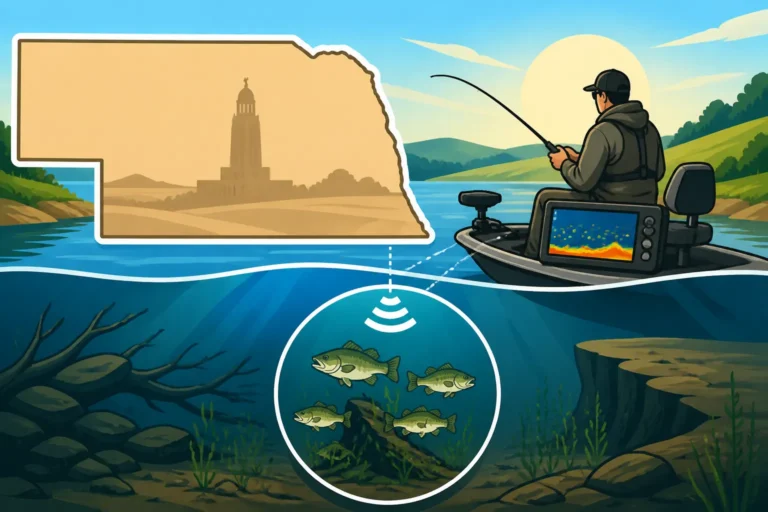
Knowing where bass go when it’s hot is half the battle. They become experts at finding cool, comfortable spots, often referred to as "thermal refuges." These can be incredibly diverse depending on the type of water you’re fishing in Nebraska. In reservoirs like Branched Oak Lake or Harlan County Reservoir, this often means deep water. We’re talking main lake points that drop off quickly, submerged creek channels, deep rock piles, or even the thermocline layer if one has set up in the lake. This layer acts as a barrier, with cooler, more oxygenated water below it, and warmer, less oxygenated water above. Finding this depth can be key to success.
However, deep water isn't their only option. Bass will also gravitate towards dense overhead cover that provides shade and a slight temperature reduction. Think about thick stands of lily pads, dense mats of hydrilla or coontail, flooded timber, or even the shade line cast by docks and bridges. These areas offer not just shade, but also ambush points for baitfish that might venture too close. Understanding these preferences helps narrow down your search, turning a vast, hot lake into a series of manageable, cooler targets. You can learn more about how to find these kinds of structures and patterns by checking out our guide on how to read a fish finder for general fish location.
Prime Time Strategies: Early Morning and Late Evening
While bass might be sluggish during the peak heat of the day, there are distinct windows when they become more active, making them much more catchable. These "prime times" are usually at the bookends of the day when the sun is low and temperatures are at their coolest.
Dawn Patrol: Capitalizing on the Cool Start
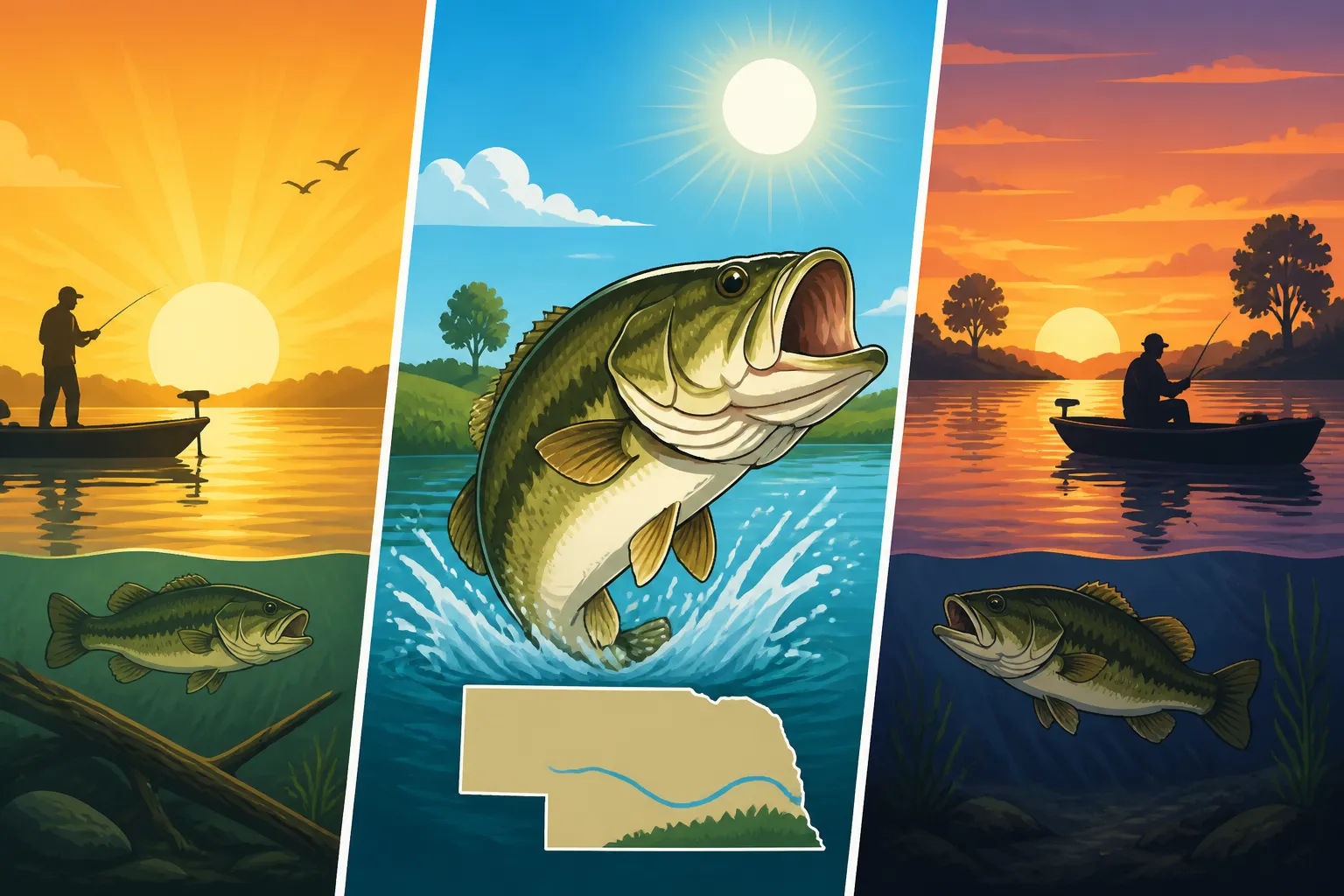
The period right around dawn, from first light until about two or three hours after sunrise, is arguably the best time to target bass in hot weather. Why? Because the air and water temperatures have had all night to cool down, often reaching their lowest point just before the sun crests the horizon. This drop in temperature, even a few degrees, can signal to bass that it’s time to feed. The low light conditions also make them feel safer venturing out from their deep or dense cover to hunt in shallower waters.
During this "dawn patrol," bass will often push baitfish up against the banks, into pockets, or around shallow cover. This is your chance to use reaction baits. Topwater lures are incredibly effective during this period, as bass are more willing to chase and strike at something on the surface. Think walking baits, poppers, or even buzzbaits. The key is to be on the water before the sun is fully up, getting your lines in the water as the light begins to change. A prime example is fishing the shallow coves of Pawnee Lake, casting buzzbaits near emergent vegetation as the first rays of light hit the water. This early start capitalizes on their natural feeding instinct before the heat drives them back into hiding. For more specific lure suggestions, take a look at our guide on the Best Lures for Nebraska Bass.
Twilight Hunt: The Evening Bite
Just as the morning bite is about cooling temperatures, the evening bite, from late afternoon until well after sunset, offers another fantastic opportunity. As the sun dips below the horizon, the intense solar radiation diminishes, and the air begins to cool. While the water won't cool as quickly as the air, the decreasing light triggers a similar feeding response in bass as it does in the morning. They'll again feel more comfortable moving into shallower areas to chase prey.
The evening can be particularly exciting because bass often key in on different types of baits. While topwater can still work, especially as it gets darker, spinnerbaits, chatterbaits, and even crankbaits fished in the mid-depth range become very effective. Bass that have been dormant all day can become quite aggressive in the low light. They might be lurking on the edges of deep structure, waiting for the perfect moment to ambush. A classic scenario might be working a spinnerbait along the riprap banks of Lake Ogallala as the shadows lengthen. This transition time is often overlooked by anglers who pack up too early, missing out on some of the most consistent bites of the day.
Mid-Day Tactics: When You Can't Avoid the Heat
Let's be real, sometimes you can't always get out at dawn or stay until dusk. Life happens, and you find yourself on the water in the middle of a scorching Nebraska summer day. While it's definitely tougher, it's not impossible to catch bass during these peak heat hours. You just need to drastically adjust your approach and focus on where these heat-stressed fish are hiding. This requires patience and a willingness to slow down your presentation.
Deep Water and Structure
When the sun is high and temperatures are at their maximum, bass will retreat to the coolest, most stable environments they can find. This almost always means deeper water, particularly around significant structure. Think about main lake points that extend far out into the lake, humps that rise off the bottom, or submerged brush piles and rock reefs. These areas act as underwater oases, providing both cooler water and often, a convenient ambush point for any unsuspecting baitfish that swim by. Finding these deep structures on Nebraska's larger reservoirs, like Lake McConaughy, is key.
To effectively fish these deep areas, you need baits that can get down there quickly and efficiently. Carolina rigs, Texas rigs, and drop shot rigs are your best friends. These setups allow you to present soft plastics like worms or creature baits right on the bottom or suspended just above it, where lethargic bass are likely to be holding. The bite might be subtle – a light "tick" or just a feeling of pressure – so pay close attention to your line. You're not looking for an aggressive strike; you're trying to tempt a sluggish bass with a slow, easy meal right in its face. For a deeper dive into these presentations, consider our guide on How to Catch Largemouth Bass in Farm Ponds, which often covers similar structure-oriented tactics.
Heavy Cover and Shade
Not all mid-day bass are in deep water. Some will opt for the densest, shadiest cover they can find in shallower areas. This could be thick mats of vegetation like duckweed, lily pads, or submerged hydrilla, or even the shade cast by large docks, bridges, or fallen trees. These spots offer respite from the sun's rays and often have slightly cooler water directly underneath, along with higher oxygen levels due to the photosynthesis of the plants.
Punching through thick mats of vegetation requires specialized gear. You'll need a heavy-action rod, stout braided line (many anglers find brands like PowerPro or Seaguar readily available on Amazon), and heavy tungsten weights (½ ounce to 1 ½ ounce, depending on the thickness of the cover). Your goal is to get your soft plastic bait, like a creature bait or a beaver-style bait, to penetrate the mat and drop into the dark, cool water below. This is a power fishing technique that can yield surprisingly large bass, as these fish aren't easily pressured and often represent the biggest, most dominant fish in the area. Similarly, skipping jigs or Texas-rigged worms way back under boat docks or low-hanging branches in places like Stagecoach Lake can draw strikes from bass that thought they were completely safe from the sun and anglers.
Essential Gear and Bait for Hot Weather Bass
Success in hot weather isn't just about timing and location; it's also about using the right tools for the job. Your choice of gear and bait can significantly impact your catch rate when bass are feeling the heat.
Topwater and Surface Lures
As mentioned earlier, during the low-light periods of early morning and late evening, topwater lures become incredibly effective. The visual appeal of a bait sputtering, walking, or popping on the surface is often irresistible to bass that are actively hunting.
- Walking Baits: Lures like a Heddon Super Spook or a Zara Spook (which you can easily find on Amazon) create a distinctive "walk-the-dog" action that mimics an injured baitfish. This erratic side-to-side motion is highly visible and can draw bass from a surprising distance.
- Poppers: These baits, with their cupped faces, create a "bloop" or "pop" sound when twitched, simulating a struggling insect or small fish on the surface. They are excellent for targeting bass hiding in tight cover or along weed lines.
- Buzzbaits: For an aggressive, noisy presentation, buzzbaits churn the surface, creating a commotion that often triggers vicious strikes. They work best when bass are actively feeding and willing to chase.
The key to topwater success is often patience. Let the ripples from your cast dissipate before starting your retrieve, and experiment with different retrieve speeds and pauses to see what the bass are reacting to on a given day.
Soft Plastics and Jigs
When bass retreat to deeper water or dense cover during the mid-day heat, soft plastics and jigs become the most reliable options. These baits excel at mimicking natural prey that is either slow-moving or hiding in the cover.
- Texas-Rigged Worms/Creature Baits: A classic for a reason. Rigging a plastic worm or creature bait with a bullet weight and an offset hook makes it weedless, allowing you to fish through heavy cover without snagging. This is perfect for punching through mats or fishing brush piles. The slower fall and subtle action are often what it takes to tempt a sluggish bass. You can find a huge variety of these on Amazon, from brands like Gary Yamamoto Custom Baits or Zoom Bait Company.
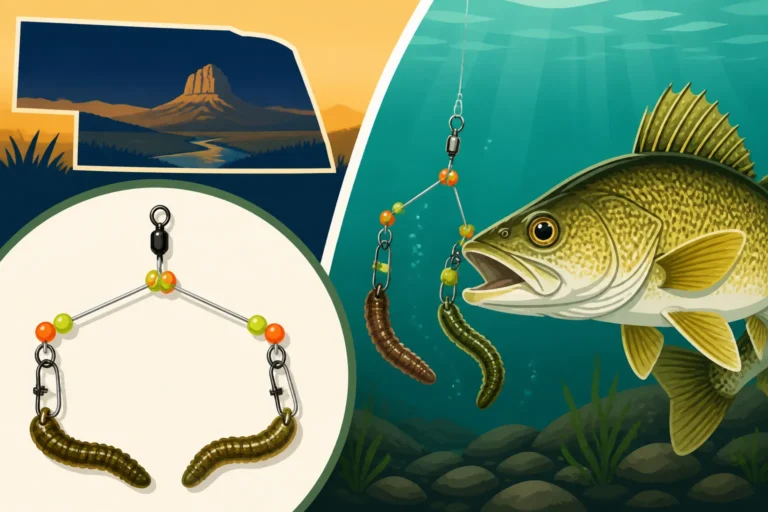
- Carolina Rigs: This rig uses a weight and a swivel separated from the hook by a leader, allowing the bait to float more naturally above the bottom. It’s fantastic for covering deeper structure and fishing points, especially when bass are spread out and not actively chasing.
- Drop Shot Rigs: For a finesse presentation, the drop shot allows you to suspend a small soft plastic bait at a specific depth above a weight. This is incredibly effective for targeting bass that are suspended over deep structure or holding tight to vertical cover. The bait just sits there, quivering with every slight movement of your rod, making it irresistible to cautious bass.
- Jigs (Football Jigs, Flipping Jigs): Jigs, especially those dressed with a craw-style or creature bait trailer, are excellent for imitating crayfish or bottom-dwelling prey. Flipping jigs are ideal for targeting dense cover, while football jigs are perfect for dragging along rocky bottoms and humps in deeper water. Check out our detailed guide on "Best Soft Plastics for Nebraska Bass" for more specific recommendations.
Appropriate Rods and Reels
Your rod and reel setup should match your chosen technique.
- Topwater/Spinnerbaits: A medium-heavy action casting rod (6'6" to 7'3") paired with a high-speed baitcasting reel (7.1:1 gear ratio or higher) is ideal for these reaction baits. The faster reel helps pick up slack quickly for follow-up strikes, and the medium-heavy action provides enough power for hooksets.
- Soft Plastics/Jigs (Finesse): For drop shot or lighter Texas rigs, a medium-heavy spinning rod (6'9" to 7'6") with a sensitive tip is excellent. A 2500-3000 series spinning reel will offer good line capacity and a smooth drag for lighter lines.
- Soft Plastics/Jigs (Heavy Cover): For punching mats or flipping heavy jigs, you'll want a heavy or extra-heavy action casting rod (7' to 7'11") with a high-strength braided line (50-65 lb test). Pair this with a sturdy, high-quality baitcasting reel for the power needed to extract big bass from thick cover. Brands like Shimano and Abu Garcia offer excellent options, often reviewed and sold on Amazon. Remember, the stronger your gear, the more confident you'll be in pulling those big fish out of tough spots. For more information on rod and reel choices, our "Best Baitcasting Reels for Bass Fishing" article has great tips.
By understanding how bass react to hot weather, adjusting your timing, and selecting the right gear and techniques, you can turn those challenging summer days into rewarding fishing experiences across Nebraska's many fantastic bass waters.
Hot Weather Bass Fishing Cheat Sheet
To help you quickly reference the best strategies, here's a handy table summarizing key tactics for hot weather bass fishing in Nebraska.
| Time of Day | Location Focus | Best Lure Types | Key Techniques | Notes |
|---|---|---|---|---|
| Early Morning | Shallow pockets, weed lines, bank edges | Topwaters (Poppers, Buzzbaits, Walkers), Spinnerbaits | Fast retrieve, target low-light ambush points | Be on the water before sunrise, capitalize on cool water |
| Mid-Day (High Sun) | Deep points, humps, submerged channels, dense mats, docks, shade | Heavy Texas Rigs, Carolina Rigs, Drop Shots, Jigs (with trailers) | Slow, methodical presentations, punch thick cover, target structure | Focus on vertical presentations, seek out deepest/thickest cover |
| Late Evening | Shallow to mid-depth coves, riprap, creek channels | Spinnerbaits, Chatterbaits, Shallow/Mid-diving Crankbaits, Topwaters (darker) | Fan casting, retrieve over structure, work transition zones | As sun sets, bass move shallower to feed, low light advantage |
| Overcast Days | Similar to early morning, but can extend shallow bite longer | Spinnerbaits, Chatterbaits, Topwaters, Shallow Crankbaits | Search actively, cover water quickly | Bass are more comfortable in lower light; extended shallow bite |
The Importance of Angler Hydration and Fish Care
While we're talking about the best time to catch bass in hot weather, it's absolutely crucial to remember your own well-being, and that of the fish. These scorching Nebraska summers can be dangerous for anglers and fish alike.
Keeping Yourself Safe in the Heat
You might be focused on the next bite, but heatstroke and dehydration are serious threats. Always carry plenty of water or electrolyte drinks. Wear light-colored, breathable clothing, preferably with UPF protection. A wide-brimmed hat and polarized sunglasses are also non-negotiable. Reapply sunscreen frequently. If you're out on the water in a kayak, for example, remember that the sun reflects off the water, intensifying its effects. Take breaks in the shade if you can, and don't push yourself if you start feeling dizzy, nauseous, or excessively fatigued. Your fishing adventure isn't worth risking your health.
Responsible Fish Handling in Hot Water
Just like you, bass struggle in the heat. When water temperatures are high, their oxygen intake is already stressed. If you catch a bass and spend too much time handling it out of the water, especially in direct sunlight, you significantly reduce its chances of survival. Always prioritize the fish's well-being.
Have your camera ready before you even bring the fish in. Minimize its time out of the water – literally seconds, not minutes. Use a large, wet landing net to keep the fish partially submerged while you remove the hook. If you plan to release the fish, avoid laying it on hot surfaces. Consider using a de-hooker tool to quickly and cleanly release fish without excessive handling. If the water temperature is extremely high (above 85 degrees Fahrenheit), it might be best to limit your fishing or switch to catch-and-release only if absolutely necessary. Even better, consider simply not targeting bass during the hottest parts of the day. A quick read of our guide on How to Handle Fish in Hot Summer Water will give you more essential tips for ensuring a healthy release.
Disclaimer
Fishing regulations, conditions, and fish behavior can change. Always consult the latest Nebraska Game and Parks Commission regulations before fishing. This guide is for informational purposes only and does not guarantee fishing success.