How to Use a Crawler Harness for Walleye
For many of us who love chasing walleye across Nebraska’s vast reservoirs and quiet lakes, there's a constant quest for that one technique that consistently puts fish in the boat. Walleye can be incredibly finicky, making it frustrating when they seem to ignore everything you throw at them. This comprehensive guide will pull back the curtain on one of the most tried-and-true methods for targeting these elusive fish: the humble, yet highly effective, crawler harness.
Understanding the Walleye's Appeal and Behavior
Walleye are more than just a fish; for many anglers in Nebraska, they represent a true angling challenge and a delicious reward. Their reputation for being tricky to catch is well-earned, but it's precisely this challenge that makes landing a nice walleye so satisfying.
Why Walleye are a Prized Catch in Nebraska
Let's be honest, there's nothing quite like the solid thud of a walleye hitting your line. Here in Nebraska, walleye are revered not just for their challenging fight but also for their incredibly flaky, white meat that graces many a dinner table. They're a staple species in many of our best fishing spots, from the sprawling expanse of Lake McConaughy to the quiet, clear waters of Merritt Reservoir. Anglers flock to these lakes during prime seasons, dedicating hours to deciphering the walleye's mood. They don't jump and thrash like a bass, nor do they fight with the brute force of a big catfish, but their subtle strikes and determined, head-shaking dives are a unique thrill. Plus, mastering the art of walleye fishing often feels like earning a degree in angling, given how much thought and precision it requires. If you're looking for more general insights, our guide on how to fish for walleye in Nebraska offers a great starting point.
Walleye Feeding Habits and Habitat Preferences
To effectively use a crawler harness, you first need to think like a walleye. These fish are primarily ambush predators, with large, light-sensitive eyes that give them a distinct advantage in low-light conditions. This means they're often most active during dawn, dusk, cloudy days, or at night. During brighter conditions, they tend to retreat to deeper water or cling tightly to structure where shadows provide cover.
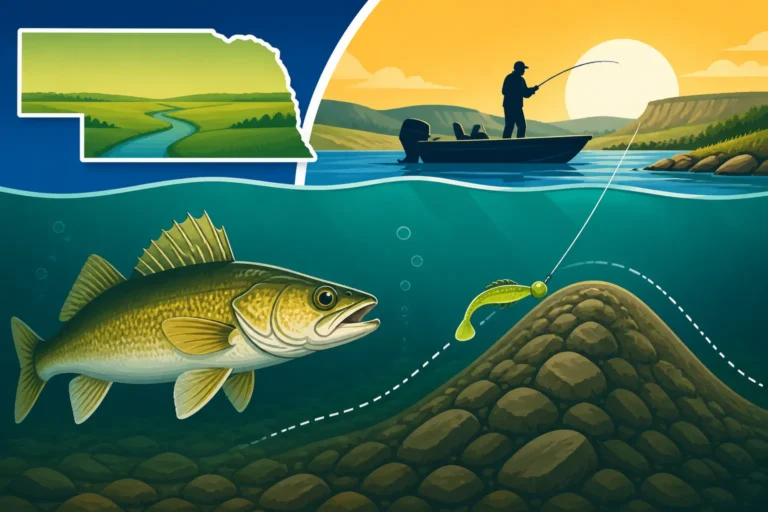
They love structure – anything that offers an edge, a hiding spot, or a break in the current. Think submerged humps, long tapering points, rocky ledges, weed lines, and even old river channels. They'll often position themselves at the base or along the sides of these structures, waiting for an unsuspecting baitfish or insect to swim by. This behavior is precisely why a slow, subtle presentation like a crawler harness is so effective; it allows you to cover these structural elements meticulously, putting a tempting snack right in front of their faces. Understanding the nuances of their behavior is key to unlocking consistent success, especially when considering the Best Time of Day to Catch Walleye in Nebraska.
What Exactly is a Crawler Harness?
A crawler harness, often simply called a "harness" or "worm harness," is a fishing rig designed to present a live nightcrawler in a highly enticing manner. It's a classic walleye catcher, and for good reason.
Deconstructing the Components of a Crawler Harness
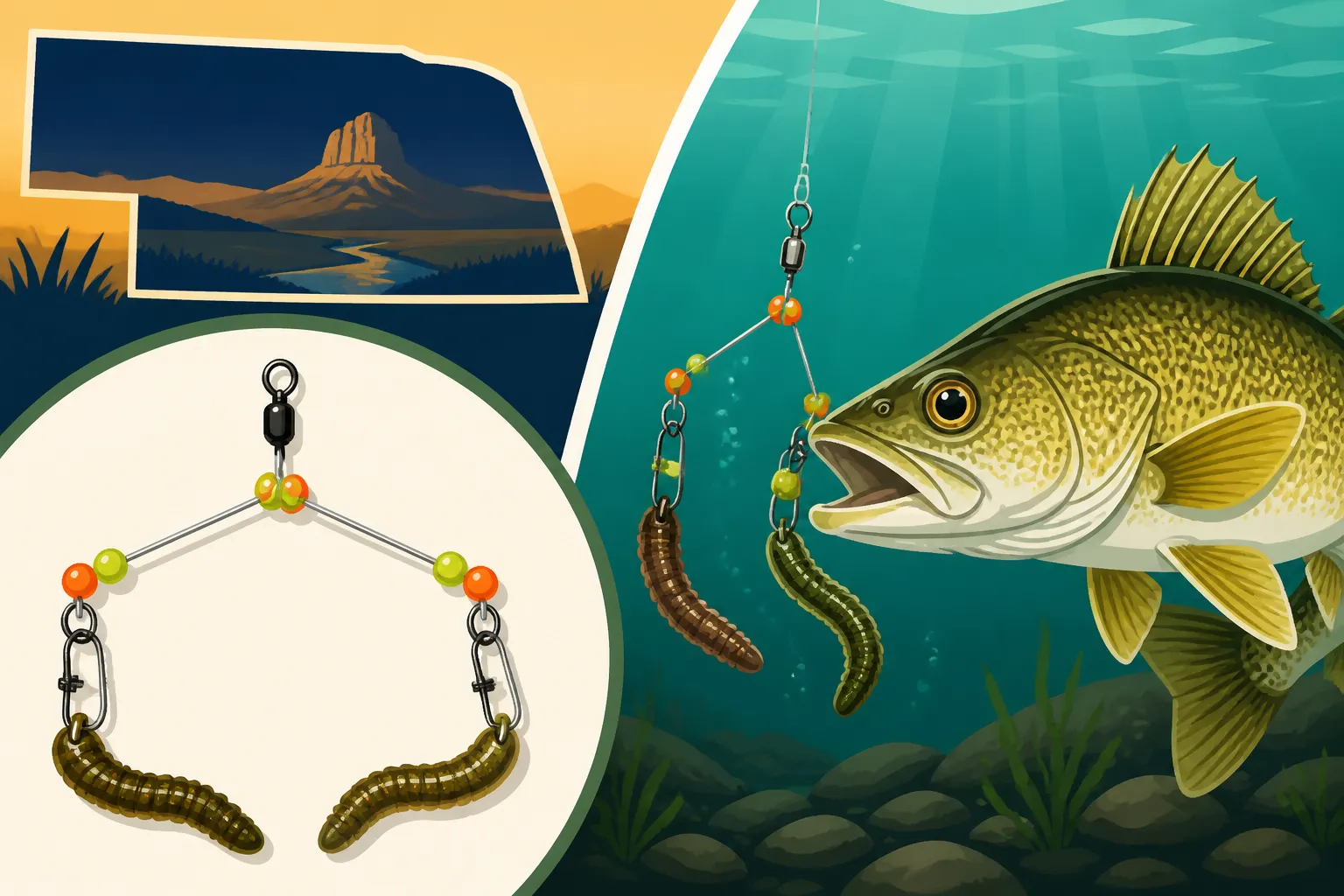
At its core, a crawler harness consists of several key elements, all working together to create an irresistible offering:
- Leader Line: This is typically a monofilament or fluorocarbon line, usually 15 to 36 inches long, ranging from 10 to 17-pound test. The length can vary based on water clarity and how aggressive the fish are. In clear Nebraska waters, a longer leader might be more effective to keep your weight further from the bait.
- Clevis: This small metal or plastic piece attaches the blade to the leader. It allows the blade to spin freely, creating flash and vibration.
- Beads: Usually brightly colored plastic or glass, these beads are strung on the leader, sitting between the clevis and the hooks. Their primary purpose is to create spacing, cushion the blade, and add visual attraction. Different colors can be more effective on certain days, so it's good to experiment.
- Blade: This is arguably the most critical component. The spinning blade is what creates the flash and vibration that mimic an injured baitfish or attracts attention from a distance. Blades come in various shapes and sizes, each with a unique action:
- Colorado Blades: Round and cupped, these blades produce a wide wobble and maximum vibration, even at slow speeds. They're excellent in stained or dirty water where vibration is key, or when you need to slow down your presentation considerably.
- Indiana Blades: A hybrid between Colorado and Willowleaf, these offer a good balance of flash and vibration. They're versatile and a great all-around choice for many conditions.
- Willowleaf Blades: Long and slender, these blades create less vibration but maximum flash, spinning quickly. They're ideal for clear water, faster trolling speeds, or when walleye are actively chasing bait.
- Hooks: Most harnesses feature two or three snelled hooks, typically Aberdeen or Octopus style, spaced appropriately to cover the length of a nightcrawler. The hooks are designed to hold the crawler securely while allowing it to trail naturally. The number of hooks can vary, but generally, fewer hooks mean less resistance and a more natural presentation, while more hooks might increase hook-up ratios on short bites.
Many anglers prefer to buy pre-tied crawler harnesses from brands like Northland Fishing Tackle or Lindy, widely available at local tackle shops or online retailers like Amazon. However, tying your own allows for customization of blade color, size, bead pattern, and hook spacing, which can be a game-changer on tough days.
Why the Crawler Harness is So Effective for Walleye
The genius of the crawler harness lies in its multi-sensory appeal. It combines several irresistible elements that walleye simply can't ignore:
- Scent: A live nightcrawler is a natural food source for walleye. The harness presents this natural bait, allowing its inherent scent trail to disperse in the water, drawing fish in from a distance. It's tough to beat the natural appeal of live bait.
- Flash: The spinning blade continuously flashes as it moves through the water, mimicking the glint of a baitfish's scales. This visual cue often triggers a predatory instinct in walleye, especially in clear water or during brighter conditions.
- Vibration: The blade's rotation also creates subtle vibrations in the water. Walleye have an incredibly sensitive lateral line system, allowing them to detect these vibrations from surprisingly far away. This is particularly effective in stained or murky water where visibility is reduced, or during low-light periods when visual cues are less prominent.
- Action: When rigged correctly, the nightcrawler will undulate and twist behind the spinning blade, creating a lifelike swimming motion that looks like an easy meal. This combination of natural bait and artificial attraction is a potent one for walleye.
It's this versatility and combination of appeals that makes the crawler harness such a productive tool for covering water and triggering strikes, especially when fish are spread out or not actively feeding on faster-moving lures.
Essential Gear for Fishing a Crawler Harness in Nebraska
While the crawler harness itself is fairly straightforward, the surrounding gear can significantly impact your success, especially when you're dealing with the varied conditions of Nebraska's waters.
Rods, Reels, and Line for Harness Fishing
Having the right setup makes all the difference, allowing you to detect subtle bites and effectively fight a walleye.
- Rods: For trolling or drifting with a crawler harness, a medium-light to medium power rod with a moderate or moderate-fast action is ideal. A length of 7 to 8 feet is generally preferred. The longer length helps absorb shock, provides a wider sweep for setting the hook, and makes it easier to keep multiple lines spread out without tangling, especially if you're fishing from a boat. The moderate action allows the rod tip to bend and load up gently, letting a walleye mouth the bait without feeling too much resistance. Brands like St. Croix or Fenwick offer excellent walleye-specific trolling rods. If you're just starting, check out some options for the Best Rod and Reel Combo for Beginners in Nebraska that might include suitable rods.
- Reels: Both spinning and baitcasting reels can be used, but many anglers prefer baitcasting reels, particularly low-profile models, for trolling. They offer better control for precise depth adjustments and line retrieval, especially when paired with a line counter. A reel with a smooth drag system is crucial for handling hard-fighting walleye. For those who prefer spinning gear, a medium-sized spinning reel (2500-3000 series) with a good retrieve rate works well.
- Line:
- Main Line: 10-15 pound monofilament is a popular choice for its stretch, which acts as a shock absorber. However, many seasoned anglers are switching to 10-20 pound braided line for its no-stretch sensitivity, allowing them to feel even the lightest taps. If using braid, a fluorocarbon leader is almost always necessary to provide invisibility and some abrasion resistance.
- Leader Material: For the harness itself, 10-17 pound fluorocarbon line is excellent. Its low visibility under water makes it virtually undetectable to wary walleye, and its abrasion resistance helps against toothy fish or underwater snags. Many pre-tied harnesses, including those you can find on Amazon, come with fluorocarbon leaders.
Weights, Boards, and Other Accessories
To present your crawler harness at the right depth and location, you'll need a few extra pieces of tackle.
- Bottom Bouncers: These are perhaps the most common and effective weights for fishing crawler harnesses. Bottom bouncers are L-shaped wire weights that minimize snags while keeping your bait just off the bottom. They come in various weights (½ oz to 3 oz), and the weight you choose depends on depth, speed, and current. The general rule of thumb is to use just enough weight to maintain a 45-degree angle on your line as you troll or drift, ensuring your harness is always in the strike zone.
- Snap Weights or Inline Weights: When walleye are suspended off the bottom, or you're trolling in deeper water without constantly hitting bottom, snap weights (like those from Off Shore Tackle) or inline weights can be attached to your main line at a desired distance from your harness. This allows you to reach specific depths without using a heavy bottom bouncer.
- Planer Boards: If you're fishing from a boat and want to cover a wider swath of water or get your baits away from the boat's disturbance, planer boards are invaluable. These small buoyant boards clip to your line and pull your lure out to the side as you troll. They're particularly useful on wide-open reservoirs like Lake McConaughy or Lewis and Clark Lake. For those interested in expanding their boat's capabilities, exploring the Best Trolling Motors for Nebraska Boats can enhance your harness fishing experience.
- Line Counter Reels: These specialized reels have a small digital or mechanical counter that tells you exactly how much line you have out. This is incredibly helpful for repeating successful presentations and ensuring you're at the correct depth.
- Drift Socks/Sea Anchors: When drifting with the wind, especially in large reservoirs, drift socks or sea anchors can be deployed to slow your boat's speed and control your drift direction. This allows your crawler harness to present more naturally and spend more time in the strike zone.
Here's a quick comparison of popular blade types for crawler harnesses:
| Blade Type | Shape | Vibration | Flash | Ideal Speed Range | Best Conditions | Notes |
|---|---|---|---|---|---|---|
| Colorado | Round, Cupped | High | Medium | Very Slow to Slow | Stained/Murky Water, Low Light, Cold Water | Most "thump," great for enticing reluctant fish |
| Indiana | Oval, Slightly Cupped | Medium | Medium-High | Slow to Medium | All-around versatile, good for most scenarios | Balanced action, a reliable choice |
| Willowleaf | Long, Slender | Low | High | Medium to Fast | Clear Water, Bright Sun, Aggressive Fish | Mimics fleeing baitfish, minimal drag |
Mastering the Technique: How to Fish a Crawler Harness
Once you have your gear sorted, it's time to put it all together on the water. The devil, as they say, is in the details when it comes to finesse techniques like harness fishing.
Rigging Your Nightcrawler Properly
This step is crucial for a natural presentation and a good hook-up ratio. A poorly rigged crawler will spin unnaturally and deter wary walleye.
- Choose a Fresh Crawler: Start with a lively, firm nightcrawler. Keep them cool in a crawler cabinet or a cooler with ice, ideally with some worm bedding to keep them healthy. You can often find excellent worm bedding and crawlers at local bait shops.
- Hooking the First Hook: Take the lead hook of your harness and gently thread it through the very tip of the nightcrawler's head, just enough to secure it. Some anglers like to go through the nose, others just behind the collar. The key is to leave plenty of crawler length for the remaining hooks.
- Spacing the Remaining Hooks: This is where the magic happens. The goal is for the crawler to stretch out naturally behind the blade without bunching up or spinning.
- Take the second hook and lightly pierce the crawler about 1-2 inches down from the first hook. Don't thread it deep; just enough to hold.
- If you have a third hook, repeat the process, spacing it another 1-2 inches down.
- The tail of the nightcrawler should be left free to wiggle and undulate naturally. This free movement is a huge draw for walleye.
- Check the Spin: Before you drop it in the water, hold your rigged harness up and give it a gentle pull, simulating its movement through the water. The crawler should stretch out fairly straight with the tail gently waving. If it's corkscrewing or spinning wildly, re-adjust your hooks. This often means your hooks are too deep or unevenly spaced.
Keeping your nightcrawlers fresh is paramount. Consider bringing a small cooler with ice, or using a dedicated worm box that keeps them cool and provides good aeration. A healthy, lively crawler is always more appealing.
Presentation: Trolling and Drifting Strategies
Now that your crawler is perfectly rigged, it's time to get it in front of the walleye.
Trolling with a Crawler Harness
Trolling is the most common and effective way to fish a crawler harness, especially on larger bodies of water like Lake McConaughy or Branched Oak Lake.
- Speed is Key: Walleye respond to subtle movements, so slow and steady wins the race. An ideal trolling speed for crawler harnesses is typically between 0.8 and 1.5 miles per hour. This speed allows the blade to spin correctly and the nightcrawler to undulate naturally. Watch your fish finder and GPS to maintain consistent speed. Varying your speed slightly can sometimes trigger bites, so don't be afraid to experiment.
- Contour Trolling: Instead of just motoring in a straight line, focus on trolling along structure. Follow depth contours, especially around points, humps, and drop-offs. Walleye will often hold on the edges of these structures. Making subtle turns or S-curves will cause your harness to speed up and slow down, rise and fall, which can often provoke a strike from a following fish.
- Depth Control: Your bottom bouncer is your best friend here. Let out enough line so your bottom bouncer is making occasional contact with the lakebed. You should feel a slight "thump" or "tick" as it bounces along. This ensures your harness is riding just inches off the bottom, where walleye are often looking for food. Use a line counter reel to precisely repeat successful depths.
- Feeling the Bite: Walleye bites on a crawler harness can be incredibly subtle. Sometimes it's a light tap, other times it feels like your bottom bouncer just got heavier, or your rod tip will simply load up. Resist the urge to yank immediately. Instead, often a slight pause or a gradual sweep of the rod forward will allow the walleye to fully inhale the bait before you set the hook with a firm, sweeping motion.
Drifting with a Crawler Harness
Drifting can be incredibly effective when you're targeting specific areas or when wind conditions allow for a natural presentation. This is especially good for spots like Merritt Reservoir where contours are key.
- Utilizing the Wind: Let the wind do the work! Position your boat upwind of the area you want to fish and let the breeze push you across. This passive approach can be incredibly natural.
- Controlling Your Drift: Too fast a drift will cause your bait to rise off the bottom and look unnatural. This is where drift socks come in handy. Deploy one or two off the bow or stern (depending on wind direction and desired boat angle) to slow your boat down to that ideal 0.8-1.5 mph range.
- Structure Fishing: Just like trolling, focus your drifts over prime walleye holding areas. If you get a bite, mark your spot on your GPS and make another pass over the same area.
- Active Drifting: Even while drifting, don't just put your rod in a holder. Hold the rod, keeping your line tight enough to feel your bottom bouncer ticking along. This "active" drifting allows you to respond quickly to bites and adjust your presentation.
Key Locations and Conditions in Nebraska
Knowing where and when to present your crawler harness will greatly improve your chances of success in Nebraska's diverse waters.
- Main Lake Points and Humps: These are classic walleye magnets. Walleye will cruise up and down the slopes of points and humps, especially where they drop off into deeper water. Troll or drift right along these contours.
- Weed Lines: The edges of submerged weed beds offer excellent cover and ambush points for walleye. Troll your harness just outside the deepest edge of the weeds.
- Transition Areas: Walleye often gather where different bottom types meet – say, rock to mud, or sand to gravel. These changes in substrate provide different food sources and habitat, making them prime targets.
- River Channels: In reservoirs that inundate old river channels (like parts of Lake McConaughy), walleye will often relate to the deep bends and edges of these channels.
- Optimal Seasons: Crawler harnesses shine from late spring through early fall.
- Late Spring: After the spawn, walleye are hungry and moving onto feeding flats and structure. This is an excellent time to cover water with a harness.
- Summer: As waters warm, walleye often move deeper to find cooler temperatures. Trolling deep points and humps with harnesses is incredibly productive during the heat of summer.
- Early Fall: As water temperatures begin to drop, walleye feed aggressively in preparation for winter. They can often be found in similar locations as summer, but might be shallower during low light.
- Time of Day: As mentioned, walleye have light-sensitive eyes. Dawn, dusk, and overcast days are prime times for crawler harness fishing. On bright, sunny days, target deeper water or areas with significant shade. If you're really delving into their habits, exploring Nebraska Fishing Seasons Explained will give you an even broader picture.
- Wind and Current: Don't shy away from wind. A moderate chop on the water surface breaks up light penetration, often making walleye more active and less spooky. Wind also creates current, which can position walleye in predictable feeding lanes. Just be sure to control your boat speed with drift socks or your trolling motor. While crawler harnesses are less common in the strong currents of rivers like the Platte River, they can still be effective in slower pools or backwaters.
Remember, every day on the water is a learning experience. Pay attention to what's working – blade colors, trolling speeds, depths – and don't be afraid to change things up until you find the pattern that the walleye are on. Utilizing a good fish finder to locate structure and baitfish, and to confirm depths, will significantly increase your success. Our guide on how to read a fish finder for walleye can be a valuable resource here.
Disclaimer
Fishing regulations, license requirements, and local conditions in Nebraska can change. Always check the latest Nebraska Game and Parks Commission regulations before heading out. The information provided in this guide is for general informational purposes only and should not be considered a substitute for official rules and safety guidelines.