Best Nebraska Lakes for Northern Pike
Many anglers hitting Nebraska's vast waters are focused on walleye or catfish, often overlooking the thrilling challenge of chasing Northern Pike. But if you've been frustrated trying to find consistent action with these aggressive, toothy predators, you're in the right place. This comprehensive guide will pull back the curtain on the best Nebraska lakes where Northern Pike not only survive but truly thrive, giving you the insider knowledge to plan your next successful pike pursuit.
Understanding Northern Pike in Nebraska Waters
Northern Pike are a formidable species, recognized for their aggressive strikes, impressive size, and, of course, those formidable teeth. While Nebraska might not be the first state that comes to mind when you think of pike fishing, we have some fantastic waters that consistently produce impressive specimens. Getting to know their habits and preferred environments is the first step toward finding them.
The Elusive Predator of Nebraska's Lakes
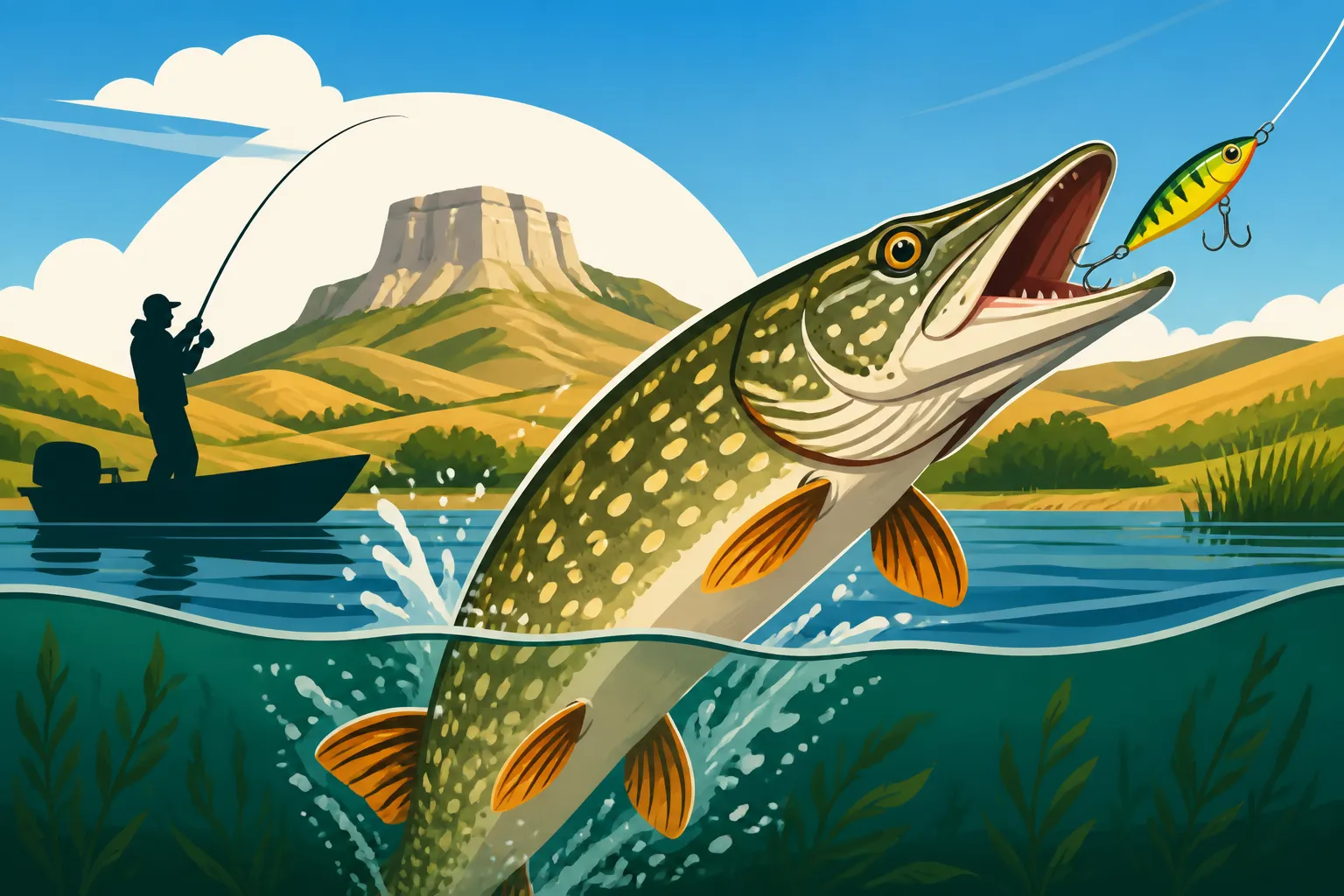
Pike are unmistakable with their long, slender bodies, duck-bill shaped mouths full of razor-sharp teeth, and distinctive spotted patterns. They are apex predators in most of the waters they inhabit, meaning they're at the top of the food chain, always on the hunt for their next meal. This makes them incredibly exciting to target because when a pike hits, you know it! Their powerful runs and head shakes are legendary, offering an exhilarating fight that sets them apart from the more subtle bites of a walleye or crappie. Many local anglers consider them a prized catch, not just for their fighting spirit but also for their impressive size potential. They can be challenging to locate consistently, which only adds to the reward when you finally hook into a big one.
Ideal Pike Habitat and Preferences
To consistently catch Northern Pike, you need to think like one. These fish are ambush predators, meaning they prefer to lie in wait, hidden, ready to dart out and strike unsuspecting prey. This behavior dictates their preferred habitat. Look for waters with ample submerged vegetation – think thick weed beds, lily pads, and cattails along the shoreline. These areas provide both cover for ambushing and cooler water temperatures during warmer months.
Beyond vegetation, pike are also drawn to structural elements. Submerged timber, rock piles, drop-offs, and points can all hold pike, especially if they create an edge where baitfish congregate. In Nebraska, many of our reservoirs have these features, making them prime pike territory. They also prefer cooler, clearer water, so during the peak of summer, they might move to deeper, cooler sections of a lake, only to return to the shallower, weedier flats during spring and fall. A strong forage base is also critical; lakes teeming with perch, shad, or smaller panfish are likely to hold healthy populations of pike, as these are their primary food sources.
Top Nebraska Lakes for Northern Pike Action
Nebraska boasts a handful of excellent lakes where Northern Pike flourish, offering anglers a legitimate chance at these hard-fighting fish. While they might not be in every pond, the following reservoirs consistently rank high for pike production.
Box Butte Reservoir: A Panhandle Pike Haven
Nestled in Nebraska's scenic Panhandle, near Hemingford, Box Butte Reservoir has earned a stellar reputation among pike enthusiasts. It’s one of the state's most reliable destinations for these toothy critters, and for good reason. The reservoir offers an excellent blend of ideal pike habitat: clear, cool water with abundant weed beds, especially in its shallower bays and along its diverse shoreline. This aquatic vegetation provides perfect ambush points and cover for pike, allowing them to thrive.
Box Butte also benefits from a robust forage base, including yellow perch and various suckers, which are favored food items for growing pike. The Nebraska Game and Parks Commission regularly monitors and manages the fishery here, ensuring a healthy population. Anglers often report catching pike in the 25 to 35-inch range, with legitimate opportunities for fish pushing past 40 inches and occasionally nearing the state record. Access is generally good, with several boat ramps and ample shoreline fishing opportunities. For those looking to maximize their chances, especially if it's your first time on the lake, checking resources like FishingBooker can help you connect with local guides who are intimately familiar with Box Butte's pike patterns and hotspots.
Merritt Reservoir: Sandhills Gem for Large Pike
Deep within the stunning Sandhills region, near Valentine, lies Merritt Reservoir, another exceptional destination for Northern Pike. This large, sprawling lake is famous for its clear, cool waters, extensive weed beds, and numerous submerged structures. Merritt's sheer size and complexity mean it holds a diverse range of fish species, including a healthy population of sizable pike. Anglers here often target the northern and western arms of the reservoir, particularly around the Gracie Creek and Snake River inlets, where submerged timber and dense vegetation provide prime pike territory.
What sets Merritt apart is its potential for truly large, trophy-class pike. While you'll catch plenty of respectable fish, the chance to hook into a pike weighing over 15 pounds is a real possibility here. The challenges of navigating a larger body of water like Merritt can be overcome with good planning and perhaps by consulting local experts. Many anglers find success exploring the deep weed lines and points. If you're planning a trip, be sure to consult a detailed Merritt Reservoir Fishing Guide to get the most out of your experience.
Lake McConaughy: The Big Mac and Its Pike Potential
When people think of Lake McConaughy, or "Big Mac" as it's affectionately known, walleye usually come to mind. However, this massive reservoir near Ogallala also harbors a significant, though often overlooked, population of Northern Pike, including some true giants. Its vastness, diverse underwater topography, and immense forage base of gizzard shad and various perch make it a suitable, albeit challenging, environment for pike.
Pike in Lake McConaughy tend to be found in specific areas, often relating to the shallower bays, particularly in the spring and fall when water temperatures are more favorable. Look for submerged vegetation in the arms of the lake or near the confluence of inflowing rivers. The sheer size of McConaughy means that finding pike can be like finding a needle in a haystack if you don't know where to start. However, anglers who consistently target these areas often report incredible success, landing pike that can easily exceed 40 inches. Utilizing platforms like FishingBooker can be incredibly beneficial here, as many guides specializing in Lake McConaughy are equipped to target multiple species and can offer insights into pike locations and techniques that might not be obvious to the casual angler. For a broader understanding of this incredible fishery, you might also want to check out the detailed Lake McConaughy Fishing Guide.
Other Notable Pike Waters
While Box Butte, Merritt, and Lake McConaughy are typically the headliners for pike fishing in Nebraska, other waters can offer good opportunities, especially in the Sandhills region. Smaller, deeper Sandhills lakes that possess good aquatic vegetation and a healthy forage base can sometimes surprise anglers with robust pike populations. However, these are often less consistent than the major reservoirs listed above. For a comprehensive overview of Nebraska's fishing landscape, you can always refer to our guide on the Best Places to Fish in Nebraska.
| Lake | Primary Pike Size Range | Best Time of Year | Key Features for Pike | Typical Depths Targeted |
|---|---|---|---|---|
| Box Butte Reservoir | Medium (25-35") to Large | Spring (April-May), Fall (Sept-Oct) | Extensive weed beds, clear water, strong perch forage | 5-15 feet |
| Merritt Reservoir | Large (30-40"+), Trophy Potential | Spring (April-June), Fall (Sept-Nov), Early Summer | Deep, clear water, vast weed beds, river arms, timber | 10-30 feet |
| Lake McConaughy | Large (30-40"+), Trophy Potential | Spring (April-May), Fall (Oct-Nov) | Large bays, diverse structure, immense shad forage | 5-25 feet |
Proven Techniques and Gear for Nebraska Pike
Chasing Northern Pike is an active form of fishing that requires specific gear and tactics. Their aggressive nature means they'll often hit hard, but their sharp teeth require thoughtful preparation to ensure both a successful catch and a safe release.
Essential Gear for Northern Pike
When it comes to tackle, don't skimp on strength when targeting pike. You'll want a medium-heavy to heavy power fishing rod, typically between 6'6" and 7'6" in length, with a fast action tip. This setup provides the backbone needed to cast larger lures and handle powerful strikes, while the fast action allows for quick hook sets. Paired with this, a robust baitcasting reel or a larger spinning reel with a smooth, reliable drag system is crucial. Pike make strong runs, and a good drag will prevent snapped lines and lost fish.
The most critical component, perhaps, is your line and leader setup. Pike are notorious for their dental work, which can easily sever standard monofilament or fluorocarbon line. Therefore, a wire or heavy fluorocarbon leader (at least 80-100 lb test) is non-negotiable. Many anglers use a 20-30 lb braided main line for its strength and sensitivity, tied to a quality leader. Beyond the rod and reel, always carry a large landing net, sturdy long-nosed pliers, and a jaw spreader. These tools are absolutely essential for safely landing, unhooking, and releasing these toothy fish, protecting both you and the pike. For a more general guide to outfitting yourself, check out Best Fishing Gear for Nebraska Anglers.
Best Lures and Baits
Pike are opportunistic eaters, and their aggressive nature means they'll strike a wide variety of presentations. When choosing lures, think big and flashy. Classic spoons like the Red & White Daredevil or the Five of Diamonds are perennially effective, mimicking injured baitfish with their wobbling action. Large crankbaits, especially those with aggressive waddles or those designed to dive to various depths, are also deadly. Brands like Rapala, Strike King, and Livingston Lures offer excellent options.
Spinnerbaits with large, thumping blades (Colorado or Indiana blades) are fantastic for fishing through weeds and eliciting reactionary strikes. Soft plastics, particularly large swimbaits or tube jigs, can also be highly effective when rigged appropriately. If you prefer live bait, large shiners, suckers, or even small perch can be irresistible to pike, fished under a bobber or on a quick-strike rig. However, always check the Nebraska Fishing Regulations Explained for specific bait regulations for the water body you are fishing. Matching the prevalent forage in the lake you're fishing often leads to the best results.
Seasonal Strategies and Retrieval Tips
Pike fishing can be productive throughout the open-water season in Nebraska, but knowing their seasonal movements can significantly improve your success.
- Spring: After ice-out and post-spawn, pike will often be found in shallower bays and flats, soaking up warmer water and actively feeding. They'll be aggressive and responsive to faster retrieves and flashy lures.
- Summer: As waters warm, pike tend to retreat to deeper weed lines, submerged structures, or cooler main lake basins. Early mornings and late evenings are often the most productive times. Consider slower retrieves and presentations that hover just above or within cover.
- Fall: This is often considered prime pike time. As water temperatures drop, pike embark on a feeding frenzy to bulk up for winter. They'll move back into shallower areas, especially around prime ambush points like weed edges and points. Larger baits and aggressive retrieves are often the ticket. You can learn more about specific timing in the Nebraska Fishing Season Dates and Limits guide.
When retrieving, don't be afraid to experiment. Pike often respond well to erratic movements – sudden pauses, quick jerks, and changes in speed can trigger a strike. Always perform a "figure eight" motion with your lure next to the boat before lifting it out of the water. Many pike will follow a lure all the way to the boat and strike at the last second. Remember, if you're struggling to crack the code on a specific lake or season, consider booking a trip through FishingBooker; a local guide's expertise can be invaluable.
Regulations and Conservation for Sustainable Pike Fishing
Fishing for Northern Pike in Nebraska is an incredible experience, but it's important to participate responsibly to ensure these exciting fish remain a vibrant part of our fisheries for generations to come. Understanding and adhering to regulations, as well as practicing ethical angling, are key components of this.
Understanding Nebraska's Pike Regulations
Before you even cast your first line for Northern Pike, it is absolutely essential to familiarize yourself with the current Nebraska fishing regulations. The Nebraska Game and Parks Commission sets specific rules for different species and often for individual water bodies. For Northern Pike, these regulations typically include daily bag limits and length limits. A daily bag limit specifies the maximum number of pike you can keep in a single day, while length limits might mandate a minimum size for keeping fish or even a slot limit (where fish within a certain size range must be released).
For instance, some lakes might have a more restrictive limit to protect larger, spawning fish. These regulations can change annually, so always consult the latest official Nebraska Fishing Regulations Explained booklet or the Nebraska Game and Parks website. Ignoring these rules can lead to significant penalties, including fines and the loss of fishing privileges. Remember, these rules are in place to manage fish populations sustainably. It's also worth noting that purchasing a Nebraska Fishing License Guide and the associated Nebraska Aquatic Habitat Stamp Explained contributes directly to the conservation efforts that keep these fisheries healthy.
Responsible Angling and Pike Handling
Pike are tough fish, but responsible angling practices are crucial for their survival, especially if you intend to practice catch and release. Minimizing stress and injury is paramount. Because of their sharp teeth and aggressive nature, improper handling can cause significant harm to the fish or lead to angler injury.
Always use a large, rubberized landing net to safely secure the fish once hooked. Avoid bringing the fish directly onto dry ground or boat flooring, as this can strip away their protective slime coat. Once in the net, use your long-nosed pliers and jaw spreader to carefully remove the hook. If the hook is deeply set, consider cutting the line rather than attempting to rip the hook out, which can cause internal damage. Support the fish horizontally with two hands (one under the head, one under the tail) if you wish to take a quick photo. Never hold a pike vertically by the gills or jaw if you plan to release it, as this can severely damage its spine and internal organs. Release the fish gently back into the water, allowing it to swim off on its own power. You can learn more about proper fish handling in our guide on How to Release a Fish Safely to Survive. By following these guidelines, you ensure that the pike you catch today can grow larger and provide a thrilling experience for another angler tomorrow.
Disclaimer
Please remember that fishing conditions, regulations, and fish populations can change. Always consult the latest official Nebraska Game and Parks Commission regulations before heading out. This guide is for informational purposes only and does not replace official state guidelines.