Are Gar Good to Eat From Nebraska Waters?
Nebraska gar offer surprising culinary potential despite rough fish stigmas, tough armor scales, and water quality concerns.
Know what’s on the line.
Gamefish and panfish profiles — identification, behavior, feeding habits, and species-specific strategies for every catch.
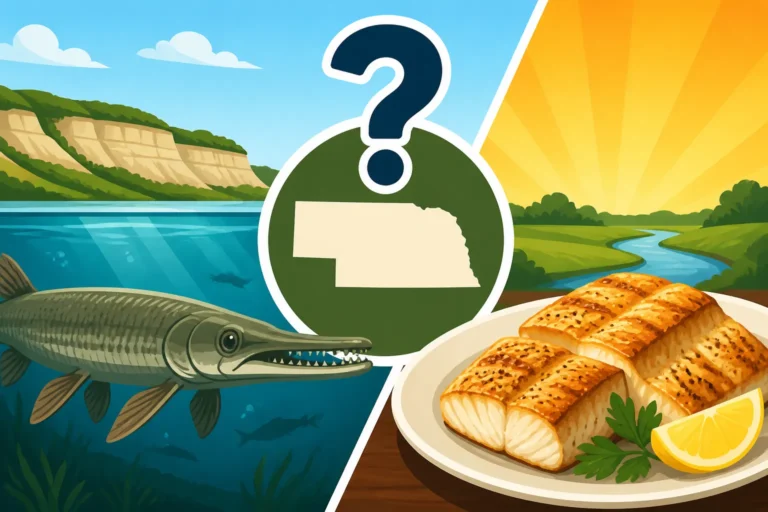
Nebraska gar offer surprising culinary potential despite rough fish stigmas, tough armor scales, and water quality concerns.
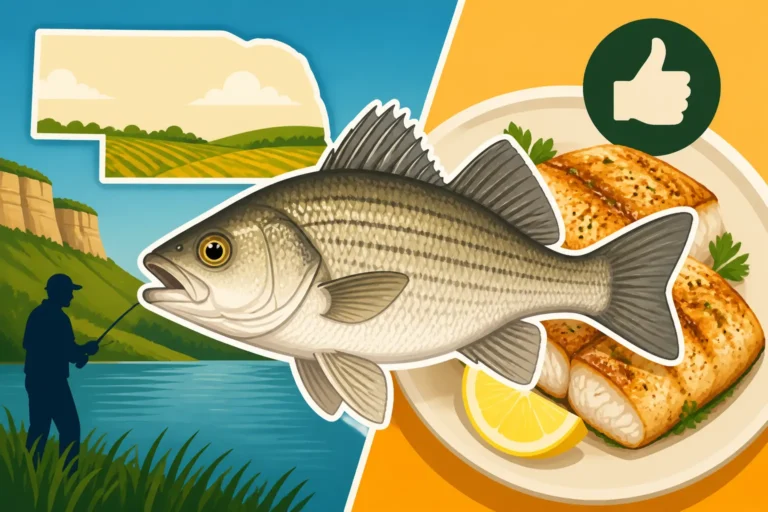
Freshwater drum identification and edibility details explain whether this Nebraska river bottom dweller makes good table fare.
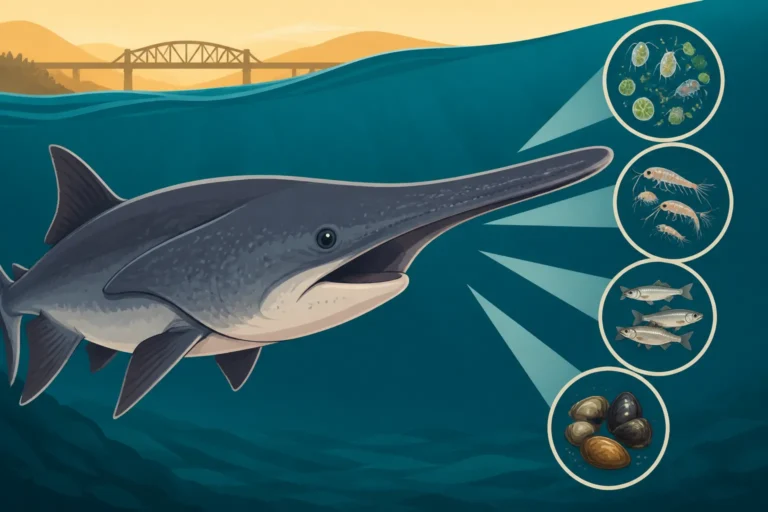
Nebraska paddlefish diets consist of microscopic organisms, using a specialized filter-feeding lifestyle to consume zooplankton and phytoplankton.
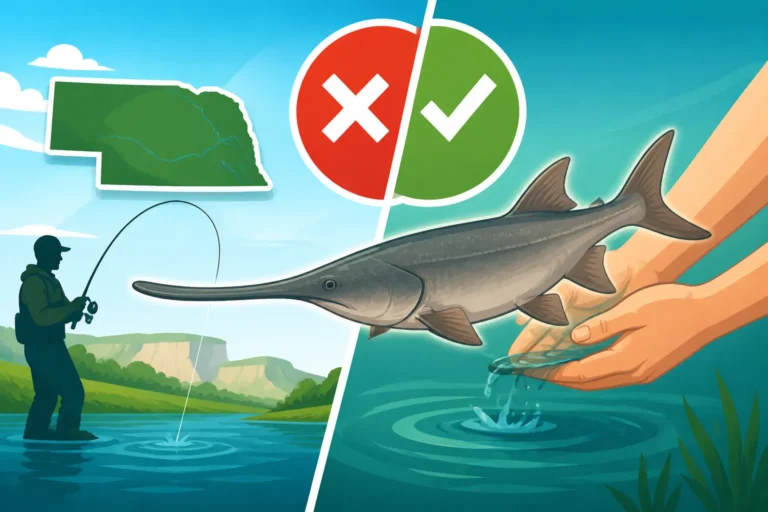
Nebraska paddlefish regulations explain the strict legal requirements for catch and release and snagging limits during open seasons.
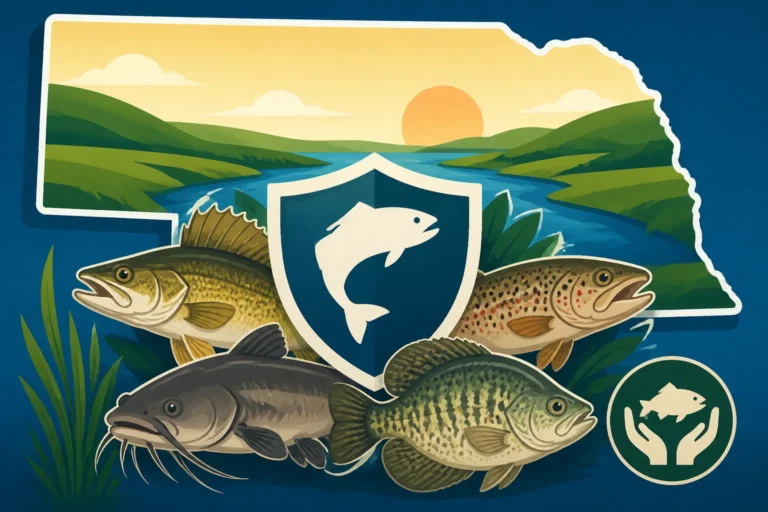
Nebraska protected fish species, endangered status, and conservation rules enforced by the Nebraska Game and Parks Commission.
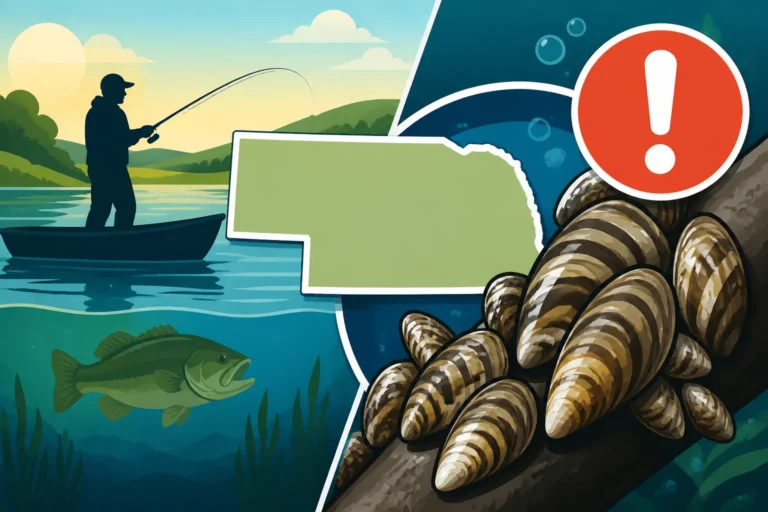
Zebra mussels in Nebraska lakes present ecological and economic threats, disrupting aquatic food webs and damaging water infrastructure.
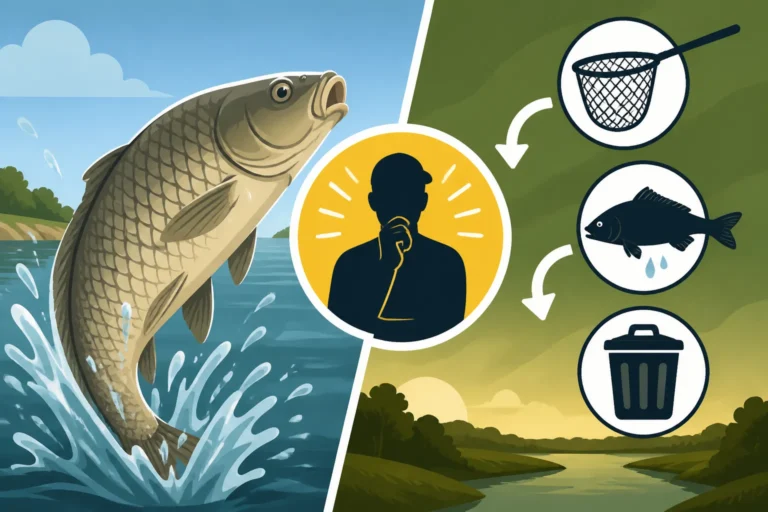
Nebraska anglers learning to identify, handle, and report silver, bighead, and grass carp protect local aquatic ecosystems.
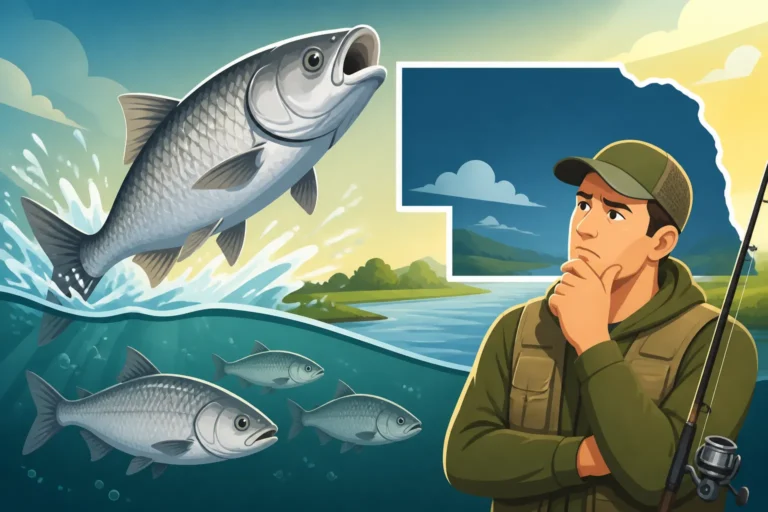
Silver carp in Nebraska rivers grow to sixty pounds, leap out of water, and consume plankton, threatening native fish populations.
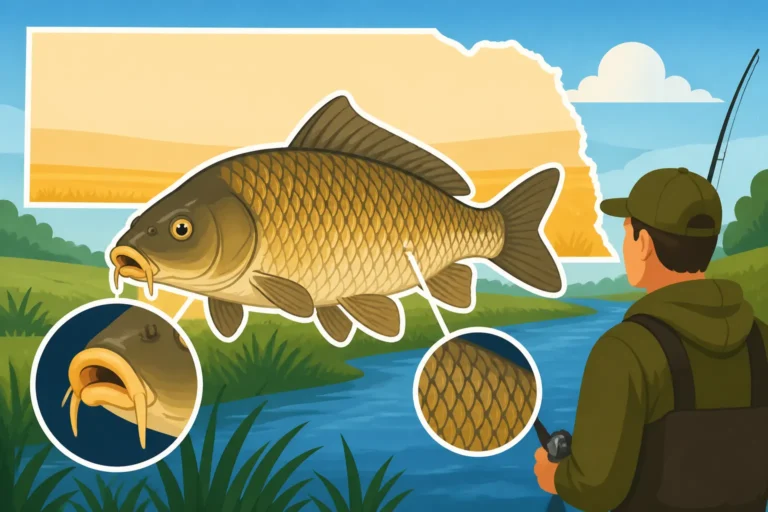
Silver carp, bighead carp, grass carp, and black carp identification traits help Nebraska anglers distinguish invasive fish.
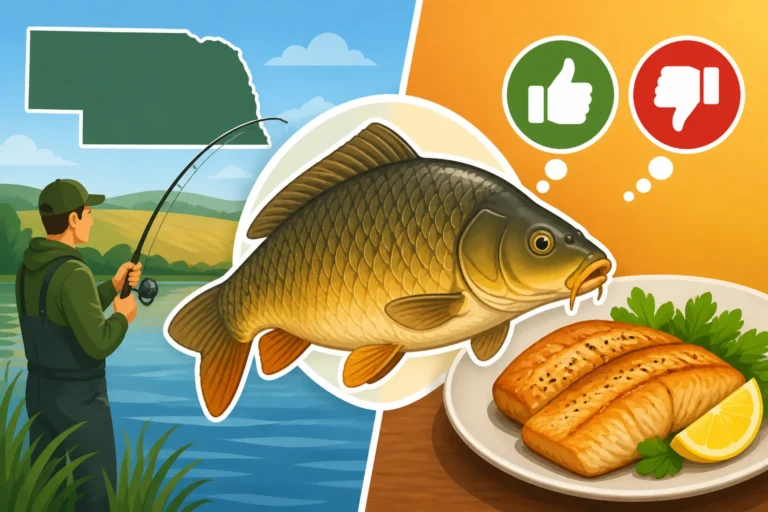
Common carp in Nebraska lakes and rivers offer a tasty meal when anglers understand how water quality and diet affect flavor.