Are Common Carp Good to Eat From Nebraska Waters?
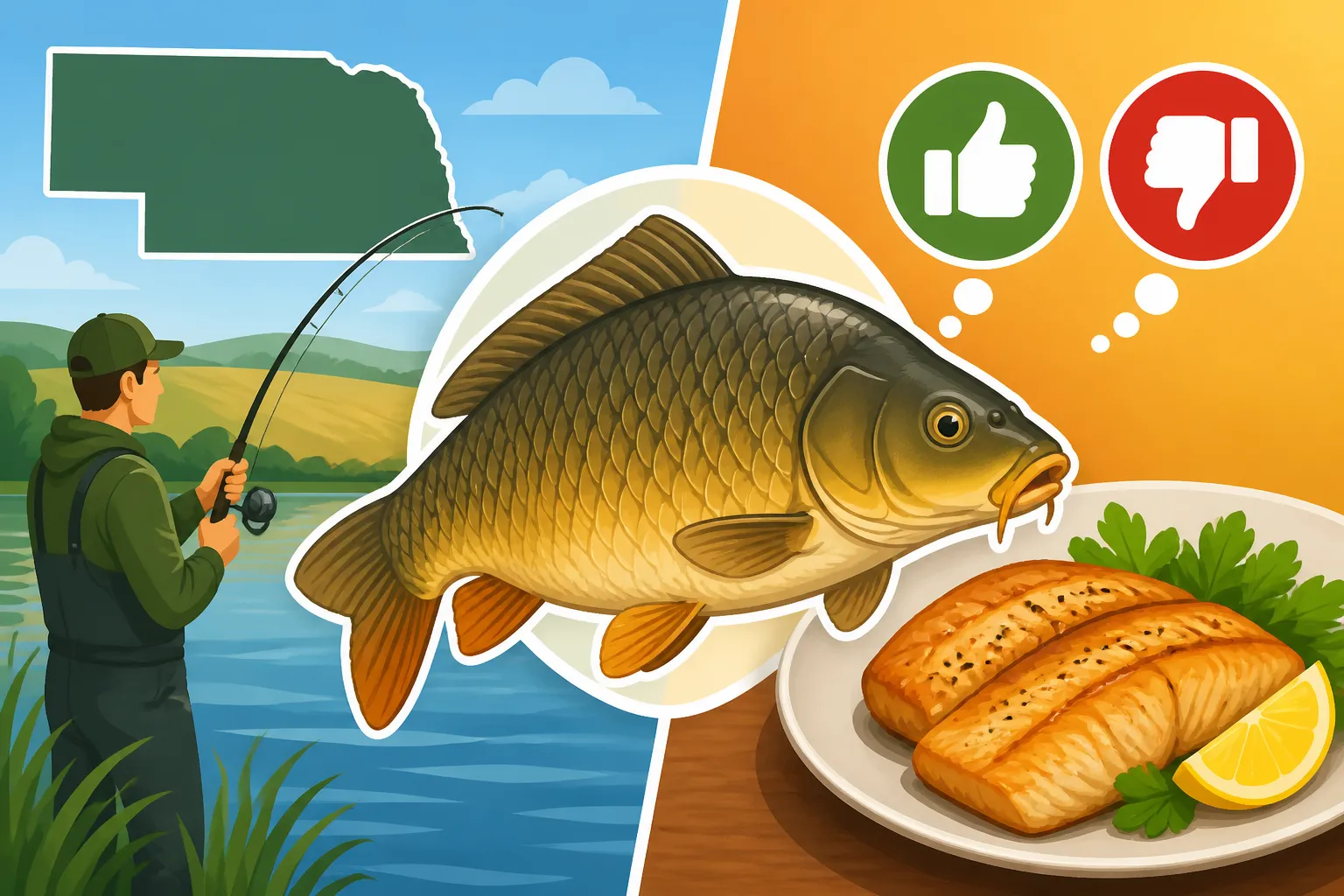
Many Nebraska anglers have looked at a common carp, a prolific fish in our waters, and wondered: "Is this fish even good to eat?" There's a persistent stigma that paints carp as a "rough fish" or a bottom-feeder not fit for the table, but I'm here to tell you that this notion often misses the mark. This comprehensive guide will slice through the misconceptions, explore the true culinary potential of common carp from Nebraska, and provide you with all the knowledge you need to turn a catch into a delicious meal.
Understanding Common Carp in Nebraska Waters
Carp, often misunderstood, are a dominant fish species across Nebraska's diverse aquatic landscapes. They evoke strong opinions, but to truly understand their place at the dinner table, we first need to understand the fish itself within our local environment.
Where Common Carp Thrive in Nebraska
Common carp are incredibly adaptable and can be found in almost every major water body in Nebraska, from our large reservoirs like Lake McConaughy and Harlan County Reservoir, to our slow-moving rivers such as the Platte and Missouri, and even countless smaller farm ponds and urban lakes. They are remarkably resilient, able to tolerate a wide range of water conditions, including varying temperatures and lower oxygen levels that might stress other fish. This adaptability means they're abundant, providing a readily available food source for those willing to give them a chance. You'll often find them rooting around in softer bottoms, digging for aquatic insects, crustaceans, and plant matter. Their presence is a testament to their hardiness and ability to find a niche almost anywhere there's water. If you're looking for a readily accessible fish species to pursue, you won't have to look far to find carp in Nebraska.
Their widespread distribution also means that where you catch a carp can significantly impact its flavor profile, much like any other fish. A carp pulled from a clear, cold Sandhills lake might taste different than one from a warm, muddy river during a summer drought. Water quality plays a huge role in the perceived taste of any fish, and carp are no exception. Knowing your fishing spot and its general conditions can give you a hint about the culinary experience ahead. For those wondering about specific locations, check out our guide on Best Fishing Spots in Nebraska to get a better idea of what different water bodies offer.
The "Rough Fish" Misconception
The term "rough fish" is often thrown around for carp, and it comes with a lot of baggage. Historically, this label has been applied to fish that aren't typically pursued by sport anglers or aren't considered "game fish" like walleye, bass, or trout. Unfortunately, this often leads to the mistaken belief that these fish are inherently undesirable, both for sport and for food. However, this designation is more about cultural preference and fishing traditions than it is about the fish's actual edibility or fighting qualities. For many anglers, the thrill of landing a large, powerful carp on a rod and reel is an undeniable joy, offering a challenge that rivals many "game fish."
The truth is, carp are strong fighters, and when properly prepared, they can be absolutely delicious. The "rough fish" label has unfortunately contributed to a cycle where fewer people try them, leading to less knowledge about how to prepare them well, and thus perpetuating the misconception. In many other cultures around the world, carp are highly prized as a food fish, celebrated in various traditional dishes. It's really more about how we view and approach them. It's time to challenge that old notion and see carp for what they truly are: a valuable and tasty resource in Nebraska.
Diet and Water Quality: Factors Influencing Taste
What a fish eats and the environment it lives in are crucial determinants of its flavor, and common carp are no exception. Carp are omnivorous bottom-feeders, meaning their diet largely consists of aquatic insects, larvae, crustaceans, plant matter, and detritus found on the lake or riverbed. While this diet often contributes to the "muddy" taste associated with carp, it's not an inherent flaw in the fish but rather a reflection of their habitat and feeding habits. In clean, clear waters with abundant, varied food sources, carp will naturally have a cleaner, milder flavor. Conversely, carp from stagnant, muddy, or warm waters with limited food diversity are more likely to exhibit that earthy, sometimes "muddy" taste.
Therefore, selective harvesting can greatly improve your culinary experience. If you're targeting carp for eating, consider fishing in larger, cleaner reservoirs or rivers with good current, especially during cooler months. These conditions typically result in fish with firmer flesh and a much less pronounced "off" flavor. Think of it like a wild game animal – the diet and environment directly impact the meat's quality. Paying attention to these factors is your first step toward a delicious carp meal. For comprehensive guidance on Nebraska's fishing ecosystem, understanding Nebraska Fishing Regulations Explained can also indirectly inform you about water body health and management, which impacts fish quality.
Are They Edible? Dispelling the Myths and Uncovering the Truth
So, let's get right to the heart of the matter: are common carp from Nebraska waters actually good to eat? The resounding answer is yes, absolutely! The key, as with many wild foods, lies in understanding their characteristics and knowing how to prepare them properly.
The Taste Profile of Nebraska Carp
The taste of common carp is a topic of much debate, often clouded by preconceived notions. When prepared correctly, carp possess a rich, distinct flavor that is often described as earthy or sweet, with a firm, flaky texture. It's not a delicate white fish like walleye or crappie; instead, it's a heartier fish that stands up well to robust seasonings and cooking methods. Some people compare its flavor to that of dark-meat poultry, while others find it akin to certain freshwater catfish, though generally with a slightly stronger, more unique taste. The "muddy" flavor that gives carp a bad name is often a result of either poor handling, fishing in stagnant waters, or improper cleaning techniques.
To truly appreciate carp, one must approach it with an open mind and the right preparation. Many find that smaller carp, those under 5-10 pounds, tend to have a milder flavor and fewer "pin bones," making them more desirable for eating. Larger, older carp can sometimes develop a stronger, more pronounced taste and a tougher texture, though even they can be delicious with specific preparation methods like smoking or canning. The key is to embrace its natural characteristics rather than expecting it to taste like something it's not. Don't let the stereotypes deter you; a properly handled and cooked Nebraska carp can be a truly satisfying meal. For insights into other Nebraska fish species, check out the Nebraska Fish Species Identification Guide.
Nutritional Value of Carp
Beyond taste, common carp are a nutritional powerhouse, offering a wealth of benefits that often go unacknowledged. They are an excellent source of lean protein, making them a fantastic alternative to more expensive protein sources. Protein is vital for muscle repair, growth, and overall body function, and carp delivers it in spades. Additionally, carp are rich in essential omega-3 fatty acids, which are widely recognized for their heart-healthy benefits, reducing inflammation, and supporting brain function. While not as high in omega-3s as some saltwater fish, they still offer a significant contribution to your dietary intake.
Carp also provide a good array of vitamins and minerals. You'll find vitamins B6 and B12, which are important for energy metabolism and nerve function, as well as phosphorus and potassium, crucial for bone health and electrolyte balance. While specific amounts can vary, integrating carp into your diet can certainly boost your nutrient intake. For those looking for healthy, locally sourced food, Nebraska carp present an overlooked opportunity.
Safety Considerations: Mercury and Contaminants
When it comes to eating any fish, particularly freshwater species, safety is always a valid concern. The good news for Nebraska anglers is that common carp generally fall into a category of fish that are safe for regular consumption. Like all fish, carp can accumulate environmental contaminants, including mercury, which naturally occurs in the environment. However, carp are typically bottom feeders and their diet consists of invertebrates and plant material, meaning they aren't typically at the top of the aquatic food chain where mercury bioaccumulation becomes highest. Larger, older predatory fish like northern pike or walleye generally have higher mercury levels because they eat other fish that have already accumulated some mercury.
That being said, it's always wise to be informed. Nebraska, like many states, sometimes issues fish consumption advisories for certain water bodies or species if elevated levels of contaminants are detected. These advisories are usually available through the state's wildlife or environmental agencies. My advice is always to check the Nebraska Game and Parks Commission website for the most up-to-date information on any specific water body you plan to fish and eat from. Generally speaking, carp from cleaner, flowing waters are an excellent choice. If you're concerned, smaller, younger fish often have lower levels of any accumulated contaminants. You'll find more details on general fishing rules, including those that indirectly impact fish health, in documents like the Nebraska Fishing Regulations Explained and for specific environmental concerns, the Nebraska Aquatic Habitat Stamp Explained touches on broader water quality efforts.
Preparing Common Carp for the Table: Techniques and Tips
The true secret to enjoying common carp isn't just catching them, but knowing how to prepare them. Many who dismiss carp as inedible have likely never tried one that was properly cleaned and cooked. Let's change that!
Cleaning and Filleting Carp
Cleaning a carp is perhaps the most crucial step in ensuring a delicious meal. Carp have larger scales and a unique bone structure compared to some other fish, but with a good, sharp fillet knife (you can find some excellent options on Amazon, often highly rated by anglers for their durability and edge retention), it's completely manageable. The key challenge, and often the source of the "muddy" taste, is a dark red lateral line, often called the "mud vein," that runs along the side of the fillet. This vein contains compounds that contribute to the strong, earthy flavor many people dislike. Removing it entirely is paramount.
Here's a step-by-step approach to filleting a carp:
- Bleed the Fish (Optional but Recommended): Immediately after catching, cut the gills or the artery near the tail and let the fish bleed out in cool water. This dramatically improves the flavor of the meat.
- Scale or Skin: Carp scales are tough. You can either scale them thoroughly or, more commonly, skin the fish. To skin, make a cut behind the head and down the back, then use pliers to pull the skin off.
- Fillet: Make a cut behind the gill plate down to the backbone, then turn the knife and slide it along the backbone towards the tail, removing one side of the fillet. Repeat on the other side.
- Remove Rib Bones: Lay the fillet skin-side down and carefully cut out the rib cage.
- Address the Pin Bones (Y-Bones): Carp have a notorious set of "Y-bones" in the upper part of their fillet. These are small, forked bones. There are a few ways to deal with them:
- "V" Cut: Make two cuts in a "V" shape around the line of pin bones, removing a strip of meat containing the bones. This sacrifices a small amount of meat but ensures bone-free portions.
- Scoring: For smaller carp or certain cooking methods (like deep frying), you can score the fillet every 1/8 to 1/4 inch across the bones. The heat from cooking will soften and essentially "dissolve" these small bones, making them undetectable.
- Pick Them Out: With patience, you can use pliers or tweezers to remove them after cooking, though this is less ideal.
- Remove the "Mud Vein": This is critical. After filleting, look for the dark red strip of meat running along the lateral line. Use your knife to trim this entire strip out. This simple step can drastically improve the taste.
For a visual guide and more detailed tips, you might find a tutorial on How to Clean and Fillet a Channel Catfish helpful, as many principles apply to cleaning larger freshwater fish, including carp.
Cooking Methods to Enhance Flavor
Once you have clean, mud-vein-free carp fillets, the culinary possibilities open up! The firm, rich flesh of carp holds up wonderfully to various cooking methods, especially those that add strong flavors or crispy textures.
- Smoking: This is arguably one of the most popular and delicious ways to prepare carp. Smoking imparts a deep, savory flavor that complements the carp's natural richness, while the low, slow heat helps tenderize the meat and renders down any remaining strong flavors. Brining the fillets beforehand is highly recommended.
- Deep Frying: When scored and deep-fried to a golden crisp, carp can be incredibly appealing, especially smaller fillets. The scoring helps to break down those tiny Y-bones, and the crispy exterior provides a delightful contrast to the moist interior. A simple cornmeal or seasoned flour breading works wonders.
- Baking or Broiling: For a healthier option, baking or broiling carp fillets with aromatic herbs, lemon, garlic, and butter can be fantastic. Wrapping them in foil with vegetables can steam them to perfection while infusing flavor.
- Canning: For preserving a large catch, canning carp is an excellent method. Pressure canning transforms the bones into soft, edible calcium, making the fish entirely bone-free and shelf-stable. It's often compared to canned salmon or tuna and is great for making patties or spreading on crackers.
- Grilling: Marinated carp steaks or fillets can be grilled over medium heat. The char from the grill adds another layer of flavor that works well with the carp's robust profile.
Experimentation is key! Don't be afraid to try different methods and seasonings to find what you like best.
Recipes and Marinades for Delicious Carp
To truly elevate your Nebraska carp, consider a few classic approaches that enhance its unique qualities. Marinades are your best friend here, as they can tenderize the meat and infuse it with flavors that mask any residual earthiness.
Classic Smoked Carp:
Brine your carp fillets in a solution of 1/4 cup salt, 1/4 cup brown sugar, 1 tablespoon garlic powder, and 1 teaspoon black pepper per quart of water. Soak for 4-8 hours, then pat dry and smoke at a low temperature (around 200-225°F) until flaky. This method is a fan favorite for good reason.
Crispy Fried Carp Nuggets:
Cut scored carp fillets into bite-sized pieces. Dip in an egg wash, then dredge in a mixture of 1 cup cornmeal, 1/2 cup flour, 2 tablespoons Old Bay seasoning, and a pinch of cayenne pepper. Deep fry at 350°F until golden brown and floating. Serve with tartar sauce or hot sauce.
Baked Carp with Lemon-Herb Butter:
Place fillets in a baking dish. Melt 1/2 cup butter with 2 cloves minced garlic, the juice of one lemon, 1 tablespoon chopped fresh parsley, and 1 teaspoon dried dill. Pour over the fillets and bake at 375°F for 15-20 minutes, or until the fish flakes easily with a fork.
Consider pairing carp with bold flavors. Cajun spices, garlic, onion, smoked paprika, and acidic elements like lemon or vinegar all work beautifully. Even a simple soy sauce and ginger marinade can transform carp into a delightful Asian-inspired dish. Don't be shy about seasoning! Many of these ingredients, from specific spices to quality fillet knives, are readily available on Amazon, making it easy to stock your kitchen for carp preparation.
Here's a quick comparison of popular freshwater fish characteristics, including carp:
| Fish Species | Taste Profile | Texture | Common Preparation Methods | Bone Structure |
|---|---|---|---|---|
| Common Carp | Earthy, rich, sweet (can be "muddy") | Firm, flaky | Smoking, deep frying, baking, canning | Y-bones (pin) |
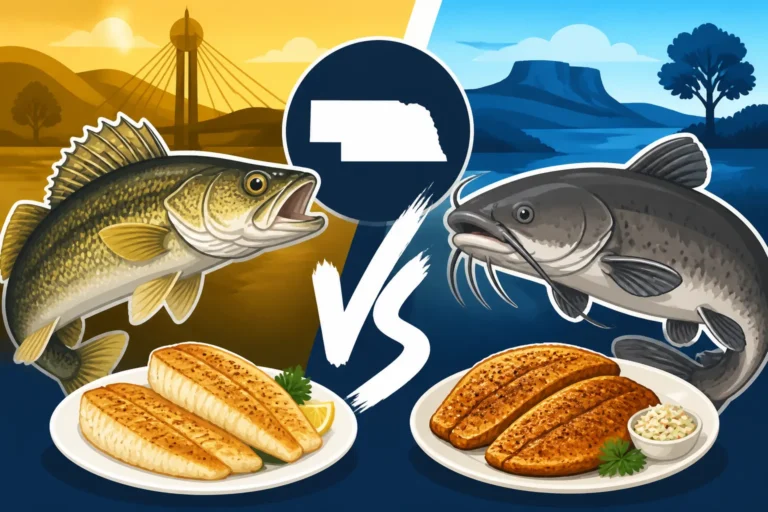
| Walleye | Mild, sweet, delicate | Flaky | Frying, baking, grilling | Minimal bones |
| Channel Catfish | Mild, somewhat sweet | Firm, moist | Frying, grilling, baking, stewing | Easy to fillet |
| Largemouth Bass | Mild to medium, slightly earthy | Flaky | Frying, grilling, baking | Minimal bones |
| Crappie | Very mild, sweet, delicate | Flaky | Frying, baking | Minimal bones |
Catching Carp for Consumption in Nebraska
Now that you're convinced that common carp are indeed a fine meal, let's talk about how to catch them. Catching carp can be an incredibly rewarding experience, offering both a strong fight and a delicious reward.
Best Methods for Catching Edible Carp
Carp are notoriously strong fighters, making them a blast to catch on a rod and reel. For eating, you'll generally want to target carp in cleaner, cooler waters, which often leads to a better-tasting fish.
- Rod and Reel: This is the most common method. Carp are not picky eaters, but they can be finicky. Corn, dough balls, worms, and even specialized carp baits are all effective. You'll need stout tackle – medium-heavy to heavy rods with strong reels and at least 10-20 lb test line are recommended, as these fish can grow quite large and pull hard. Look for them in areas with soft bottoms, near weed beds, or around submerged structure. Bottom-fishing rigs with a weight that holds your bait on the bottom are standard. For detailed advice on this, check out How to Catch Carp on Rod and Reel. Many successful carp anglers rely on specific European-style carp tackle, which you can easily research and purchase from online retailers like Amazon to get everything from specialized bite alarms to self-hooking rigs.
- Bowfishing: This highly active and exciting method is popular for targeting carp, particularly during warmer months when they are in shallower waters. Bowfishing for carp is a legal and effective way to harvest many fish quickly. It requires specialized equipment, including a bow, a reel mounted to the bow, and special arrows with barbs. It's a great way to enjoy the outdoors and get a lot of fish for the table, especially if you're interested in the larger specimens. Our guide on How to Bowfish for Carp in Nebraska provides all the essentials you need to get started in this thrilling sport.
When targeting carp for consumption, remember that smaller, younger carp (under 5-10 pounds) are often preferred for their milder flavor and fewer bones. However, even larger carp can be excellent when smoked or canned.
Handling Your Catch for Optimal Taste
Proper handling of your carp after it's caught is just as important as the cleaning process. This step is crucial for minimizing any "off" flavors and ensuring the freshest possible meat.
- Keep Them Alive (Initially): If possible, keep the carp alive in a livewell or on a stringer in cool, clean water for a few hours, or even overnight if the water is cool enough. This allows the fish to "purge" any muddy taste they might have accumulated from their environment. This is a practice common in many cultures that value carp for food.
- Ice Immediately: Once you decide to harvest the fish, dispatch it quickly and humanely. Then, get it on ice as soon as possible. A cooler full of ice is your best friend. Rapid cooling stops enzymatic degradation and prevents the growth of bacteria that can contribute to spoilage and off-flavors. Do not let the fish sit in warm water or direct sunlight.
- Process Promptly: Aim to fillet your carp as soon as you can after icing it down, ideally within a few hours of the catch. The sooner you process it, the better the quality of the meat. If you can't process it right away, ensure it remains thoroughly chilled on ice until you're ready.
These steps, though simple, make a significant difference in the final taste of your carp. Neglecting proper handling is a common reason why people end up with a less-than-ideal culinary experience. Ensuring your fishing expedition is compliant with all local rules is also important, so a quick look at Nebraska Fishing Regulations Explained can save you headaches. Also, knowing what bait works best for powerful freshwater fish can enhance your catch rate; consider our article on Best Bait for Nebraska Catfish, as many of these baits are also effective for carp.
Legality and Regulations for Harvesting Carp
Before you head out with your rod and reel, or even your bowfishing gear, it's absolutely essential to be aware of Nebraska's fishing regulations regarding common carp. The good news is that carp are typically not subject to restrictive bag or length limits in Nebraska, largely due to their abundance and non-game fish status. This means you can generally harvest a generous number of them if you intend to eat them. However, regulations can change, and it's your responsibility as an angler to always check the most current rules.
You'll need a valid Nebraska fishing license to harvest carp, just like any other fish. Even if you're only targeting carp, the license requirement applies. Make sure to purchase your Nebraska Fishing License Guide well in advance. Depending on where you plan to fish, you might also need an Aquatic Habitat Stamp or other endorsements, so always double-check the specifics. Generally, there are no specific closed seasons for common carp, meaning they can be pursued year-round, which is fantastic for those who enjoy fresh fish even outside of traditional "game fish" seasons. However, always verify general Nebraska Fishing Season Dates and Limits to be completely sure. If you're unsure about any rule, a quick check of the Nebraska Game and Parks Commission website will provide the definitive answer. Remember, responsible and legal harvesting ensures everyone can enjoy Nebraska's abundant aquatic resources for years to come.
Disclaimer
This article is for general informational purposes only and does not constitute professional advice. Laws, prices and regulations vary by location and change over time. Consult a qualified professional for guidance on your specific situation.