What a Muskellunge Is and Where They Live in Nebraska
The muskellunge is a large apex predator in Nebraska waters, growing past forty inches, and this explains where to find them.
Know what’s on the line.
Gamefish and panfish profiles — identification, behavior, feeding habits, and species-specific strategies for every catch.
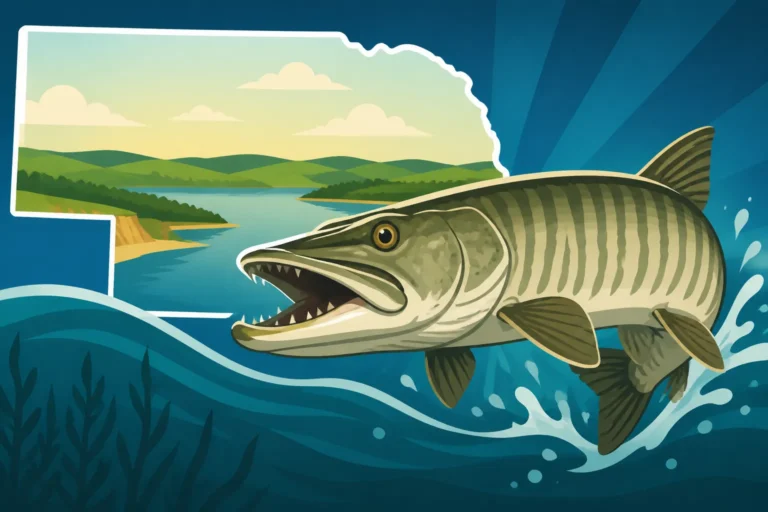
The muskellunge is a large apex predator in Nebraska waters, growing past forty inches, and this explains where to find them.
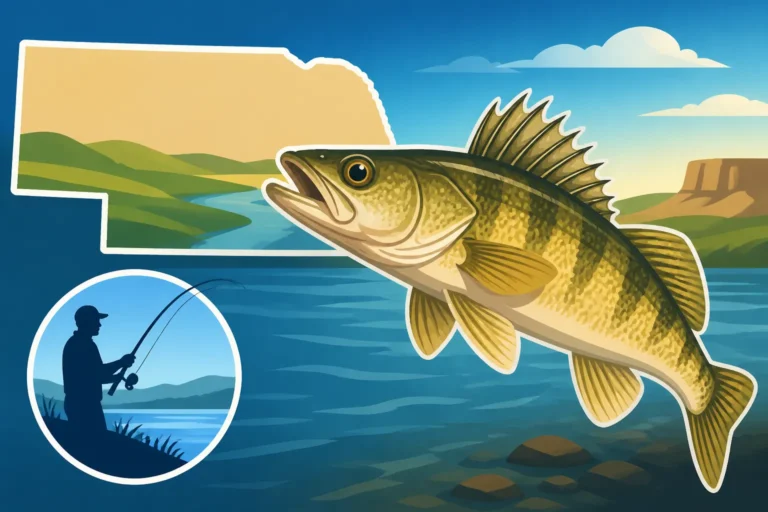
Nebraska sauger inhabit the Missouri River and larger river systems, staying less abundant and distinct from walleye populations.
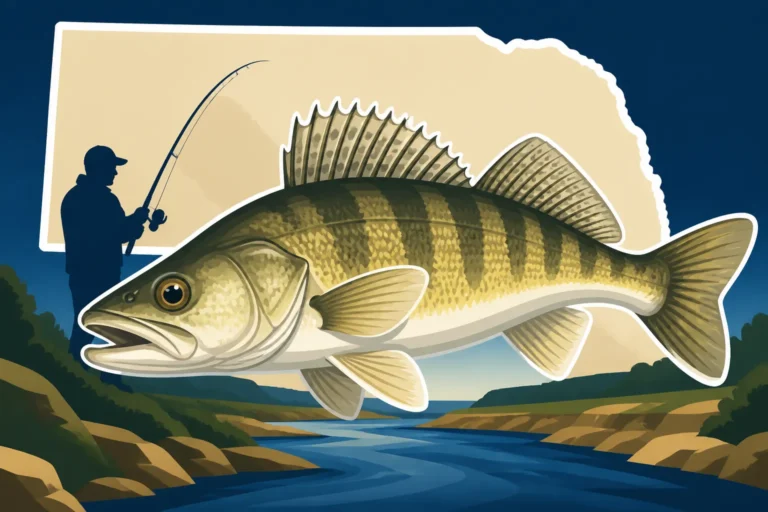
Nebraska sauger identification features, including dark body blotches and speckled dorsal fins, compared against walleye.

Wiper fish are hatchery hybrids of white bass and striped bass, stocked in Nebraska reservoirs to reach ten to fifteen pounds.
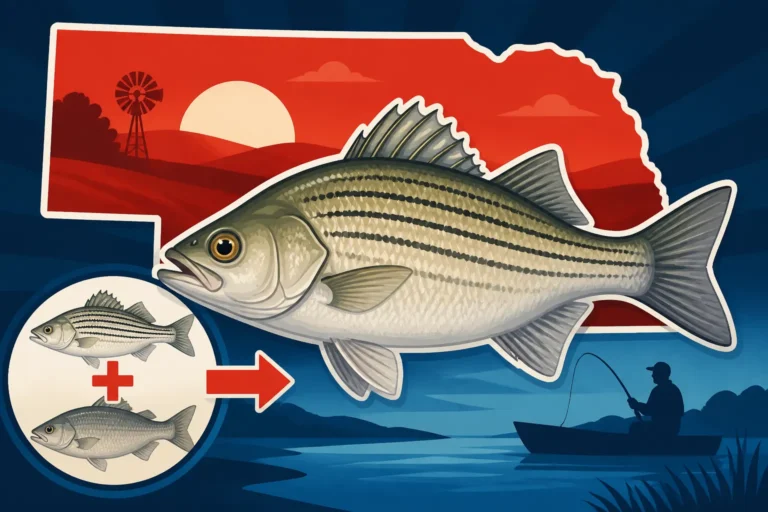
The Nebraska wiper hybrid fish is a cross between striped bass and white bass stocked in Lake McConaughy and Sherman Reservoir.
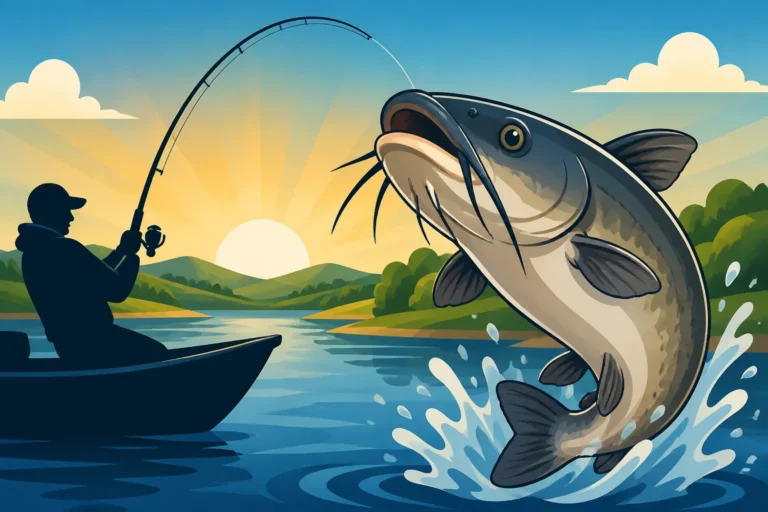
Nebraska lakes harboring trophy channel catfish offer anglers opportunities to catch double-digit fish weighing over twenty pounds.
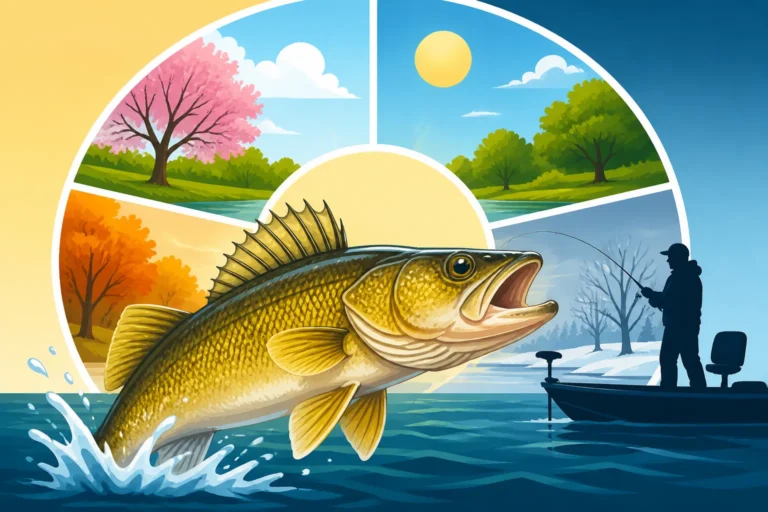
Nebraska trophy walleye seasonal movements, pre-spawn aggression, summer feeding, and fall turnover help anglers catch more fish.
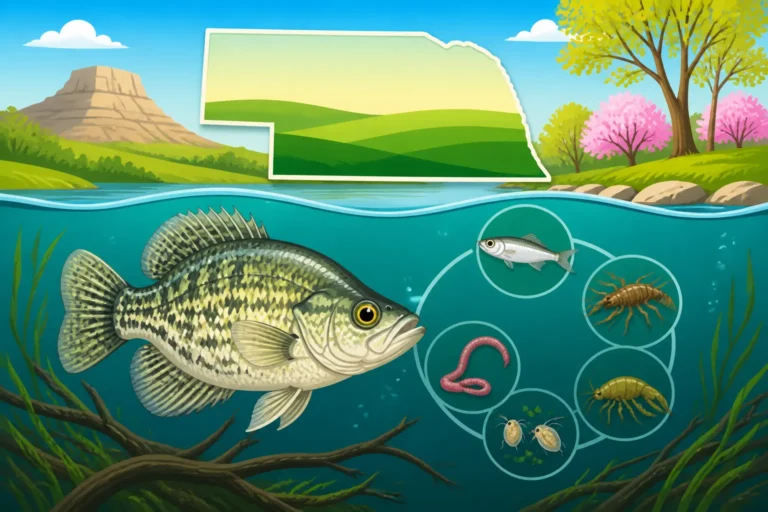
Spring crappie diets in Nebraska lakes and rivers change as water temperatures shift from forty degrees through spawning phases.
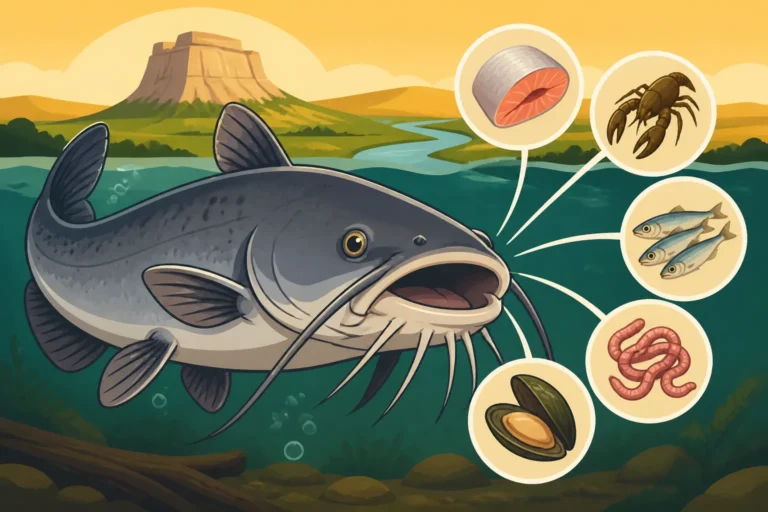
Channel catfish diets in Nebraska include aquatic insects, small fish, and decaying organic matter on lake and river bottoms.
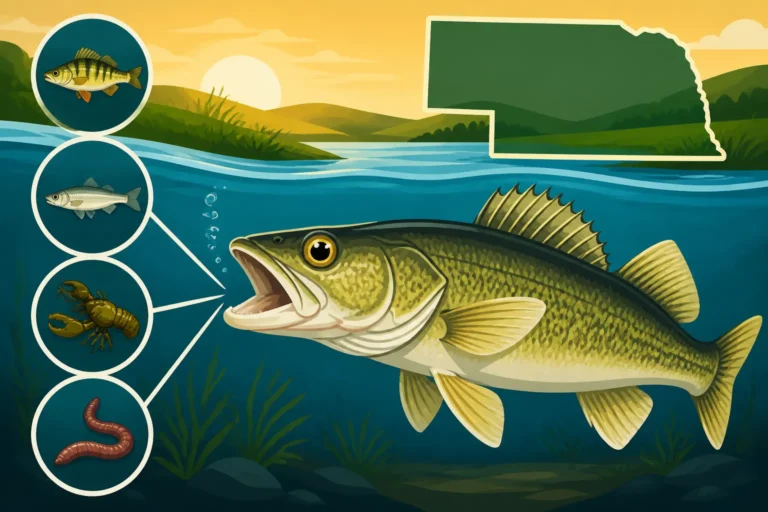
Nebraska walleye natural diet details primary forage fish, gizzard shad, emerald shiners, yellow perch, crayfish, and insect larvae.