Are Silver Carp a Problem in Nebraska Rivers?
It's incredibly frustrating to witness changes in our beloved Nebraska waterways, especially when those changes involve invasive species that threaten the delicate balance of our native fish populations. Many anglers have heard the stories, seen the unsettling jumps, or simply wondered about the future of fishing in our rivers. This comprehensive guide is here to shed light on the presence of silver carp in Nebraska's rivers, explain why they pose a significant problem, and empower you with the knowledge and actions you can take to help protect our cherished aquatic ecosystems.
What Are Silver Carp and Why Are They a Growing Concern?
Imagine a fish that leaps out of the water at the sound of a boat, sometimes injuring anglers, and consumes vast quantities of the microscopic food that our native fish rely on. That's the silver carp, and its presence in Nebraska's rivers isn't just a nuisance; it's a serious ecological threat. Understanding these fish, from how they look to how they impact the environment, is the first step in combating their spread.
Identifying Silver Carp
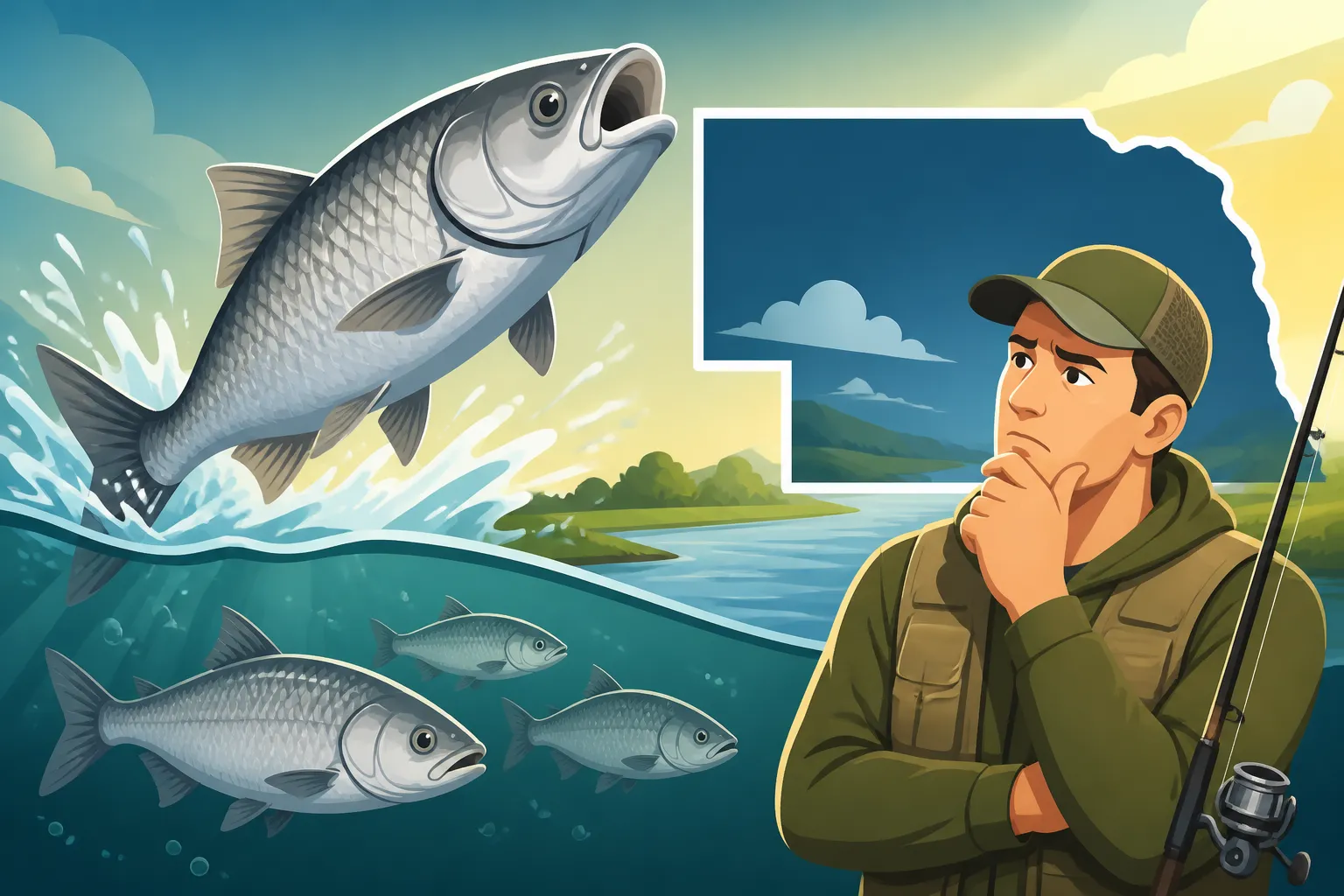
Silver carp (Hypophthalmichthys molitrix) are one of several species of invasive Asian carp that have made their way into North American waterways. They can grow quite large, often reaching lengths of three feet and weights exceeding 60 pounds, though most you'll encounter are smaller. Their most distinctive features are their silver coloration, a relatively small head, and eyes that are set low on their head, even below the midline of their body. This low-set eye is a key characteristic that helps differentiate them from other native fish that might look somewhat similar. They also have a continuous keel that extends from their anal fin all the way to their throat.
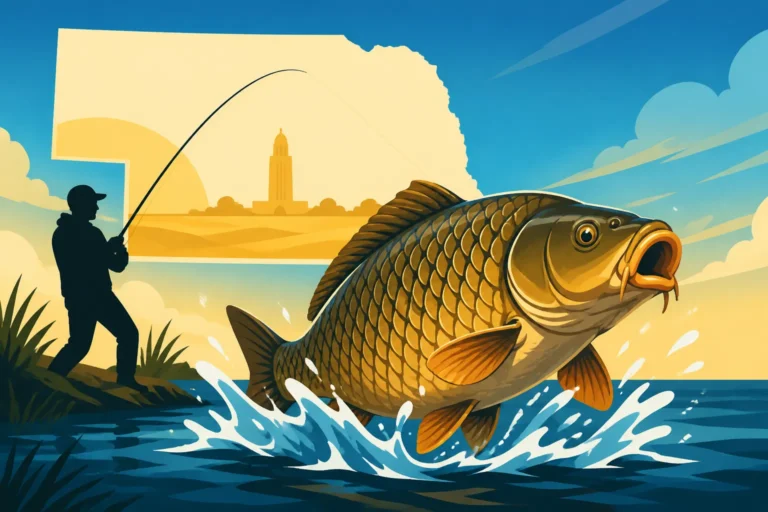
What truly sets silver carp apart, however, is their infamous jumping behavior. When disturbed by boat motors, they will often leap several feet out of the water, sometimes in large groups. This isn't just a spectacle; it's a genuine safety hazard for anyone on the water, whether you're out fishing, boating, or even kayaking. A flying silver carp hitting a person can cause serious injury, breaking bones or even knocking someone unconscious. It's a shocking experience that can quickly turn a peaceful day on the river into a dangerous one.
The Threat They Pose to Nebraska's Ecosystems
The primary reason silver carp are such a problem is their feeding habits. These fish are filter feeders, meaning they strain microscopic plankton from the water. Plankton forms the very base of the aquatic food web, serving as food for everything from tiny invertebrates to the fry of game fish like walleye, crappie, and bass. When silver carp are present in large numbers, they can consume so much plankton that they effectively outcompete native species for this vital food source. This competition isn't just with small fish; it impacts mussels, larval fish, and even adult game fish that rely on a healthy plankton population.
This intense competition for food can lead to a domino effect throughout the ecosystem. With less food available, native fish populations can decline, impacting angler success and the overall health of our rivers. Imagine a nursery for young fish, meant to grow strong before becoming a meal for larger predators, suddenly finding its food supply decimated. That's the scenario silver carp create. Furthermore, their sheer biomass can alter water quality by disturbing sediments and increasing nutrient cycling, potentially leading to algae blooms that further degrade habitat for native fish. It’s a complex web of ecological disruption, and silver carp are unfortunately pulling many of the wrong strings.
Where are Silver Carp Found in Nebraska and What's Being Done?
The spread of invasive species often feels like an unstoppable force, and it's easy to feel helpless. However, understanding their current footprint in Nebraska and knowing the dedicated efforts being made to manage them can provide a clearer picture. While the challenge is significant, it's not without its battles being fought.
Current Presence in Nebraska Rivers
Silver carp, along with their equally problematic cousins, bighead carp, have established populations in major river systems that flow through or border Nebraska. The most significant presence is undoubtedly in the Missouri River, which acts as a major highway for these fish to move upstream. From the Missouri, they can find their way into tributaries, and unfortunately, silver carp have been documented in the lower reaches of the Platte River and other connecting waterways. Their ability to tolerate a wide range of environmental conditions and their prolific reproduction rates allow them to colonize new areas relatively quickly once they gain access.
The movement of these fish isn't always a gradual swim upstream. Flooding events can play a critical role, allowing carp to bypass natural barriers or migrate into new basins. They can also be inadvertently spread by human activities, such as bait bucket transfers, though this is less common with larger adult silver carp than with smaller, juvenile invasive species. The key takeaway is that these fish are here, and their numbers in certain areas can be quite substantial. Awareness of their presence is crucial for anglers who frequent these areas, as it influences both safety and responsible fishing practices. Understanding Missouri River Border Water Fishing License Rules can be particularly important for those fishing this shared waterway.
Management and Control Efforts
Nebraska, like other states facing this challenge, is actively working to manage and control invasive carp populations. The Nebraska Game and Parks Commission (NGPC) collaborates with federal agencies and neighboring states on various strategies. These efforts include monitoring populations, studying their movement patterns, and implementing control measures. One of the ongoing challenges is that a silver bullet solution simply doesn't exist for such widespread, established populations in large river systems.
Control methods can range from commercial harvest programs, where commercial fishermen are encouraged to target carp, to experimental techniques like bioacoustic barriers or targeted netting operations in specific areas. Public awareness campaigns are also vital, educating boaters and anglers about the risks and what they can do to prevent further spread. The goal isn't necessarily eradication, which is often impossible once an invasive species is firmly established, but rather containment, reduction of populations in key areas, and mitigation of their impacts on native fish and human safety. The existence of the Nebraska Aquatic Invasive Species Stamp highlights the state's commitment to funding these critical efforts.
What Anglers Need to Know and How to Help
As anglers, we have a vital role to play in the fight against silver carp. While state agencies are doing their part, our actions on the water, our awareness, and our adherence to regulations can make a real difference. Don't underestimate the power of informed individual responsibility in protecting our waterways.
Regulations and Reporting
First and foremost, if you encounter a silver carp in Nebraska waters, the general rule is "catch and kill." Unlike native species where catch and release is often encouraged, invasive species like silver carp should not be returned to the water alive. This practice helps reduce their numbers and prevents further spread. However, it's always wise to double-check the latest regulations published by the Nebraska Game and Parks Commission, as guidelines can evolve. For those wondering, What to Do If You Catch an Invasive Carp often involves ethical disposal.
It's also crucial to report sightings, especially if you catch one in a new area where they haven't been widely documented. The NGPC relies on angler reports to track the spread of these fish and focus their management efforts. Take a photo, note the exact location, and contact the Commission. You can often find contact information or an online reporting form on their website. Many anglers are also curious about Are Silver Carp a Problem in Nebraska Rivers? and this type of reporting helps paint a clearer picture of their exact distribution.
Preventing Their Spread
Beyond catching and killing, the most important thing anglers and boaters can do is practice "Clean, Drain, Dry" before moving their boats and equipment between different bodies of water. This simple but incredibly effective protocol helps prevent the spread of all aquatic invasive species, not just silver carp.
- Clean: Inspect your boat, trailer, waders, and fishing gear (including nets and anchors) and remove any visible plants, mud, or debris. Silver carp eggs or larvae can be microscopic and adhere to surfaces.
- Drain: Pull your drain plug and drain all water from your boat, livewell, bilge, and bait buckets before leaving the boat ramp. This ensures no water containing larvae or other invasives is transported.
- Dry: Allow all equipment to thoroughly dry for at least five days, if possible, before using it in another water body. If drying isn't an option, washing with hot, high-pressure water can also be effective.
Beyond "Clean, Drain, Dry," never release unused baitfish into any body of water, especially if they came from a different source. If you're fishing near known silver carp populations, consider using artificial lures or bait that isn't native to other waters. And if you're taking your catch home, ensure you're aware of the best practices for handling and preparing fish. A good quality fillet knife, readily available on platforms like Amazon, can make quick work of processing any invasive carp you catch for consumption or disposal, much like you might How to Clean and Fillet a Channel Catfish.
Angling for Silver Carp: A Unique Challenge
While not typically sought after by sport anglers, silver carp can provide an interesting challenge for those willing to try. They are not typically caught with traditional hook-and-line methods because they are filter feeders and don't bite lures or baited hooks in the conventional sense. However, they can be taken by snagging, bowfishing, or cast netting in areas where these methods are legal. It's important to verify local regulations for snagging and bowfishing, as these methods are often restricted to specific seasons or waters.
If you plan to target them, be prepared for their jumping behavior. Wearing protective eyewear is highly recommended, and even a helmet can be a good idea, especially if you're in a smaller boat in an area with a high concentration of fish. Many anglers find heavy-duty gloves or specialized nets, which can be found on Amazon, useful for handling these powerful, slimy fish safely once they're in the boat. While they might not offer a classic "fight," removing even a few can contribute to the ongoing effort. For more general information on what lives in our waters, you might check out the Nebraska Fish Species Identification Guide.
The Role of Education and Community
Educating fellow anglers and boaters is another powerful way to help. Share what you've learned about silver carp, their impacts, and the importance of preventing their spread. Many people are simply unaware of the risks or the best practices. Community involvement, whether through volunteer clean-up days, reporting suspicious activity, or simply spreading the word, amplifies the efforts of state agencies.
Consider how your own gear choices can help. If you're fishing in areas prone to invasives, ensuring your boat has appropriate storage for caught fish or that your trailer is easily cleaned after each outing can make a difference. Tools like portable high-pressure washers (some compact models are available on Amazon) can be incredibly useful for thoroughly cleaning your boat and gear at home. Learning about Invasive Fish Species in Nebraska is an ongoing process for all of us who care about our fishing future. Every little bit of knowledge and every responsible action contributes to the health and longevity of Nebraska's precious aquatic resources.
| Distinguishing Features | Silver Carp | Native Look-Alikes (e.g., Bigmouth Buffalo) |
|---|---|---|
| Eye Location | Set low on the head, below the midline of the body. | Typically set higher, near or above the midline of the body. |
| Coloration | Primarily silver on sides and belly. | Can be silverish, but often darker (olive, brownish, coppery). |
| Keel (Ridge on Belly) | Prominent, sharp keel extends from anal fin to throat (full length). | Absent or extends only partially along the belly, not to the throat. |
| Mouth | Upturned mouth, typically toothless, designed for filter feeding plankton. | Downward-pointing or terminal mouth, often with small, pharyngeal teeth. |
| Scales | Small scales. | Larger scales, more easily visible. |
| Jumping Behavior | Jumps spectacularly out of water when startled by boat motors. | Does not typically jump from the water when disturbed. |
| Feeding Method | Filter feeder, strains plankton from the water. | Bottom feeder, grazes on detritus, insect larvae, or small invertebrates. |
Disclaimer
This article is for general informational purposes only and does not constitute professional advice. Laws, prices and regulations vary by location and change over time. Consult a qualified professional for guidance on your specific situation.