Do You Need a Whistle or Horn on a Nebraska Kayak?
It's easy to feel a bit lost in the maze of boating regulations when all you really want to do is peacefully paddle your kayak across a serene Nebraska lake or down a winding river. A common question that pops up for many kayakers, often when they’re packing up for a trip, is whether a simple whistle or horn is actually a required piece of equipment. This guide is here to untangle the confusion, clarify Nebraska's specific rules regarding sound-producing devices for kayaks, and help you ensure your next outing is not only enjoyable but also fully compliant with state safety standards.
Understanding Nebraska's Sound Signal Requirements for Watercraft
Navigating the waters, whether it's a vast reservoir like Lake McConaughy or a smaller community pond, involves a shared responsibility for safety. A big part of that safety comes down to communication, and for watercraft, that often means sound signals. These aren't just for big, roaring motorboats; they play a crucial role for all vessels, even the smallest ones.
What Constitutes a "Sound-Producing Device"?
When the regulations talk about a "sound-producing device," they're referring to anything capable of emitting an efficient sound signal. For larger vessels, this might mean an air horn or a ship's bell. But for kayaks and other smaller, manually-propelled craft, the requirements are typically much simpler and more practical.
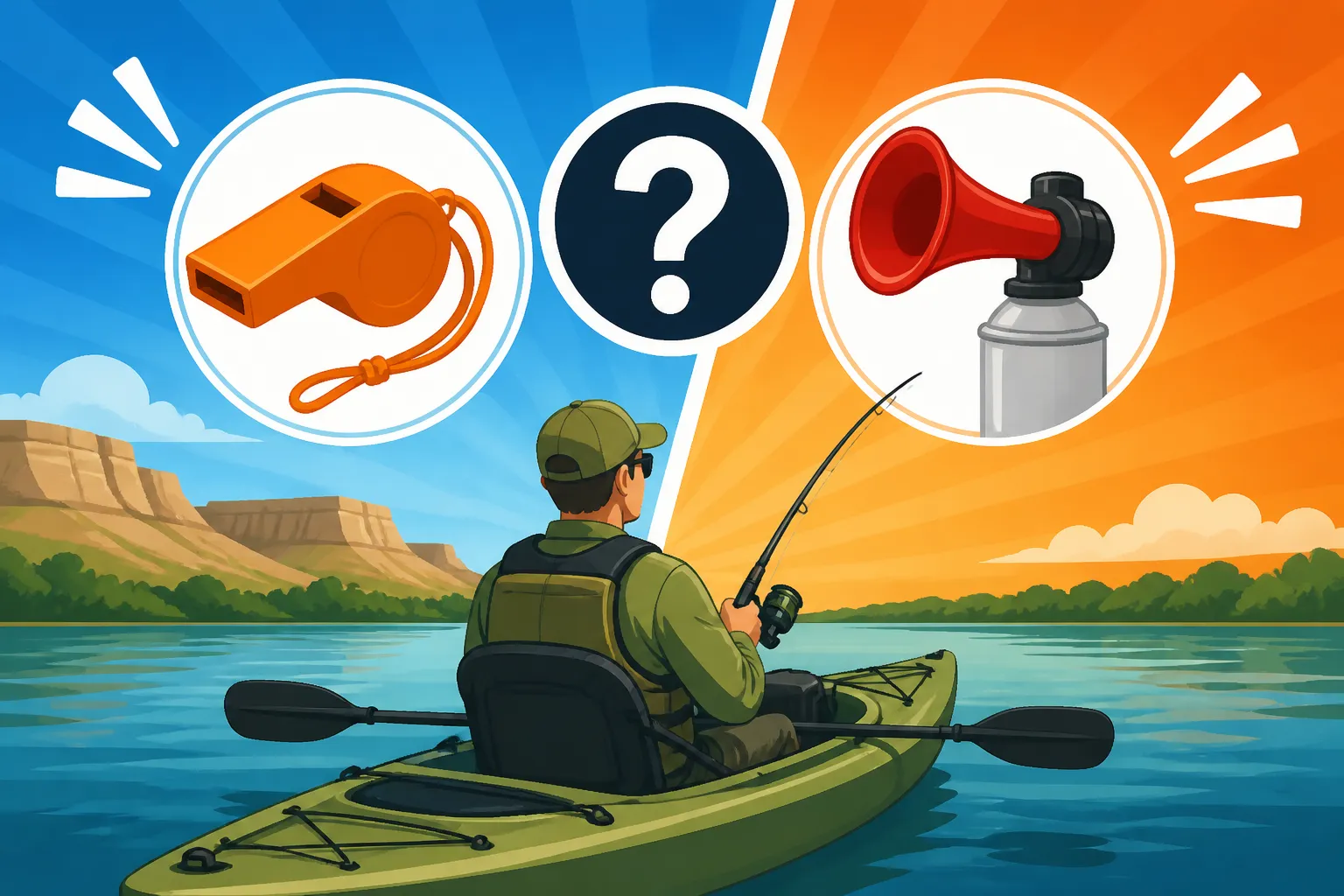
A common and perfectly acceptable sound-producing device for a kayak is a simple mouth-operated whistle. We're talking about the kind you might see a referee use, or even a basic pea-less whistle. The key is that it must be capable of producing a sharp, distinct sound that can be heard clearly by other vessels in varying conditions. You’ll often find these attached to life jackets or sold in marine safety kits at places like Bass Pro Shops. They're small, lightweight, and don't require any batteries or complex mechanisms, making them ideal for the minimalist nature of kayaking.
Why Sound Signals Are Important for Water Safety
You might wonder why a kayak, which moves relatively slowly, needs to make noise. The answer lies in collision avoidance and distress signaling. Imagine you're paddling near a bend in the Platte River, or perhaps navigating a busy area of Branched Oak Lake. A larger boat, maybe a fishing boat or a pontoon, might not see you, especially if you're in their blind spot or obscured by shoreline vegetation. A quick blast of a whistle can instantly alert them to your presence, preventing a potentially dangerous encounter.
Beyond avoiding collisions, a sound device is a vital tool for distress. If you capsize, become disoriented in fog or heavy rain, or find yourself in an emergency situation where you need to attract attention, a series of short, sharp blasts from a whistle can signal "distress" to nearby boaters or emergency services. It's a universal maritime signal that can literally be a lifesaver, especially if you're out of earshot for shouting.
Distinguishing Kayaks from Other Watercraft Under Nebraska Law
Nebraska's boating laws, like those across the country, differentiate between various types of watercraft. The rules for a large motorboat with powerful engines and multiple passengers are, understandably, different from those for a single-person kayak. Generally, regulations categorize vessels based on their propulsion type (motorized vs. non-motorized) and length.
Kayaks, canoes, paddleboards, and other similar craft are typically considered "manually propelled vessels." This distinction is important because the specific equipment requirements, including those for sound-producing devices, often vary based on this classification. While a motorboat might need a horn that meets specific decibel levels and range, a kayak's requirement is usually met by a much simpler device. Understanding this distinction helps clarify which rules apply directly to your paddling adventures. For a broader overview of state boating rules, check out Nebraska Boat Registration and Fishing Rules.
Kayaks, Canoes, and Paddleboards: Do the Rules Apply to You?
This is where the rubber meets the road, or more accurately, the paddle meets the water. It’s a point of frequent confusion, and understandably so, given how diverse watercraft can be. The good news is that for most manually-propelled vessels in Nebraska, the requirement for a sound-producing device is straightforward and easy to meet.
The "Power-Driven vs. Manually Propelled" Distinction in Detail
Nebraska regulations, aligning with federal guidelines, often distinguish between "power-driven vessels" and "manually propelled vessels." A power-driven vessel uses machinery, like an outboard motor, an electric trolling motor, or even a sail, for propulsion. A manually propelled vessel, on the other hand, relies entirely on human power – paddling a kayak, rowing a canoe, or standing on a paddleboard.
For kayaks, canoes, and stand-up paddleboards (SUPs) in Nebraska, the law generally requires that you have on board "an efficient sound-producing device." This means exactly what we discussed earlier: something that can make a loud, clear sound to signal your presence or distress. It doesn't have to be a fancy air horn, a mechanical siren, or anything powered. A simple plastic whistle that you can blow by mouth is typically sufficient to meet this legal requirement. This distinction is crucial because it keeps the requirements practical and affordable for all types of paddlers.
Practical Recommendations for Kayakers: Beyond the Minimum
While a basic whistle meets the legal minimum, think about going a step further for optimal safety. Consider the conditions you typically paddle in. Are you usually on quiet, secluded ponds, or do you frequent larger, busier lakes like Harlan County Reservoir or Lewis and Clark Lake?
For most kayakers, having a whistle securely attached to their Personal Flotation Device (PFD) is the most practical solution. This way, if you capsize and get separated from your kayak, your whistle is still with you. Some PFDs even come with a whistle already attached. You can also easily find lanyard whistles designed for watersports on Amazon or at your local sporting goods store. The goal is to make it readily accessible in an emergency. If you're out during low light or foggy conditions, consider a small, handheld air horn. While not strictly required for a kayak, its louder sound can cut through ambient noise and reach further, offering an added layer of safety.
| Feature | Legal Minimum (Kayaks) | Recommended (Enhanced Safety) |
|---|---|---|
| Device Type | Mouth-operated whistle | Mouth-operated whistle, small air horn |
| Power Source | Human breath | Human breath, compressed air (for horn) |
| Accessibility | Onboard, readily available | Attached to PFD, easily reachable |
| Visibility | N/A (sound only) | Often bright-colored for visibility |
| Cost | Very low | Low to moderate |
| Durability | High | High |
| Primary Purpose | Collision avoidance, distress | Collision avoidance, distress, clearer signal in noisy environments |
What Happens If You Don't Have One: Penalties and Enforcement
Ignoring boating safety regulations can lead to more than just a stern look from a Nebraska Game and Parks Conservation Officer. Fishing and boating regulations are enforced, and non-compliance can result in citations and fines. While I can't give you specific dollar amounts or current penalty structures, rest assured that fishing without the required licenses or operating a boat without the mandated safety equipment can lead to monetary penalties.
Think of it this way: a small, inexpensive whistle is a minimal investment that prevents a potentially larger financial hit in the form of a fine. More importantly, it helps prevent accidents. Conservation Officers conduct routine patrols on Nebraska waters, and part of their job is to ensure boaters have the necessary safety equipment, including sound-producing devices. They're there to help keep everyone safe, and demonstrating your commitment to safety by having all required gear is always a good idea. This is part of the broader Nebraska Fishing Violation Penalties that anglers and boaters need to be aware of.
Beyond the Whistle: Other Essential Kayak Safety Gear
While a whistle is crucial, it's just one piece of the puzzle when it comes to safe kayaking. A truly prepared paddler thinks about the entire safety ecosystem on the water.
Life Jackets (PFDs) – The Non-Negotiable Item
This one cannot be stressed enough: a properly fitted U.S. Coast Guard-approved Personal Flotation Device (PFD), or life jacket, is the most important piece of safety equipment for any kayaker, regardless of skill level or water conditions. In Nebraska, anyone on a vessel 16 feet or less (which includes almost all kayaks, canoes, and SUPs) must have a PFD on board for each person. Even more critically, children aged 12 and under must wear a PFD at all times while on any vessel.
While adults aren't legally required to wear their PFD on vessels under 16 feet, it is highly recommended that you do. A PFD is useless if it's stowed away when an accident happens. If you capsize suddenly, there might not be time to grab and don a stowed life jacket. Wearing it ensures immediate flotation and dramatically increases your chances of survival in an emergency. Always ensure your PFD is in good condition, fits properly, and is appropriate for paddling activities. For more details on what to look for, check out Best Life Jackets for Nebraska Boaters.
Visual Distress Signals and Lighting
While sound signals grab attention, visual signals confirm your location, especially in low light or at night. If you're planning to paddle before sunrise or after sunset, or even during periods of limited visibility like fog, adequate lighting is a must. For kayaks, a simple, all-around white light (like a 360-degree lantern) that can be displayed when needed is typically sufficient. This makes you visible to other boats from all directions.
Beyond steady lighting, consider carrying a small, waterproof flashlight or a signal mirror for daytime use. If you find yourself in distress, flashing a light or reflecting sunlight can help attract attention from a greater distance than a whistle alone. These can be easily packed in a dry bag and are relatively inexpensive. Remember, being seen is just as important as being heard, especially when the sun starts to dip below the horizon on a Nebraska lake.
Additional Gear for a Safe Kayak Trip
To really round out your safety preparedness, consider these additional items:
- Paddle Leash: Losing your paddle means losing your propulsion. A simple leash keeps your paddle attached to your kayak, preventing it from floating away if you capsize or drop it.
- Bilge Pump or Sponge: If your kayak takes on water (from waves, rain, or a leak), a small hand-operated bilge pump or even a large sponge can help you remove the water and maintain stability. This is particularly useful in sit-inside kayaks.
- Dry Bag: Keep essential items like your phone, car keys, first-aid kit, and a snack dry and secure. Even if your kayak is "unsinkable," your gear might not be waterproof without a dry bag.
- First-Aid Kit: Small cuts, scrapes, or insect bites are common outdoors. A compact, waterproof first-aid kit is always a smart addition to your gear.
- Navigation Tools: Even on familiar waters, carrying a waterproof map or having a reliable GPS app on your phone (in a waterproof case) can be incredibly helpful for staying oriented, especially on larger bodies of water like Lake Ogallala or when exploring river systems.
- Sun Protection: Don't underestimate the Nebraska sun! Hats, sunglasses, and sunscreen are crucial for preventing sunburn and heatstroke, ensuring you can enjoy your time on the water without discomfort or harm. You can find excellent polarized sunglasses, often critical for spotting fish and navigating safely, at retailers like Amazon or any dedicated outdoor store.
Being prepared means anticipating potential issues and having the right tools to address them. While a whistle might seem minor, it's part of a larger commitment to safe and enjoyable paddling in the beautiful waters of Nebraska.
Disclaimer
This article is for general informational purposes only and does not constitute professional advice. Laws, prices and regulations vary by location and change over time. Consult a qualified professional for guidance on your specific situation.