Best Life Jackets for Nebraska Boaters
Navigating the waters of Nebraska, whether it's the vast expanse of Lake McConaughy or the winding Platte River, brings immense joy and freedom. However, the unexpected can happen in an instant, and far too often, boaters overlook the critical role of personal flotation devices (PFDs), or life jackets, until it's too late. This comprehensive guide will walk you through everything you need to know about choosing and using the best life jackets to ensure safety and compliance for every adventure on Nebraska's beautiful waters.
Understanding Nebraska's Life Jacket Regulations
One of the biggest frustrations for many boaters is simply understanding the myriad of rules and regulations. It often feels like you need a law degree just to figure out what's required on the water! When it comes to life jackets, Nebraska has specific guidelines that aren't just suggestions – they're the law, designed to keep everyone safe. Knowing these rules is your first line of defense, not just against potential fines, but against tragedy.
Mandatory Wear Requirements
It's not enough to simply have life jackets on board; sometimes, you actually have to wear them. This often surprises new boaters, especially if they're used to more lenient rules in other states or even just a casual approach from friends. However, these specific mandates are in place for the most vulnerable or in situations where quick action is impossible, and they're strictly enforced.
For example, children twelve years of age and younger are legally required to wear a properly fitted U.S. Coast Guard-approved life jacket whenever they are on board any vessel. This isn't just when the boat is moving; it's any time they are on board. Think about a calm morning anchored for fishing on Branched Oak Lake – if a child leans over the side, they could easily slip in, and a life jacket is their immediate flotation. It removes the need for a frantic search for a jacket or a parent trying to don one on a struggling child. This rule also extends to anyone being towed behind a vessel, such as water skiers or those on inner tubes, because of the high speeds and potential for impact.
Vessel Requirement and Approved Types
Beyond mandatory wear, every vessel in Nebraska must have at least one readily accessible U.S. Coast Guard-approved life jacket for each person on board. "Readily accessible" is key here – it doesn't mean stuffed under a pile of gear in a locker or buried beneath tackle boxes. It means quickly retrievable in an emergency, perhaps under a seat or hanging in an open storage compartment.
Furthermore, the type of life jacket matters. While there are different types, which we'll delve into shortly, they all must be U.S. Coast Guard approved. This approval guarantees a certain standard of flotation, construction, and reliability. You can usually find a label inside the jacket confirming its approval status. Don't be tempted by cheap, unapproved alternatives you might find online; they simply won't meet the legal requirements and, more importantly, might not save a life. It's crucial for your Nebraska Boat Safety Equipment Requirements to be in order.
Different Types of Life Jackets and When to Use Them
When you step into a sporting goods store like Bass Pro Shops or browse online retailers, the sheer variety of life jackets can be overwhelming. It's not a one-size-fits-all world, and understanding the distinct types will help you make an informed decision for your specific activities on Nebraska's waters. Each type is designed with a particular use case, buoyancy, and level of protection in mind.
Type I: Offshore Life Jackets
Think of Type I life jackets as the heavy-duty workhorses of the PFD world. They offer the greatest buoyancy and are designed for all waters, especially rough or remote conditions where rescue might be delayed. These are the jackets you'd want if you were embarking on a serious journey across a vast, open body of water like Lewis and Clark Lake in less-than-ideal weather, or if you had concerns about being unconscious in the water.
Their primary benefit is their ability to turn most unconscious wearers face-up in the water, a critical feature for maximizing survival time. They are often bulky, which can be a drawback for active boating, but that bulk translates directly into superior flotation and inherent stability in the water. While perhaps overkill for a quick fishing trip on a calm farm pond, they are indispensable for serious offshore or big water expeditions where safety can't be compromised.
Type II: Near-Shore Buoyant Vests
Type II life jackets are probably what most people picture when they think of a standard life jacket. They're good for calm, inland waters where there's a good chance of a quick rescue. They're less bulky than Type I, making them a bit more comfortable for general boating activities, but they don't offer the same guarantee of turning an unconscious person face-up.
These vests are suitable for many recreational activities on Nebraska's smaller lakes and rivers, like a casual afternoon spent Platte River Fishing Guide or a leisurely paddle on a calm reservoir. They provide ample buoyancy to keep a conscious person afloat and are generally more affordable and widely available. They're a solid choice for passengers and general use where conditions are predictable and help is usually close at hand.
Type III: Flotation Aids
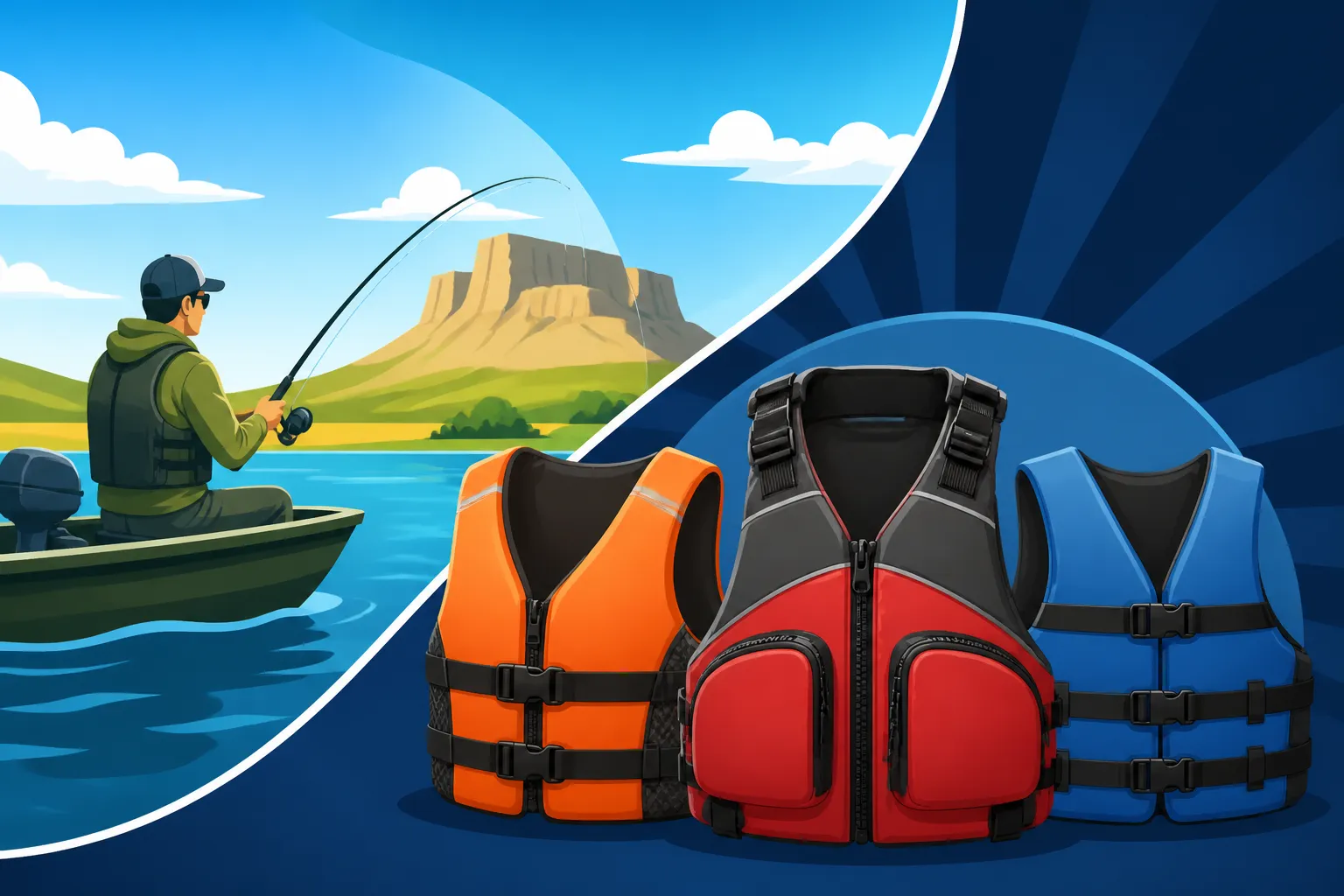
Type III PFDs are designed for continuous wear and are often seen as vests, fishing vests, or even full suits that offer excellent freedom of movement. They have the same minimum buoyancy as Type II vests but are cut differently to prioritize comfort and mobility. This makes them incredibly popular among anglers, kayakers, and paddleboarders.
If you're out Nebraska Kayak Fishing Techniques on Branched Oak Lake or casting for bass from the shore, a Type III jacket is likely your go-to. Many fishing-specific Type III vests even come with pockets and gear loops, making them practical additions to your tackle. The trade-off is that they are not designed to turn an unconscious person face-up; the wearer generally needs to be able to help themselves maintain a face-up position. Comfort is a huge factor, as an uncomfortable life jacket is one that people are less likely to wear.
Type IV: Throwable Devices
Unlike the other types, Type IV PFDs are not designed to be worn. These are throwable devices, such as ring buoys or buoyant cushions. While they don't count towards the required number of wearable life jackets for each person on board, they are a vital piece of safety equipment. Every vessel 16 feet or longer (excluding canoes and kayaks) must have at least one Type IV throwable device on board and readily accessible.
Imagine a scenario on Lake McConaughy where someone unexpectedly falls overboard. A throwable cushion can be deployed immediately, providing an instant flotation device for the person in the water while the boat circles back. They are particularly useful for quick rescues, preventing fatigue, and giving the person in the water something to hold onto until they can be pulled back into the boat. Keep them in an easily accessible spot, not tucked away in a storage locker.
Type V: Special Use Devices
Type V PFDs are quite specialized. These are approved for specific activities and must be worn to be counted as a legal PFD. Examples include inflatable life jackets, deck suits, or work vests. Inflatable PFDs are particularly popular with many Nebraska boaters because of their low profile and comfort, often hardly noticeable until deployed.
However, inflatable Type V PFDs come with specific usage requirements. They need to be regularly inspected to ensure the inflation mechanism is ready, and in most cases, they must be worn to count as a legal PFD. This makes them unsuitable for children 16 and under and for situations where the wearer might be unconscious or unable to inflate the device. Always check the label of a Type V PFD to understand its specific approval conditions and limitations. For serious anglers or those who spend long hours on the water, the comfort of an inflatable can't be beaten, but the maintenance and specific wear requirements are non-negotiable.
Here's a quick comparison of the main types of life jackets:
| Type | Description | Buoyancy (Minimum) | Best Use Case | Turns Unconscious Wearer Face-Up? |
|---|---|---|---|---|
| Type I | Offshore Life Jacket | 22 lbs. (foam) | Offshore, rough water, delayed rescue | Yes |
| Type II | Near-Shore Buoyant Vest | 15.5 lbs. (foam) | Inland, calm waters, quick rescue likely | May, but not guaranteed |
| Type III | Flotation Aid | 15.5 lbs. (foam) | Active sports, continuous wear, quick rescue | No |
| Type IV | Throwable Device | 16.5 lbs. (cushion), 18 lbs. (ring buoy) | Auxiliary, for immediate throw to person in water | Not applicable (not worn) |
| Type V | Special Use Device | Varies (e.g., 22 lbs. for inflatable) | Specific activities, must be worn to be effective | Varies (check label) |
Key Features to Look for in a Quality Life Jacket
Choosing a life jacket isn't just about picking a type; it's about finding one that truly fits your needs and will perform when it matters most. A cheap, uncomfortable, or ill-fitting life jacket is one that won't get worn, and that defeats the entire purpose. Investing in a quality PFD is an investment in your safety and enjoyment on Nebraska's waters.
Proper Fit and Comfort
This is arguably the most crucial feature. A life jacket that doesn't fit properly is not only uncomfortable, making you less likely to wear it, but it's also less effective in an emergency. If it's too loose, it can ride up around your ears and neck, hindering your ability to breathe and stay afloat. If it's too tight, it will restrict your movement and breathing, leading to discomfort and fatigue.
When trying on a life jacket, ensure it fits snugly but allows for full range of motion. For vests, check that all zippers and buckles can be fastened securely. Once on, lift your arms straight up. If the jacket rides up over your chin or ears, it's too big. You should be able to breathe deeply and move freely without excessive chafing. For children, the fit is even more critical; never buy a child's life jacket with the intention that they will "grow into it." The life jacket should fit their current weight and chest size perfectly. Many reputable outdoor stores, including Bass Pro Shops, have staff who can help ensure a proper fit.
Material and Durability
The materials used in a life jacket directly impact its durability, comfort, and performance. Most foam-filled PFDs use closed-cell foam, which provides inherent buoyancy. The outer shell is typically made from robust nylon or polyester fabrics, chosen for their resistance to UV damage, tears, and abrasions.
Consider the environment you'll be in. If you're fishing near sharp rocks on a river or frequently bumping against dock pilings, a more robust, ripstop fabric might be a better choice. Think about stitching quality, robust zippers, and strong buckles. While a less expensive jacket might save you a few dollars upfront, a well-constructed, durable PFD from a brand known for quality will last longer and provide more reliable protection over many seasons of Nebraska Fishing. Look for reinforced stress points where straps attach to the main body of the jacket.
Visibility and Safety Enhancements
In an emergency, being seen is just as important as staying afloat. Modern life jackets come with various features designed to enhance visibility and overall safety. Bright, fluorescent colors like orange, yellow, or lime green significantly increase your visibility, especially in choppy water or low-light conditions.
Many quality life jackets also include reflective tape, which can catch the light from searchlights or flashlights, making you easier to spot after dark. Other safety enhancements include whistles, which can be used to signal for help, and attachment points for lights or other safety gear. While these might seem like small details, they can make a critical difference in a real emergency, particularly if you find yourself adrift in an unexpected situation. When purchasing online from a site like Amazon, pay attention to the product descriptions and customer reviews regarding these safety features.
Choosing the Right Life Jacket for Specific Activities
Just as you wouldn't use a wrench for every repair job, you shouldn't expect one life jacket to be ideal for every type of Nebraska boating adventure. Matching your PFD to your activity enhances safety, comfort, and overall enjoyment on the water.
For Fishing and Recreational Boating
For general fishing trips on lakes like Harlan County Reservoir or casual recreational boating with the family, comfort and ease of movement are often high priorities. Many anglers prefer a Type III flotation aid due to its vest-like design, which allows for casting, reeling, and reaching for tackle without feeling overly restricted. These often have numerous pockets, perfect for stashing lures, pliers, or a small tackle box. Some are designed specifically for wading, allowing you to stay buoyant while still being able to stand in shallow water.
If you're primarily a warm-weather angler, an inflatable Type V PFD can be a fantastic choice. It offers minimal bulk and maximum freedom of movement. Just remember the caveats: they must be worn to be legal, require regular inspection, and are not suitable for children under 16. Consider how much gear you need to carry and whether the vest design offers practical storage solutions.
For Kayaking and Paddleboarding
Paddling sports demand even greater freedom of movement than traditional motor boating. Whether you're navigating the Niobrara River in a kayak or enjoying a peaceful stand-up paddleboard session on Holmes Lake, a Type III flotation aid is usually the best choice. These PFDs are often cut higher on the torso or have open sides to prevent chafing and allow for unrestricted paddle strokes.
Look for features like large armholes, breathable mesh panels, and adjustable shoulder straps for a custom fit. Some paddling-specific PFDs also include hydration pockets or knife attachment points, which can be invaluable on longer trips. The goal is a jacket you'll forget you're wearing, ensuring you're never tempted to take it off, even for a moment. This is particularly important for activities like Nebraska Kayak Fishing Techniques where balance and agility are key.
For Water Sports and High-Speed Activities
When you're involved in water skiing, wakeboarding, tubing, or other high-speed towed activities, the demands on a life jacket change significantly. The potential for impact with the water at high speeds means you need a PFD that will stay securely on your body and offer adequate protection.
For these activities, a snug-fitting Type III or a specialized Type V vest designed for water sports is essential. These vests are often designed with segmented foam panels that conform to your body, minimizing ride-up and providing a comfortable, secure fit even during violent impacts. Look for multiple adjustable straps and zippers to ensure it stays put. Remember, anyone being towed behind a vessel must wear a U.S. Coast Guard-approved life jacket, regardless of age. Their lives literally depend on it.
Life Jacket Care and Maintenance
Even the best life jacket won't last forever or perform optimally if it's not properly cared for. Neglecting your PFDs can lead to reduced buoyancy, weakened materials, and potential failure when you need them most. A little regular maintenance goes a long way in extending the life and reliability of your safety gear.
Regular Inspection and Cleaning
After every outing on the water, take a few minutes to inspect your life jackets. Look for any signs of wear and tear, such as rips, tears, frayed straps, broken buckles, or sticky zippers. Check for sun damage, which can degrade the fabric and foam over time. For inflatable PFDs, inspect the CO2 cartridge and the inflation mechanism to ensure it's in good working order and hasn't been accidentally deployed.
Cleaning is also important, especially if your jackets get exposed to saltwater, dirty lake water, or fish slime. Rinse them thoroughly with fresh water to remove any salt, dirt, or contaminants. For stubborn grime, use a mild soap and a soft brush, then rinse completely. Hang them to air dry in a well-ventilated area, away from direct sunlight, which can fade colors and weaken materials. Never use harsh chemicals or put life jackets in a washing machine or dryer, as this can damage the buoyancy material.
Proper Storage Techniques
How you store your life jackets significantly impacts their lifespan. Improper storage can lead to mildew, foam compression, and degradation of materials. Always ensure life jackets are completely dry before storing them. Storing a damp jacket in a confined space is a recipe for mildew growth, which can not only smell terrible but also weaken the fabric.
Store them in a cool, dry, well-ventilated area, away from direct sunlight or extreme temperatures. Avoid storing them under heavy objects that could compress the foam, as this can reduce buoyancy over time. Hanging them on sturdy hangers in a closet or dedicated storage locker is ideal. For boats, use ventilated storage compartments. Keeping your life jackets in good condition is a crucial part of your overall Nebraska Boat Registration and Fishing Rules responsibilities, ensuring they are always ready for use.
Special Considerations for All Anglers
Beyond the standard rules and types, there are often unique circumstances that require a bit more thought when it comes to life jackets. Thinking through these "what ifs" ahead of time can prevent issues down the line.
Life Jackets for Children
Children are naturally curious and often unpredictable, making proper life jacket selection and fit paramount. As mentioned earlier, Nebraska law requires children 12 and under to wear a life jacket at all times on a vessel. But it's not just about compliance; it's about their safety. A child's life jacket should be specifically designed for children, clearly labeled with their weight range.
Ensure the jacket has a crotch strap or grab handle. The crotch strap prevents the jacket from riding up over their head, which can be terrifying and dangerous. A grab handle can be invaluable for quickly pulling a child out of the water. Just like adult jackets, it needs to fit snugly but comfortably. Take your child with you to a store like Bass Pro Shops to try on different sizes and styles. Teach them how to wear it and get them comfortable with it early on.
Life Jackets for Pets
Many Nebraska families consider their furry friends part of the crew, and rightfully so! If your dog accompanies you on your boating or fishing adventures, a pet-specific flotation device is a wise investment. While not legally required, it's a common-sense safety measure.
Pet life jackets are designed to provide buoyancy, support, and often have a strong grab handle on the back, which is incredibly useful for lifting your dog back into the boat if they go overboard. Look for bright colors and reflective accents for visibility. Ensure it fits comfortably around their chest and belly without restricting their movement or ability to relieve themselves. Even good swimmers can become disoriented or fatigued in the water, especially in strong currents or cold temperatures.
Inflatable PFDs and Their Limitations
Inflatable life jackets, generally Type V, are incredibly popular due to their low profile and comfort, making them an excellent choice for anglers who want minimal bulk while casting. They come in two main categories: manual and automatic. Manual inflatables require the wearer to pull a cord to deploy the CO2 cartridge, while automatic inflatables deploy upon immersion in water.
However, they have distinct limitations. They are generally not approved for individuals under 16 years of age, for personal watercraft (PWCs), or for white water paddling. They also require more maintenance than foam-filled jackets, including regular inspections of the CO2 cartridge and activation mechanism. If you choose an inflatable, make sure you understand how to use it, how to re-arm it, and when it is legally required to be worn. While they offer superior comfort, they demand a higher level of user responsibility. You can find a wide range of options on sites like Amazon, but always double-check the U.S. Coast Guard approval details.
Life Jackets for Ice Fishing
While most people associate life jackets with open water, safety on ice is just as crucial, especially with unpredictable Nebraska winters. Although not specifically mandated for ice fishing in the same way as open water boating, wearing a flotation device can be a lifesaver if you break through the ice.
Many ice anglers opt for specialized flotation suits or vests that offer thermal insulation along with buoyancy. These "float suits" are designed to keep you warm and provide flotation should you fall into frigid water. If a full suit isn't an option, wearing a standard Type III PFD over your winter gear can still provide crucial buoyancy. The initial shock of cold water can be debilitating, and having immediate flotation can help you regain composure and self-rescue or wait for assistance. Prioritize your Nebraska Ice Fishing Safety Tips by including a reliable PFD in your gear.
Disclaimer
This article is for general informational purposes only and does not constitute professional advice. Laws, prices and regulations vary by location and change over time. Consult a qualified professional for guidance on your specific situation.