How to Catch Largemouth Bass in Farm Ponds
Oh, the humble farm pond. It looks so inviting, doesn't it? A tranquil oasis, often right in your backyard or just a short drive away, promising big bass. But if you’ve spent any time casting into one, you know the frustration: sometimes they’re absolutely loaded, and other times it feels like a barren puddle. There's a real art and science to unlocking the secrets of these smaller, often overlooked bodies of water for largemouth bass, and it's not always as straightforward as you'd hope. This comprehensive guide is here to unravel those mysteries, helping you understand the unique world of farm pond bass so you can consistently put fish in the net.
Understanding Farm Pond Dynamics for Largemouth Bass
Farm ponds might seem simple, but they are incredibly complex ecosystems, often more volatile and sensitive than larger lakes or reservoirs. What works in a sprawling public lake might fall flat here, leaving you scratching your head. Understanding these unique dynamics is the first step toward becoming a farm pond bass master.
The Unique Ecosystem of Farm Ponds
Unlike massive reservoirs like Lake McConaughy or even larger state recreation areas, farm ponds are typically smaller, shallower, and often more susceptible to environmental changes. They usually rely on rainwater runoff, groundwater, or small springs for their water supply. This means water levels can fluctuate dramatically depending on the season and recent rainfall, directly impacting where bass hold and what they're eating.
These ponds also tend to have a higher nutrient load from surrounding agricultural land, leading to more abundant aquatic vegetation and sometimes more turbid water. While too much algae can be detrimental, a healthy amount of submerged weeds, lily pads, or cattails can provide crucial ambush points and cover for largemouth bass. They're also often isolated, meaning their fish populations are self-contained and less influenced by larger river systems or constant stocking efforts, except for private stocking by landowners. This isolation can lead to very distinct fish populations, sometimes with an abundance of smaller fish if predation isn't balanced, or conversely, a few true giants if conditions are just right.
Key Factors Influencing Bass Behavior in Ponds
Bass behavior in a farm pond is a nuanced dance between several environmental factors. Being able to "read" these cues will drastically improve your success.
First up is water temperature. Ponds, being shallower, heat up and cool down much faster than larger bodies of water. In spring, warming shallow areas can quickly activate bass, drawing them into skinny water for spawning. Conversely, scorching Nebraska summers can push them deep or into dense cover where the water is cooler and oxygen levels are higher. In fall, as temperatures drop, bass will gorge themselves, becoming more aggressive before winter sets in. During colder months, they might become lethargic and seek out deeper pockets or areas with stable temperatures.
Next, consider oxygen levels. This is huge in farm ponds, especially in summer. Stagnant, warm water with decaying vegetation can deplete oxygen, making bass sluggish or pushing them to areas with fresh inflow, like where a culvert drains or a spring feeds in. A good rain can also temporarily increase oxygen by churning the water.
Forage availability is another critical piece of the puzzle. What are the bass eating? Are there abundant bluegill, minnows, or even crawfish? If so, matching your lure size and presentation to the dominant baitfish is crucial. Sometimes, farm ponds can become overpopulated with small bluegill, leading to a "stunted" bass population, but other times, a healthy forage base can produce massive, healthy bass.
Finally, cover and structure are paramount. Largemouth bass are ambush predators, and they absolutely love to hide. This includes everything from fallen trees, brush piles, submerged rocks, culverts, old tires, to natural vegetation like lily pads, cattails, and pondweed. If you can locate these features, you’re halfway to finding the fish. Remember, even a slight change in bottom contour, like a small dip or hump, can act as a significant piece of structure in an otherwise flat pond.
Essential Gear for Farm Pond Bass Fishing
You don't need a boatload of expensive gear to succeed in farm ponds, which is part of their charm! However, having the right basic setup can make a world of difference, improving your casting accuracy, sensitivity, and overall enjoyment. When it comes to fishing these intimate waters, sometimes less is truly more.
Rods, Reels, and Line Choices
For most farm pond scenarios, versatility is key. You're often dealing with varying types of cover, from open water to dense weeds.
-
Rods: A good all-around rod is a medium-heavy (MH) power casting rod, usually 6'6" to 7'2" in length. This offers enough backbone to pull a decent bass out of cover but still has enough tip sensitivity for lighter presentations. If you're planning on throwing heavier lures like big jigs or punching through mats of vegetation, you might bump up to a heavy (H) power rod. For lighter finesse techniques or smaller ponds, a medium (M) spinning rod can be incredibly effective, especially for beginners. For those just getting started, a reliable medium-heavy rod and reel combo for beginners in Nebraska can be found easily on platforms like Amazon.
-
Reels: For casting setups, a baitcasting reel with a gear ratio around 6.4:1 to 7.1:1 is a great choice. This allows for quick retrieves when necessary but also provides enough power for working slower baits. For spinning setups, a 2500 or 3000 series reel is perfect. Ensure your reel has a smooth drag system, as even small pond bass can make powerful runs.
-
Line: This is often overlooked but crucial for pond fishing.
- Monofilament (Mono): A good choice for topwater lures or crankbaits because its stretch helps keep fish hooked and prevents lures from overpowering sensitive rods. 10-14 lb test is usually sufficient.
- Fluorocarbon (Fluoro): Almost invisible underwater, making it excellent for clear water conditions and finesse presentations. It also offers more sensitivity than mono. Use 10-15 lb test for most applications.
- Braided Line: The king of strength and sensitivity with no stretch. Ideal for fishing heavy cover, punching mats, or throwing frogs. Because of its visibility, it’s often best to tie a 12-20 lb fluorocarbon leader to your braided mainline (20-40 lb test) when using it in clearer water.
A balanced setup will allow you to present your lures accurately and feel even the subtlest bites.
Must-Have Lures and Baits for Ponds
When it comes to lures for Nebraska bass, simplicity and effectiveness are paramount in farm ponds. You don't need a massive tackle box, but a selection of key baits will cover most situations.
-
Topwater Lures: These are thrilling and incredibly effective, especially during low-light conditions (dawn/dusk) or overcast days. Poppers, walking baits (like a Zara Spook), and prop baits can entice explosive strikes. Don't forget frogs – hollow-bodied frogs are fantastic for fishing over lily pads, weeds, and other dense cover where other lures would snag. These are often the first thing people grab for early morning or evening fishing.
-
Soft Plastics: This category is probably the most versatile for farm ponds.
- Plastic Worms: Texas-rigged worms (6-10 inches) are weedless and can be fished through almost any cover. Colors like green pumpkin, junebug, and black are perennial favorites.
- Senkos/Stick Baits: Weightless wacky-rigged or Texas-rigged Senkos have an irresistible fall that pond bass can't ignore. They're subtle and effective in both open water and sparse cover.
- Creature Baits/Jigs: Flipping and pitching jigs or creature baits (like a Rage Craw or Brush Hog) into dense cover or under docks can draw big bites. These mimic crawfish, a primary food source for bass.
- Having a variety of soft plastic worm colors for Nebraska ponds is a surefire way to increase your hook-ups.
-
Crankbaits and Spinnerbaits:
- Square Bill Crankbaits: Excellent for shallow water and bumping off wood or rocks. Their erratic action can trigger reaction strikes.
- Diving Crankbaits: Good for probing deeper areas or when bass are suspended.
- Spinnerbaits: With their flash and vibration, spinnerbaits are fantastic for covering water quickly, especially around emergent vegetation or when the water is a bit stained.
-
Live Bait: Don't underestimate the power of live bait, especially when fishing with kids or for finicky bass. Nightcrawlers under a bobber are always a hit, and live minnows can be deadly when retrieved slowly or fished under a float. It's often the easiest way to ensure a bend in the rod, making it a great option for a first fish for a kid to catch in Nebraska.
Here's a quick table to help you decide which lures to tie on for specific farm pond conditions:
| Lure Type | Best Conditions | Ideal Cover | Retrieve Style | Notes |
|---|---|---|---|---|
| Hollow-Body Frog | Over dense vegetation, lily pads, mats, low light | Heavy weeds, pads, timber | Walk the dog, twitch & pause, slow & steady | Weedless, excels where other lures snag. |
| Plastic Worm | All conditions, especially clear to slightly stained | Varied, from open to dense | Texas-rigged, Carolina-rigged, wacky-rigged | Versatile, natural presentation, wide color selection. |
| Jigs (w/ Trailer) | Heavy cover, bottom fishing, deeper areas | Wood, rocks, brush piles | Hop, drag, swim, subtle shakes | Mimics crawfish, good for bigger bass. |
| Square Bill Crank | Shallow water (0-5 ft), aggressive fish | Wood, rocks, riprap | Fast retrieve, deflect off cover | Triggers reaction strikes, great for covering water. |
| Spinnerbait | Wind, stained water, emergent vegetation | Weeds, sparse cover, open | Steady retrieve, slow roll, stop & go | Flash and vibration attract fish, good for covering water quickly. |
| Popper/Walker | Calm water, low light, around sparse cover | Docks, brush, open water | Pop, twitch, walk the dog | Exciting topwater strikes, draw fish from a distance. |
| Live Minnow | All conditions, finicky fish, slow bite | Varied, suspended fish | Under a bobber, slow retrieve with split shot | Highly effective, especially for beginners or tough days. |
Strategic Approaches to Finding and Targeting Bass
Catching bass in farm ponds isn't just about having the right gear; it’s about understanding where they live and how to approach those spots. Farm ponds, with their compact nature, often reveal their secrets faster if you know what to look for.
Reading the Water and Identifying Prime Locations
When you first approach a farm pond, take a moment to observe. Don't just cast blindly. Look for visual cues that tell you where the bass might be.
- Cover is King: Always start by identifying obvious cover. This includes fallen trees, brush piles, docks, culverts, tire piles, or even old machinery. These offer shade, ambush points, and protection from predators. If you see lily pads, cattails, or patches of submerged grass, these are goldmines. Bass love to tuck into these areas, waiting for an unsuspecting meal to swim by.
- Depth Changes: Even subtle changes in depth can be significant in a small pond. A small drop-off, a creek channel running through, or a hump in the middle can concentrate bass. Use a depth finder if you have one, or simply pay attention to how quickly your lure reaches the bottom.
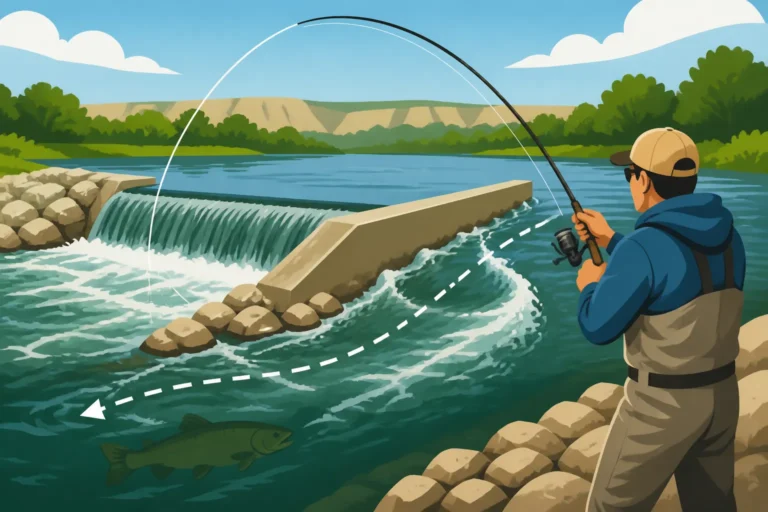
- Inflow/Outflow Areas: Where fresh water enters or exits the pond (like a small stream, culvert, or spillway) can be a hotspot. These areas often have higher oxygen levels and can wash in food.
- Shade and Structure: On sunny days, bass will often seek refuge in the shade provided by overhanging trees, docks, or tall banks. These spots offer relief from direct sunlight and also provide a dark backdrop against which they can ambush prey.
- Water Clarity and Color: Clear water might call for more subtle presentations and natural colors, while stained or muddy water allows for bolder colors and more noisy lures. If the water is particularly muddy, you might refer to strategies for how to catch largemouth bass in muddy water, often focusing on scent and vibration.
Walk the banks, scan with your eyes, and imagine yourself as a bass – where would you hide? Where would you wait for food?
Seasonal Tactics for Pond Bass
Bass behavior shifts dramatically with the seasons in farm ponds, often more abruptly than in larger lakes.
- Spring: This is prime time! As water temperatures rise into the 50s and 60s, bass move shallow to feed heavily and then spawn. Look for them in northern coves and shallow flats that warm up fastest. Spinnerbaits, shallow crankbaits, and soft plastics like Texas-rigged worms are excellent choices. Post-spawn, bass might be a bit lethargic but will soon move to secondary points and cover to recover.
- Summer: The dog days of summer can be challenging. Pond water gets hot, and oxygen levels can drop. Bass will often move deeper if available, or hide in the densest, shadiest cover during the heat of the day. Early morning and late evening topwater action can be incredible. During the day, pitch jigs, heavy Texas-rigged worms, or Senkos into thick mats, under docks, or into the deepest holes you can find. Strategies for how to catch bass in farm ponds during summer often emphasize fishing low light periods or targeting deep cover.
- Fall: As water temperatures cool, bass go on a feeding frenzy to bulk up for winter. This is another fantastic time to fish! They'll often be shallower, actively chasing baitfish. Spinnerbaits, lipless crankbaits, and jerkbaits can be incredibly effective as bass are often schooling and actively hunting. They might hold on points or around remaining green vegetation.
- Winter: Fishing can be tough but rewarding. Bass are lethargic and often hold in the deepest, most stable water available. Slow, subtle presentations are key. Jigs, jigging spoons, or slowly dragged finesse worms can tempt a bite. Focus on sunny, warmer afternoons if possible, and be patient.
The Importance of Stealth and Approach
Because farm ponds are smaller and often less pressured than public waters, bass can be incredibly wary. Your approach can make or break your day.
- Walk Lightly: Heavy footsteps on the bank send vibrations through the water, alerting fish. Approach your chosen fishing spot quietly and slowly.
- Stay Low and Hidden: Especially in clear water, bass can see you. If possible, stay behind bushes, trees, or the crest of a bank. Wear natural colors that blend in with your surroundings.
- Cast Beyond Your Target: Don't cast directly onto the spot you think fish are holding. Instead, cast past it and retrieve your lure into the strike zone. This minimizes splashing near the fish and allows your lure to enter the area naturally.
- Silence is Golden: Avoid loud noises. This includes talking loudly, dropping tackle boxes, or slamming car doors nearby. The calmer and quieter you are, the more likely you are to surprise a bass.
- Consider Wind and Sun: Cast with the wind at your back to maximize distance and accuracy. Also, try to keep the sun out of the fish's eyes, putting it in their face while keeping it at your back, making you less visible to them.
Remember, every little bit of caution you take can lead to more bites. These fish live in a confined world, and they're highly attuned to anything out of the ordinary.
Mastering Pond Bass Techniques
Once you've got your gear and you know where to look, it's time to talk about how to present your lures effectively. Farm pond bass might be less pressured, but they can still be picky. A varied approach is often the most successful.
Topwater Action and Frogs
There’s nothing quite like the explosive strike of a bass on a topwater lure. In farm ponds, with their often abundant vegetation, this technique truly shines.
- Walking Baits and Poppers: These are fantastic for open water sections, around boat docks, or along sparse weed lines. The "walk-the-dog" retrieve for walking baits (like a Heddon Zara Spook) involves rhythmic twitches of the rod tip that make the lure zig-zag enticingly across the surface. Poppers, as their name suggests, create a "pop" and splash, imitating a struggling baitfish. Vary your retrieve speed and pause duration until you find what the bass prefer. Sometimes a slow, deliberate twitch is all it takes, other times a faster, more erratic retrieve.
- Hollow-Bodied Frogs: If a pond is choked with lily pads, thick submerged weeds, or matted vegetation, a hollow-bodied frog is your absolute best friend. They are incredibly weedless and can be retrieved right over the densest cover. Cast them into pockets, over mats, and let them sit for a moment. Then, twitch them, make them walk, or simply retrieve them with a steady pace that makes their legs kick. When a bass blows up on a frog, resist the urge to set the hook immediately! Wait until you feel the weight of the fish on your line before sweeping the rod back hard. This gives the bass a chance to fully engulf the lure, increasing your hook-up ratio significantly. Popular brands like Livetarget and Strike King make excellent frog lures that are widely available on Amazon.
Topwater fishing is often best during low-light conditions (dawn and dusk), on overcast days, or when there's a light chop on the water, which breaks up the surface and makes your lure look more natural.
Subsurface Lures and Soft Plastics
When bass aren't looking up, you need to go after them below the surface. This is where jigs, crankbaits, and the incredibly versatile soft plastics come into play.
- Jigs: Flipping and pitching jigs (with a craw or creature trailer) into heavy cover is a classic big bass technique. Work them slowly along the bottom, hopping them over logs, through brush, or under docks. The subtle presentation of a jig can trigger bites from even the most cautious bass. Colors like black and blue, green pumpkin, and brown are always great starting points.
- Crankbaits: Square bill crankbaits are phenomenal for shallow ponds, especially when bass are actively feeding. Cast them parallel to shorelines, over submerged timber, or along rocky banks, letting them deflect off cover. The erratic action often provokes a reaction strike. Deeper diving crankbaits can be used in ponds with deeper holes or creek channels. Remember to use a retrieve speed that allows the bait to reach its intended depth and action.
- Spinnerbaits: With their pulsating blades and vibrating skirt, spinnerbaits are fantastic search baits. They excel in stained water or when there's a bit of wind. Cast them around emergent vegetation, sparse wood, or simply reel them steadily over flats to find active fish. You can also "slow roll" them along the bottom or use a stop-and-go retrieve.
- Soft Plastics (Texas-rigged and Wacky-rigged): If there’s one lure type you should master for farm ponds, it’s soft plastics.
- Texas Rig: This is your bread and butter for fishing worms, creature baits, and craws in cover. The hook point is skin-hooked into the plastic, making it weedless. Use a bullet weight to help it penetrate cover. Work it slowly, hopping or dragging it along the bottom. This is extremely effective around any type of structure, whether it's submerged wood or heavy weeds.
- Wacky Rig: This involves hooking a stick bait (like a Senko) through its center, allowing both ends to wiggle seductively on the fall. It's a more finesse presentation, incredibly effective in clear water or for finicky bass. Cast it near cover, let it fall, twitch it gently, and let it fall again. The slow, tantalizing shimmy of a wacky-rigged Senko is often irresistible. Consider using a weedless wacky hook if fishing around sparse vegetation. Many anglers find a good selection of these on Amazon.
The key to subsurface fishing is often a slow, methodical retrieve. Let the lure do the work and pay close attention to any subtle taps or changes in line tension that might indicate a bite.
Live Bait Tactics for Finicky Bass
Sometimes, artificial lures just won't cut it, especially on tough days or when fishing with less experienced anglers. This is when live bait can be your secret weapon in farm ponds. Live bait appeals to a bass's most basic instincts, often triggering strikes when nothing else will.
- Nightcrawlers: The quintessential bait for almost any freshwater fish, nightcrawlers are highly effective for bass, especially smaller ones, but larger bass won't pass up a juicy worm. You can fish them in several ways:
- Under a Bobber: This is perfect for beginners and kids. Hook a nightcrawler once or twice through the middle or head, set a bobber at a depth where the worm will be near cover or just off the bottom, and wait. The bobber acts as a visual strike indicator.
- Carolina Rig: For more subtle bottom fishing, rig a nightcrawler on a Carolina rig. This allows the worm to float enticingly above the bottom, trailing behind a weight.
- Weightless: If you see bass cruising near the surface or around sparse cover, simply nose-hook a nightcrawler and let it slowly flutter down. The natural movement can be incredibly appealing.
- Minnows: Live minnows are a fantastic bait for tempting bigger, more cautious bass. They perfectly imitate a bass's natural forage.
- Under a Bobber: Like nightcrawlers, minnows can be suspended under a bobber near cover. Hook them lightly through the lips or just behind the dorsal fin to keep them lively.
- Free-Lining: In clear ponds or when bass are actively feeding, you can free-line a minnow with no weight or bobber. Let it swim naturally, and watch your line for any sudden movement.
- Drop-Shot: For a more advanced presentation, rig a minnow on a drop-shot rig. This keeps the minnow at a precise depth above a bottom-hugging weight, making it an irresistible target.
When using live bait, patience is key. Give the bass time to take the bait before setting the hook. When fishing with live bait, especially in a farm pond where you might encounter many species, remember that the best first fish for a kid to catch in Nebraska might just be a plump bluegill, making the experience memorable even if the bass aren't biting right away.
Farm Pond Etiquette and Conservation
Fishing on private farm ponds comes with responsibilities that go beyond just catching fish. It's about respecting the land, the landowner, and the resource itself. Failing to observe proper etiquette and conservation practices can quickly lead to losing your fishing privileges or harming the pond's ecosystem for future generations.
Respecting Private Property and Landowners
The most crucial aspect of farm pond fishing is permission. Most farm ponds are on private land. Never assume you can just show up and start fishing. This is not only illegal trespassing but also incredibly disrespectful to the property owner.
- Always Ask First: Before you even think about wetting a line, find the landowner and politely ask for permission. Be prepared to introduce yourself, explain why you're interested in fishing their pond, and offer to share your catch. Many landowners are happy to grant access to respectful anglers, especially if you offer to help manage their pond's fish population or simply keep an eye on things.
- Follow Their Rules: Once granted permission, adhere strictly to any rules or requests the landowner might have. This could include specific areas you can or cannot fish, times of day, or catch limits they prefer. Remember, it's their property, and their rules supersede general state regulations if they are stricter.
- Leave No Trace: Pack out everything you pack in – and then some. This means all your trash, including fishing line, bait containers, and food wrappers. Don't leave discarded hooks or weights behind.
- Be Mindful of Livestock and Crops: If there are cattle, horses, or crops, be extra careful not to disturb them. Close gates, don't leave trash where animals can get to it, and stick to designated paths or areas. Damaging property or disturbing animals is a quick way to lose your fishing privileges forever. The rules around Nebraska farm pond fishing permission and access are fairly straightforward but absolutely essential to follow.
Building a good relationship with a landowner can provide you with exclusive access to fantastic fishing for years to come. Treat their property with more respect than you would your own.
Catch and Release Best Practices
Many farm ponds have delicate ecosystems. Practicing responsible catch and release, especially for larger bass, is vital for maintaining a healthy fish population and ensuring the pond remains productive.
- Handle Fish Gently: Minimize the time the fish is out of the water. Support its body horizontally, especially larger bass, to avoid damaging internal organs or its jaw. Wet your hands before touching the fish to protect its protective slime coat.
- Remove Hooks Quickly: Use pliers or a de-hooking tool to remove hooks cleanly and quickly. If a fish is deeply hooked, especially in the gills, it might be best to cut the line as close to the hook as possible rather than tearing sensitive tissue.
- Revive If Necessary: If a fish seems sluggish or stressed after a fight, gently hold it in the water, supporting its belly, and facing it into any current until it swims away under its own power. Don't just toss it back; ensure it's strong enough to survive.
- Know When to Keep and When to Release: While large bass are impressive, sometimes removing smaller, more numerous bass can actually improve the health of the pond by reducing competition and allowing remaining fish to grow larger. Conversely, releasing all large, predatory bass is crucial for controlling populations of forage fish like bluegill. Talk to the landowner about their preferences for fish management. For general guidelines, remember Nebraska bass length limits, but be prepared for a landowner to have stricter rules.
- Understand Pond Health: Over-harvesting or exclusively targeting the biggest bass can throw a pond's ecosystem out of whack. A healthy pond often has a good balance of different size classes of fish. Practicing general catch and release best practices in Nebraska is important for all water bodies, but particularly so in smaller, contained environments like farm ponds.
By being a good steward of the land and a responsible angler, you're not just ensuring your own future fishing opportunities but also contributing to the overall health and sustainability of Nebraska's fantastic farm pond fisheries.
Disclaimer
Fishing regulations can change. Always consult the latest Nebraska Game and Parks Commission regulations before heading out. This guide is for informational purposes only and does not supersede official regulations or local laws.