Best Nebraska Fishing Spots During Spring Runoff
Spring runoff in Nebraska can be a real head-scratcher for anglers. One day the river is clear, the next it's a muddy torrent, leaving many of us wondering if it's even worth casting a line. But don't pack away your gear just yet! This guide is going to dive deep into understanding spring runoff and, more importantly, reveal the best spots to find fishing success even when the waters are high and turbid, proving that some of the year's best fishing can happen during this challenging period.
Understanding the Dynamics of Spring Runoff in Nebraska Rivers
Spring runoff is a natural and often dramatic event in Nebraska, triggered by melting snow, heavy spring rains, or a combination of both. It transforms our beloved rivers and streams, bringing both challenges and unique opportunities for anglers. Many folks get frustrated, thinking fishing is impossible when the water looks like chocolate milk, but that's just not true if you know what to look for.
What Happens During Runoff
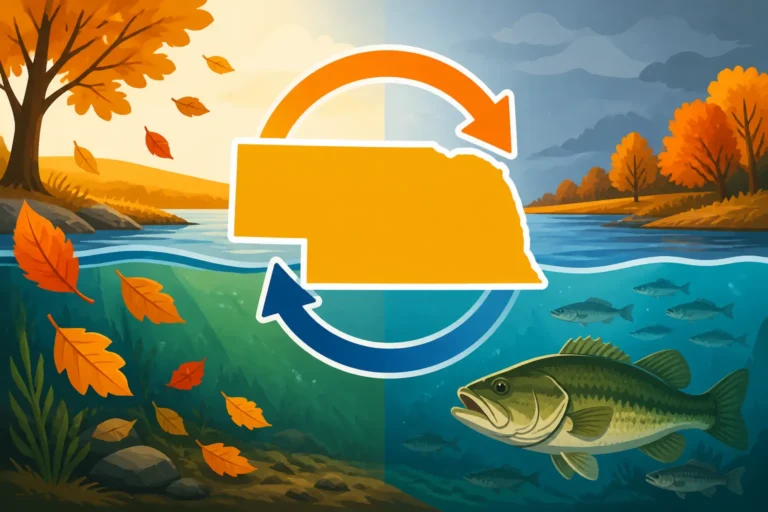
When snow melts quickly or widespread rains hit, the water levels in rivers and streams surge. This influx of water carries sediment, debris, and nutrients, drastically changing the water clarity and increasing current speeds. It’s like the river is hitting the refresh button! This isn't just a simple rise in water; it's a complete shift in the aquatic environment. Fish that were comfortably holding in certain spots might be dislodged or find their usual feeding lanes completely changed. The extra flow can also bring cooler water from snowmelt or warmer water from rain, impacting water temperatures which are crucial for fish activity. Understanding how these factors interact is key to cracking the code of Spring Fishing in Nebraska.
The heightened current can be both a blessing and a curse. On one hand, it can wash out prime fishing spots, making it difficult for fish to hold position and for anglers to present baits effectively. On the other hand, it can dislodge food sources – worms, insects, and small crustaceans – from the banks, sending them tumbling downstream and creating a buffet for hungry fish. This is why some species actually become more active during runoff, capitalizing on the easy meals. It's a time of great change, and fish are experts at adapting.
How Fish React to High and Murky Water
Fish, like all creatures, are survivors. When runoff hits, they don't just disappear; they adapt their behavior. Many species will seek out areas with reduced current, such as eddies, slack water behind obstructions, backwaters, and feeder creeks. These spots offer a reprieve from the main channel's relentless flow, allowing them to conserve energy. Think of it as finding a quiet cove during a storm. They might also move closer to the banks, where the current is often slower and newly submerged vegetation or structure provides cover and ambush points.
The decreased water clarity, while daunting to us, can actually work to your advantage. Murky water provides excellent camouflage for predatory fish, allowing them to ambush prey more easily. This means they might be less wary of your presence or your presentation. Furthermore, the lowered visibility can make scent-based baits incredibly effective, as fish rely more on their sense of smell when their vision is impaired. You might find that species like catfish, which already have an incredible sense of smell, become exceptionally active during these periods. This is a critical insight for anyone looking to understand How High Water Affects River Fishing in Nebraska.
Strategic Approaches to Fishing During High Water
Fishing during spring runoff demands a shift in strategy. What works in clear, stable conditions often won't cut it when the rivers are raging. It’s about adapting your mindset, your gear, and your approach to match the conditions. Don't be afraid to experiment; sometimes the craziest ideas yield the best results when the river changes its tune.
Targeting Slack Water and Current Breaks
The most crucial strategy during runoff is to focus your efforts on areas where the current is significantly reduced. These are the fish magnets. Look for deep eddies behind bridge pilings, large rock formations, fallen trees, or tight bends in the river. Backwater sloughs, oxbow lakes connected to the main channel, and the mouths of smaller, clearer tributaries can also be goldmines. These spots offer fish a place to rest, digest, and wait for food to drift by.
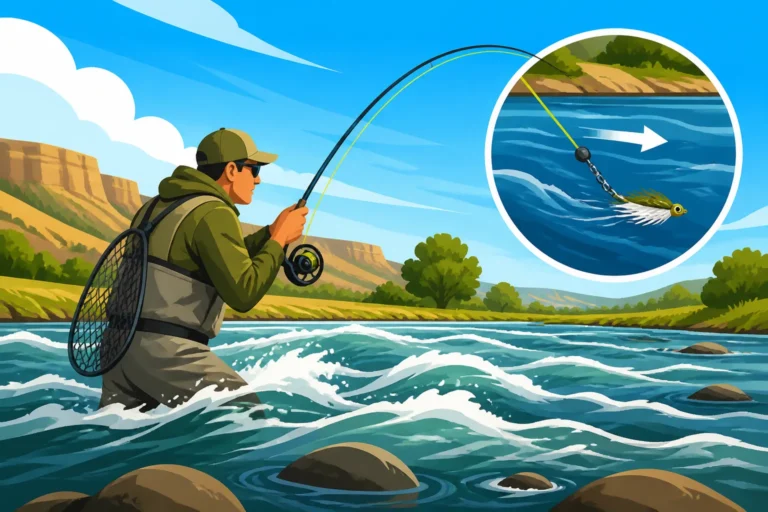
When you find these current breaks, think about how the fish might position themselves. They'll typically face upstream, waiting for food to be swept into their zone. Presenting your bait or lure so it drifts naturally into these calmer pockets, mimicking a dislodged food item, is often incredibly effective. This might mean casting upstream of the target area and letting the current carry your offering down. For species like walleye or bass, pitching jigs or crankbaits parallel to a current seam where fast water meets slow can be deadly.
Choosing the Right Baits and Lures
In murky, high water, fish rely more on their other senses – smell, vibration, and lateral line detection. This means your bait selection should reflect these conditions. Natural baits with strong scents are often paramount. Cut bait, nightcrawlers, and stink baits are excellent choices for catfish and other scavengers. You can find a great selection of proven catfish baits, along with robust tackle, on platforms like Amazon. For predatory fish like walleye or bass, consider larger, more brightly colored lures that create a lot of vibration.
Deep-diving crankbaits in chartreuse, orange, or firetiger patterns can be very effective as they push a lot of water and create a strong visual profile. Spinnerbaits with large blades, particularly Colorado blades, also generate significant vibration and flash. Jigs tipped with scent-infused soft plastics or live bait, worked slowly along the bottom of current seams or slack water, are another reliable option. Remember, the goal is to make your offering as noticeable as possible without being unnatural. Don't forget to check out Best Bait for Nebraska Catfish for more specific tips.
Prime Nebraska Locations When the Runoff Hits
While runoff can affect nearly every water body, some spots handle it better or offer unique advantages. Focusing on these areas can save you a lot of wasted time and increase your chances of success significantly. These aren't secrets; they're just places where the river's character during high water creates favorable fishing conditions.
Major Rivers and Their Tributaries
Nebraska's larger rivers, like the Platte and Missouri, are often the first to feel the effects of spring runoff. While the main channels can become raging torrents, their sheer size means there are also more prominent current breaks, eddies, and backwater areas where fish can retreat. The confluence points of smaller, less impacted tributaries entering these major rivers can be particularly productive. The clearer water from the tributary often forms a distinct line with the muddy main river, creating an obvious transition zone where fish gather.
- Platte River: When the Platte River Fishing Guide mentions high water, focus on areas around larger bridge pilings (if safe to access), downstream of significant bends where eddies form, or at the mouths of any small creeks flowing into it. The slower, deeper holes can hold a surprising number of fish.
- Missouri River: The vastness of the Missouri River offers countless current breaks, especially around wing dams, riprap banks, and protected coves. Look for any structure that disrupts the main flow. Boat ramps and developed access points often have riprap nearby which creates excellent fish habitat even in high water. For more on this, consult the Missouri River Fishing in Nebraska guide.
Reservoirs and Large Lakes
While rivers are directly impacted by runoff, large reservoirs and lakes connected to these river systems also experience changes. The inflowing rivers bring a plume of muddy, nutrient-rich water into the lake. While this might make the immediate upstream areas murky, it often concentrates fish near the clearer water lines or in sections of the lake that are less affected.
Fish in reservoirs will often move to the upper arms where the river enters, particularly near the current breaks and new food sources. However, they might also retreat to the main body of the lake, seeking deeper, more stable water or finding refuge in coves and bays that are sheltered from the incoming flow. Look for areas where wind and current push debris into concentrated "trash lines" – these often hold baitfish, which in turn attract predators.
Consider lakes like Lake McConaughy, Branched Oak Lake, or Harlan County Reservoir. The inflowing rivers can bring a surge of murky water, but the sheer size of these impoundments means plenty of areas remain fishable. Focus on bays and coves protected from the primary inflow, or target specific points and structures along the main lake that create current breaks.
Smaller, Less-Affected Waters
Sometimes, the best strategy during widespread river runoff is to seek out smaller, independent water bodies that aren't as directly connected to the major river systems. This includes many smaller state recreation area ponds, local urban lakes, or even well-maintained farm ponds (with permission, of course!). These waters might experience some turbidity from local rain, but they won't have the intense, sustained current and massive sediment loads that characterize river runoff.
These smaller bodies of water often warm up faster in the spring, and their fish populations (often stocked with trout, panfish, or channel catfish) will be more active and less stressed by extreme current. They can provide a fantastic alternative for a family fishing outing or simply when you want a more predictable experience. For tips on where to find these gems, check out "Best Nebraska Urban Fishing Program Ponds" or "Best Nebraska Farm Pond Fishing Access".
Here's a quick guide to common runoff scenarios and where to focus your efforts:
| Runoff Scenario | Typical Conditions | Best Species to Target | Recommended Spots | Essential Gear Considerations |
|---|---|---|---|---|
| Heavy River Runoff | High, fast, muddy water in main channels | Catfish, Northern Pike | Large eddies, tributary mouths, protected backwaters | Heavy rods, braided line (e.g., from Amazon), large weights, scented baits, bright crankbaits |
| Moderate River Runoff | Elevated but still fishable; slightly stained | Walleye, Bass, Catfish | Current seams, riprap, submerged structure near banks | Medium-heavy rods, jigs with soft plastics, crawler harnesses, medium-diving crankbaits, live bait |
| Lake/Reservoir Inflow Runoff | Murky inflow plume, clearer main lake | Walleye, Wiper, Crappie | Upstream arms, wind-blown points, deep coves, trash lines | Trolling setups, spoons, jigs, a good fish finder to locate schools in clearer water. |
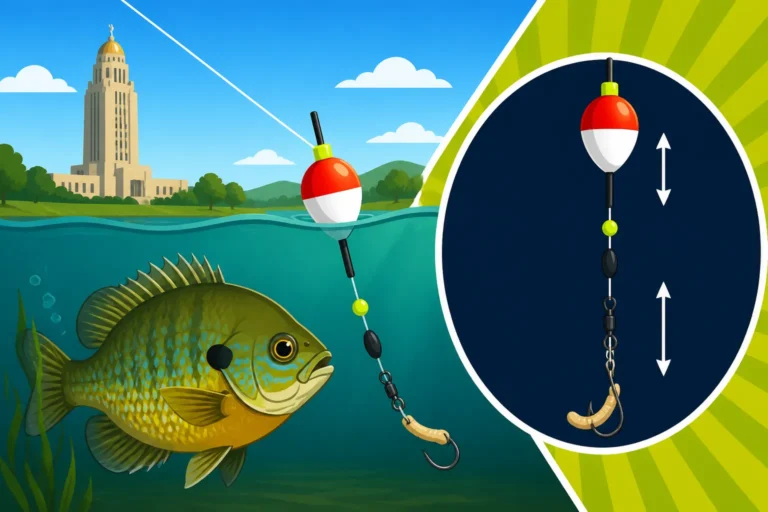
| Local Pond/Small Lake Rain | Slight rise, minor turbidity, good warmth | Panfish, Bass, Catfish | Shallow flats, weed lines, structure in warmer water | Light tackle, bobbers, worms, small jigs, spinnerbaits, topwater lures. |
Essential Safety and Gear for Runoff Fishing
Fishing during spring runoff isn't just about finding fish; it's also about staying safe and being properly equipped. The conditions can be challenging, and precautions are paramount. High water is powerful, unpredictable, and can be dangerous if not treated with respect.
Safety First: Navigating High Water
The most critical aspect of runoff fishing is safety. High water means increased current, potential for submerged debris, and unstable banks. Always fish with a buddy if possible, and let someone know your plans and expected return time. Wear a personal flotation device (PFD), even if you're fishing from the bank near a swift current; a slip can happen to anyone. Be extra cautious around riverbanks, as erosion can create unstable footing. Never wade into water with strong currents unless you are absolutely certain of the depth and bottom conditions, and even then, proceed with extreme caution. Remember, a few inches of fast-moving water can knock you off your feet.
If you're boating, check river gauges and forecasts before you go. Be aware of debris, strong eddies, and submerged hazards that might not be visible in murky water. Ensure your boat is properly equipped with all required safety gear. When fishing from shore, identify safe entry and exit points, and always have an escape plan should conditions worsen unexpectedly. This isn't just a friendly suggestion; it's vital for your well-being.
Gear for the Conditions
Your gear choices also need to adapt. Heavier rods and reels are often necessary to handle the increased current and potentially larger, stronger fish that are actively feeding. A medium-heavy or heavy power rod with a fast action is a good all-around choice for river fishing during runoff. For line, consider using braided line with a fluorocarbon leader. Braided line offers superior strength, sensitivity, and resistance to abrasion from debris, which can be particularly useful in murky, debris-filled water. You can find excellent quality braided lines and reels perfect for these conditions on Amazon.
Don't forget the practical necessities beyond your rod and reel. A good pair of waterproof boots or chest waders will be invaluable if you plan on wading (safely!) or fishing from muddy banks. Look for durable, comfortable options, easily accessible from retailers like Amazon. A reliable headlamp is crucial if you're fishing at dawn or dusk, or even into the night, as visibility can diminish quickly. Finally, a robust landing net will help you safely land bigger fish that might be fighting harder in the current. Prepare for the conditions, and your experience will be much more enjoyable and successful.
Disclaimer
This article is for general informational purposes only and does not constitute professional advice. Laws, prices and regulations vary by location and change over time. Consult a qualified professional for guidance on your specific situation.