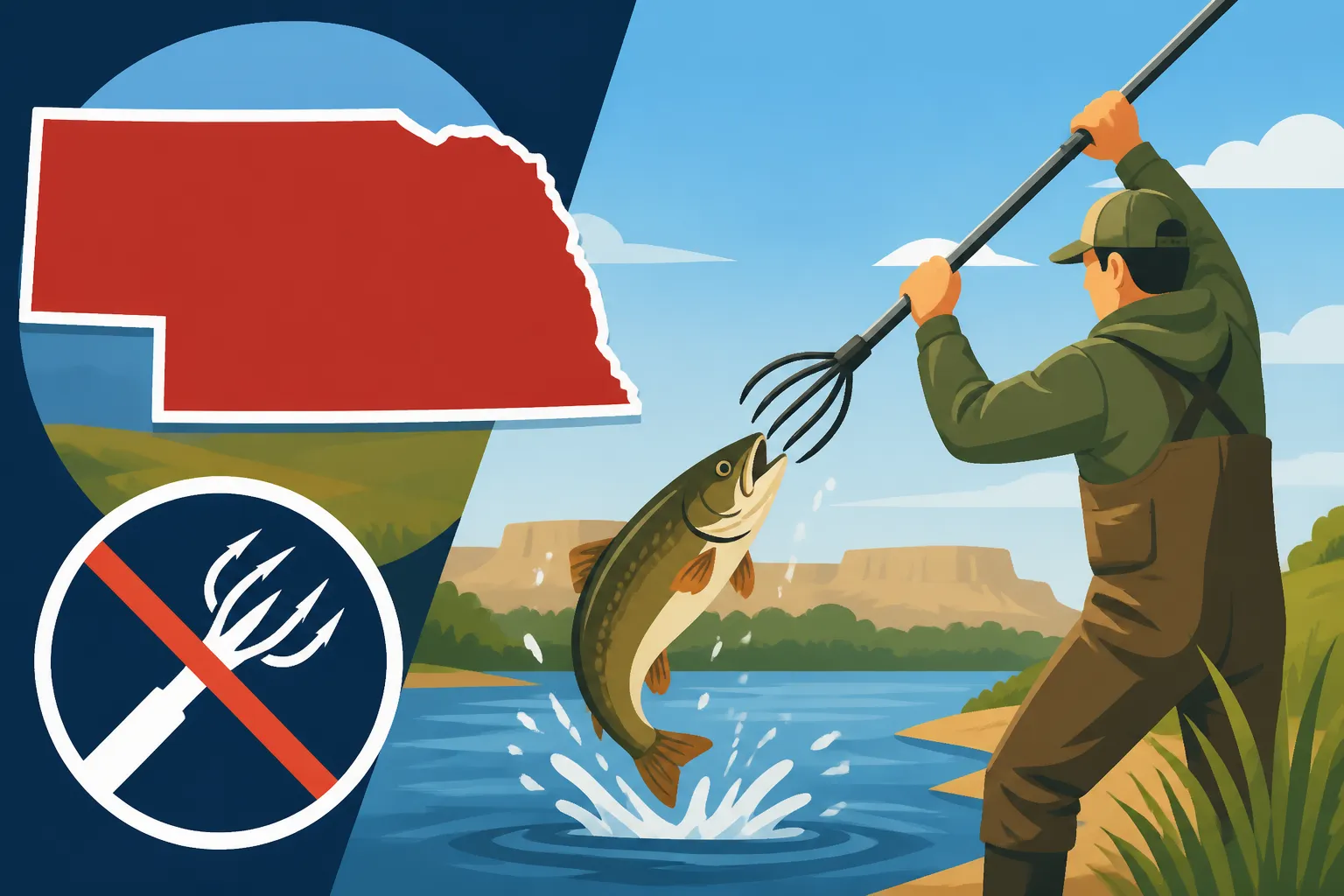
Nebraska Snagging Regulations
It’s a unique pursuit, isn't it? The idea of "snagging" fish often sparks a lot of confusion and even a little controversy among anglers. Many folks assume it’s always illegal or somehow against the spirit of fair chase, but Nebraska has very specific regulations governing this technique, particularly for our magnificent paddlefish. If you've ever felt overwhelmed trying to understand when, where, and how you can legally snag in the Cornhusker State, this comprehensive guide is here to clear up all that murky water for you.
Understanding What Snagging Means in Nebraska
Let's cut through the jargon and get straight to it. When we talk about "snagging" in Nebraska, we're talking about a very specific method of fishing that, while permitted, is heavily regulated. It's not about fooling a fish with bait or a lure; it’s about physically hooking it in any part of its body other than the mouth. This often involves a forceful, sweeping motion of the rod and reel to "foul hook" the fish.
Defining "Snagging" Legally
The Nebraska Game and Parks Commission (NGPC) defines snagging quite clearly, and it’s important to grasp this distinction. Unlike traditional angling where a fish takes a hook into its mouth, snagging is the act of intentionally trying to hook a fish externally. For many species, this is indeed illegal and considered a violation of fair sport fishing principles. It's often associated with attempting to catch fish that aren't actively biting or feeding.
However, for a select few species and under very strict conditions, Nebraska makes an exception. This exception is primarily for paddlefish, which are filter feeders and generally do not bite traditional baits or lures. Without snagging, harvesting these ancient, impressive fish would be virtually impossible. So, while it might seem counterintuitive to a conventional angler, for paddlefish, snagging is the recognized and legal method of harvest. It's a method that comes with its own set of challenges and frustrations, especially when you consider the sheer power of a paddlefish and the heavy gear needed to land one. It’s easy to assume snagging is just "foul play," but in specific contexts here in Nebraska, it's a long-standing, regulated fishing method.
The Target Species: Paddlefish and Other Exceptions
When it comes to legal snagging in Nebraska, the American Paddlefish is undeniably the star of the show. These incredible, prehistoric fish migrate up the Missouri River and its tributaries, and their unique feeding habits—filter-feeding plankton through their massive mouths—mean they rarely respond to typical fishing presentations. Thus, snagging becomes the only viable method for anglers to participate in this highly sought-after fishery.
Are there other exceptions? Generally, no. While some states have specific, limited seasons for snagging other species like salmon or certain rough fish, Nebraska's regulations are almost exclusively focused on paddlefish for this method. It's critical to understand that attempting to snag any other species, or attempting to snag paddlefish outside of the designated season and areas, is illegal and can lead to significant penalties. This isn't a technique you can apply broadly to any fish you see. It's a specialized hunt for a specialized fish, requiring specialized permits and adherence to the rules.
Navigating Nebraska's Snagging Season and Locations
Understanding when and where you can legally snag in Nebraska is just as important as knowing how to do it. These aren't casual rules; they're strictly enforced to manage the paddlefish population and ensure a sustainable fishery for future generations. Missing a detail here can easily turn an exciting fishing trip into a costly violation.
The All-Important Paddlefish Snagging Season
The paddlefish snagging season in Nebraska is a brief, highly anticipated window, typically opening in spring, primarily in March and extending into April and sometimes early May. These dates are absolutely critical and can shift slightly from year to year based on NGPC biological assessments and management strategies. It's not a free-for-all; anglers must obtain a specific paddlefish permit and often a paddlefish tag, which is usually allocated through a lottery or drawing system due to high demand and limited harvest quotas. You'll also need a valid general Nebraska Fishing License. You can find detailed information on securing your permit by checking out our guide on the Nebraska Fishing License Guide or diving deeper into Nebraska Fishing License Costs and Types.
These limited seasons are designed to coincide with the paddlefish's spawning migration, when they congregate in predictable areas, making them accessible to snagging. Missing the season means missing your chance entirely, so keep a close eye on the official NGPC announcements each year for the precise Nebraska Paddlefish Snagging Season Dates and application deadlines.
Designated Snagging Areas
Just as the season is strictly defined, so are the areas where snagging is permitted. In Nebraska, the primary, and virtually exclusive, location for paddlefish snagging is a specific stretch of the Missouri River. This typically includes the tailwaters below Gavin's Point Dam near Crofton, extending downstream for a designated distance, and portions of Lewis and Clark Lake.
These areas are chosen because they are critical congregation points for paddlefish during their spawning migrations. The turbulent waters below the dam can attract fish, and the sheer volume of water provides the necessary habitat. It can be really confusing trying to figure out exactly where the line is drawn for snagging versus traditional fishing, so always consult the most current Nebraska Fishing Guide for precise boundaries, which are often marked with signage.
For instance, the Missouri River, especially below Gavin's Point Dam, is a renowned paddlefish hotspot. You can learn more about fishing this magnificent waterway in our Missouri River Fishing in Nebraska guide or explore the expansive Lewis and Clark Lake Fishing Guide. Anglers often gather in these spots, making it a social event, but it also means knowing your precise location is key to staying legal. Fishing just a few yards outside a designated zone, even inadvertently, can still lead to a citation for snagging violations.
Essential Gear and Techniques for Legal Snagging
Snagging paddlefish isn't your average panfish outing. These are large, powerful fish, and the technique itself demands a specific type of gear and a fair bit of physical effort. Don't show up with your ultralight bass rod expecting to land a fifty-pound paddlefish; you'll be in for a rude awakening and likely a broken rod.
Rods, Reels, and Lines for Snagging
When you're gearing up for paddlefish snagging, think heavy-duty, robust, and durable. You're not finesse fishing here; you need robust gear to handle a potentially large, powerful fish and the heavy weights required for the technique.
- Rods: Look for long, stout rods, typically 8 to 12 feet in length, with a heavy or extra-heavy action. Fiberglass or composite rods are often preferred for their durability and backbone, capable of handling heavy weights and the shock of a snagged paddlefish. You'll want something that can absorb tremendous force without snapping.
- Reels: Large, robust spinning or baitcasting reels are necessary. They need strong drags, high line capacity (to hold a lot of heavy line), and sturdy construction. Think reels designed for big catfish, saltwater species, or muskie fishing. Many anglers prefer larger models for their cranking power and durability.
- Line: This is not the place for monofilament. You'll want heavy braided line, typically in the 80 to 120-pound test range. Braided line offers superior strength, minimal stretch (which is crucial for feeling the snag and setting the hook), and excellent abrasion resistance against the potential snags on the river bottom. For more details on heavy-duty lines, check out our insights on Best Braided Line for Catfish Fishing, as many of those principles apply here.
You can find a great selection of heavy-duty rods and reels on Amazon that are perfect for paddlefish snagging, often at competitive prices. Brands like Ugly Stik for rods or Penn and Daiwa for reels are popular choices among seasoned snag fishermen due to their proven durability. Remember, investing in quality gear upfront will save you frustration and potential lost fish down the line.
The Snagging Technique Itself
The actual act of snagging paddlefish is more of a workout than a gentle cast. It involves a repetitive, rhythmic motion that aims to sweep the large, weighted treble hook through the water column where paddlefish are congregating.
- Heavy Setup: You'll typically tie a heavy lead weight (often 8-16 ounces or more, depending on current) to the end of your line, followed by one or more large treble hooks (size 8/0 to 12/0 is common), spaced a short distance above the weight. Some regulations specify hook size and number, so always verify the current rules in the Nebraska Fishing Regulations Explained booklet.
- The Cast: Cast your heavy rig out into the river, usually across the current.
- The Sweep: Once the rig sinks, you begin the "sweep" motion. This involves taking a long, forceful sweep of the rod, typically from a low position to an overhead position, and then quickly reeling in the slack as you drop the rod tip back down. This motion drags the heavy hook through the water, hopefully snagging a passing paddlefish.
- Repeat: This cast-and-sweep process is repeated constantly. It's physically demanding and requires a lot of energy.
It's important to remember that this is a purely mechanical method; no bait or lure is involved. The intention is to foul hook the fish, not to entice it to bite. This method demands patience and effort, and when you finally hook into one of these powerful fish, be ready for a serious fight!
Common Mistakes and How to Avoid Them
Even with the right gear and a solid understanding of the technique, snagging can lead to common pitfalls. Avoiding these mistakes is crucial not only for a successful outing but also for staying on the right side of the law.
Misidentifying Species or Zones
One of the most frequent mistakes, especially for less experienced anglers, is accidentally snagging a fish other than a paddlefish, or snagging any fish outside of the legally designated snagging zones. Nebraska's regulations are very clear: paddlefish snagging is permitted only for paddlefish, in specific areas, and during specific seasons.
- Accidental Snags: If you snag a non-paddlefish species (like a catfish, carp, or even a sturgeon, which are protected), you are legally required to release it immediately and unharmed. Do not attempt to keep it. Landing and possessing a non-target species caught by snagging can result in severe penalties, including fines and potential confiscation of gear. This is why knowing how to quickly identify fish species in Nebraska is so vital.
- Zone Violations: Fishing just a few feet outside the designated snagging boundaries, even if you are on the Missouri River, can land you in trouble. These boundaries are typically well-defined in the regulations and may even be marked with signs. Always review the current regulations booklet or map before you head out. Ignorance of the law is no excuse, and wardens are out there specifically to enforce these detailed rules. For more information on potential consequences, read about Nebraska Fishing Violation Penalties.
License and Tag Issues
The paddlefish fishery is closely managed, and permits are a cornerstone of that management. Failing to have the correct permits or neglecting the tagging requirements is a surefire way to encounter legal problems.
- The Paddlefish Permit: You need a general Nebraska fishing license, but critically, you also need a separate paddlefish permit, which is often acquired through a lottery system due to the limited number issued each year. Don't assume your general fishing license covers everything. For details on how to acquire these, check out How to Buy a Nebraska Fishing License Online.
- Immediate Tagging: Once you successfully land a legal paddlefish, it is mandatory to immediately affix your paddlefish tag to the fish. This tag must be securely attached to the fish and locked in place. The exact method (e.g., through the gill plate or jaw) will be specified in the regulations that come with your tag. This process ensures each harvested fish is accounted for and helps prevent overharvesting. Failure to tag immediately or improperly tagging your fish can be considered a serious violation.
Safety Considerations
Snagging involves heavy gear, powerful fish, and often crowded conditions. Safety should always be your top priority.
- Casting Hazards: Those heavy weights and large treble hooks, combined with long rods and powerful casts, can be dangerous. Always be aware of your surroundings and ensure nobody is in your casting path. Wearing eye protection is a very smart precaution, especially in crowded areas.
- Handling Large Fish: Paddlefish can be very large and powerful. Have a plan for safely landing and handling the fish. A large landing net or gaff designed for big fish is essential. Be careful with the hooks and the fish's thrashing tail.
- Crowds and Courtesy: Designated snagging areas can become quite congested, especially during peak season. Practice good etiquette, respect other anglers' space, and communicate clearly when casting or moving around.
- Boating Safety: If you are snagging from a boat, ensure all your Nebraska Boat Safety Equipment Requirements are met, including having enough life jackets for everyone on board. The currents on the Missouri River can be strong, so navigational awareness is paramount.
Here's a quick reference table for Nebraska's paddlefish snagging regulations:
| Aspect | Detail | Key Considerations |
|---|---|---|
| Target Species | American Paddlefish only | Snagging other species is illegal; must immediately release any non-target fish. |
| Season | Typically March – April (verify annual dates with NGPC) | Dates are strict and often follow a lottery application period for tags. |
| Locations | Designated portions of the Missouri River (e.g., below Gavin's Point Dam, Lewis and Clark Lake) | Specific boundaries are defined; fishing outside these zones is illegal. |
| Permits Required | Valid Nebraska Fishing License + Special Paddlefish Permit/Tag | Tags are limited and often allocated via lottery; must be affixed immediately upon harvest. |
| Gear | Heavy/extra-heavy action rods (8-12 ft), large reels, heavy braided line (80-120 lb), large treble hooks | Standard fishing gear will not suffice for these large fish and the snagging technique. |
| Technique | Cast heavy weight with treble hook, then "sweep" rod to foul hook fish; no bait/lure. | Physically demanding; requires repetitive, forceful motions. |
| Daily Bag/Possession | Varies by year, typically one paddlefish per tag | Check annual regulations for precise limits and minimum length requirements. |
| Safety | Eye protection, awareness of surroundings, safe handling of fish, proper boat safety if applicable. | Heavy gear and large fish pose inherent risks; crowded areas require extra caution. |
Snagging for paddlefish in Nebraska is a unique and rewarding experience when done correctly and legally. By understanding and adhering to these detailed regulations, you can ensure a safe, enjoyable, and successful trip on the water.
Disclaimer
The information provided in this guide is for general informational purposes only and is subject to change. Fishing regulations, season dates, and permit requirements are updated periodically by the Nebraska Game and Parks Commission. Always consult the most current official Nebraska Fishing Guide or the NGPC website before planning any fishing trip to ensure compliance with all applicable laws and regulations.