Is Night Fishing Legal in Nebraska?
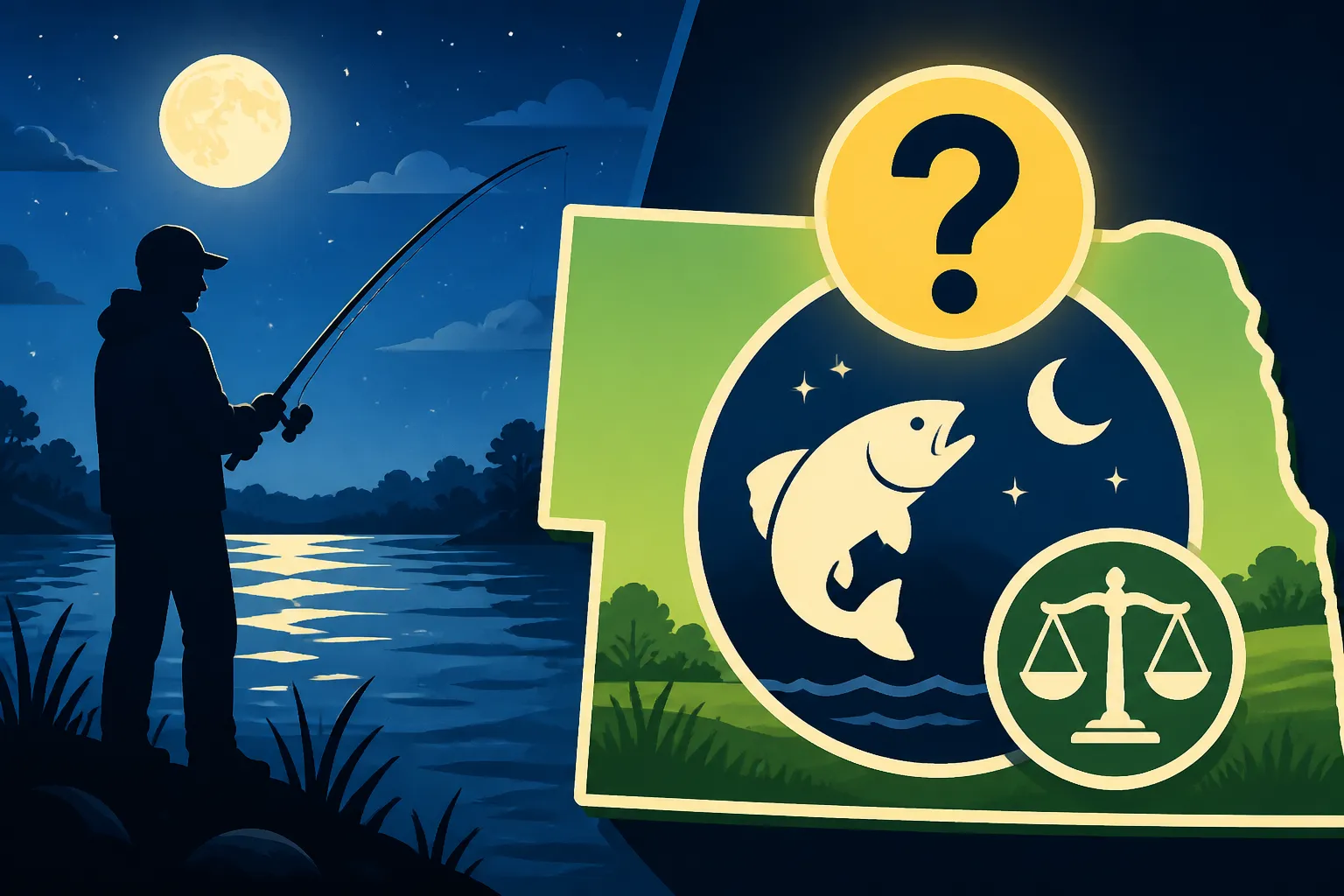
There’s a certain magic that washes over the water when the sun dips below the horizon, and many anglers, myself included, yearn for those peaceful hours under the stars. The quiet, the cooler temperatures, and the chance to target different fish species make night fishing incredibly appealing. But if you’re new to it, or even if you’ve been wetting a line for years, you might find yourself asking: is night fishing actually legal in Nebraska? It’s a completely valid question, as regulations can sometimes feel like a tangled mess of fishing line. This guide will untangle the specifics, helping you understand the rules and prepare for successful and lawful nocturnal angling adventures in the Cornhusker State.
Unpacking the General Legality of Night Fishing in Nebraska
Let's cut right to the chase: for the most part, night fishing is indeed legal in Nebraska. The Nebraska Game and Parks Commission (NGPC) generally permits fishing around the clock in public waters, which is fantastic news for those of us who love the solitude and unique challenges that come with casting a line after dark. This isn't like some states where all fishing activities cease at sunset, leaving you scrambling to pack up just as the best bite is starting.
The reasoning behind this widespread allowance is fairly straightforward. Night fishing typically targets different species or offers different fishing conditions than daytime angling. For example, many catfish anglers swear by the night bite, as channel cats and flatheads become much more active hunters under the cover of darkness. Walleye, too, can be notoriously elusive during the day but turn into aggressive feeders once the light fades. Allowing night fishing helps distribute angling pressure, provides diverse recreational opportunities, and doesn't inherently pose a threat to fish populations when anglers adhere to other established regulations. However, the blanket "yes, it's legal" comes with some important nuances and exceptions that every responsible angler needs to be aware of to avoid an unexpected interaction with a Nebraska Conservation Officer.
Navigating Specific Regulations and Restrictions for Night Anglers
While the general rule is "go for it," certain areas or activities come with their own set of rules when it comes to night fishing. It's never a good idea to assume that what applies to one lake or river applies to all, especially after dark. Always, always consult the current Nebraska Fishing Regulations Explained booklet or the official NGPC website before you head out, as things can change.
State Parks and Recreation Areas Limitations
This is where most of the restrictions come into play. Many Nebraska State Parks, State Recreation Areas (SRAs), and Wildlife Management Areas (WMAs) have specific hours of operation that might limit access after dark. While the fishing itself might not be explicitly prohibited, access to the water might be.
For instance, some parks close their gates at 10 PM or midnight, and leaving your vehicle inside overnight without a camping permit could result in a ticket or even having your vehicle towed. Others might allow overnight access if you're actively fishing, but require you to park outside the main gates and walk in, or only permit it in designated areas. It's crucial to check the specific rules for the location you plan to visit. For example, an urban lake like Holmes Lake in Lincoln might have different overnight rules than a more remote location like Merritt Reservoir. Often, you'll find signage at the entrance, or you can call the park office directly during business hours. Don't let an oversight here ruin your peaceful night out or land you with a hefty fine; a little research goes a long way.
Boating Safety and Navigation Requirements
If you're planning to fish from a boat at night, the rules shift from "can you be here?" to "are you operating safely and legally?" The most critical aspect here involves navigation lights. Any boat operating between sunset and sunrise, or during periods of restricted visibility (like fog), must display proper navigation lights as per Coast Guard regulations, which Nebraska adheres to.
This usually means a red light on the port (left) side, a green light on the starboard (right) side, and a white all-around light or masthead light visible from 360 degrees. These aren't suggestions; they are mandatory safety requirements designed to prevent collisions. Imagine trying to fish in the dark and suddenly realizing another boat is approaching without any lights – it’s a recipe for disaster. Additionally, ensure you have enough life jackets for everyone on board and other required safety equipment. You can find more comprehensive details on these rules in our guide on Nebraska Boat Registration and Fishing Rules. Always be extra vigilant when boating at night, as hazards that are easily spotted during the day become invisible obstacles in the dark.
Adhering to Species-Specific Regulations and Limits
Even if you're legally night fishing, all other general fishing regulations still apply. This includes specific Nebraska Fishing Season Dates and Limits, Nebraska Fishing Daily Bag and Possession Limits, and length limits for various species. Just because it's dark doesn't mean the rules magically disappear.
For example, if you're targeting walleye at night at Lake McConaughy, you still need to adhere to the current Nebraska Walleye Daily Bag Limit and any length restrictions in place for that water body. The same goes for catfish, crappie, or any other species. This also means you need a valid Nebraska fishing license, which you can learn more about in our comprehensive Nebraska Fishing License Guide. It's your responsibility to know these rules before you go. Enforcement officers are out there day and night to ensure these resources are managed sustainably, and ignorance of the law is rarely an excuse.
Essential Safety and Preparation for Night Fishing Success
Night fishing offers unparalleled tranquility, but it also introduces unique challenges and safety considerations. Being prepared is not just about catching fish; it's about staying safe and comfortable. Never head out after dark without a solid plan and the right gear.
Illuminating Your Angling Adventures
When the sun goes down, visibility plummets, making proper lighting your absolute best friend. You'll need more than just the light from your phone (which you should save for emergencies anyway).
- Headlamps: These are non-negotiable. A good headlamp keeps your hands free for tying knots, baiting hooks, and handling fish. Look for models with different brightness settings and, ideally, a red light option. Red light preserves your night vision better than white light and is less disruptive to other anglers or wildlife. Many fantastic, durable headlamps are available, and you can easily browse a wide selection on Amazon.
- Lanterns: For setting up your base camp, illuminating your boat, or lighting a larger area, a sturdy lantern is invaluable. Whether it's battery-powered LED or propane, a lantern provides ambient light that allows you to organize your tackle box or enjoy a snack without fumbling in the dark. Again, a quick search on Amazon will show you countless options, from compact camping lanterns to brighter, more robust models.
- Boat Lights: As mentioned earlier, if you're on the water, proper navigation lights are a legal requirement and a safety necessity. Ensure they are in working order before you launch. Carry spare bulbs if your lights aren't LED, or a spare battery for battery-operated models.
Beyond just seeing, think about being seen. If you're fishing near a road or a busy boat ramp, consider wearing reflective clothing or adding reflective tape to your gear.
Navigational Tools and Awareness of Your Surroundings
Fishing in familiar territory is always a good idea for your first few night fishing trips. Things look drastically different in the dark. What was a clear path during the day might be obscured by shadows or tricky terrain at night.
- Scout During the Day: If possible, visit your chosen spot during daylight hours. Note landmarks, potential hazards (like stumps, rocks, steep drops), and the best entry/exit points. Pay attention to changes in bank elevation or obstacles that could cause a trip or fall.
- GPS and Maps: A handheld GPS device or a reliable fishing app on your phone (with downloaded offline maps, just in case cell service is spotty) can be a lifesaver. Mark your parking spot, prime fishing locations, and any tricky areas. This is especially vital on larger bodies of water like Lake McConaughy or Lewis and Clark Lake, where disorientation can quickly become a serious issue.
- Familiarize Yourself with the Water: If you're in a boat, use your fish finder and GPS to mark submerged structure, channels, and hazards. Remember that even on familiar lakes, water levels can change, revealing new obstacles.
Packing for Comfort and Emergencies
Temperatures can drop significantly after dark, even in summer. Don't underestimate the Nebraska nights!
- Layered Clothing: Dress in layers that you can add or remove. A good waterproof and windproof outer layer is often beneficial. Think about insulating base layers, especially during spring and fall night fishing.
- Bug Protection: Mosquitoes and other biting insects can be relentless at night. Pack plenty of insect repellent.
- First Aid Kit: A well-stocked first aid kit is essential for any fishing trip, but even more so at night when help might be harder to reach. Include items for cuts, scrapes, hook removals, and any personal medications.
- Communication: A fully charged cell phone is a must. Consider carrying a portable power bank for recharging. If you're in a remote area with unreliable cell service, a satellite messenger or a VHF radio (for boaters) could be a wise investment. Let someone know where you're going and when you expect to return.
- Food and Water: Pack plenty of snacks and water to stay energized and hydrated throughout the night. A thermos with hot coffee or soup can be a real morale booster on a chilly night.
Taking these precautions seriously will not only make your night fishing experience safer but also far more enjoyable.
Mastering Best Practices and Etiquette for Night Anglers
Night fishing, while often solitary, still requires a degree of respect for other anglers, the environment, and the wildlife that truly owns the night. Adhering to good etiquette ensures everyone can enjoy the peace and productivity of nocturnal angling.
Minimizing Noise and Light Pollution
One of the primary draws of night fishing is the quiet. Don't be the angler who shatters that serenity.
- Keep Noise Levels Down: Speak in low voices, avoid loud music, and operate boat motors gently. Sound travels surprisingly far across water, especially at night. Respect the fact that others might be trying to enjoy the quiet, or even sleeping in nearby campgrounds.
- Mind Your Lights: While personal safety lights are crucial, use them judiciously. Avoid shining your headlamp directly into another angler's face or boat. If you have a red light option, use it when interacting with others or performing tasks that don't require full white light. Sudden bright lights can ruin another person's night vision, which takes a while to recover.
Protecting the Environment: Leave No Trace
The principles of "Leave No Trace" are paramount when fishing, and perhaps even more so at night when it's harder to spot forgotten items.
- Pack It In, Pack It Out: Everything you bring with you should leave with you. This includes bait containers, fishing line scraps, food wrappers, and especially cigarette butts. Discarded fishing line is a huge hazard to wildlife.
- Respect the Habitat: Avoid trampling vegetation unnecessarily or disturbing sensitive areas along the shoreline. Remember, many nocturnal creatures are active after dark, and minimizing your impact helps them thrive.
- Responsible Fish Handling: If you're practicing catch and release, do so quickly and carefully. Use a good landing net to minimize stress on the fish, and try to keep them in the water as much as possible. This is particularly important with species like walleye that can be sensitive to handling. For valuable insights into handling your catch, look into resources like Catch and Release Best Practices in Nebraska.
Awareness of Wildlife and Reporting Violations
The night brings out a different cast of characters, both above and below the water.
- Wildlife Encounters: Be aware that nocturnal animals like raccoons, skunks, coyotes, and even deer are more active at night. Store food securely in your vehicle or sealed containers. Never approach or feed wildlife. Be particularly cautious if you're fishing in areas known for larger predators, though this is less common in Nebraska’s fishing spots.
- Reporting Suspicious Activity: If you witness any illegal fishing activity, such as over-harvesting, poaching, or fishing with illegal methods, don't confront the individuals directly. Instead, discreetly note details (location, time, vehicle description, actions) and report it to the Nebraska Game and Parks Commission. You can find detailed information on how to do this in our guide on How to Report a Fishing Violation in Nebraska. By being a responsible steward of the resource, you help protect fishing for everyone.
By keeping these guidelines in mind, you can ensure your night fishing trips are not only successful but also respectful and harmonious with the environment and your fellow anglers. Night fishing truly is a fantastic experience, and with a little preparation and knowledge, you can enjoy it safely and legally throughout Nebraska.
Species That Shine After Dark in Nebraska
While you can technically catch most fish at night, some species are particularly active once the sun goes down, making them prime targets for nocturnal anglers. Focusing on these species can greatly increase your chances of success during a night fishing trip.
Catfish: The Kings of the Night
Without a doubt, catfish are the most popular target for night fishing in Nebraska. Channel catfish, in particular, become far more active hunters under the cover of darkness, using their keen sense of smell and barbels to locate food. Flathead catfish, known for their preference for live bait, are also voracious nocturnal predators.
- Where to Find Them: Catfish often move from deeper channels and holes to shallower feeding flats, humps, and submerged structure at night. Look for areas with current in rivers like the Platte or Missouri, or shallow points and coves in reservoirs like Branched Oak Lake or Harlan County Reservoir.
- Best Baits: For channel catfish, stink baits, cut bait (like shad or sunfish), chicken livers, and even large worms are highly effective. Flatheads prefer live bait such as bluegill, sunfish, or large shiners, presented on stout tackle. You can dive deeper into specific tactics with our guide on How to Catch Flathead Catfish at Night.
- Techniques: Bottom fishing is king for catfish. Use a simple slip-sinker rig or a three-way swivel rig. Cast out, let your bait settle on the bottom, and wait for that telltale thump! Rod holders are a huge help for bank anglers.
Walleye: Elusive by Day, Aggressive by Night
Walleye are legendary for their light-sensitive eyes, which give them a distinct advantage over their prey in low-light conditions. While they can be caught during the day, night often brings out a more aggressive bite.
- Where to Find Them: Walleye often move shallow to feed on baitfish after dark. Look for them on shallow flats adjacent to deep water, along riprap shorelines, or on submerged humps and points. Lake McConaughy is a prime Nebraska walleye destination where night fishing can be incredibly productive.
- Best Lures/Baits: Trolling shallow-running crankbaits can be incredibly effective, mimicking fleeing baitfish. Casting stick baits or jigs tipped with live minnows or plastic trailers are also great options. Remember that subtle presentations often work best.
- Techniques: Trolling slowly along contours or casting towards shorelines and submerged structure are common tactics. Pay attention to your boat positioning and noise, as walleye can be easily spooked. For a deeper understanding of walleye behavior and effective strategies, check out How to Fish for Walleye in Nebraska.
Crappie: Panfish of the Evening
Crappie, both black and white, can also provide fantastic night fishing action, especially during warmer months. They often school around submerged brush piles, timber, or bridge pilings, seeking cover and ambush points.
- Where to Find Them: Look for crappie suspended around lighted docks or bridge structures where baitfish congregate. Submerged timber and brush piles in lakes like Branched Oak Lake or Pawnee Lake are also hot spots.
- Best Baits/Lures: Small jigs (1/32 to 1/8 ounce) tipped with soft plastic bodies or live minnows are deadly. Use a bobber to suspend your bait at the desired depth.
- Techniques: Vertical jigging or slowly retrieving small jigs around structure is very effective. If fishing from a boat, shining a submersible light into the water can attract both baitfish and crappie, creating a feeding frenzy.
Understanding which species are most active at night, and tailoring your approach to them, will significantly increase your success and enjoyment during your Nebraska night fishing adventures.
Summary of Night Fishing Legality and Key Considerations
To help consolidate all this information, here's a quick rundown of the key takeaways for night fishing in Nebraska:
| Aspect | General Rule in Nebraska | Important Considerations & Exceptions |
|---|---|---|
| Legality | Generally LEGAL for fishing after sunset. | Check specific rules for State Parks, SRAs, and WMAs, as access might be restricted during certain hours. |
| Access Hours | Varies by location. | Many State Parks & SRAs have gate closing times. You might need a camping permit for overnight stays or be limited to day-use areas. |
| Boating at Night | Legal, but strict safety rules apply. | Mandatory navigation lights (red, green, white all-around) are required from sunset to sunrise. Always carry required safety gear. |
| Fishing Regulations | All standard Nebraska fishing regulations remain in effect. | This includes Nebraska Fishing Daily Bag and Possession Limits, length limits, and species-specific seasons. Your Nebraska Fishing License Guide is crucial. |
| Safety | Your responsibility to be prepared. | Bring proper lighting (headlamp, lantern), navigational aids, layered clothing, first aid, and communication devices. |
| Etiquette | Respect other anglers and the environment. | Minimize noise and light pollution. Practice "Leave No Trace" principles. Be aware of nocturnal wildlife. |
| Popular Species | Catfish, Walleye, and Crappie are often targeted after dark. | Different species are more active at night; adapt your baits and techniques accordingly. |
This table serves as a quick reference, but remember, detailed regulations and conditions can vary. Always do your homework before heading out for a peaceful night under the Nebraska stars.
Disclaimer
The information provided in this guide is for general informational purposes only and does not constitute legal advice. Fishing regulations in Nebraska can change, and it is the responsibility of each angler to consult the most current Nebraska Game and Parks Commission (NGPC) regulations and specific rules for any water body or park they plan to visit. Always prioritize safety and adherence to all local, state, and federal laws.