How to Fish Riprap for Walleye and Bass
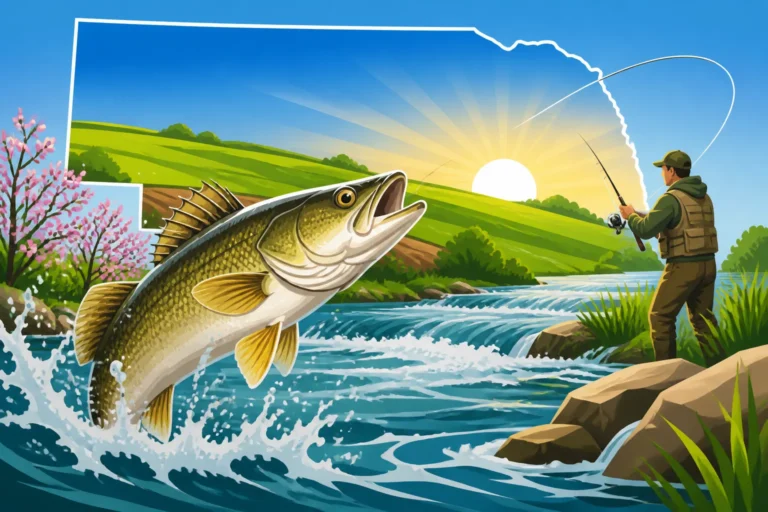
You know that feeling when you drive past a reservoir or river and see those huge piles of jagged rocks lining the shore? That's riprap, and for many anglers, it can feel like a lure-eating monster, a place where expensive tackle goes to die. But let me tell you, dismissing riprap is a huge mistake, especially here in Nebraska! Those rocky stretches are actually prime real estate for both walleye and bass, offering them everything they need to thrive. This guide is all about demystifying riprap, helping you understand why fish flock to it, and giving you the actionable strategies and gear insights to fish it effectively without constantly getting snagged.
Understanding Riprap: Why Fish Love It (And So Should You!)
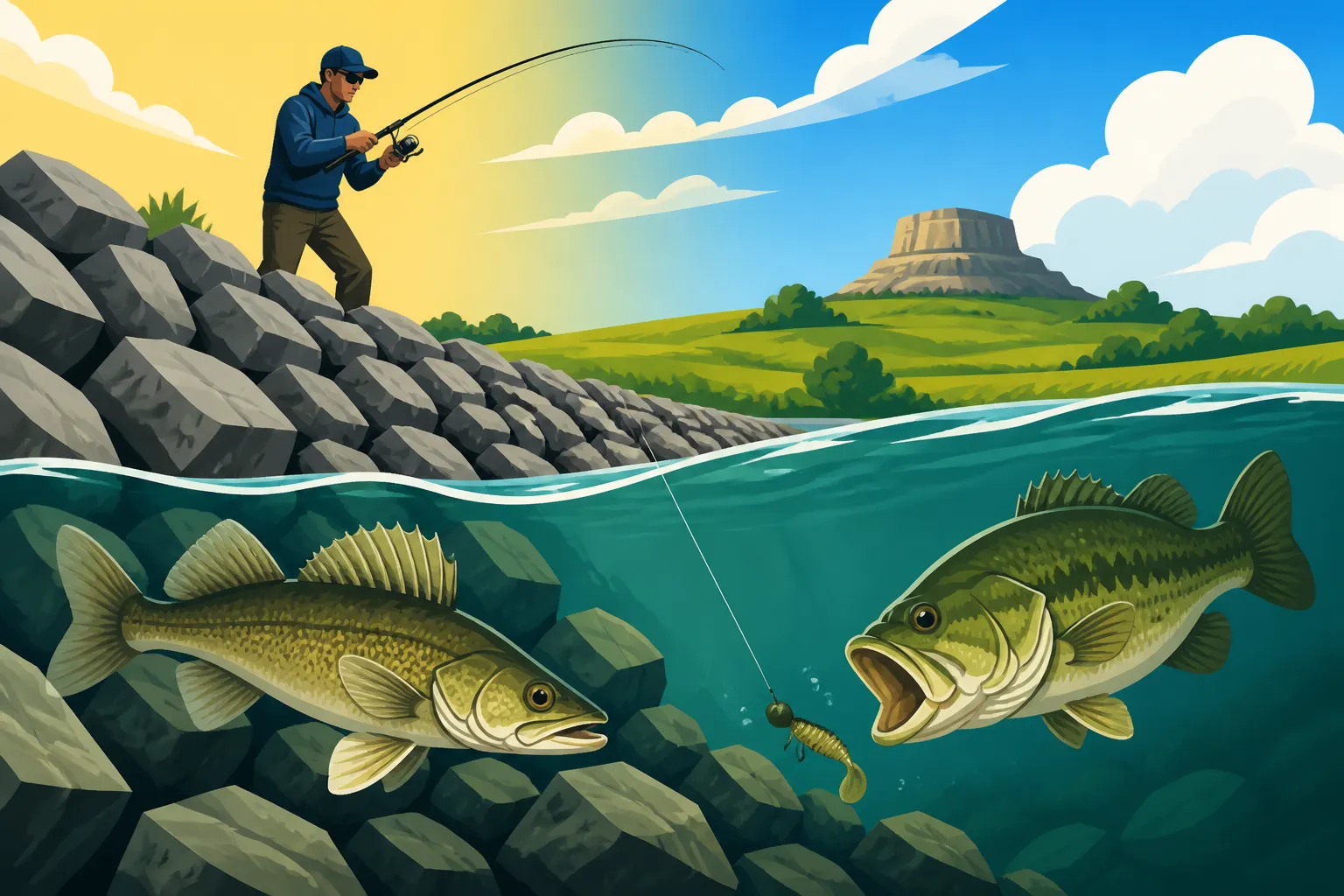
Riprap isn't just a random pile of rocks; it's a strategically placed structure designed for erosion control. But what's a functional construction project to us is a five-star hotel for fish. It creates a complex, varied habitat that attracts baitfish, insects, and crustaceans, which in turn draws in bigger predatory fish like walleye and bass. If you can learn to "read" riprap and understand its nuances, you'll unlock some seriously productive fishing spots.
What is Riprap and Why is it Productive?
At its most basic, riprap refers to rock or other material used to armor shorelines, bridge abutments, causeways, and other hydraulic structures against erosion. Think of those rocky banks along major reservoirs like Lake McConaughy or Branched Oak Lake, or the rocky edges of river channels. These aren't just natural formations; they're often man-made protective layers.
The magic of riprap lies in the intricate network of voids and crevices it creates among the stones. This broken-up environment offers an incredible array of benefits for fish. First, it provides phenomenal cover. Smaller baitfish, minnows, and crayfish can dart into these nooks and crannies to escape predators. This concentration of potential meals, of course, attracts walleye and bass. Second, the rocks absorb and radiate heat, which can create slightly warmer water pockets, especially in cooler months, drawing in cold-blooded fish looking for a thermal advantage. Third, riprap often provides a solid substrate for aquatic insects and algae to grow, forming the base of a diverse food chain. Finally, the rough surface of the rocks themselves provides excellent spawning habitat for certain species, ensuring a constant population. It's truly a dynamic ecosystem right there on the bank!
Identifying Productive Riprap Sections
Not all riprap is created equal, and knowing how to differentiate between a barren stretch and a potential hotspot is key to success. You're looking for irregularities, transitions, and features that concentrate fish. A long, uniform stretch of riprap might hold some fish, but those subtle differences are what really make the difference.
Consider the angle of the riprap. Is it a gentle slope or a steep, almost vertical drop? Steep riprap often means deeper water quickly, which can be fantastic for suspending fish or those seeking deeper thermal refuge. Gentle slopes might hold more baitfish in shallower water, especially during low light conditions. The size of the rocks also matters; larger rocks create bigger voids for bigger fish, while smaller gravel might attract smaller forage. Look for points or turns in the riprap — these create current breaks and ambush points. Where riprap meets another type of structure, like a sand flat, a weed bed, or a concrete wall, you've hit a jackpot. These "transition zones" are magnets for fish moving between different habitats. Even the presence of a culvert, a downed tree, or a small brush pile within or near the riprap can drastically increase its fish-holding potential. Understanding these subtle cues can turn a frustrating day into a fantastic one.
Essential Gear for Riprap Fishing in Nebraska
Fishing riprap means dealing with snags. It's an undeniable truth. But with the right gear, you can minimize tackle loss and maximize your chances of landing that trophy walleye or bass. Don't go in with your ultra-light panfish setup; riprap demands a bit more robustness.
Rods, Reels, and Line Choices for Riprap
When it comes to rods, you want something with a good backbone but enough sensitivity to feel those subtle bites and detect when your lure is bumping against the rocks versus a fish. For walleye, a medium-light to medium power fast-action spinning rod, about 6'6" to 7' in length, is often ideal. It gives you good casting distance and enough power to set the hook and steer a fish away from snags. For bass, especially if you're throwing heavier jigs or crankbaits, a medium-heavy power fast-action casting rod, 6'8" to 7'4", offers the leverage you need to pull fish out of tight cover.
On the reel front, a reliable spinning reel in the 2500-3000 size range is excellent for walleye and lighter bass presentations. For heavier bass techniques, a good quality baitcasting reel will give you more control and power. When you're looking for a new setup, checking out options on reputable online retailers like Amazon can give you a wide selection and customer reviews to help you decide on the best fit for your budget and needs.
Now, for line, this is where many anglers make a crucial mistake. Monofilament stretches and isn't very abrasion-resistant. Fluorocarbon is better for abrasion, but can be pricey. The real game-changer for riprap is braided line. It has virtually no stretch, which gives you incredible sensitivity to feel every bump and bite, and its abrasion resistance, while not bulletproof, is significantly better than mono. I’d recommend a 10-20 lb test braided line for walleye and 20-40 lb test for bass. The key is to add a fluorocarbon leader, usually 8-12 lb for walleye and 12-20 lb for bass, tied to your braid with a strong knot like an FG or Alberto. This gives you the best of both worlds: braid's sensitivity and strength, and fluorocarbon's invisibility and reasonable abrasion resistance. You'll still get snagged, but with braid, you can often "pop" your lure free with a sharp snap, saving you tackle and frustration. This is particularly useful when fishing areas along the Platte River that feature significant rocky structures.
Lures and Baits That Dominate Riprap
The key to successful riprap fishing is to choose lures that either mimic the forage or can navigate the rocky terrain without getting hung up constantly.
For Walleye:
- Jigs: Bucktail jigs or traditional leadhead jigs tipped with a minnow (live or artificial), a plastic grub, or a worm are phenomenal. Vary the weight depending on depth and current. A slow retrieve, bouncing along the bottom, is often deadly. You can find a huge variety of jig heads and soft plastics on Amazon.
- Crankbaits: Medium-diving crankbaits that "dig" into the rocks are excellent. The erratic deflection off the rocks can trigger aggressive strikes. Look for models with durable bills that can withstand the abuse. Fishing around the edges of riprap during the spring can be especially productive for walleye, as explored in "Nebraska Spring Walleye Fishing Techniques".
- Crawler Harnesses: While often used in open water, a shorter snell crawler harness can be trolled or drifted slowly along the riprap edges, particularly where the riprap transitions to a softer bottom.
- Blade Baits: These vibrating lures are fantastic for vertical jigging or casting and retrieving, especially in cooler water. Their vibration can really call in walleye.
For Bass:
- Crankbaits: Squarebill crankbaits are king here. They're designed to deflect off cover, and the bigger the deflection, the better for triggering a bass strike. Shallow to medium divers are best for working the face of the riprap.
- Jigs: Football jigs or stand-up head jigs with a creature bait or craw trailer are perfect for probing the rock crevices. Slowly dragging and hopping these along the bottom often elicits strong strikes.
- Soft Plastics: Texas-rigged worms, creature baits, or craws are nearly snag-proof and can be worked through dense rock with minimal hang-ups. Senko-style baits fished weightless or with a light wacky rig can also be effective near the surface or on shallower riprap.
- Spinnerbaits/Chatterbaits: These can be great for covering water along the riprap, especially if there's any vegetation mixed in or around the rocks. Their flash and vibration can draw fish from cover.
- Topwater Lures: In low light conditions or during warmer months, bass will often cruise the very top of the riprap for an easy meal. Poppers, walking baits, and buzzbaits can be incredibly exciting. For specific lures that perform well, you might consult "Best Lures for Nebraska Bass."
Techniques for Targeting Walleye in Riprap
Walleye are cunning predators, and fishing riprap for them requires patience and precise presentation. They'll use the rocks for ambush points, so your job is to present your lure in a way that makes it an irresistible, easy meal.
Seasonal Approaches for Riprap Walleye
Walleye behavior around riprap changes throughout the year, so adapting your strategy is essential.
- Spring: As water temperatures rise, walleye will move to riprap to spawn or to feed aggressively on baitfish attracted to the warmer, shallower water. This is a fantastic time for jigging with minnows or plastics, and slow-rolling crankbaits right along the rocky edges. Pay attention to "When Walleye Spawn in Nebraska" for optimal timing. Often, the northern shores or areas exposed to direct sunlight warm up first, making them prime targets.
- Summer: During the heat of summer, walleye might move deeper during the day, using riprap points or deeper sections as ambush points. Night fishing can be incredibly productive as walleye move shallower to feed under the cover of darkness. Try trolling crankbaits parallel to the riprap in deeper water, or jigging spoons and blade baits vertically on deeper riprap breaks. Early mornings and late evenings are also key times for shallower riprap.
- Fall: As water temperatures cool, walleye become very active feeders, putting on weight for winter. Riprap can be fantastic as baitfish gather here. Deeper crankbaits, jigs, and even live bait rigs drifted along the riprap are effective. Look for areas where the riprap transitions to deeper main lake points or humps, as these become migration routes and feeding grounds.
Precision Casting and Presentation Strategies
The biggest challenge in riprap fishing is avoiding snags while still getting your lure into the strike zone. Precision is paramount.
- Cast Parallel: Often, the most productive way to fish riprap is to cast your lure parallel to the shoreline, letting it run right along the face of the rocks. This keeps your lure in the strike zone longer.
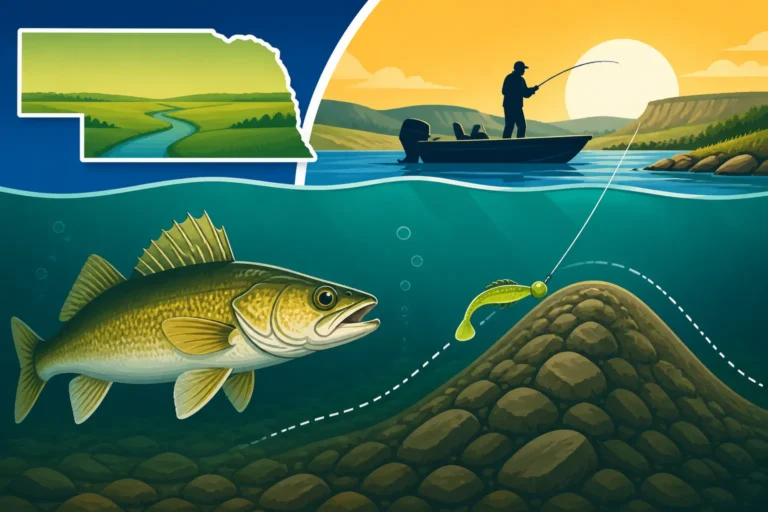
- The "Bounce" Method: For jigs and crankbaits, actively engaging the rocks can be a good thing. With a crankbait, let it hit the rocks and deflect. This erratic action often triggers a reaction strike. For jigs, a slow lift-and-drop, allowing the jig to tick and bounce off the rocks, can be deadly. If you feel a "thump," set the hook!
- Controlling Depth: When casting, allow your lure to sink to the desired depth before starting your retrieve. For walleye, this often means getting it right on the bottom or just above it. Use heavier jigs in deeper water or strong currents to maintain bottom contact.
- Slow and Steady: Walleye often prefer a slower, more deliberate presentation. Don't burn your retrieve. Experiment with pauses and changes in speed.
- Pumping Jigs: For vertical jigging or casting and retrieving jigs, a rhythmic "pump-pump-pause" can be very effective. Lift your rod tip sharply, then let the jig fall on a semi-slack line, watching for any twitch or slack line bite. Remember to keep a keen eye on your line for any unusual movement, which could signal a bite.
Strategies for Hooking Bass on Riprap
Bass, both largemouth and smallmouth, absolutely love riprap. They're aggressive ambush predators, and the endless cover and forage opportunities that riprap provides make it an irresistible hunting ground.
Largemouth vs. Smallmouth: Adapting Your Approach
While both bass species use riprap, their preferences can differ slightly, and understanding these nuances will help you target them more effectively.
- Largemouth Bass: These green machines often prefer the shallower, more cluttered sections of riprap, especially where it's mixed with brush, fallen trees, or emergent vegetation. They'll also hold tight to larger rocks, sitting in ambush points. Look for largemouth in protected coves or along riprap banks that have some softer bottom transitions nearby. They tend to be less active roamers than smallmouth on riprap, preferring to hunker down and wait. They're often found along the edges of riprap that adjoin productive weed beds, much like they are found in typical "Nebraska Largemouth Bass Fishing in Farm Ponds" scenarios.
- Smallmouth Bass: Known for their brown, bronze coloration and aggressive fight, smallmouth bass are often found on deeper, cleaner riprap, especially on points or areas exposed to current. They're more likely to cruise and hunt actively over the rocks. They thrive in clearer water and will often suspend slightly off the riprap, especially when targeting schools of baitfish. You'll find smallmouth on riprap in many of Nebraska's larger reservoirs and rivers. When considering "Niobrara River Smallmouth Bass Fishing", riprap sections along the river can be incredibly productive.
The key is to adapt your lure choice and presentation based on which species you're targeting and the specific riprap characteristics. For largemouth, focus on heavier cover, pitching and flipping jigs or Texas-rigged plastics into the tightest spots. For smallmouth, think faster retrieves, crankbaits, and tube jigs fished on open, deeper rock.
Effective Lure Presentations for Riprap Bass
Bass fishing on riprap is all about triggering reaction strikes and presenting lures in a natural, yet enticing, manner.
- Crankbait Crash and Deflect: This is perhaps the most famous riprap technique for bass. Cast a squarebill or medium-diving crankbait so it dives down and literally crashes into the rocks. The sudden deflection and change in direction often makes a following bass strike out of instinct. Experiment with retrieve speeds and rod angles to control how aggressively your crankbait interacts with the cover.
- Jig Hopping and Dragging: For deeper riprap or when bass are less active, a football or stand-up jig slowly dragged or hopped along the bottom is incredibly effective. The jig's head design helps it crawl over the rocks without snagging too badly. Let the jig fall into the crevices, then slowly pull it out, mimicking a crawfish. This technique is similar to how you might approach "How to Catch Bass in Farm Ponds During Summer" where bass often hide among structure.
- Soft Plastic Skipping: If there's overhanging brush or docks near the riprap, skipping a weightless or lightly weighted soft plastic (like a Senko or fluke) under that cover can be deadly. Bass often relate to the shade and cover created by such overhangs, and the riprap gives them a perfect hideout.
- Vibrating Jigs and Spinnerbaits: These lures excel at covering water and triggering strikes when bass are actively feeding. Burn them along the riprap, letting them occasionally bump off the rocks. The flash and vibration can draw bass out of their rocky hideouts.
- Topwater Explosion: Don't underestimate topwater lures on riprap, especially early morning, late evening, or on overcast days. Bass will chase baitfish right up against the rocks, and a well-placed popper, walking bait, or buzzbait can lead to explosive strikes. The sound and commotion can call them up from surprising depths. If you're looking to stock up on these versatile lures, you can often find great deals and a wide selection of bass fishing tackle on Amazon.
Remember, patience and persistence are key. Some days, they'll hit anything; other days, it takes a specific retrieve or lure to entice a strike. Don't be afraid to experiment with different presentations until you find what the fish want.
Here's a quick comparison of techniques for walleye and bass on riprap:
| Feature/Technique | Walleye | Bass |
|---|---|---|
| Preferred Riprap | Deeper, points, transitions, main lake | Shallower, cover-rich, ambush points |
| Primary Lures | Jigs (minnow/grub), crankbaits, blade baits | Squarebill crankbaits, jigs (craw/creature), soft plastics |
| Retrieve Speed | Slower, deliberate, subtle bumps | Varied, often faster, aggressive deflections |
| Key Presentation | Bottom bouncing, slow troll/drift, vertical jigging | Crashing/deflecting crankbaits, pitching into cover, skipping |
| Typical Bite | Subtle "thump," sudden weight, slack line | Aggressive strike, rod nearly pulled from hand |
| Seasonal Focus (Riprap) | Spring spawn, summer night/deep, fall feeding | Spring pre-spawn/spawn, summer low light, fall feeding |
Riprap might look intimidating with its jagged edges and snag potential, but with the right approach, it becomes one of the most consistent fish-holding structures in Nebraska. By understanding why walleye and bass love these rocky areas, choosing the appropriate gear, and mastering specific techniques, you'll transform those lure-eating monsters into productive hotspots. So next time you see that rock-lined bank, don't shy away. Go ahead, cast into the chaos, and discover the fantastic fishing opportunities that riprap has to offer!
Disclaimer
This article is for general informational purposes only and does not constitute professional advice. Laws, prices and regulations vary by location and change over time. Consult a qualified professional for guidance on your specific situation.