How High Water Affects River Fishing in Nebraska
One of the trickiest situations a river angler in Nebraska can face is when the water levels suddenly surge. It can feel like your favorite fishing spot has completely changed overnight, turning familiar eddies into raging torrents and making you wonder if the fish have just vanished. This guide is here to walk you through exactly how high water impacts river fishing, from changing fish behavior to adjusting your techniques and, most importantly, keeping yourself safe out there.
Understanding High Water Conditions
When you wake up to find your beloved Platte River or Elkhorn River looking like a chocolate milk shake and roaring past its banks, it’s natural to feel a bit disheartened. High water isn't just about more water; it fundamentally alters the aquatic environment, and understanding these changes is the first step to adapting your fishing strategy.
What Causes Rivers to Swell?
High water in Nebraska's rivers can be triggered by several factors, each with its own nuances in terms of duration and intensity. The most common culprit is often heavy rainfall. A significant rain event, especially over several days, can quickly turn a placid river into a swollen, fast-moving force. Imagine a summer storm dumping inches of rain across the watershed – all that runoff eventually finds its way into the river system, dramatically increasing flow and depth.
Another major contributor, particularly in the spring, is snowmelt. As the snowpack from a long Nebraska winter begins to melt, the gradual release of that water can keep river levels elevated for weeks. This is a common occurrence on rivers fed by western snowmelt, like the Platte River. Finally, dam releases can also play a significant role. Rivers downstream from dams, such as those on the Republican River or the Loup River, can experience sudden increases in flow when water is released, often for flood control or irrigation purposes. It’s always a good idea to check local river gauges and dam schedules if you plan to fish downstream of one.
Identifying High Water
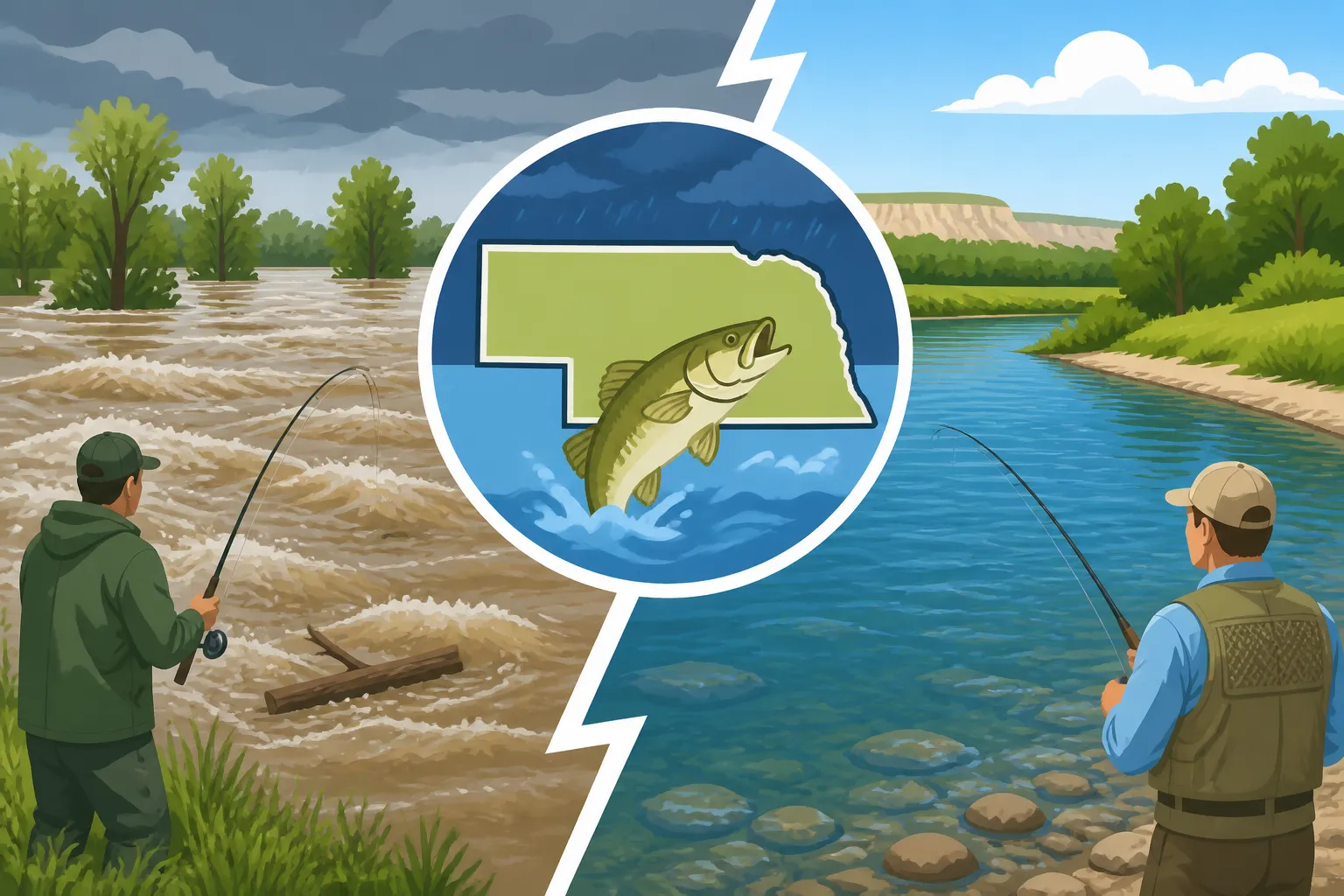
So, how do you know if the water is "high" and not just a little elevated? There are several tell-tale signs. Visually, the most obvious indicator is a change in water color. Instead of its usual clear or slightly stained appearance, high water often takes on a murky, muddy, or "chocolate milk" hue due to increased sediment runoff. This reduced visibility profoundly affects how fish feed and how you should present your bait.
Beyond color, observe the current. Is it noticeably faster and more powerful than usual? Are you seeing debris like sticks, leaves, and even entire tree branches rushing downstream? This indicates significant flow. You might also notice flooded banks, with water extending into areas that are normally dry land, submerging vegetation or even parts of trails. Official river gauges, often available online, provide exact flow rates (measured in cubic feet per second, or CFS) and water levels, giving you precise data to confirm what your eyes are telling you. These resources are invaluable for any angler looking to understand river conditions before heading out, helping you assess the situation and plan your approach.
Impact on Fish Behavior and Location
When the river swells, it's not just the landscape that changes; the fish themselves react profoundly. Their comfort zones are disrupted, their food sources are scattered, and they're forced to adapt quickly. Knowing how they respond is key to finding them.
Where Do Fish Go?
Fish are creatures of habit, but high water forces them to abandon their usual haunts. Their primary concern is to escape the strong, energy-sapping current. So, where do they go? They seek refuge in areas of slack water or current breaks. Think about the inside bends of rivers, where the water moves slowest. Look for eddies behind large rocks, fallen trees (snags), or bridge pilings – anything that breaks the main force of the current. These areas offer a respite where fish can hold without expending too much energy.
Another prime location is flooded cover. When the river rises, it inundates shoreline vegetation, brush, and even small trees that were previously on dry land. This newly submerged cover provides excellent hiding spots from the current and predators, as well as new ambush points for feeding. Fish will often push right into this new, shallower cover, seeking both shelter and the dislodged insects and worms that are now available. Consider areas like tributary mouths, backwater sloughs, and even ditches that are now flooded with river water. These often create distinct seams of slower water and new forage opportunities that fish are quick to exploit.
Changes in Feeding Patterns
The sudden influx of turbid water and increased flow also disrupts normal feeding patterns. Fish relying on sight, like walleye, will struggle immensely in muddy water, making their typical chase-and-strike tactics less effective. Instead, they become more reliant on other senses, like scent and vibration. This means your traditional lures might need to take a backseat to more fragrant baits or presentations that create a strong thump or wiggle.
Furthermore, fish in high current are often more opportunistic feeders. They're less likely to actively hunt and chase down fast-moving prey. Instead, they'll position themselves in those slack water areas, waiting for food to be swept past them. Dislodged insects, worms, and even small baitfish get washed into these slower zones, providing an easy meal. This means a more patient approach, often using slower retrieves or stationary baits, can be incredibly effective. Understanding these shifts in how fish find and consume food is crucial for selecting the right bait and presentation. It's not about forcing them to bite, but offering them what they're looking for where they're looking for it.
Adjusting Your Tactics for High Water
Fishing in high water definitely requires a mental shift and often some physical changes to your gear and technique. You can't just throw the same lure in the same spot and expect success. It's about adapting to the new environment and thinking like a fish in a flood.
Gear Upgrades and Rigging
First off, you'll need to beef up your tackle. The stronger currents demand heavier weights to keep your bait in the strike zone and prevent it from being swept away. Instead of your usual half-ounce sinker, you might need a full ounce, two ounces, or even more, depending on the current speed. This might mean you need a slightly stiffer rod than usual, perhaps one you'd typically use for "Best Rod Setup for Nebraska Catfish," to handle the added weight and fight powerful fish in current. Your line also needs to be tougher. Consider upgrading to a stronger monofilament or braided line to withstand potential snags and the increased strain of fighting fish in heavy flow. Many anglers find durable braided line on Amazon for these conditions.
When it comes to rigging, simplicity and strength are key. A basic three-way swivel rig or a Carolina rig can be very effective, allowing your bait to drift naturally while keeping your weight on the bottom. For stationary fishing, a sturdy paternoster rig can keep your bait suspended just off the bottom in slower currents. Always check your knots frequently, as the force of the water and debris can put extra stress on your line. Also, don't forget a good landing net; fighting a strong fish in current can be tough, and a solid net will help you safely bring it to hand, even if you’re employing techniques for "How to Fight a Big Fish on Light Tackle."
Bait and Lure Choices
With reduced visibility, visual appeal takes a backseat to scent and vibration. Live bait often shines in high, murky water because its natural scent trail and subtle movements are irresistible to fish. Worms (nightcrawlers, redworms), cut bait (shad, carp, perch – a great choice for "Platte River Catfish Fishing"), or even chicken livers are excellent choices. The stronger the scent, the better!
For artificial lures, focus on options that displace a lot of water and create strong vibrations. Large, dark-colored jigs with soft plastic trailers that have a big paddle tail can be very effective, as can crankbaits with aggressive wobbles. Spinnerbaits, especially those with large thumping blades, also create a lot of vibration that fish can feel even in low visibility. Remember, the fish aren't seeing your lure from a distance; they're sensing it through their lateral lines. Darker colors (black, blue, purple) often create a better silhouette in muddy water than bright colors. Don't be afraid to experiment with size; sometimes a larger profile is what's needed to get noticed in the chaotic environment of high water.
Casting and Presentation Strategies
Casting in high water is less about distance and more about precision and presentation. Your goal is to get your bait into those slack water pockets and current breaks, and keep it there. Instead of casting directly across the river, try casting slightly upstream of your target zone and letting the current carry your bait naturally into the slack water. This allows the bait to settle into the strike zone without fighting the main current.
A key technique is to maintain constant contact with your bait. The strong current can make it difficult to feel subtle bites, so watching your line for any twitch or movement is critical. You might need to use a heavier jig or weight than usual to feel the bottom. When fishing flooded cover, shorter, more accurate casts are essential to avoid snags. If you're "How to Catch Channel Catfish From the Bank," focus on casting parallel to the bank, allowing your bait to drift along the edge of the current seam. Patience is also paramount. Fish might not be actively chasing, so letting your bait soak in a productive area for a longer period can pay off.
Safety First: Navigating High Water Safely
Fishing in high water can be incredibly rewarding, but it also comes with increased risks. The powerful current, submerged hazards, and unstable banks demand extra caution. Your safety is always more important than catching a fish.
Assessing the Risks
Before you even make your first cast, take a good, long look at the conditions. Is the current so strong that a slip could sweep you away? Are there large pieces of debris rushing downstream that could be dangerous? Are the banks eroded or undercut by the strong flow, creating unstable footing? These are all critical questions. Submerged obstacles that are usually visible, like rocks, logs, or even old fences, become hidden hazards in murky, high water. If you're wading, what was once a gentle ripple can now be a powerful torrent capable of knocking you off your feet. Always scout your chosen spot carefully. If in doubt, don't go out. It’s important to understand the general "Nebraska Fishing Regulations Explained" but also the specific hazards of high water.
The "Required Safety Equipment on a Nebraska Boat" is one thing, but personal safety in a high-water river environment, whether from shore or a small craft like a kayak, is a different challenge. Be mindful of how rapidly river conditions can change. A river that seems manageable in the morning could become treacherous by afternoon if upstream rains continue or dam releases begin. If you're unsure about "How to Wade Fish the Platte River Safely" in these conditions, it's always best to err on the side of caution and find a safer, slower-moving stretch of water.
Essential Safety Equipment
When venturing out in high water, certain pieces of gear are non-negotiable. A life jacket is absolutely essential, even if you're fishing from the bank. Accidents happen, and a sudden slip or fall could put you in a dangerous situation faster than you can react. Wearing a properly fitted life jacket, found readily on platforms like Amazon or at local sporting goods stores, could be a lifesaver.
If you plan to wade, a sturdy wading staff is crucial for maintaining balance and probing the bottom for hidden drops or obstacles. Never wade alone, and always let someone know where you're going and when you expect to return. A fully charged cell phone in a waterproof case is also critical for communication in an emergency. Beyond personal safety gear, if you're using a boat or kayak, ensure it is properly registered, and you have all the required safety equipment on board, as outlined in the "Nebraska Boat Registration and Fishing Rules." Remember, the river's power in high water conditions is not to be underestimated. A little extra preparation can make all the difference between a memorable fishing trip and a dangerous ordeal.
High Water vs. Normal Water Conditions: A Quick Comparison
To help you visualize the differences and solidify your understanding, here's a quick comparison of key factors when fishing in normal versus high water conditions in Nebraska's rivers.
| Feature | Normal Water Conditions | High Water Conditions |
|---|---|---|
| Water Level & Flow | Stable, clear or slightly stained, predictable current. | Elevated, often murky/muddy, fast and powerful current. |
| Fish Location | Spread out, often near deeper holes, structure, or current seams. | Concentrated in slack water, current breaks, flooded cover, eddies. |
| Fish Feeding | Active hunting, sight-feeding common. | Opportunistic, relying on scent and vibration, less active chase. |
| Bait/Lure Focus | Visual appeal (color, flash), subtle action, varied presentation. | Scent, vibration, larger profiles, natural drift. |
| Recommended Baits | Worms, minnows, spinners, jigs, crankbaits. | Live worms, cut bait, chicken liver, large jigs, aggressive crankbaits. |
| Terminal Tackle | Lighter weights, smaller hooks, lighter line. | Heavier weights, stronger hooks, heavier line (braided recommended). |
| Casting Strategy | Often across or downstream, covering wider areas. | Upstream and into current breaks, shorter, precise casts. |
| Safety Concerns | General awareness of surroundings, stable footing. | Extreme caution: strong currents, hidden hazards, unstable banks. |
This table highlights the stark differences, reinforcing why adapting your strategy for "Nebraska Fishing Seasons Explained" is crucial during periods of elevated river levels.
Making the Most of High Water River Fishing
High water doesn't have to mean putting away your fishing gear. In fact, for some species, like catfish, it can create some of the best fishing opportunities of the year! The key is to embrace the change and adjust your approach. Rivers are dynamic environments, and learning to read the water and understand how fish react to different conditions is what makes river fishing so engaging.
Remember that patience and persistence are your best friends in these conditions. It might take longer to locate fish or get a bite, but when you do, they're often aggressive and healthy thanks to the increased flow and food availability. Don't be afraid to explore new spots that aren't usually productive in normal conditions – those flooded fields or newly created backwater pockets could be holding some real trophies. Many seasoned anglers find that a high-water event brings big catfish out of hiding, making it an ideal time for "Channel Catfish Fishing in Nebraska." Keep these tips in mind, stay safe, and enjoy the challenge and rewards that high water river fishing in Nebraska can offer!
Disclaimer
This article is for general informational purposes only and does not constitute professional advice. Laws, prices and regulations vary by location and change over time. Consult a qualified professional for guidance on your specific situation.