How to Catch Catfish in Nebraska
There's nothing quite like the thrill of a heavy tug on your line, the unmistakable fight of a powerful catfish, pulling against you in the murky depths. But let's be honest, sometimes it feels like those whiskered giants are playing hide-and-seek, and knowing where to start, what to use, and when to go can feel like an overwhelming puzzle, especially with all the unique water bodies Nebraska has to offer. This comprehensive guide is here to untangle that frustration, giving you the insider knowledge to consistently hook into some of the Cornhusker State's finest catfish.
Understanding Nebraska Catfish Species and Their Habitats
Before you even think about casting a line, it's crucial to understand the different types of catfish you'll encounter in Nebraska waters and, more importantly, where they like to hang out. Each species has its own quirks when it comes to preferred habitat and diet, and knowing these details is half the battle won.
Channel Catfish: The Widespread Favorite
The channel catfish is, without a doubt, the most common and widely distributed catfish species across Nebraska. You'll find these aggressive eaters in almost every major river, reservoir, and even many smaller ponds. They're characterized by their scattered dark spots (though these can fade with age), a deeply forked tail, and a relatively slender body compared to their flathead cousins.
Channel cats are incredibly adaptable, thriving in both flowing and still waters. In rivers, they prefer areas with moderate current, often lurking near structure like submerged logs, rock piles, or undercut banks where they can ambush prey. Think about those calmer eddies just behind a current break or the deeper pools below a riffle; these are prime channel cat territory. In lakes and reservoirs, they gravitate towards submerged channels, humps, points, and areas with muddy or sandy bottoms where they can scour for food. You'll often find them near inlets where fresh water brings in nutrients or in the deeper sections during the heat of summer. Their diet is incredibly varied, making them relatively easy to catch. They're opportunistic feeders, munching on anything from insects, crustaceans, and smaller fish to dead bait and even ripe berries that fall into the water. This wide-ranging diet is precisely why "stink baits" and cut bait are so effective for them.
Flathead Catfish: The River Monster
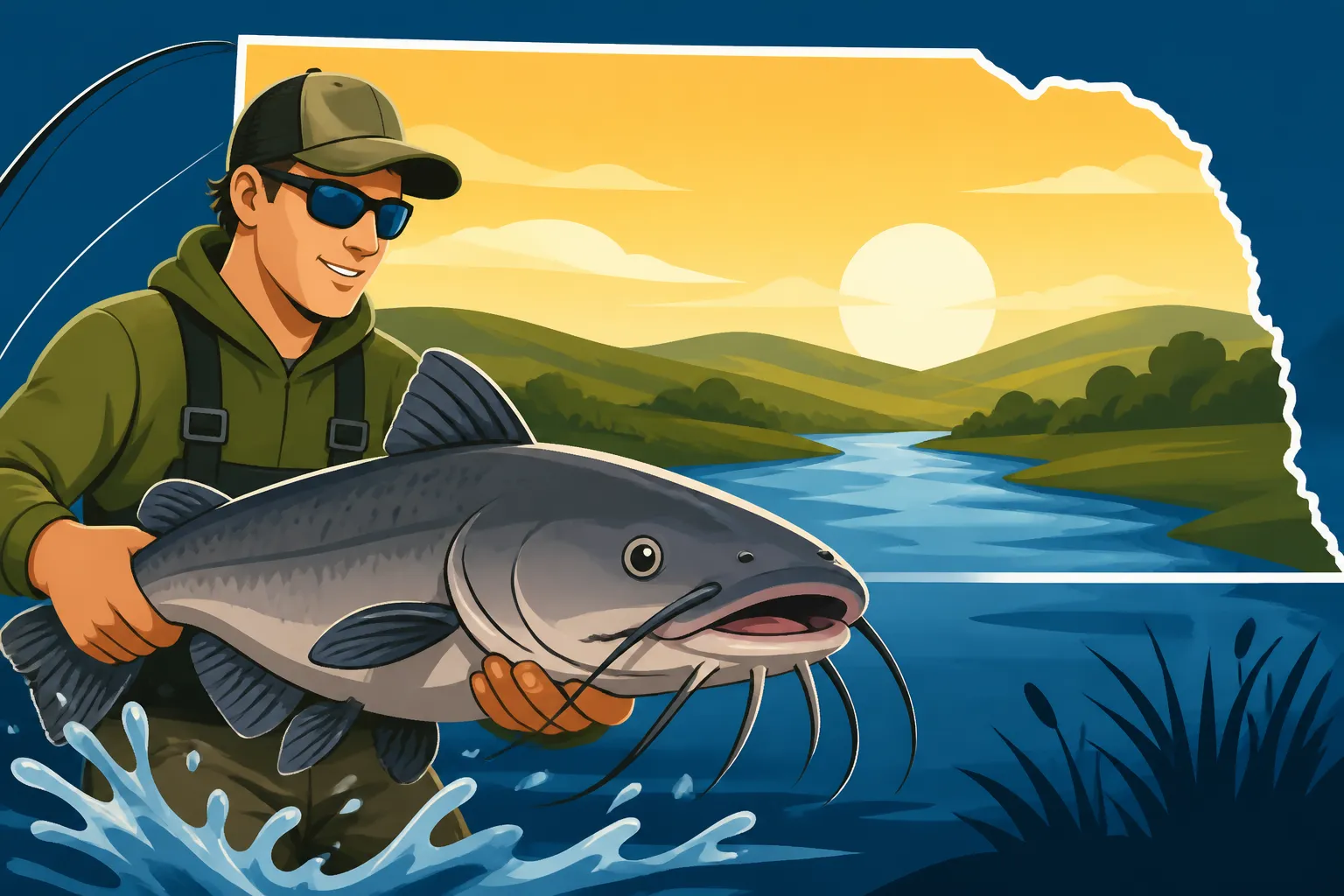
If you're after a true trophy cat and love a serious fight, the flathead catfish is your target. These magnificent fish are primarily river dwellers, preferring slow-moving, deep pools with plenty of cover. Unlike channel cats, flatheads are ambush predators that rely almost exclusively on live prey. Their name comes from their distinctively flattened head, accompanied by a lower jaw that protrudes past the upper, and a rounded, unforked tail. Their coloration tends to be mottled brown and yellow, offering excellent camouflage in their snag-filled homes.
You'll typically find flatheads hunkered down in the most gnarly cover imaginable: massive log jams, deep scour holes under bridge pilings, submerged timber, and deep rock crevices. They are highly territorial and will defend their chosen lair. The key to finding flatheads is finding these deep, dark, current-protected hideouts, especially in larger rivers like the Platte River or the Missouri River. Because they prefer live food, baits like live perch, bluegill, or even small carp are the go-to for serious flathead anglers. This preference means you'll need different tactics and heavier gear to coax them out of their strongholds. Targeting these giants requires patience and dedication, but the reward of landing a 20, 30, or even 50-pound flathead is unmatched.
Blue Catfish: The Missouri River Giant
While not as widespread as channel or flathead catfish in Nebraska, the blue catfish does inhabit the state, primarily in the lower Missouri River and its immediate tributaries. These are the largest of North America's catfish species and are characterized by their slate-blue coloration, deeply forked tail, and a humped back profile. They can grow to truly enormous sizes, with some individuals weighing well over 100 pounds.
Blue cats prefer large, swift-flowing rivers and estuaries, often found in deep channels, scour holes, and along current seams. They are highly migratory and can cover vast distances. Like channel cats, they are omnivorous, but with a strong preference for fish and crustaceans. They will readily take cut bait, especially oily fish like shad or carp, but fresh cut bait is often more effective than highly processed stink baits. Anglers targeting blue catfish in Nebraska often focus on the Missouri River, particularly sections with deeper water and strong currents. You might also find them in reservoirs directly connected to the Missouri River system. Landing a true trophy blue cat is a bucket-list achievement for many anglers, requiring heavy tackle and a strategic approach to finding them in the vastness of the river.
Best Times and Seasons for Catfish in Nebraska
Catfish are generally active year-round in Nebraska, but their behavior and preferred locations change dramatically with the seasons. Understanding these shifts can drastically improve your success rate and help you plan your fishing trips strategically.
Spring Catfishing: Awakening and Pre-Spawn Feasts
As winter's chill gives way to warmer temperatures, usually from late March through May, catfish begin to stir. Water temperatures start to climb into the 50s and low 60s Fahrenheit, signaling the start of their feeding binge before the spawn. This pre-spawn period is one of the best times to catch aggressive channel catfish. They're hungry after a long winter and actively seeking food.
In the spring, focus on shallower, warmer waters. River anglers should look for sunny, protected eddies, feeder creek mouths where warmer water flows in, and flats adjacent to deeper channels. These areas warm up faster and attract baitfish, which in turn attract catfish. Lake and reservoir anglers should target northern banks, shallow coves, and mudflats. The fish will be moving up from their deeper wintering holes, so don't be afraid to fish in as little as 3-5 feet of water, especially on sunny afternoons. Both cut bait and nightcrawlers are highly effective during this time, and channels are particularly aggressive. Flatheads, being less tolerant of cold water, will typically remain in their deep-water haunts until water temperatures consistently hit the high 60s. So, while you might pick up an early flathead by accident, spring is generally prime time for channel catfish.
Summer Catfishing: Peak Activity and Nighttime Thrills
Summer, from June through August, is arguably the most popular time for catfishing in Nebraska, and for good reason: the fish are highly active, especially during the low light hours. Water temperatures are at their highest, and catfish metabolism is running full tilt, meaning they need to eat a lot. However, the midday heat can push them into deeper, cooler water.
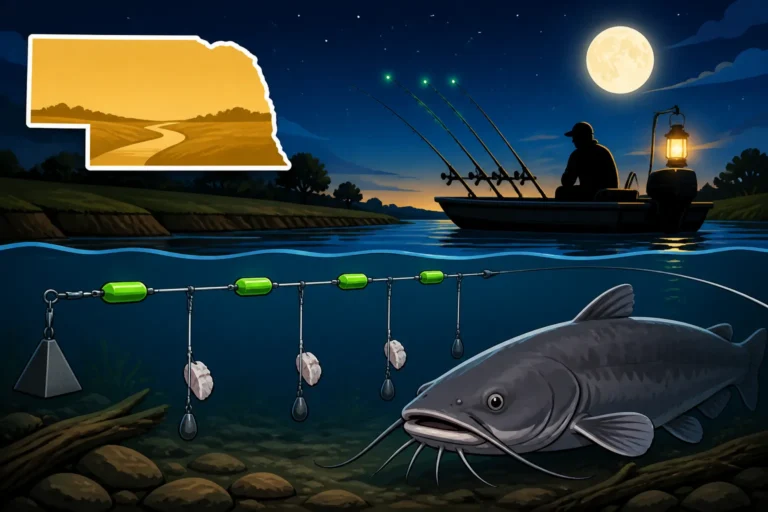
During the summer, channel catfish often move into deeper channels, scour holes, and around submerged structure in lakes and rivers during the day. As dusk approaches and into the night, they move into shallower flats, humps, and current seams to hunt. This is when night fishing becomes incredibly effective. The cooler air and water, combined with reduced boat traffic, make for a fantastic fishing experience. For flatheads, summer is their prime time. They'll be very active, particularly at night, moving out from their log jams and snags to hunt live bait. Target the same deep cover during the day, but then focus on adjacent feeding flats and current breaks at night using live bluegill or perch. In large reservoirs like Branched Oak Lake or Harlan County Reservoir, look for channel catfish along main lake points, submerged timber, and the edges of old creek channels. Consider using stronger scented baits or even fresh cut bait as the summer progresses, as catfish can become a bit pickier.
Fall Catfishing: The Pre-Winter Feeding Frenzy
As the days shorten and water temperatures begin to drop into the low 70s and 60s (September to November), catfish enter a pre-winter feeding frenzy. They're instinctively bulking up for the lean months ahead, which means they're often aggressively biting. This can be a fantastic time for both channel and flathead catfish.
In the fall, catfish will often follow baitfish into shallower waters during the day, especially on sunny days. As water temperatures continue to drop, they will eventually retreat to their deeper wintering holes. Early fall sees them still active in traditional summer spots, but as the season progresses, start looking for them concentrating in deeper river bends, reservoir main lake basins, and near creek channels. Fishing during the day can be highly productive, but don't overlook twilight and early evening hours. Cut bait, large nightcrawlers, and live baits for flatheads are all excellent choices. This period offers a final opportunity to land some really big fish before the cold really sets in. It's a great time to target both the numbers of channel catfish and the trophy flatheads that are trying to pack on weight.
Winter Catfishing: Slow Down and Deep Holes
Once water temperatures consistently drop below 50 degrees Fahrenheit, catfishing activity slows significantly. From December through February, catfish become much more lethargic, conserving energy and holding in deep, stable environments. While not impossible, winter catfishing requires a different approach and a lot more patience.
In rivers, catfish will stack up in the deepest holes, often out of the main current, such as below dams or in large, protected bends. In lakes and reservoirs, they'll congregate in the deepest basins, old creek channels, and areas with stable bottom temperatures. Ice fishing for catfish is possible, especially for channel cats in shallower, fertile lakes that might still have some activity. Anglers often use small jigs tipped with cut bait or worms, fished slowly near the bottom. Bites will be subtle, and presentation is key. For those fishing open water, live bait is less effective, and smaller pieces of cut bait or powerful stink baits fished on the bottom in deep holes are your best bet. Remember to practice Nebraska Ice Fishing Safety Tips if you venture out onto the hard water. Success during winter is about finding these concentrated schools and presenting your bait directly to them.
Essential Gear for Nebraska Catfishing
Having the right equipment can make all the difference between a frustrating day on the water and a successful outing. Catfishing isn't rocket science, but the sheer power of these fish demands robust gear.
Rods, Reels, and Line: Built for Battle
For serious catfishing, especially when targeting flatheads or larger channel cats, you need tackle that can stand up to a beating. Forget your ultralight panfish setup; we're talking about heavy-duty gear here.
Rods: Look for medium-heavy to heavy power rods, typically between 7 and 9 feet long. A longer rod provides better casting distance, especially from the bank, and more leverage when fighting a big fish. A fast action tip is good for detecting subtle bites, while the heavy backbone is essential for muscling in a stubborn catfish from heavy cover. Brands like Ugly Stik or Berkley Big Game often offer affordable, durable options perfect for Nebraska catfishing. Many experienced anglers use specific Best Catfish Rods for Big Nebraska Rivers designed for the immense power these fish possess. The rod should be able to handle at least 20-50 pound test line, sometimes even heavier if you're battling trophy flatheads in snaggy areas.
Reels: A sturdy, high-capacity baitcasting reel is the preferred choice for many seasoned catfish anglers. Its power and ability to hold a lot of heavy line are unmatched. Look for models with a strong drag system and a good gear ratio for cranking in heavy fish and lead weights. For lighter channel catfishing, a large spinning reel (4000-6000 series) paired with a medium-heavy rod can also work, offering easier casting for beginners. Ensure your reel has smooth retrieve and a robust construction to handle the strain. Don't skimp on the reel; a cheap one will fail you when you hook into a monster.
Line: When it comes to fishing line, heavy monofilament or braided line are your primary options.
- Monofilament (Mono): A good choice for its shock absorption, abrasion resistance, and affordability. Opt for 20-40 pound test. It's forgiving and provides a bit of stretch, which can be beneficial when a big fish makes a sudden run. However, it has more memory and can be harder to feel subtle bites at long distances or in current.
- Braided Line (Braid): Many experienced anglers swear by braid for its incredible strength-to-diameter ratio, lack of stretch, and superior sensitivity. You can use lighter diameter braid with much higher breaking strength (e.g., 50-80 pound test braid) allowing for longer casts and easier detection of bites, even in heavy current. Its lack of stretch means a more direct connection to the fish, making hook sets more efficient. However, it can be more expensive and requires a good knot-tying technique. If you're using braid, consider a monofilament or fluorocarbon leader to provide some invisibility and abrasion resistance. Look for specialized Best Braided Line for Catfish Fishing options that resist fraying against rough structure.
Terminal Tackle: The Business End
This is where your bait meets the water, and having the right hooks, weights, and leaders is paramount to presenting your bait effectively and landing fish.
Hooks:
- Circle Hooks: These are a game-changer for catfishing, especially if you plan to release fish or want to avoid gut-hooking. The design ensures the hook sets itself in the corner of the fish's mouth as the fish swims away, making for easy removal and higher survival rates. Sizes 5/0 to 10/0 are common for channel and flathead catfish.
- J-Hooks (Offset or Kahle Hooks): Traditional J-hooks are also effective, though they require a more active hook set. Use sizes 4/0 to 8/0, depending on your bait size and target species. They are often preferred by anglers who want to feel the bite and set the hook themselves. Always select a strong, sharp hook that won't straighten under pressure.
Weights (Sinkers): You'll need enough weight to hold your bait on the bottom, especially in current.
- No-Roll Sinkers: Great for keeping your bait stationary in rivers.
- Egg Sinkers: Common for Carolina rigs, allowing the line to slide freely.
- Bank Sinkers: Pyramid-shaped, they dig into the bottom and hold well in current.
- Disc/Flat Sinkers: Also good for current, as they lay flat on the bottom.
The weight size will vary based on current and depth, but typically ranges from 1/2 ounce to 4 ounces or even more on the Missouri River.
Swivels and Leaders: Heavy-duty barrel swivels or ball-bearing swivels (size 1/0 to 4/0) are essential to prevent line twist, especially when using cut bait or fishing in current. A strong monofilament or fluorocarbon leader (30-80 pound test, 12-24 inches long) is crucial for abrasion resistance against sharp rocks, snags, and the rough mouth plates of large catfish. It also provides a sacrificial point of failure, saving your main line if you get snagged.
Other Essential Tools: Prepared for Anything
Beyond the basics, a few extra items will make your catfishing trip safer and more enjoyable.
Pliers/Hook Removers: Catfish have tough, bony mouths, and powerful jaws. A good pair of long-nosed pliers or specialized hook removers are indispensable for safely extracting hooks. An accidental slip could lead to a painful encounter with their spines. Consider a pair of sturdy fishing pliers that can also cut heavy line.
Landing Net: A large, sturdy landing net with a rubberized mesh is critical for safely landing big catfish, especially flatheads. The rubberized mesh protects the fish's slime coat and prevents hooks from getting tangled. Trying to hand-land a thrashing 20-pound flathead is a recipe for disaster. Look for a net with a deep basket and a strong handle, ideally with a wide opening.
Headlamp/Lantern: If you're fishing at night (and you should be for catfish!), a reliable headlamp or lantern is non-negotiable. A headlamp allows you to keep your hands free for baiting hooks, tying knots, and handling fish. A lantern can illuminate your fishing area. Ensure they have fresh batteries or are fully charged.
Cooler: A good cooler isn't just for drinks; it's essential for keeping your bait fresh (especially live bait) and for storing any catfish you decide to keep. For larger fish, ensure your cooler is big enough to accommodate them without bending. Keep a bag of ice handy.
Towel/Gloves: Catfish can be slimy, and those pectoral and dorsal fins can deliver a painful poke. A dedicated fish towel or a pair of sturdy gloves can help with handling, particularly when trying to unhook and release a feisty cat.
Rod Holders: If you're fishing multiple rods from the bank or a boat, sturdy rod holders are a must. They keep your rods secure, prevent them from being pulled into the water by a powerful bite, and allow you to relax between strikes. PVC pipe holders or metal spike holders work well for bank fishing.
Having the right gear ensures you're prepared for whatever Nebraska's waters throw at you, making your pursuit of these whiskered fighters more efficient and enjoyable. You can find a vast selection of these items on platforms like Amazon, making it easy to assemble your ultimate catfishing arsenal.
Top Baits and Rigs for Nebraska Catfish
The beauty of catfishing is that these fish aren't usually picky eaters, but understanding which baits and rigs work best for different species and situations will definitely put more fish in your cooler.
Natural Baits: The Irresistible Aroma
Catfish, especially channel cats, are primarily smell-driven predators. The stronger and more natural the scent, the better your chances.
Cut Bait: This is a universal catfish killer, particularly for channels and blues, and even larger flatheads will take it. Fresh cut bait from oily fish like shad, carp, or even panfish (where legal to use as bait) is incredibly effective. The blood and oils released into the water create an irresistible scent trail.
- Preparation: Simply cut your baitfish into chunks or strips, making sure each piece has some skin and scales to hold it on the hook. For channel catfish, coin-sized pieces are often sufficient. For larger flatheads and blues, a whole side of a small carp or a large chunk of shad can be irresistible.
- Effectiveness: Cut bait is versatile and works well in both rivers and lakes. It's particularly good in current, as the scent spreads quickly downstream. The fresher the bait, the better, but even slightly aged bait can work due to increased scent.
Chicken Liver: A classic for channel catfish, chicken liver is readily available, inexpensive, and incredibly smelly. Its soft texture means it needs to be carefully hooked, often threaded onto the hook multiple times, or even held in place with a small piece of pantyhose or netting to prevent it from flying off during a cast.
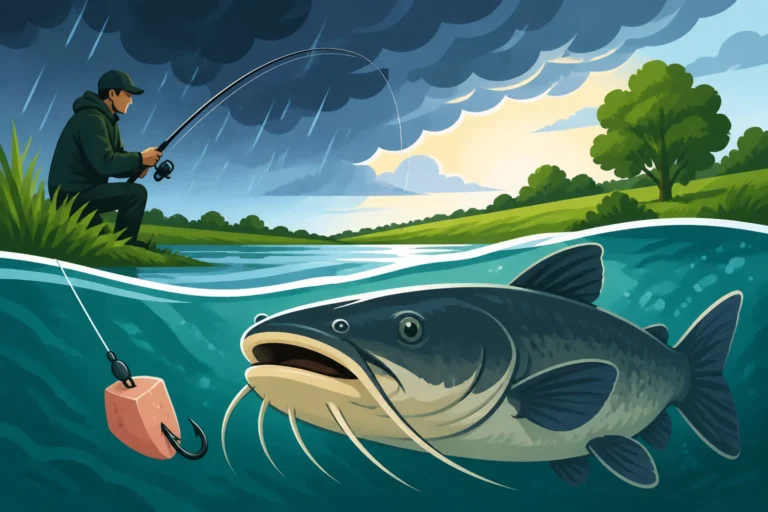
Nightcrawlers/Worms: While often associated with smaller panfish, a gob of nightcrawlers can be very effective for channel catfish of all sizes, especially after a rain when the worms wash into the water. They offer natural movement and scent. Thread several onto a hook to create a substantial presentation. This is an excellent bait for beginners and kids, as nearly every fish will show interest.
Prepared Stink Baits/Punch Baits: These commercially produced baits are designed specifically for channel catfish, mimicking the strong, pungent odors that attract them. Brands like Berkley PowerBait Catfish Baits or Sonny's Super Sticky Bait are popular choices. They come in various forms, from dough balls to dip baits that you "punch" a treble hook into. These are incredibly easy to use and very effective, especially in still or slow-moving water.
Live Bait: This is the absolute king for flathead catfish. Flatheads are predatory and prefer to hunt live prey.
- Species: Small bluegill, green sunfish, perch, suckers, or even small carp are excellent choices. Ensure they are lively and healthy. Check local regulations on what fish species can be used as live bait and if there are size restrictions.
- Presentation: Hook live bait through the back, just behind the dorsal fin, or through the lips, allowing it to swim naturally and attract flatheads. Use a heavy-duty hook that can withstand the powerful bite of a flathead.
Artificial Baits: Less Common, Still Possible
While most catfishing is done with natural baits, some anglers do have success with artificials, particularly for active channel catfish or when trying to cover water.
Scented Soft Plastics/Jigs: Jigging with large, scented soft plastics (like those infused with fish oils or other attractants) can sometimes entice channel catfish, especially if they are actively feeding on baitfish. Tip a heavy jig head with a grub or worm imitation and bounce it along the bottom. This is more of a niche technique but can be surprisingly effective in specific scenarios, like targeting fish in current below a dam.
Crankbaits/Swimbaits: For aggressive, actively feeding channel catfish, particularly those chasing baitfish in open water, occasionally a deep-diving crankbait or a large swimbait can draw a strike. This is not a traditional catfishing method but can happen, especially in reservoirs where channel cats behave more like predators.
Common Rigs: Presenting Your Bait Effectively
Choosing the right rig ensures your bait stays where the fish are and is presented enticingly.
Carolina Rig (Sliding Sinker Rig): This is one of the most popular and versatile rigs for catfishing.
- Setup: Thread an egg sinker onto your main line, followed by a bead (to protect the knot). Tie a barrel swivel to the end of your main line. To the other end of the swivel, tie a leader (12-24 inches of monofilament or fluorocarbon) and then your hook.
- Advantages: The sliding sinker allows the fish to pick up the bait and move off without feeling the weight, leading to a more natural presentation and better hookups. It's excellent for both still and moderately flowing water.
Santee Cooper Rig: An adaptation of the Carolina rig, particularly effective in lakes and slow rivers where you want to keep your bait slightly off the bottom.
- Setup: It's essentially a Carolina rig, but a small float (like a peg float or cigar float) is added to the leader, just above the hook.
- Advantages: The float lifts the bait a few inches to a foot or so off the bottom, making it more visible and keeping it out of debris, while still allowing the weight to hold it in place. This can be deadly for suspended channel cats or when fishing over a mucky bottom.
Three-Way Swivel Rig: Excellent for presenting multiple baits or for fishing in heavy current.
- Setup: Tie your main line to one eye of a three-way swivel. To a second eye, tie a short leader (6-12 inches) with a sinker. To the third eye, tie a longer leader (18-36 inches) with your hook and bait.
- Advantages: It allows you to fish your bait at a specific distance from the bottom, and the sinker can be changed easily to match current conditions. You can also run two hooks off the third eye for a multi-bait presentation.
Slip Bobber Rig: While often used for panfish, a heavy-duty slip bobber rig can be very effective for targeting catfish in shallower water or over submerged cover, allowing you to suspend your bait at a precise depth.
- Setup: Thread a bobber stop onto your main line, then a bead, then your slip bobber. Below the bobber, add a weight (split shot or small egg sinker) to balance the float, and finally your hook.
- Advantages: Great for presenting live bait or cut bait just above vegetation or submerged structure, allowing for a more natural presentation.
Experimenting with different baits and rigs based on the conditions and the specific catfish species you're targeting is key to consistent success. Often, the fish will tell you what they prefer on any given day.
Effective Catfishing Techniques in Rivers and Lakes
Catfishing techniques vary significantly depending on whether you're casting into the current of a river or the expansive waters of a reservoir. Each environment demands a tailored approach to maximize your chances of success.
River Techniques: Navigating the Current
Rivers are dynamic environments, and successful catfishing here means understanding current, structure, and the movement of fish. Rivers like the Niobrara River or the Elkhorn River offer fantastic catfishing opportunities, especially for channel and flathead catfish.
Bank Fishing: For many anglers, bank fishing is the most accessible way to target river cats.
- Spot Selection: Look for deep outside bends in the river where current creates scour holes. Target areas with log jams, submerged timber, or rock piles that break the current. Bridge pilings and wing dams on larger rivers like the Missouri River are also prime locations, as they create current seams and eddies where catfish rest and ambush prey. Also, consider the mouths of tributary creeks, which often bring in food and warmer water.
- Casting Strategy: Cast heavy rigs upstream from your desired spot and let the current carry your bait naturally into the zone. The goal is to get your bait to settle on the bottom in a slack water area or just inside a current seam. Use enough weight to prevent your bait from constantly rolling downstream. For specific locations, check out a Platte River Fishing Guide for access points and tactics.
Drift Fishing: This technique involves letting your bait drift naturally with the current, covering more water than stationary bank fishing.
- Boat Drifting: From a boat, you can use a controlled drift, often with a drift sock or by intermittently using a trolling motor, to slowly move downstream while presenting your bait. This is excellent for locating active fish over long stretches of river. Use a Carolina rig or a three-way swivel rig with just enough weight to keep your bait bumping the bottom.
- Bank Drifting: Even from the bank, you can achieve a form of drift fishing by casting upstream and slowly reeling in just enough to keep your line taut as your bait drifts down. This works best in areas with a consistent current and relatively clear bottoms.
Trotlining and Jugging: These are highly effective, traditional methods for catching large numbers of catfish, especially in bigger rivers and reservoirs. However, they come with strict regulations in Nebraska.
- Trotlines: A trotline consists of a main line anchored between two points (often shore to shore, or across a channel) with multiple baited hooks attached at intervals.
- Juglines: Jug fishing involves individual lines tied to floating jugs or bottles, each with a single baited hook. The jugs drift freely, and when a fish bites, the jug starts to move or bob erratically.
- Regulations: It is critical to be aware of the specific Nebraska fishing regulations regarding trotlines and juglines, including legal waters, length limits, number of hooks, tagging requirements, and how often they must be checked. For instance, in Nebraska, trotlines must be attended at least once every 24 hours and checked every 12 hours between sunrise and sunset. Unauthorized or improperly deployed gear can lead to significant fines. Always check the current Nebraska Fishing Regulations Explained before attempting these methods.
Lake and Reservoir Techniques: Finding Structure in Still Water
Lakes and reservoirs offer different challenges and opportunities. Here, current is less of a factor (unless near inlets/outlets), and fish often relate more to bottom structure and depth changes. Reservoirs like Lake McConaughy or Sherman Reservoir have robust catfish populations.
Anchor Fishing: The most common lake technique involves anchoring your boat (or fishing from the bank) over a known catfish hotspot and presenting your baits.
- Spot Selection: Target submerged humps, old creek channels, main lake points, roadbeds, submerged timber, or deep flats adjacent to shallower feeding areas. Use a fish finder to locate these structures and, crucially, to identify schools of baitfish or catfish themselves. For example, a Branched Oak Lake Catfish Fishing trip might focus on the deep central channel or the timbered areas.
- Fan Casting: Once anchored, cast multiple rods in a fan pattern around your boat, covering different depths and angles. This helps you determine where the fish are holding. Use Carolina rigs or Santee Cooper rigs to keep your bait on the bottom.
Drifting (Boat): In larger reservoirs, drifting can be effective for covering vast areas and finding concentrations of fish.
- Controlled Drift: Use the wind or a trolling motor to slowly drift across flats, humps, or along drop-offs. Let out plenty of line to ensure your bait stays in contact with the bottom. This is particularly effective for channel catfish that roam open water.
- Bait & Weight: Use multiple rods with different baits and weights to figure out what the fish prefer on that day. A combination of cut bait, worms, and stink bait can be a good starting point.
Targeting Submerged Timber and Brush Piles: Catfish, especially flatheads, love to hide in heavy cover.
- Precision Casting: If you're targeting submerged timber or brush piles, accurate casting is essential to get your bait as close as possible without getting snagged. Use heavy line and a strong rod to quickly pull fish out of the cover once hooked.
- Heavy Gear: This is where heavy-duty tackle really shines. Be prepared to lose some tackle, but the reward can be a monster flathead.
Night Fishing Strategies: Unlocking the Darkness
Regardless of whether you're on a river or a lake, night fishing for catfish is often far more productive than fishing during the day, especially in warmer months.
Why Night Fishing Works:
- Catfish are Nocturnal: Many species, particularly flatheads, are most active under the cover of darkness. They move into shallower waters to hunt baitfish and forage more aggressively.
- Cooler Temperatures: The drop in air and water temperature makes fish more comfortable and active.
- Less Pressure: Fewer recreational boaters and anglers mean less disturbance on the water.
Key Strategies for Night Fishing:
- Light Sources: As mentioned, a headlamp and a lantern are crucial. Use a lantern for general illumination, and a headlamp for tasks that require focused light. Red light settings on headlamps can help preserve your night vision.
- Scented Baits: Super-scented baits become even more critical at night, as visibility is low. Cut bait and stink baits excel here. For flatheads, live bait is still king.
- Patience and Quiet: Maintain a low profile and avoid unnecessary noise. Let your bait soak for extended periods. Catfish might take longer to find your bait in the dark.
- Safety First: Always fish with a buddy at night. Be aware of your surroundings, wear a life jacket if in a boat, and have a fully charged phone. Navigating unfamiliar terrain or water in the dark can be dangerous. Knowing How to Fish Overnight for Catfish safely can lead to incredible experiences.
By mastering these diverse techniques, you'll be well-equipped to tackle Nebraska's catfish population across its varied aquatic landscapes.
Finding Catfish Hotspots in Nebraska
Knowing the techniques and baits is one thing, but knowing where to apply them is another. Nebraska offers a fantastic array of waters, each with its own catfish potential. Let's pinpoint some prime locations. To help you find them, here's a broader guide on the Best Places to Fish in Nebraska.
River Locations: Current, Cover, and Deep Water
Nebraska's rivers are legendary for their catfish populations, particularly the larger systems.
The Missouri River: This mighty river forms much of Nebraska's eastern border and is a premier destination for all three major catfish species: channel, flathead, and especially blue catfish.
- Hotspots: Look for deep scour holes around wing dams, bridge pilings (like those near Omaha or Blair), and the mouths of major tributaries. The river's main channel often holds large blue catfish, while flatheads lurk in massive log jams along outside bends. Current seams and eddies behind structure are productive. Check out a detailed Missouri River Fishing in Nebraska guide for more specifics.
- Access: Numerous boat ramps and public access points exist along the border. Bank access can be challenging due to private land, so research public lands or use a boat.
Platte River: Running across the entire state, the Platte River is a fantastic fishery, particularly for channel and flathead catfish.
- Hotspots: Focus on the deeper channels, especially during low water periods. Log jams, undercut banks, and the deeper pools formed by current are excellent for flatheads. Channel cats are more widespread and can be found in a variety of habitats, including calmer backwater sections.
- Access: There are numerous bridge crossings and public access points, though wading can be necessary in some areas. Be mindful of sandbars and shifting channels. A Platte River Fishing Guide can provide detailed access points and seasonal strategies.
Niobrara, Elkhorn, and Loup Rivers: These central and northern Nebraska rivers also offer excellent catfishing, primarily for channel catfish and smaller flatheads.
- Hotspots: Look for the same features as the Platte – deep bends, log jams, and areas with stable current. These rivers tend to be smaller and more wadeable in places, offering unique bank fishing opportunities.
- Access: Public road crossings and state recreation areas often provide access.
Lake and Reservoir Locations: Structure and Forage
Nebraska's vast reservoirs and numerous smaller lakes offer consistent catfishing, especially for channel catfish, with some holding impressive flatheads.
Lake McConaughy: While famous for its walleye, "Big Mac" also holds a robust population of channel catfish.
- Hotspots: Look for channel catfish in the feeder creeks and coves during spring and fall. In summer, they move into the deeper main lake basins, around submerged timber, and along the old river channel. Night fishing is particularly effective here.
- Access: Excellent boat ramps and extensive shoreline access are available.
Merritt Reservoir: Another premier fishery known for its diverse species, including good numbers of channel catfish.
- Hotspots: Target the flooded timber, old creek channels, and the main lake basin. The reservoir's relatively clear water means you might need to use more subtle presentations or focus heavily on night fishing.
- Access: Several boat ramps and camping areas provide good access.
Branched Oak Lake (Near Lincoln): This popular reservoir is a go-to for many eastern Nebraska anglers targeting channel catfish.
- Hotspots: The main lake channel, submerged brush piles, and the areas around the dam are productive. Look for inflows after rain, as these often concentrate catfish. Check out Branched Oak Lake Catfish Fishing for specific tips.
- Access: Multiple boat ramps, fishing piers, and extensive bank access make it very angler-friendly.
Harlan County Reservoir: Located in south-central Nebraska, Harlan County is a fantastic multi-species lake with a strong channel catfish presence.
- Hotspots: The main lake channel, humps, points, and the mouths of the Republican River and other feeder creeks are prime. Night fishing with cut bait or stink bait is often the most productive strategy here. For a detailed overview, see Harlan County Reservoir Fishing.
- Access: Numerous boat ramps, camping facilities, and shoreline access points are available.
Smaller Urban Ponds and State Recreation Area Lakes: Don't overlook the many smaller lakes and ponds managed by the Nebraska Game and Parks Commission, especially those part of the Urban Fishing Program. These are regularly stocked with channel catfish and offer easy access for families and beginners.
- Hotspots: Look for deeper holes, aeration structures, and shaded areas. Fish near public piers or accessible banks.
- Access: Often feature paved paths, accessible piers, and close proximity to population centers.
When planning your trip, always consult current fishing reports and talk to local bait shop owners. They are an invaluable source of real-time information on what's biting and where. Remember that regulations can vary by water body, so always check the specific rules for your chosen destination.
Regulations and Conservation for Nebraska Catfish
As responsible anglers, it's our duty to understand and adhere to Nebraska's fishing regulations. These rules are in place to ensure healthy fish populations for future generations and to maintain the quality of our fisheries. Ignoring them can lead to hefty fines and damage to the resource.
Bag Limits and Size Restrictions: Know Your Numbers
Nebraska has specific daily bag and possession limits for catfish, and sometimes minimum length limits, depending on the species and the water body. These limits can change, so always consult the latest Nebraska Fishing Guide or the Nebraska Game and Parks Commission website.
General Catfish Regulations:
- Channel Catfish: Typically, the daily bag limit for channel catfish is 10, with a possession limit of 20. However, specific lakes or rivers might have special regulations. For example, some urban ponds or community lakes might have a reduced bag limit to spread the catch among more anglers. It's vital to check the Nebraska Channel Catfish Daily Limit for your target area.
- Flathead Catfish: The daily bag limit for flatheads is often more restrictive, commonly 5, with a possession limit of 10. There might also be a minimum length limit, such as 18 inches, to protect juvenile fish. Always refer to the most current regulations to confirm.
- Blue Catfish: Given their rarity in much of Nebraska and their potential for large size, blue catfish often have the most restrictive limits, sometimes as low as 1 or 2 fish per day, and often a higher minimum length limit. If you're fishing the Missouri River, pay close attention to the specific rules for this species.
Possession Limits Explained: The daily bag limit is the maximum number of fish you can harvest in a 24-hour period. The possession limit is the total number of fish you can have on your person, in your vehicle, or in storage (e.g., at home in the freezer) at any given time. This means if you have already harvested your possession limit, you cannot legally keep any more fish, even if you could theoretically catch them that day. A common question is Does Nebraska Have a Size Limit on Catfish?, and the answer is it depends on the species and location, so always verify.
Permits and Licenses: Don't Forget Your Paperwork
Before you even wet a line, you need the proper permits. Fishing without a license is a common violation that can result in significant penalties.
Fishing License: Anyone 16 years or older needs a valid Nebraska fishing license to fish in public waters.
- Types: Options include an Nebraska Annual Fishing Permit, 1-day, 3-day, or lifetime permits. Non-residents also have various options, like a Nebraska Nonresident Fishing License Guide.
- Purchase: Licenses can be purchased online through the GoOutdoorsNE system, at Nebraska Game and Parks offices, or from many bait shops and sporting goods stores across the state.
- Display: You must carry your license (either physical or digital proof) while fishing and be able to present it to a conservation officer upon request.
Aquatic Habitat Stamp: In Nebraska, most anglers aged 16 through 69 are required to purchase an Aquatic Habitat Stamp in addition to their fishing license. This stamp provides critical funding for aquatic habitat improvement projects across the state, which directly benefits fish populations and fishing opportunities. It's a small fee that goes a long way. Some licenses, such as combination hunt/fish permits or lifetime permits, may include this stamp. For more details, consult the Nebraska Aquatic Habitat Stamp Explained.
Trout Stamp (Not for Catfish, but Good to Know): While not relevant for catfishing, it's worth noting that if you plan to fish for trout in designated trout waters, you'll also need a Nebraska Trout Stamp, regardless of age.
Boat Registration: If you're planning to fish from a boat, remember that all motorized boats and most non-motorized vessels (like canoes and kayaks over a certain length) must be registered with the state of Nebraska. This involves fees and displaying registration numbers and decals. Understand the full scope of Nebraska Boat Registration and Fishing Rules.
Responsible Angling: Protecting the Resource
Conservation is more than just following the rules; it's about ethical behavior on the water and ensuring the health of the fishery.
Catch and Release Best Practices:
- Handle with Care: If you plan to release a fish, minimize its time out of water. Hold it horizontally, supporting its weight, especially larger fish. Avoid touching the gills or eyes.
- Quick Hook Removal: Use pliers to quickly and gently remove hooks. If a fish is deeply gut-hooked, it's often best to cut the line as close to the hook as possible rather than trying to remove it, as this can cause more internal damage.
- Revive the Fish: Hold the fish gently in the water, facing into a mild current, until it can swim away under its own power. Don't just toss it back.
Respect Other Anglers and Property:
- Space: Give other anglers ample space. Don't crowd someone's fishing spot.
- Litter: Pack out everything you pack in, and perhaps even pick up some trash left by others. Litter is detrimental to wildlife and ruins the outdoor experience for everyone.
- Private Property: Always respect private property boundaries. Obtain permission before fishing on private land.
Fish Consumption Advisories: Be aware of any fish consumption advisories issued by the state, especially for larger, older fish that may accumulate higher levels of mercury or other contaminants. These advisories are typically available on the Nebraska Game and Parks Commission website and are based on scientific testing to ensure public health.
By embracing these regulations and conservation practices, we contribute to healthy, sustainable catfish populations for all to enjoy, ensuring that the thrill of hooking a Nebraska giant remains for generations to come.
Troubleshooting Common Catfishing Challenges
Even the most seasoned angler encounters challenges. Catfishing, while generally straightforward, can present its own set of frustrations. Knowing how to troubleshoot these common issues can save your day and lead to more consistent success.
Dealing with Snags: The Angler's Nemesis
Snags are an inevitable part of catfishing, especially when targeting flatheads in their preferred snaggy habitats. Losing tackle is frustrating and costly, but there are ways to minimize the impact.
Prevention is Key:
- Rigging for Snags: When fishing heavy cover, use a slip sinker rig where the sinker can slide off if snagged, sometimes allowing you to retrieve your hook. Another trick is to tie a weaker line (lighter mono) to your sinker, or attach it with a breakable material like a paper clip, so only the sinker is lost.
- Know Your Bottom: If you're repeatedly getting snagged in one spot, it might be too heavy with cover. Try adjusting your casting angle, move your boat slightly, or reposition your bank fishing spot.
- Weight Selection: Use just enough weight to hold bottom. Too much weight can wedge into crevices more easily.
When You're Snagged:
- Don't Yank: Resist the urge to yank hard immediately. Often, a gentle but firm pull from a different angle can free your line.
- Slack Line: Sometimes giving the line a bit of slack, then slowly reeling it taut, can cause the hook to dislodge.
- The "Pop" Method: Point your rod tip directly at the snag, reel down tight, and then snap the rod tip quickly towards the snag and away, creating a "pop" that might free the hook.
- Boat Maneuvering: If in a boat, carefully motor directly over the snag. This changes the angle of pull and can often free the line. If it's safe, slowly backing up while keeping tension can work. Never put yourself or others in danger.
Slow Bites: Patience and Persistence
There are days when the catfish just don't seem to be biting, even in prime locations. This doesn't mean they're not there; it usually means you need to adjust your approach.
Changing Bait: If your go-to bait isn't producing, try something else.
- Variety: If you're using stink bait, try fresh cut bait. If using nightcrawlers, switch to chicken liver. Sometimes a subtle change in scent or texture is all it takes.
- Size Adjustment: If you're targeting bigger fish with large bait but getting no bites, try a slightly smaller bait. Conversely, if you're getting small nibbles, try a bigger offering to deter smaller fish.
Changing Location: If an hour or two passes without a bite, consider moving.
- Small Adjustments: Even moving 50 yards down the bank or shifting your boat's anchor position by 20 feet can put your bait in front of active fish.
- Depth Changes: If fishing deep, try casting into shallower adjacent areas, especially during low-light conditions. If fishing shallow, move deeper.
- Structure Exploration: Fan cast to explore different types of structure – a log, a rock pile, a channel edge – until you find where the fish are holding.
Changing Presentation: How you're offering the bait matters.
- Leader Length: Experiment with shorter or longer leaders on your Carolina rig.
- Float Height: If using a Santee Cooper rig, adjust how high your bait is off the bottom.
- Soaking Time: Some days, fish want the bait immediately. Other days, they might need it to soak for a long time to find it. Don't be afraid to leave a rod out for 30 minutes or more before checking.
Time of Day/Conditions: Sometimes, the fish just aren't active due to conditions.
- Low Light: If it's bright and sunny, try waiting for dusk or fishing into the night.
- Weather Fronts: Cold fronts can shut down fishing. If you're fishing during or just after a front, bites will be tougher, and you'll need maximum patience and precision. Understanding How Barometric Pressure Affects Fishing in Nebraska can be a real game changer here.
- Moon Phases: Some anglers swear by moon phases impacting catfish activity. While not scientifically proven, many report better fishing around new and full moons.
Identifying Other Species: Focusing on Your Target
When catfishing, you're bound to catch other species. While often fun, it's important to be able to identify your target and avoid excessive bycatch if you're focused on catfish.
Know Your Fish:
- Drum (Freshwater Drum): Often caught on catfish baits, especially cut bait. They have a deep, silvery body and a distinctive humped back. They put up a good fight but are generally not targeted by most catfishermen.
- Carp: Common in Nebraska's waters, carp will readily take corn, worms, and even some stink baits. They have large scales and a sucker-like mouth.
- Bullheads: Smaller cousins to channel catfish, bullheads (black, yellow, and brown) are identifiable by their unforked tail and typically smaller size. They are often aggressive and will hit almost any catfish bait. While good eating, they might not be your primary target if you're after a monster channel or flathead.
- Panfish: Bluegill, crappie, and sunfish will often nibble on smaller baits like worms, especially if you're using light tackle.
Strategies to Minimize Bycatch:
- Bait Size: Using larger baits (e.g., a bigger chunk of cut bait or a whole live bluegill for flatheads) will help deter smaller species.
- Hook Size: Similarly, larger hooks (e.g., 6/0 to 10/0) make it harder for smaller fish to get hooked.
- Location: If you're constantly catching bullheads in a particular shallow, muddy area, try moving to deeper water or areas with more current where larger catfish tend to dominate.
- Patience: Sometimes the smaller fish will just nibble away at your bait, but a true catfish bite will often be a more deliberate, heavy pull. Wait for that distinctive pull before setting the hook.
By understanding these common challenges and having a plan to address them, you can turn a slow day into a successful one and ultimately become a more effective and adaptable Nebraska catfisherman.
Catfish Species and Basic Regulations at a Glance
Here's a quick overview of the main catfish species in Nebraska and their typical regulations. Always check the current Nebraska Fishing Guide for the most up-to-date and specific rules for your target water body!
| Catfish Species | Primary Habitat | Preferred Bait | Typical Daily Bag Limit | Typical Possession Limit | Minimum Length Limit (Inches) | Notes |
|---|---|---|---|---|---|---|
| Channel Catfish | Rivers, lakes, reservoirs, ponds | Cut bait, chicken liver, stink baits, nightcrawlers | 10 | 20 | None (unless special rule) | Most common, widespread. |
| Flathead Catfish | Large rivers (deep holes, log jams) | Live bluegill, perch, sunfish | 5 | 10 | 18 (often) | Trophy fish, powerful fighters. |
| Blue Catfish | Lower Missouri River, large tributaries | Fresh cut bait (shad, carp) | 1-2 | 2-4 | 24-30 (often) | Rarest, largest potential size. Missouri River focus. |
Disclaimer: This table provides general information. Specific water bodies may have different regulations. Consult the current Nebraska Game and Parks Commission Fishing Guide before fishing.
Disclaimer
The information provided in this guide is for general informational purposes only and is not intended as legal advice. Fishing regulations, license requirements, and local conditions in Nebraska can change frequently. It is the sole responsibility of the angler to consult the most current Nebraska Game and Parks Commission Fishing Guide and any local ordinances before engaging in fishing activities. The author and publisher are not responsible for any actions taken based on the information presented herein. Always prioritize safety on the water and adhere to all applicable laws.