How Low Water Affects Reservoir Fishing in Nebraska
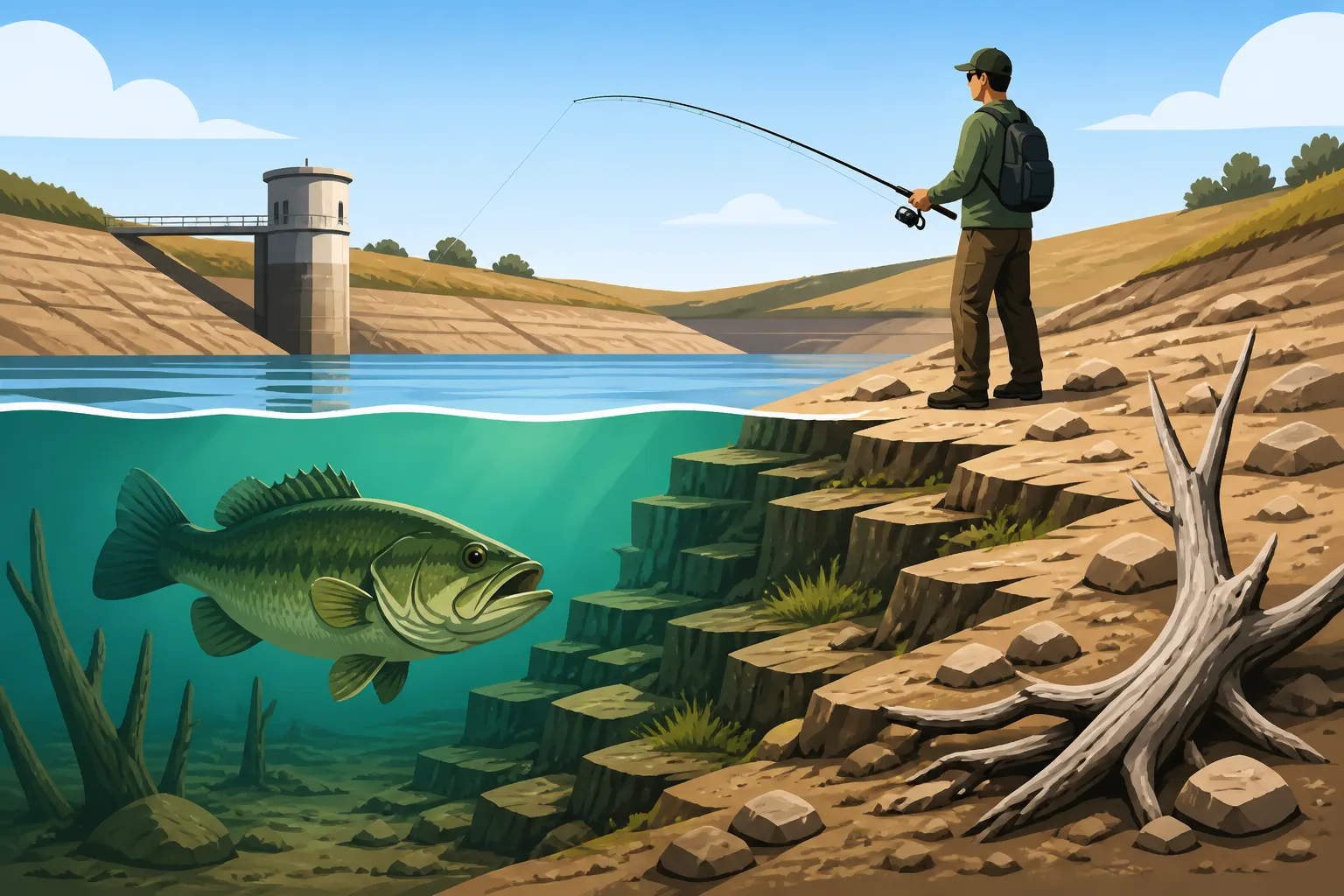
There's nothing quite as disheartening as pulling up to your favorite Nebraska reservoir, full of anticipation, only to find the water level has dropped significantly. Those familiar fishing spots, once productive, might now be dry land, and access points could be high and dry, leaving you scratching your head about where the fish even went. This guide is here to walk you through the realities of low water conditions in Nebraska's reservoirs, explaining why it happens, how fish react, and most importantly, how you can adapt your strategies to still have a successful and safe day on the water.
Understanding Why Reservoir Water Levels Fluctuate
Before we dive into how to fish low water, it helps to understand why those levels change in the first place. It’s not just a random occurrence; there are several factors at play that dictate the ebb and flow of our beloved Nebraska reservoirs. Knowing these can sometimes even help you predict what to expect before you even leave the driveway.
The Role of Precipitation and Drought Cycles
The most obvious, and often most impactful, factor is precipitation. Or, more accurately, the lack thereof. Nebraska, like many states in the Great Plains, experiences natural cycles of wet and dry periods. Prolonged drought conditions mean less rainfall and snowfall to feed the rivers and streams that flow into our reservoirs. This directly translates to lower inflows and, consequently, lower water levels. Think about it: if the faucet isn't running much, the bathtub won't fill up.
Conversely, a season of heavy rains or significant snowmelt can quickly raise water levels, sometimes even too quickly for comfortable fishing. But for now, we're focusing on the opposite problem. When you see a large area of the old lakebed exposed, it's a stark reminder of how much we rely on Mother Nature's generosity.
Human Intervention: Irrigation, Power, and Municipal Needs
Beyond natural weather patterns, human activity plays a massive role in reservoir levels. Many of Nebraska's reservoirs serve multiple purposes far beyond recreation. They are vital for agriculture, supplying irrigation water to vast fields of corn and soybeans, especially during the hot, dry summer months. When those irrigation canals open up, water is drawn out, often at a rapid pace, leading to noticeable drops in reservoir levels.
Additionally, some reservoirs are part of hydroelectric power generation systems, requiring water releases to meet energy demands. Others supply drinking water to nearby towns and cities. All these demands mean that water isn't just sitting there; it's a carefully managed resource. Sometimes, these drawdowns are planned and predictable, like winter drawdowns designed to create space for spring runoff or for dam maintenance. Other times, they are reactive, responding to immediate needs or environmental conditions. This complex interplay often means anglers have to constantly adapt to changing conditions.
How Low Water Changes Fish Behavior and Location
When the water drops, the world beneath the surface shifts dramatically for fish. What was once a comfortable, productive habitat can become stressful, forcing fish to relocate and altering their feeding patterns. Understanding these changes from a fish's perspective is key to finding them.
Concentrated Fish in Deeper Areas and Remaining Cover
One of the most immediate effects of low water is the concentration of fish. As the shallows disappear, fish are pushed into smaller, deeper pockets of water. This might sound like a good thing – all the fish in one place! – but it also means increased competition for food and space, which can stress them out. They’ll gravitate towards the deepest available areas, looking for stable temperatures and a sense of security.
Furthermore, any remaining structure or cover becomes absolutely critical. Submerged timber, rock piles, old creek channels, and deep weed lines that were once abundant might now be scarce. Fish will relate tightly to these limited cover options, using them for ambush points, protection from predators, and thermal refuge. This is when your fish finder becomes an invaluable tool, allowing you to identify these crucial deeper structures. If you're looking for more guidance on using electronics, check out our article on How to Read a Fish Finder for Walleye.
Altered Foraging and Spawning Patterns
Lower water levels can significantly disrupt a fish’s natural foraging and spawning behaviors. Many baitfish, like shad, rely on shallow, vegetated areas for cover and food. When these areas dry up, the baitfish are forced into deeper water, often alongside the predators that hunt them. This can change where game fish feed; instead of cruising the flats, they might be ambushing baitfish pushed against a steep drop-off.
Spawning can also be severely impacted. Species like crappie and bass often move into very shallow water to spawn, utilizing submerged brush and emergent vegetation. If these areas are exposed, spawning may be delayed, occur in less ideal locations, or even fail in certain spots. This is a big deal, as it can affect fish populations for years to come. Understanding Nebraska Fishing Seasons Explained can help you anticipate these critical times, but low water can throw a wrench in even the most predictable seasonal patterns.
Adapting Your Fishing Techniques for Low Water Conditions
So, the water’s low. Don’t despair! This isn’t a reason to put away your rods. It's a challenge, yes, but also an opportunity to learn and hone new skills. With the right approach, you can still find success.
Targeting Deeper Structures and Drop-Offs
When shallow cover vanishes, fish almost invariably head for deeper water. This means your focus should shift from casting to visible shoreline features to searching for submerged structures. Look for:
- Old Creek Channels: These are essentially highways for fish in low water. They offer deeper water and often hold old timber or subtle contours that attract fish.
- Humps and Points: Any underwater humps or points that extend into deeper water will be magnets for fish, especially walleye and bass. These are prime ambush locations.
- Steep Bluffs and Rock Walls: Fish will often hug these vertical features, especially if they offer shade or immediate deep water access.
- Artificial Reefs/Brush Piles: If you know of any submerged brush piles or artificial habitat structures, these become even more critical in low water as they provide rare cover.
When fishing these areas, think vertical. Jigging spoons, drop-shot rigs, and heavy Texas-rigged plastics for bass are excellent choices. For walleye, a good strategy can be to use a jig and a minnow or a crawler harness fished slowly along the bottom. Consider stocking up on a variety of jig heads and soft plastics from Amazon to ensure you have options for different depths and presentations.
Adjusting Lure Selection and Presentation
The lures you typically throw might not be as effective in low water. Here’s why and what to change:
- Slower Presentations: Stressed fish in confined areas often aren't as aggressive. Slow down your retrieve. Let baits sit longer. Finesse techniques often outperform power fishing.
- Deeper Diving Lures: If you're trolling, crankbaits that dive deeper become essential to reach those fish concentrated at the bottom. Experiment with different lip designs and weights.
- Smaller Baits: Sometimes, in high-pressure, low-water situations, smaller baits can trigger more bites. Think about downsizing your jigs or soft plastics.
- Natural Colors: Clearer water can sometimes accompany low levels, especially if there hasn't been recent rain to stir things up. In these conditions, natural baitfish colors (silvers, whites, greens, browns) might be more effective than bright, flashy colors.
For anglers targeting species like walleye, learning How to Fish for Walleye in Nebraska in these conditions often means slowing down your boat or even vertical jigging directly over schools you mark on your electronics. And if you're chasing catfish, don't forget that How to Catch Catfish in Nebraska might mean focusing on deeper holes in river channels or the deepest sections of the reservoir, often with cut bait or stink bait on the bottom.
Utilizing Electronics Effectively
Your fish finder is your best friend when water levels are low. Don't just look for fish; look for structure. Side imaging and down imaging technologies can help you pinpoint those old creek beds, submerged roadbeds, and isolated rock piles that are now exposed but still attracting fish.
- Map Chips: Invest in a good map chip for your GPS/fish finder unit. These often show old river channels, submerged contours, and even former roadbeds that are now key fish habitat.
- Waypoint Marking: Mark every piece of significant structure you find. Even if it doesn't hold fish today, it might tomorrow.
- Observe Baitfish: If you mark large schools of baitfish, game fish are likely nearby, even if they aren't directly on the bottom.
Many anglers find it helpful to learn How to Use Side Imaging Sonar for Structure to truly unlock the secrets of a low-water reservoir. A high-quality fish finder, readily available on Amazon, can make an immense difference in your success.
Navigating Low Water Challenges: Access and Safety
Low water isn't just about where the fish are; it's also about practical challenges for anglers, especially those with boats. Safety and access become paramount.
Boat Ramp Limitations and Submerged Hazards
One of the biggest headaches during low water is limited boat ramp access. Ramps that were perfectly fine in spring might now end abruptly in mud or dirt, or they may be entirely out of the water. Always check the current water levels and ramp conditions before you go. Some reservoirs will close certain ramps or designate specific ones for low-water use. For example, popular destinations like the Lake McConaughy Fishing Guide or the Merritt Reservoir Fishing Guide will often have updated information on their ramp statuses.
Even if you can launch, submerged hazards become a major concern. Old fence lines, stumps, rock piles, and even entire foundations of old buildings that were once safely deep are now lurking just below the surface, ready to damage your lower unit or prop.
- Slow Down: Operate your boat at very slow speeds, especially in unfamiliar areas.
- Idle Zones: Respect any marked idle-only zones, and consider extending them in low-water areas.
- Trim Up: Keep your motor trimmed up as much as possible, especially when approaching shallow areas.
- Eye on the Graph: Constantly monitor your depth finder.
- Don't Rush: Take your time, and if in doubt, don't go there.
Having your Nebraska Boat Registration and Equipment Requirements in order is always wise, but safe navigation practices are even more critical when water levels are down.
Bank Fishing Opportunities and Challenges
While boat anglers face challenges, low water can sometimes open up new opportunities for bank anglers, but it also creates new problems.
Opportunities:
- Exposed Structure: Areas that were too deep to effectively fish from shore before might now be accessible. You might be able to walk out to points or ledges that were previously unreachable.
- Concentrated Fish Near Drop-Offs: If fish are pushed into deeper channels, and those channels run close to shore, bank anglers might have a unique advantage.
Challenges:
- Muddy Banks: Exposed lakebeds are often soft, sticky mud, making walking difficult and messy. A sturdy pair of waders, perhaps a well-reviewed pair you picked up from Amazon, can be a lifesaver for navigating these conditions.
- Longer Walks to Water: You might have to walk much further from parking areas to reach the water's edge.
- Limited Casting Room: Steep, muddy banks can make backcasting a challenge.
- Snags: As mentioned for boaters, newly exposed or shallow submerged structure can lead to more snags from shore.
For those who prefer to fish from the bank, mastering How to Fish From Shore in Nebraska becomes even more about adaptability. You might need to cast further or use different rigs to reach deeper water. Always prioritize safety when exploring new shoreline access, and ensure you're aware of your surroundings, especially if the bank is unstable. Ensuring you have a reliable first-aid kit, easily purchased on Amazon, is also a smart move when venturing into less-traveled areas.
Final Thoughts on Low Water Fishing
Low water conditions in Nebraska's reservoirs can be frustrating, no doubt about it. Familiar landmarks disappear, preferred fishing spots dry up, and navigating the water becomes a cautious dance around newly exposed hazards. But it’s also a time for growth as an angler. It forces you to think differently, to rely more heavily on your electronics, and to understand the fundamental behaviors of the fish you’re pursuing.
Instead of seeing low water as an insurmountable obstacle, view it as an intriguing puzzle to solve. By focusing on deeper structures, adapting your lure selection and presentation, and prioritizing safety, you can turn a challenging situation into a rewarding fishing experience. Always check current conditions before heading out, and remember that sometimes the best fishing stories come from the most challenging days on the water.
Disclaimer
This article is for general informational purposes only and does not constitute professional advice. Laws, prices and regulations vary by location and change over time. Consult a qualified professional for guidance on your specific situation.