Are There Brook Trout in Nebraska?
It's a common question for anglers dreaming of cool, clear waters and colorful catches: are there brook trout in Nebraska? Many of us picture those vibrant, speckled fish in pristine mountain streams, and while Nebraska has its own unique fishing opportunities, the reality for brook trout here is a bit more nuanced than in other states. This guide is here to untangle the facts, explain where these elusive fish might be found, and explore the fantastic trout fishing opportunities that Nebraska does offer.
The Truth About Brook Trout in Nebraska: A Rare Gem
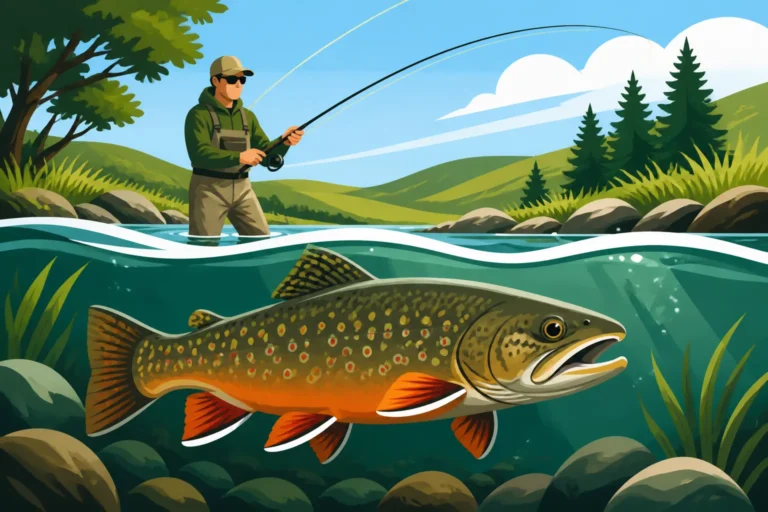
The idea of catching a beautiful brook trout, with its distinctive worm-like markings and reddish fins, can be quite appealing. For many, it evokes images of wild, untouched wilderness. In Nebraska, however, the presence of brook trout is quite limited, making them a true rarity and a special find for any angler. It's not like heading to a well-known brook trout fishery in Colorado or Montana; here, you're hunting for a needle in a haystack, and sometimes, that haystack is simply not there.
Native vs. Stocked Populations
Historically, brook trout (which are technically a char, not a true trout, but we'll stick to common terminology for clarity!) were never widely native to Nebraska. Our state's natural conditions, especially the warmer summer temperatures and lower stream gradients, generally didn't provide the cold, stable environments these fish require to thrive and reproduce naturally on a large scale. Unlike rainbow and brown trout, which have proven more adaptable to Nebraska's waters through stocking programs, brook trout have always faced an uphill battle.
What this means for the modern angler is that encountering a brook trout in Nebraska is an exceptional event. Any populations you might hear whispers about are likely remnants of very specific, highly localized stocking efforts from decades past that somehow managed to cling on, or perhaps a very rare, isolated wild population in the most ideal, spring-fed conditions. It’s important to understand that these aren't widespread, regularly maintained fisheries. If you do manage to find one, it's often a testament to nature's persistence in a truly unique pocket of habitat.
Where to Find the Elusive Brookies If At All
So, if they're not widespread, where would you even begin to look for such an elusive fish? The answer lies in seeking out the most pristine, cold, and consistent spring-fed streams. We're talking about tiny trickles and headwaters that maintain exceptionally low water temperatures year-round, even through the scorching Nebraska summers. These are usually in remote, often overlooked corners of the state, far from the larger, more prominent rivers and reservoirs.
Think of small, clear creeks that are heavily shaded by dense canopy, perhaps in the Pine Ridge region of the panhandle or isolated spring branches feeding into larger systems. These aren't the places you'd typically find on a general fishing map. They often require considerable effort to access, sometimes involving hiking through private land (with permission, of course!) or dense riparian zones. Even then, success is far from guaranteed. You'll need lightweight, packable gear for these excursions, something easily found on Amazon for those long treks to secluded spots. These are spots where the sheer joy is in the exploration and the rare chance of discovery, more so than the expectation of a full creel. For more on specific wild trout waters, you might want to read What Streams Hold Wild Trout in Nebraska.
Understanding Brook Trout Habitat Requirements
To truly appreciate why brook trout are such a rarity in Nebraska, it helps to understand their incredibly specific needs. They are coldwater specialists, highly sensitive to environmental changes, which makes their survival challenging in many parts of the state. It's a classic case of nature dictating what species can thrive where.
The 'Goldilocks' Conditions Brook Trout Demand
Brook trout are picky eaters, but even pickier about their living arrangements. They demand "Goldilocks" conditions: not too warm, not too cold, just right, but consistently. We're talking about water temperatures that rarely exceed 65 degrees Fahrenheit, even during the peak of summer, and ideally staying below 60 degrees. This is critical for their metabolism, oxygen uptake, and successful reproduction. If the water gets too warm for too long, they simply can't survive.
Beyond temperature, brook trout need highly oxygenated, clean water. This typically comes from natural springs that constantly feed cold, pure water into a stream, or from fast-flowing, turbulent sections of rivers. They also prefer streams with plenty of cover – undercut banks, fallen logs, rocky crevices, and dense aquatic vegetation – which provide refuge from predators and strong currents. These aren't your typical wide, silty Nebraska rivers; they are small, intimate environments. Compared to their more robust cousins, like the rainbow trout that thrive in many of our stocked lakes and tailwaters, brook trout are delicate creatures requiring a much narrower band of ecological perfection.
The Challenges of Maintaining Brook Trout Populations in Nebraska
Given these stringent requirements, it's no surprise that maintaining thriving brook trout populations in Nebraska is incredibly challenging. Our state's geography and climate present several significant hurdles. Summers can be brutally hot, leading to elevated stream temperatures that push brook trout beyond their physiological limits. Many of our smaller streams and creeks, while appearing suitable in cooler months, can become too warm and oxygen-depleted in July and August.
Furthermore, agricultural runoff and other forms of pollution can degrade water quality, impacting the clean, pure water that brook trout need. Sedimentation from erosion can bury spawning grounds and fill in the vital nooks and crannies these fish rely on for shelter. Competition from more tolerant and widely stocked species, like rainbow trout and brown trout, can also make it difficult for any remaining brook trout to compete for food and space. While there are certainly ongoing conservation efforts across Nebraska to improve aquatic habitats for various species, specific, large-scale initiatives focused solely on the reintroduction or expansion of brook trout populations are rare, given the unsuitability of most waters. It's a tough environment for a species that demands so much.
Other Trout Species You Can Catch in Nebraska
While the pursuit of brook trout in Nebraska might be a quest for the truly dedicated, the good news is that Nebraska offers some absolutely fantastic trout fishing opportunities for other species. Don't let the rarity of brookies deter you from enjoying the thrill of trout fishing in our state! The Nebraska Game and Parks Commission (NGPC) does a commendable job of managing and stocking our coldwater fisheries, ensuring there are plenty of chances to hook into some beautiful fish.
The More Common Trout in Nebraska Waters
When it comes to trout in Nebraska, two species reign supreme: rainbow trout and brown trout. These are the workhorses of our coldwater programs, offering consistent angling experiences.
Rainbow Trout: These are, by far, the most common trout you'll encounter in Nebraska. They're regularly stocked in numerous lakes, ponds, and coldwater streams across the state, including many urban fishing program waters, making them accessible even to those living near cities. Rainbows are popular for their spirited fights and their willingness to bite a variety of baits and lures. They are a staple of places like Lake Ogallala below Kingsley Dam, which is famous for its trout, and numerous state park lakes. You can find out more about where these fish are stocked and how to target them in our Nebraska Rainbow Trout Fishing guide.
Brown Trout: While not as ubiquitous as rainbows, brown trout have established themselves in several key Nebraska fisheries, particularly in some of the state's cooler, more stable streams and the tailwaters below large dams. Browns are known for being a bit more elusive and wary than rainbows, making them a prize for experienced anglers. They can grow to impressive sizes and offer a powerful fight. You'll find them in similar coldwater environments to rainbows, often coexisting, though they might prefer slightly different holding lies. To learn more about their habits and hotspots, check out Nebraska Brown Trout Fishing.
Expanding Your Trout Fishing Horizons in Nebraska
If you're eager to catch trout in Nebraska, you have excellent options beyond the pursuit of the nearly mythical brook trout. The key is to focus on the waters that are actively managed for trout.
One of the premier destinations for trout fishing in Nebraska is Lake Ogallala, often referred to as "Little Mac," located directly below Lake McConaughy. This coldwater lake is fed by the deep, cold waters released from McConaughy and is regularly stocked with rainbow and brown trout. Anglers frequently catch impressive trout here, especially during the cooler months. You can find more detailed information on Lake Ogallala Trout Fishing. Another excellent option is Merritt Reservoir, especially its deeper sections and areas near cold springs, where trout stocking also occurs. Dive deeper into this fantastic fishery with our Merritt Reservoir Trout Fishing guide.
Beyond these well-known spots, many smaller lakes and ponds receive seasonal trout stockings, particularly in the spring and fall when water temperatures are favorable. These "put-and-take" fisheries are fantastic for families and beginners, offering high catch rates and easy access. Make sure you check the NGPC's stocking schedules to hit these waters right after a fresh delivery of fish. For specific dates and locations, our When Trout Are Stocked in Nebraska Lakes article is a great resource, and you can also learn about the optimal timing in Best Time to Fish After Trout Stocking in Nebraska. Remember, you'll need a Nebraska fishing license, and in some cases, a Nebraska Trout Stamp Requirements, to fish for trout legally.
| Trout Species | Presence in Nebraska | Typical Habitat | Best Known Locations | Common Size Range |
|---|---|---|---|---|
| Brook Trout | Extremely Rare (localized remnants) | Very cold, pristine, spring-fed streams, heavily shaded headwaters | Remote, obscure small creeks in Pine Ridge region | 6-10 inches (rarely larger) |
| Rainbow Trout | Common (regularly stocked) | Lakes, reservoirs, coldwater tailwaters, urban ponds, some streams | Lake Ogallala, Two Rivers SRA, Fremont Lakes, local urban ponds | 10-20 inches |
| Brown Trout | Moderate (stocked in specific areas) | Cooler rivers, coldwater tailwaters, some deeper reservoirs | Lake Ogallala, some Sandhills streams, specific reservoir tailwaters | 12-25 inches |
Gear and Techniques for Nebraska Trout Fishing (Even Without Brookies)
Even if brook trout remain largely a dream in Nebraska, that doesn't mean you can't have incredible trout fishing experiences here. With the right gear and a few honed techniques, you can enjoy plenty of success targeting the more prevalent rainbow and brown trout. It's all about being prepared for the waters you'll actually be fishing.
Essential Gear for Nebraska Trout
For most Nebraska trout fishing, you don't need highly specialized, expensive equipment. Light tackle is generally the way to go, allowing you to feel subtle bites and providing an exciting fight from even modestly sized fish.
- Rods and Reels: A light to ultralight spinning rod, typically 5 to 7 feet long, paired with a small spinning reel (size 1000 or 2000) is perfect. This setup allows for accurate casting of light lures and baits, which is crucial for wary trout. You can find excellent budget-friendly options for these combos on Amazon.
- Fishing Line: Spool your reel with 4 to 6-pound test monofilament or fluorocarbon line. The lighter line is less visible to fish in clear water and allows for better casting distance with light lures. If you're using braided line, a short fluorocarbon leader (2-4 feet) is a must for stealth.
- Terminal Tackle: A small assortment of hooks (sizes 8-12), split shot weights, and swivels will cover most situations. Small artificial baits like PowerBait (in various colors and forms like dough or nuggets), corn, and worms are consistently effective for stocked trout. For lures, small inline spinners (like Mepps or Rooster Tail in sizes #0- #2), tiny spoons, and small crankbaits are excellent choices. Having a variety is key because trout can be finicky. For a deeper dive into what to pack, check out Best Fishing Gear for Nebraska Anglers.
- Waders and Boots: If you plan on wading in streams or rivers, especially during cooler seasons, a good pair of waders and wading boots will keep you dry and comfortable. This is particularly useful for accessing prime spots that are difficult to reach from the bank.
Tactics for Success in Coldwater Fisheries
Successful trout fishing in Nebraska, especially for rainbow and brown trout, often comes down to understanding the environment and presenting your bait or lure effectively.
- For Stocked Lakes and Ponds: These are often the easiest places to start. Trout here are typically less wary. A simple slip-bobber rig with PowerBait, a nightcrawler, or even a kernel of corn suspended off the bottom can be incredibly effective. Experiment with different depths until you find where the fish are holding. Casting and retrieving small spinners or spoons also works well, especially in the early mornings or late evenings when trout are actively feeding near the surface. Don't be afraid to move around the pond to find schools of fish, particularly after fresh stockings. These urban ponds are often family-friendly, and you can pick up a starter kit for kids easily on Amazon.
- For Rivers and Tailwaters: These environments require a bit more finesse. Trout in moving water often hold in current breaks, behind rocks, under undercut banks, or in deeper pools. Presenting your bait or lure upstream and letting it drift naturally downstream (often called "drift fishing") mimics natural food sources. Fly fishing can be highly effective here if you're into that specialized technique. For more advanced tactics in these areas, our Best Flies for Nebraska Trout Fishing article can provide excellent insights.
- Patience and Stealth: Regardless of where you're fishing, trout can be spooky, especially in clear water. Approach your fishing spot quietly, avoid making sudden movements, and dress in natural colors to blend in with the surroundings. Patience is always a virtue when trout fishing; sometimes, it takes a few casts or a bit of waiting for the fish to become active. And always remember to consult the Nebraska Fishing Regulations Explained before heading out, as limits and specific rules can vary by location and species. Staying dry and comfortable, even in unpredictable Nebraska weather, is paramount, so consider a reliable rain jacket and waterproof gear, many options for which are available through Amazon.
Disclaimer
This article is for general informational purposes only and does not constitute professional advice. Laws, prices and regulations vary by location and change over time. Consult a qualified professional for guidance on your specific situation.