Best Time to Fish After Trout Stocking in Nebraska
It’s a common scenario: you hear the exciting news that your favorite local pond or stream just got a fresh batch of trout from the Nebraska Game and Parks Commission, and your first thought is to drop everything and head straight there. But the truth is, while getting there right away can yield some quick bites, the absolute best time to fish after a trout stocking in Nebraska often isn't immediately after the truck pulls away. This guide will walk you through the optimal windows, practical advice, and essential insights to maximize your success when targeting these freshly introduced fish.
Understanding Nebraska's Trout Stocking Program
Many anglers, especially those new to trout fishing in the Cornhusker State, might not fully grasp the intricacies of how and why Nebraska stocks trout. It’s more than just dumping fish into a lake; it’s a carefully planned effort to enhance recreational opportunities and provide diverse fishing experiences.
Why Nebraska Stocks Trout
Nebraska isn't naturally teeming with large, self-sustaining trout populations in most areas due to our warmer waters, especially in the eastern and central parts of the state. Most of our natural trout habitat is limited to cold-water streams in the Pine Ridge area of the Panhandle. To give anglers across the state a chance to experience the thrill of trout fishing, the Nebraska Game and Parks Commission actively stocks various water bodies. These stocking programs are designed to create "put-and-take" fisheries, where fish are stocked for immediate recreational angling enjoyment. This means that, unlike wild trout streams, the goal here is often for anglers to harvest their catch, so understanding the appropriate limits is important. For a full rundown, check out our guide on Nebraska Trout Daily Limit.
Typically, the trout stocked are Rainbow Trout, known for their eager biting nature and resilience, making them perfect for these types of programs. They're usually of a catchable size, often 9-12 inches, so you’re not waiting around for tiny fingerlings to grow. It’s about creating an accessible, fun fishing experience for families, beginners, and seasoned anglers alike who might not have access to wild trout streams.
Where and When Trout Are Stocked
The Nebraska Game and Parks Commission has specific locations and times for its trout stocking efforts, often tied to seasonal temperature changes. You'll find stockings occurring primarily in the spring and fall when water temperatures are cool enough for trout to thrive. Some urban lakes and ponds are also stocked during winter for ice fishing opportunities, extending the season.
Key locations often include urban ponds in cities like Omaha (Standing Bear Lake, Zorinsky Lake, Cunningham Lake), Lincoln (Holmes Lake, Wagon Train Lake, Pawnee Lake), and other community lakes across the state. These "Community Fishing Program" sites are fantastic because they're easily accessible. For precise locations and dates, anglers should always consult the official Nebraska Game and Parks Commission website or their annual fishing guide. They usually announce upcoming stockings, often giving anglers a heads-up so they can plan their trips. You can get more details on When Trout Are Stocked in Nebraska Lakes to stay informed and plan your trips.
The Immediate Aftermath: The "Stocking Frenzy"
So, the trout truck has just left, and the news is out. You're probably picturing fish practically jumping onto your hook. There's definitely a period of intense activity, but it comes with its own set of unique circumstances and challenges.
The First 24-48 Hours
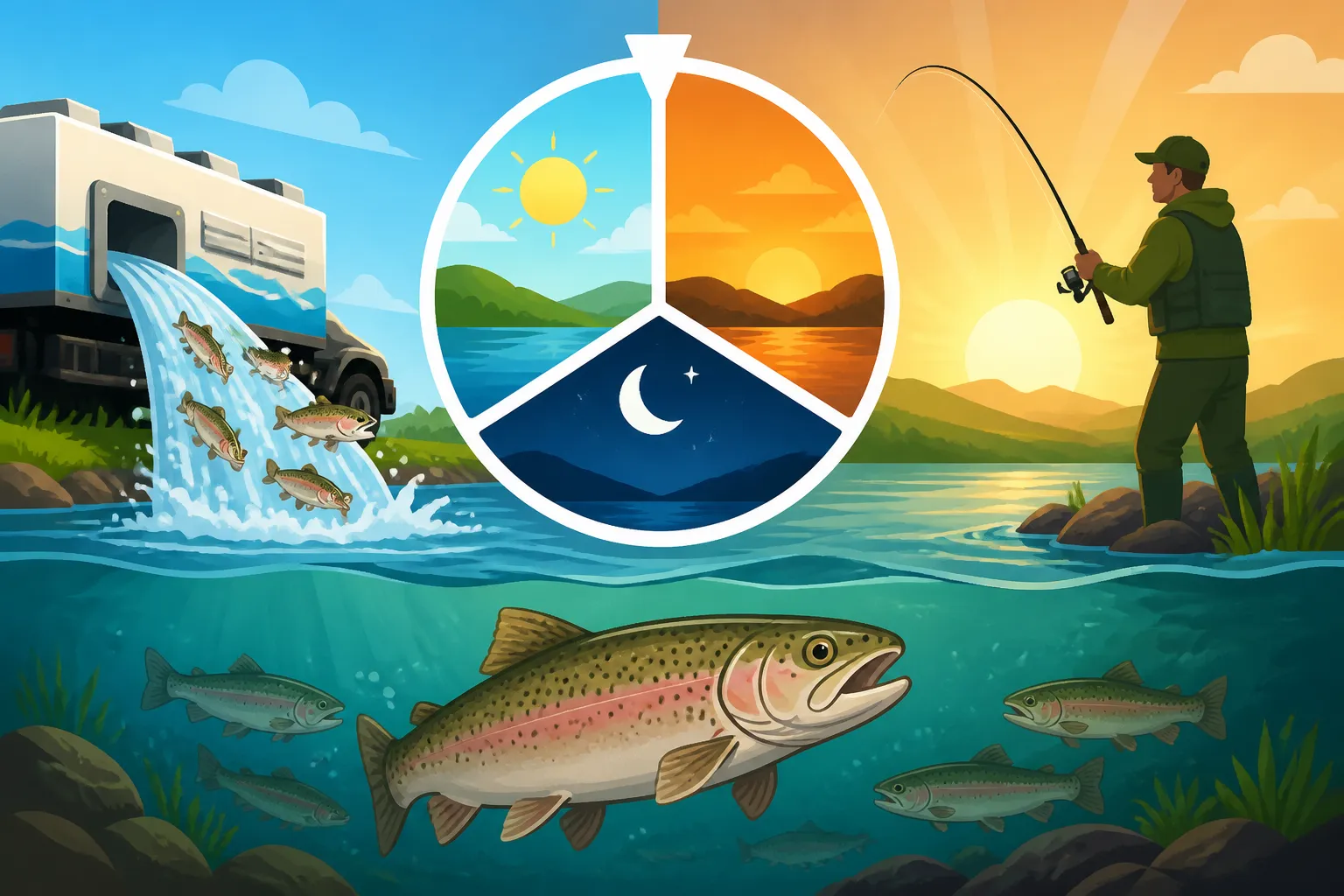
The moment those trout hit the water, they are, for lack of a better term, a bit disoriented. They've just been transported from a hatchery environment, often a holding tank on a truck, into a brand new, albeit temporary, home. Their primary instinct is usually to spread out a bit, but also to look for food. Since they've been regularly fed pellets in the hatchery, they are often quite naive and will hit almost anything resembling food.
This initial period, often referred to as the "stocking frenzy," can be incredibly productive. Anglers who arrive shortly after the stocking truck often experience fast and furious action. It’s not uncommon to limit out quickly, especially if the fish are packed into a smaller pond. This is why you see crowds gathering at popular stocking sites. The fish are often still schooled up, haven't encountered natural predators, and aren't yet wary of anglers or their offerings. It’s an exciting time, particularly for kids or those looking for guaranteed action.
Challenges of the Initial Rush
While the "frenzy" sounds appealing, it's not without its downsides. First and foremost, you’re often dealing with significant crowds. Popular stocking locations, especially in urban areas, can become packed with anglers, making it difficult to find a good spot. You might be casting shoulder-to-shoulder with dozens of other people, which can detract from the serene fishing experience many seek.
Beyond the crowds, the fish themselves can become "pressured" very quickly. After being caught and released (or even just seeing multiple lures and baits), they might become a bit warier. The easy bites can dry up faster than you expect. Furthermore, newly stocked trout can sometimes be stressed by the transition, making them less active if the conditions aren't perfect or if they're handled improperly. It’s important to practice good catch and release techniques, especially if you’re not planning to keep your full Nebraska Trout Daily Limit. The immediate rush can be fun, but it's not always the most consistent or enjoyable experience for everyone.
Timing Your Trip: Beyond the First Few Days
Moving past the initial chaos, there's a definite sweet spot and even opportunities further down the line that many anglers overlook. The key is understanding how these fish adapt and how fishing pressure affects their behavior.
The Sweet Spot: Day 3 to Week 2
From my years of experience, and from talking to countless successful anglers around Nebraska, the real "sweet spot" for stocked trout often falls between day three and about two weeks after the initial stocking. By this time, the initial crowds have usually thinned out significantly. Many anglers have gotten their quick limits or moved on, leaving more room and less pressure on the fish.
Crucially, the trout themselves have had a few days to acclimate to their new environment. They’ve begun to disperse throughout the water body, exploring different depths and structures. While they're still often relatively naive compared to wild trout, they've started to recognize natural food sources and are settling into a more routine feeding pattern. This makes them less prone to hitting anything and more likely to respond to a presentation that mimics natural prey, but they are still actively looking for an easy meal. This is often when you can have a more peaceful, yet still highly productive, outing. It gives you a better chance to hone your techniques without constant competition.
Fishing Later in the Season
Don't despair if you miss the immediate post-stocking window or even the two-week sweet spot. Stocked trout, especially in larger lakes or those with consistent cold water (like some areas below dams, such as Lake Ogallala below Kingsley Dam), can provide good fishing for weeks, or even months, after being introduced. The trick here is understanding that their behavior will have changed.
As time goes on, these fish become much more "educated." They learn quickly about predators (both natural and human), and their diet shifts from hatchery pellets to whatever natural food sources are available in the lake or stream – think insects, larvae, small minnows, or even algae. You'll need to adapt your tactics accordingly, moving away from simple power bait rigs to more nuanced presentations like small spinners, spoons, or even fly-fishing imitations if the conditions are right. This is where a little finesse and observation really pay off. Many anglers enjoy the challenge of targeting these "holdover" trout, as they offer a more rewarding catch due to their increased wariness. You might not catch as many, but each one feels earned.
Factors Influencing Post-Stocking Success
Beyond just the timing, several factors play a huge role in how successful your post-stocking fishing trip will be.
- Water Temperature: Trout are cold-water fish. If the water warms up too quickly after stocking, their activity levels will drop, and they might even become stressed. This is why spring and fall are prime stocking times.
- Fishing Pressure: As discussed, high pressure makes fish wary. Choosing less crowded times (mid-week, early mornings) can make a big difference.
- Natural Food Sources: The abundance (or lack thereof) of natural food will influence how aggressive stocked trout are towards your artificial offerings. In waters with rich insect life, they might become pickier faster.
- Weather Conditions: Overcast days or light rain can often improve fishing, as it reduces light penetration and can make trout feel more secure. Bright, sunny days can drive them deeper or into shaded areas.
- Water Clarity: Clear water usually means trout are more sight-dependent and can be spooked easily. Stained water offers them more cover and can sometimes lead to more aggressive bites.
Understanding these variables, combined with knowing the optimal time windows, will significantly boost your chances of a successful outing.
Tactics and Gear for Recently Stocked Trout
When you're heading out to chase those newly stocked rainbows, having the right approach and equipment makes all the difference. Remember, these fish are coming from a relatively sheltered life, so they aren't quite as wary as their wild cousins – at least not initially.
Bait and Lure Choices
For recently stocked trout, simplicity often reigns supreme. Their hatchery diet consisted of pellets, so anything that resembles that or provides a strong scent can be incredibly effective.
- PowerBait & Dough Baits: This is often the undisputed champion for newly stocked trout. Brands like Berkley PowerBait come in various colors and scents, mimicking their hatchery feed. Form it into a small ball, just big enough to cover your hook, and let it float a foot or two off the bottom using a small sinker and a light leader. The scent trail is irresistible to them.
- Worms: Good old nightcrawlers or smaller garden worms are always a reliable choice. Trout are opportunistic feeders, and a wiggling worm is hard to pass up. A small piece on a light hook can be deadly. You can find these easily at local bait shops or through general retailers like Amazon.
- Corn: Believe it or not, canned corn is a surprisingly effective bait for stocked trout. Its bright color and sweet scent can attract curious fish. Just thread a few kernels onto a small hook. It's affordable and often overlooked.
- Small Spinners: Once the initial frenzy calms down a bit, small inline spinners like a Rooster Tail or Panther Martin, in sizes 0 to 2, can be incredibly effective. Their flash and vibration mimic small baitfish or fleeing insects. Retrieve them slowly, just fast enough to get the blade spinning.
- Spoons: Tiny Kastmaster or Little Cleo spoons, especially in silver or gold, can also entice bites, particularly if the fish are slightly more active and chasing. They offer a great erratic action that can trigger strikes.
No matter your choice, presenting it naturally is key. A light line, small hook, and minimal weight will make your offering look more appealing.
Essential Gear for Stocked Trout
You don't need a massive, specialized setup for stocked trout; in fact, lighter gear often works best and enhances the fight.
- Light Spinning Rod and Reel: A 5 to 6.5-foot ultralight to light action spinning rod paired with a small spinning reel (size 1000-2000) is perfect. This setup allows for casting light baits and provides excellent sensitivity. For beginners, a basic rod and reel combo can be a great starting point, often available on Amazon for a reasonable price. Check out our guide on Best Rod and Reel Combo for Beginners in Nebraska for more detailed recommendations.
- Light Fishing Line: Spool your reel with 4-6 pound test monofilament or fluorocarbon line. The lighter line is less visible to the fish and allows for more natural bait presentation. If you're using braided line, add a fluorocarbon leader for stealth.
- Hooks: Small, sharp hooks are crucial. Size 8 to 12 treble or single hooks work well for PowerBait, while size 10 to 14 bait holder hooks are good for worms and corn.
- Sinkers & Bobbers: A few split shot sinkers to get your bait down, and small slip bobbers or fixed bobbers for suspending your bait at a specific depth. Remember that light touch is usually best; you don't want to weigh down your presentation too much.
- Tackle Box: A small, organized tackle box to keep your hooks, sinkers, swivels, and a few lures handy. There are many compact options available that you can easily carry to a pond or stream.
- Net: A small, fine-mesh landing net is invaluable for safely landing trout, especially if you plan to release some. It minimizes stress on the fish and helps prevent you from losing a catch at the bank.
- Cooler: If you plan on keeping your catch, a small cooler with ice is essential to keep the fish fresh, especially on warmer days.
- Nebraska Fishing License: This might seem obvious, but always ensure you have a valid Nebraska Fishing License Guide before you head out. Conservation officers are often present at popular stocking locations, and it’s always best to be prepared and follow all state regulations.
By understanding the trout's behavior after stocking, timing your trip strategically, and equipping yourself with the right, simple gear, you'll be well on your way to enjoying some fantastic trout fishing experiences in Nebraska. Good luck out there!
Disclaimer
Fishing conditions and regulations in Nebraska can change. Always consult the latest Nebraska Game and Parks Commission regulations before heading out. This guide is for informational purposes only and does not constitute legal advice.