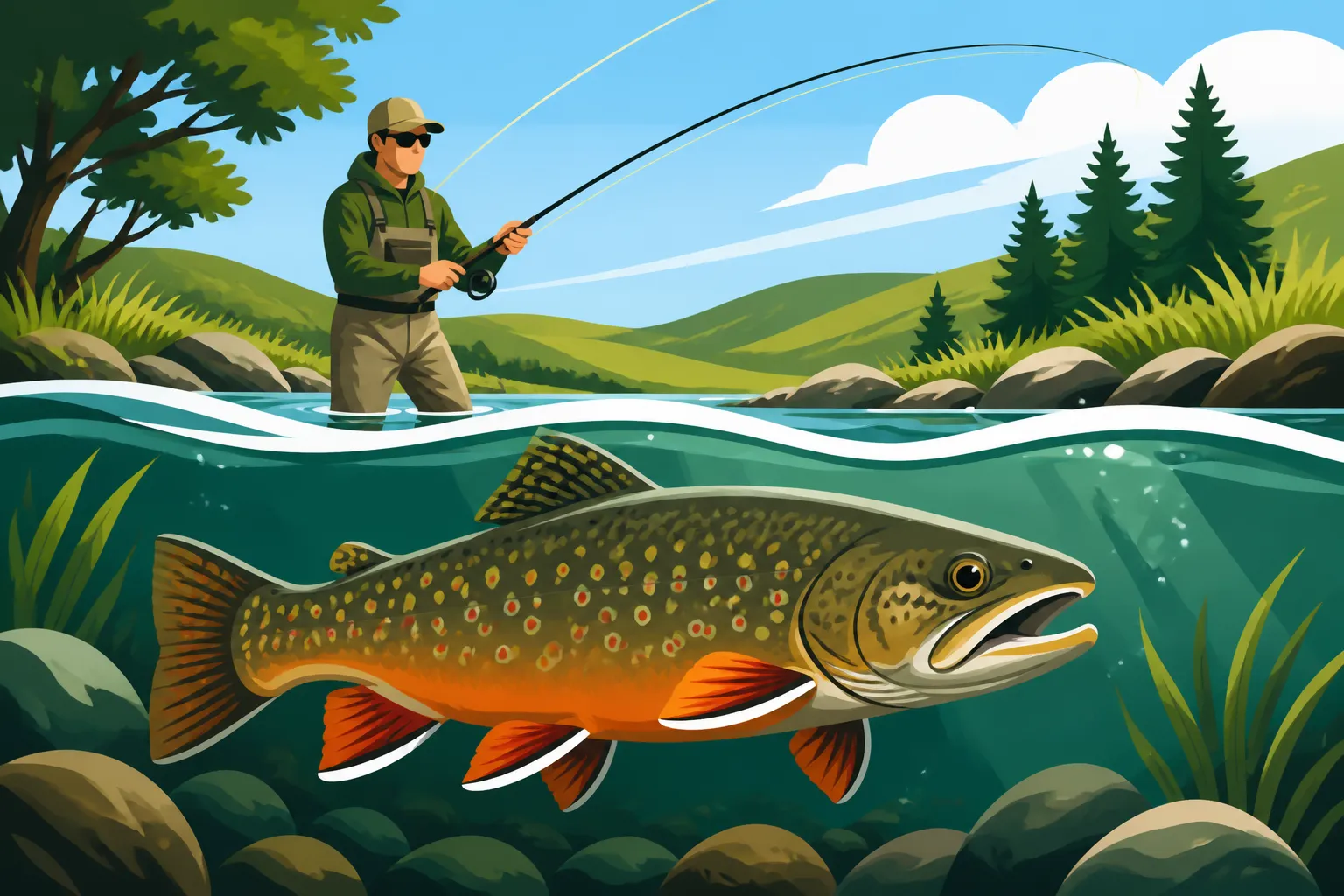
Nebraska Brook Trout Fishing
For many anglers in Nebraska, the dream of hooking a beautiful, native brook trout feels like something reserved for mountain streams out west. The truth is, while they're not widespread, these stunning fish do call some of our state's most pristine, often overlooked waters home, presenting a unique challenge and a huge reward. If you've ever felt frustrated by the lack of information on finding these elusive beauties here in the Cornhusker State, this guide is for you. We're going to dive deep into where to find them, how to catch them, and what makes Nebraska brook trout fishing such a special experience.
Understanding Nebraska's Brook Trout Landscape
Let's be real: Nebraska isn't exactly known as a trout fishing mecca, especially when it comes to native brook trout. When most folks think trout here, they're picturing the stocked rainbows in urban ponds or the occasional browns in colder tailwaters. Brook trout are a different beast entirely, requiring a very specific, cold, and clean environment to thrive. This scarcity is precisely what makes targeting them such an exciting pursuit for the dedicated angler.
The Rarity of Native Brook Trout in Nebraska
It's not a secret that Nebraska is a plains state, not a mountain state, so cold, spring-fed streams are few and far between. This geographical reality is the primary reason why brook trout, which are actually a char species despite their name, are so rare here. They need water that stays consistently cold, ideally below 68 degrees Fahrenheit, year-round. This means natural reproduction is confined to a handful of unique ecosystems, mostly in the northern and western parts of the state where groundwater seepage creates these critical conditions. You're not going to find them in your average warm-water pond or slow-moving river.
Because of their specific habitat requirements, finding truly wild, self-sustaining brook trout populations in Nebraska is like finding a hidden gem. These aren't the species that are widely stocked across the state; their presence indicates a very healthy, undisturbed cold-water ecosystem. This makes every brook trout caught a testament to the pristine nature of its home water and often leads to an immediate connection with the wilder side of Nebraska fishing.
Historic Presence and Current Challenges
Historically, brook trout had a slightly wider distribution in some of Nebraska's colder stream systems. However, decades of habitat alteration, including agricultural runoff, stream channelization, and rising water temperatures, have drastically reduced their range. These fish are highly sensitive to pollution and siltation, which can destroy their spawning grounds and impact the aquatic insect life they feed on.
Today, state conservation efforts focus on protecting and, where possible, restoring these precious cold-water habitats. This often involves working with landowners, improving riparian zones, and monitoring water quality to ensure these small, fragile streams can continue to support brook trout. Anglers who venture out seeking them aren't just fishing; they're often experiencing some of Nebraska's most vital and vulnerable natural resources. It’s a privilege and a responsibility to fish these areas thoughtfully.
Identifying Nebraska Brook Trout
Before you even cast a line, knowing what you're looking for is key. Nebraska is home to several trout species, but the brook trout stands out with its distinct markings. Being able to correctly identify your catch is crucial, not just for bragging rights, but also for adhering to specific regulations that might apply to these unique populations.
Distinctive Features of Brook Trout
Brook trout are, without a doubt, one of the most beautiful freshwater fish you'll encounter. They have a striking coloration that makes them truly unmistakable once you know what to look for. Their backs are usually dark olive-green, often with a marbled pattern (sometimes called "vermiculations") that can look almost like worm tracks. Along their sides, you'll see scattered red spots, typically surrounded by blue halos, which is a signature feature. Their bellies range from white to a vibrant orange or red, especially during spawning season.
Perhaps the most defining characteristic, however, are their fins. The lower fins (pelvic, anal, and caudal or tail fin) have a distinct white leading edge, followed by a black stripe, and then the reddish-orange or yellowish color of the fin itself. This "white-black-red" fin pattern is a dead giveaway for a brook trout. Rainbow trout, brown trout, or even the small panfish you might encounter in the same stream, simply don't have this combination of markings.
Distinguishing from Other Trout Species
It's entirely possible to catch other trout species, like rainbow trout or brown trout, in some of Nebraska's trout waters. Knowing how to tell them apart is crucial.
| Feature | Brook Trout | Rainbow Trout | Brown Trout |
|---|---|---|---|
| Back Pattern | Dark olive-green with worm-like "vermiculations" | Greenish-blue to olive with small black spots | Brown to olive with dark and red spots (often with light halos) |
| Side Spots | Red spots with blue halos | Numerous small black spots | Scattered dark spots; red spots with light halos |
| Belly Color | White to vibrant orange/red, especially in spawning season | White to silvery | Yellowish to white |
| Fin Edges | White leading edge, then black stripe, then red/orange | Fins generally uniform in color, sometimes faint white edge | Fins generally uniform in color |
| Tail Shape | Slightly forked to square | Slightly forked | Square to slightly forked |
| Mouth | Moderate, extends to just below eye | Moderate, extends to back of eye | Large, extends well past the eye |
Rainbow trout are typically more silvery with a prominent pink or red stripe along their lateral line, and they lack the blue halos around their spots. Brown trout are usually more golden or brown, with fewer spots that are often more pronounced and sometimes have a light halo, but they lack the distinct white-black fin edges of brook trout. Nebraska Rainbow Trout Fishing and Nebraska Brown Trout Fishing offer more detailed identification tips for those species. Taking the time to observe these details ensures you appreciate the unique fish you've caught.
Prime Habitats for Brook Trout in Nebraska
You won't find brook trout just anywhere in Nebraska. Their demanding environmental needs mean they're restricted to very specific types of water. Understanding these habitats is the first step to successfully locating these beautiful, elusive fish. Think small, cold, and pristine.
Cold, Spring-Fed Streams and Tributaries
The absolute key to finding brook trout in Nebraska is cold water. This means focusing on streams and tributaries that are primarily fed by groundwater springs, not just rain runoff. These springs maintain a consistent, chilly temperature even through the hottest summer months, creating the perfect thermal refuge for brook trout. You'll often find these streams in areas with unique geology, where water percolates through sand and gravel and emerges cool and clean.
These streams are typically small, often no wider than a car, and can be heavily vegetated along their banks. They usually have a good mix of riffles, runs, and small pools, with plenty of overhead cover from trees and undercut banks. Look for areas with dense riparian growth, as this helps shade the water and keep temperatures down. The water itself will almost always be crystal clear, allowing you to often spot the fish if you approach stealthily. Access can be tricky, often requiring permission from landowners or careful navigation through public lands, but the reward of a wild brook trout is well worth the effort.
Characteristics of Ideal Brook Trout Water
Beyond just being cold, ideal brook trout habitat has several other characteristics that you should be looking for:
- Abundant Cover: Brook trout are ambush predators and also need protection from overhead predators like birds of prey. Look for fallen logs, undercut banks, dense aquatic vegetation, and overhanging trees. These spots provide both shelter and prime feeding lies.
- Clean, Gravelly Bottoms: For successful spawning, brook trout need clean, oxygenated gravel beds. Siltation can smother eggs, so pristine stream bottoms are vital. This also supports a healthy population of aquatic insects, which are a primary food source.
- Good Water Quality: These fish are intolerant of pollution. Streams with minimal agricultural runoff or urban discharge are essential. If the water looks murky or smells off, it's unlikely to hold brook trout. A healthy insect population (mayflies, caddisflies, stoneflies) is a strong indicator of good water quality.
- Consistent Flow: Spring-fed streams typically have a more stable flow rate compared to rain-dependent streams, which can fluctuate wildly. Consistent flow helps maintain water temperature and oxygen levels.
When you find a stream that fits this description, you're likely in a potential brook trout zone. Always remember that these are delicate environments, so tread lightly and practice catch and release to protect these precious fish. For deeper insights into where some of these smaller, colder waters might be, researching What Streams Hold Wild Trout in Nebraska can give you a head start.
Essential Gear for Nebraska Brook Trout Fishing
Because you'll be targeting small, wild fish in delicate, often tight quarters, your gear choices are incredibly important. Forget the heavy bass rods and big spinning reels. Brook trout fishing in Nebraska calls for a lighter, more finesse approach. The right setup not only increases your chances of success but also enhances the overall experience of fishing these beautiful, intimate streams.
Light Rods and Reels
When chasing Nebraska brook trout, think ultra-light. A good setup will consist of:
- Rod: A 5 to 6.5-foot ultra-light or light-action spinning rod is ideal. Anything longer can be cumbersome in overgrown stream banks, and anything heavier will overpower these smaller fish, making the fight less enjoyable and potentially harming the fish upon release. A fast action tip will help with casting small lures and detecting subtle bites.
- Reel: Pair your rod with a small spinning reel, typically in the 500 to 1000 size range. It should be lightweight and have a smooth drag system. You won't be fighting monsters, but a smooth drag is always beneficial for protecting light line. You can find excellent budget-friendly options on platforms like Amazon that are perfectly suited for this type of fishing.
- Line: Spool your reel with 2 to 4-pound test monofilament or fluorocarbon line. Monofilament offers a bit more stretch, which can be forgiving with delicate takes, while fluorocarbon is nearly invisible in the clear water and offers more sensitivity. Avoid braided line as it can be too visible and might cut easily on rocks or wood in small streams.
This light setup allows for accurate, delicate presentations of small baits and lures, which is paramount for fooling wary brook trout. It also makes even a small brook trout feel like a respectable fight, adding to the thrill.
Baits and Lures
Brook trout in small streams are opportunistic feeders, but they can also be incredibly selective. Your bait and lure choices should reflect the small size of their natural prey and the need for a subtle presentation.
- Live Bait: For many, live bait is king for brook trout. Small red worms or pieces of nightcrawlers are highly effective. A small cricket or grasshopper, if available, can also be deadly. Present these on a small hook (size 10-14) with little to no weight, allowing them to drift naturally with the current. This often mimics an insect falling into the water, triggering an instinctive strike.
- Artificial Lures: Tiny inline spinners are brook trout magnets. Sizes 0 or 1, with gold or silver blades, are particularly effective. Brands like Rooster Tail or Mepps are classic choices and often available through retailers on Amazon. Small spoons, no larger than a thumbnail, can also work well, especially in deeper pools. When using spinners, cast upstream and retrieve just fast enough to get the blade spinning, letting it tumble downstream through likely holding spots.
- Flies: For fly anglers, small dry flies (like an Adams, Elk Hair Caddis, or Parachute Adams in sizes 14-18) are excellent for imitating hatching insects. Small nymphs (like a Prince Nymph or Hare's Ear in sizes 14-18) are also highly effective, especially when fished under a small indicator. Streamers, like a small Woolly Bugger, can entice more aggressive fish. Best Flies for Nebraska Trout Fishing offers more specific patterns that might cross over to brook trout. Remember, fly fishing in tight, overgrown streams requires a different technique, often focusing on roll casts or bow-and-arrow casts.
Waders and Other Essentials
Fishing these small, intimate streams often means getting into the water.
- Waders: Breathable chest waders are often a game-changer. They allow you to access parts of the stream that are otherwise inaccessible from the bank and help you stay warm and dry. Wading boots with good traction are also crucial, as stream beds can be slick. Best Waders for River Fishing in Nebraska provides helpful insights.
- Polarized Sunglasses: These are not just for looking cool; they're essential for spotting fish, reading water, and protecting your eyes from errant hooks.
- Small Net: A small, soft-mesh landing net is incredibly helpful for safely landing and releasing these delicate fish, minimizing handling stress.
- Pliers/Forceps: Essential for quickly and safely removing hooks, especially if you're practicing catch and release.
- Backpack/Vest: A small backpack or fishing vest will allow you to carry your tackle, water, and any other essentials comfortably, keeping your hands free for casting and wading.
- Bug Spray: Especially during warmer months, mosquitoes and ticks can be prevalent along stream banks, so bug spray is a must for a comfortable outing.
Having the right gear, from a reliable spinning reel to effective bug spray, truly makes a difference in your enjoyment and success when pursuing Nebraska's elusive brook trout.
Techniques for Nebraska Brook Trout Fishing
Catching brook trout in Nebraska isn't about brute force or loud presentations. It's an art of stealth, precision, and understanding the subtle cues of their environment. These fish are often wary, and their small stream habitats demand a thoughtful approach.
Stealth and Approach
Your approach to the water is often more critical than your cast. Brook trout in these small, clear streams are incredibly skittish.
- Walk Softly: Heavy footsteps on the bank can send vibrations through the water, spooking fish before you even get a cast in. Approach the stream cautiously, walking slowly and quietly.
- Stay Low and Use Cover: Avoid silhouetting yourself against the sky. Crouch low, use bankside vegetation, trees, or boulders as cover. The less visible you are to the fish, the better your chances.
- Cast from a Distance: Try to make your first cast well upstream or across from where you expect fish to be. Long casts are often unnecessary; focus on accuracy. If you can, cast from a position where your shadow isn't falling on the water you intend to fish.
- Wade Wisely: If wading, move upstream against the current. This pushes disturbed water and silt behind you, keeping the water ahead clear. Also, it allows you to approach fish from behind, as their eyes are generally forward-facing. However, in extremely small and sensitive streams, minimizing wading altogether is often the best practice to avoid disturbing the bottom.
Remember, you're entering their home. Respectful, quiet movement will lead to more success and less disturbance to the fragile ecosystem.
Presentation is Key
Once you're in position, how you present your bait or lure is paramount. Brook trout are often in tight, precise feeding lanes, and a natural drift is usually what seals the deal.
- Natural Drift: Whether you're using live bait, a nymph, or a tiny spinner, strive for the most natural, drag-free drift possible. This means casting upstream of your target area and letting the current carry your offering downstream without any unnatural pulling or speeding by your line.
- Target Cover: Brook trout love cover. Cast your bait or lure into or just upstream of fallen logs, undercut banks, deep pools, rock crevices, and overhanging branches. These are their ambush points and where they feel safest. Make sure your offering can get right into these spots.
- Light or No Weight: In small streams, heavy weight often creates an unnatural presentation and can snag easily. If you need weight, use the smallest split shot possible, placed several inches above your hook or lure to maintain a natural drift. Often, the weight of a small worm or fly is enough to get it down.
- Small Lures, Gentle Retrieve: If using inline spinners, use the smallest size (0 or 1). Cast across or slightly upstream, and retrieve just fast enough to get the blade spinning. Let the current do most of the work, creating a natural flutter. Too fast of a retrieve can spook fish.
Experiment with different presentations. Sometimes a dead drift is best, other times a very slow, subtle twitch can trigger a strike. Observing the water and what natural food sources might be present can give you clues.
Specific Techniques for Small Streams
Fishing small, overgrown streams for brook trout requires some specialized techniques that aren't typically used on larger bodies of water.
- Dapping: This is a fantastic technique for tight, brushy areas where a full cast isn't possible. Simply extend your rod, and let a live worm or fly gently touch the water's surface directly over a likely holding spot. The bait just "daps" the water, mimicking an insect falling in. This can be incredibly effective and requires very little line out.
- Bow-and-Arrow Cast: Another technique for overgrown areas, where you pull the lure/fly back like an arrow on a bow and release it with a flick of the wrist. This allows for short, accurate casts under branches or into small pockets of water. How to Fly Fish for Trout in Nebraska covers more on these specialized casting methods.
- Short Leader/Tipper: For fly anglers, a shorter leader and tippet can sometimes be easier to manage in tight quarters, reducing tangles while still offering a delicate presentation.
- Constant Movement: Don't sit in one spot. Move slowly and deliberately upstream, fishing every promising pocket and piece of cover. Brook trout are often spread out, and covering ground efficiently will increase your chances.
By combining stealth, precise presentation, and stream-specific techniques, you'll greatly improve your chances of connecting with these beautiful Nebraska brook trout.
Conservation and Responsible Angling
Brook trout are a precious resource in Nebraska, existing in fragile ecosystems. Enjoying the thrill of catching them comes with a significant responsibility to protect them for future generations. Responsible angling practices are not just good etiquette; they are vital for the survival of these unique populations.
Catch and Release Practices
For Nebraska brook trout, catch and release should be the standard practice. These fish are often slow-growing and have limited spawning grounds, making every individual fish important to the population's health.
- Minimize Handling: The less you handle a fish, the better its chances of survival. Try to keep the fish in the water as much as possible, especially during hook removal. If you must lift it for a photo, do so quickly and support its body horizontally.
- Wet Hands: Always wet your hands before touching a fish. Dry hands can remove the protective slime layer (mucus) from a fish's body, making it susceptible to disease and infection.
- Barbless Hooks: Consider crimping down the barbs on your hooks. Barbless hooks make removal much easier and cause less damage to the fish's mouth, speeding up the release process. Many anglers even go so far as to buy specialized barbless hooks, readily available through online fishing retailers.
- Quick Hook Removal: Use forceps or needle-nose pliers to remove hooks swiftly. If the fish is deeply hooked, it's sometimes better to cut the line as close to the hook as possible rather than trying to remove it, which could cause more internal damage.
- Revive the Fish: After unhooking, gently hold the fish in the water, facing upstream, allowing water to flow over its gills. Don't shake it back and forth. Wait until it swims away under its own power. Catch and Release Best Practices in Nebraska offers broader guidance that applies to all species.
Practicing these methods ensures that the fish you catch can live to spawn and provide sport for others.
Respecting Delicate Habitats
The small, cold, spring-fed streams that brook trout call home are extremely vulnerable to disturbance. Your actions on and along the bank can have a lasting impact.
- Stay on Existing Paths: Whenever possible, stick to established trails or paths. Bushwhacking through dense vegetation can damage riparian areas, leading to erosion and impacting water quality.
- Mind Your Footprint: If wading, walk carefully on the stream bed. Avoid stirring up excess sediment, which can smother insect life and fish eggs. Pay attention to soft areas or known spawning beds.
- Pack It In, Pack It Out: Leave no trace. Any trash, fishing line, or discarded bait can harm wildlife and degrade the pristine environment. Take everything you bring in, out with you.
- Private Land Etiquette: Many of these streams flow through private property. Always secure permission from landowners before accessing their land. Be polite, respect their property, and leave gates as you found them. A good relationship with landowners is crucial for continued access to these unique fishing opportunities.
Remember, you're not just fishing for brook trout; you're also a steward of their environment. By adopting responsible angling practices and respecting their delicate habitats, you contribute to the conservation of these truly special Nebraska fish. The exact rules and regulations, including Nebraska Trout Season Dates and Nebraska Trout Daily Limit, are crucial to follow, so always check the latest Nebraska Game and Parks Commission regulations before you head out.
Final Thoughts on Your Nebraska Brook Trout Journey
Embarking on a quest for Nebraska brook trout is more than just a fishing trip; it's an adventure into the hidden gems of our state's natural landscape. It's about seeking out those pristine, cold-water streams that feel a world away from the expansive cornfields. There’s a quiet satisfaction that comes from finding these elusive fish, knowing you've connected with a truly wild species in a truly special place.
The Reward of the Elusive Catch
Catching a brook trout in Nebraska is, for many, a bucket list item. Their vibrant colors, the challenge of finding them, and the delicate nature of their habitat all combine to make each catch incredibly rewarding. It’s not about the size of the fish, but the beauty of the experience and the wildness of the creature itself. These aren't your typical stocked trout; they are survivors, indicators of healthy water, and a testament to Nebraska's diverse ecosystems.
You might spend hours, or even multiple trips, before you feel that tell-tale tug. The patience, the stealth, and the careful presentation you employ all contribute to the sense of accomplishment when you finally land one of these speckled beauties. Whether you're an experienced angler or just starting to explore trout fishing, the pursuit of brook trout will hone your skills and deepen your appreciation for conservation.
Beyond the Fish: Connecting with Nature
Beyond the thrill of the catch, brook trout fishing in Nebraska offers a unique opportunity to connect with nature on a deeper level. These small streams are often secluded, requiring you to hike through dense woods and navigate challenging terrain. This immersion into nature is a vital part of the experience. You'll hear the rustling of leaves, the chirping of birds, and the gentle gurgle of the spring water, all contributing to a peaceful escape from the daily grind.
It’s about appreciating the small wonders – the delicate insects flitting across the water, the sunlight filtering through the canopy, the cool, clean scent of the stream itself. This is where you find solace and a renewed appreciation for the wild places that still exist, even in a state often perceived as flat and dry. So, grab your ultra-light gear, maybe order a new box of tiny spinners from Amazon, and set out to explore the hidden cold-water treasures of Nebraska. Just remember to treat these special places, and their finned inhabitants, with the utmost respect.
Disclaimer
This article is for general informational purposes only and does not constitute professional advice. Laws, prices and regulations vary by location and change over time. Consult a qualified professional for guidance on your specific situation.