Are Zebra Mussels a Problem in Nebraska Lakes?
It's an unfortunate truth that when you spend time out on Nebraska's beautiful lakes and rivers, enjoying the peace and the fishing, there's always a concern lurking beneath the surface: invasive species. Among the most talked-about and feared are zebra mussels, and many anglers often wonder just how big of a problem they are in our beloved waters. This guide aims to clear up those concerns, explaining exactly what zebra mussels are, where they've been found in Nebraska, and what their presence means for our aquatic environments and recreational pursuits.
Understanding the Zebra Mussel Threat in Nebraska
When we talk about zebra mussels, we're not just discussing another clam; we're talking about a significant ecological and economic headache. These small, striped bivalves might seem harmless at first glance, but their ability to rapidly reproduce and colonize surfaces causes a cascade of problems. For Nebraska's unique aquatic ecosystems, already delicate in many ways, the introduction and spread of zebra mussels pose a serious, ongoing threat that requires constant vigilance from all of us who love the water.
What are Zebra Mussels?
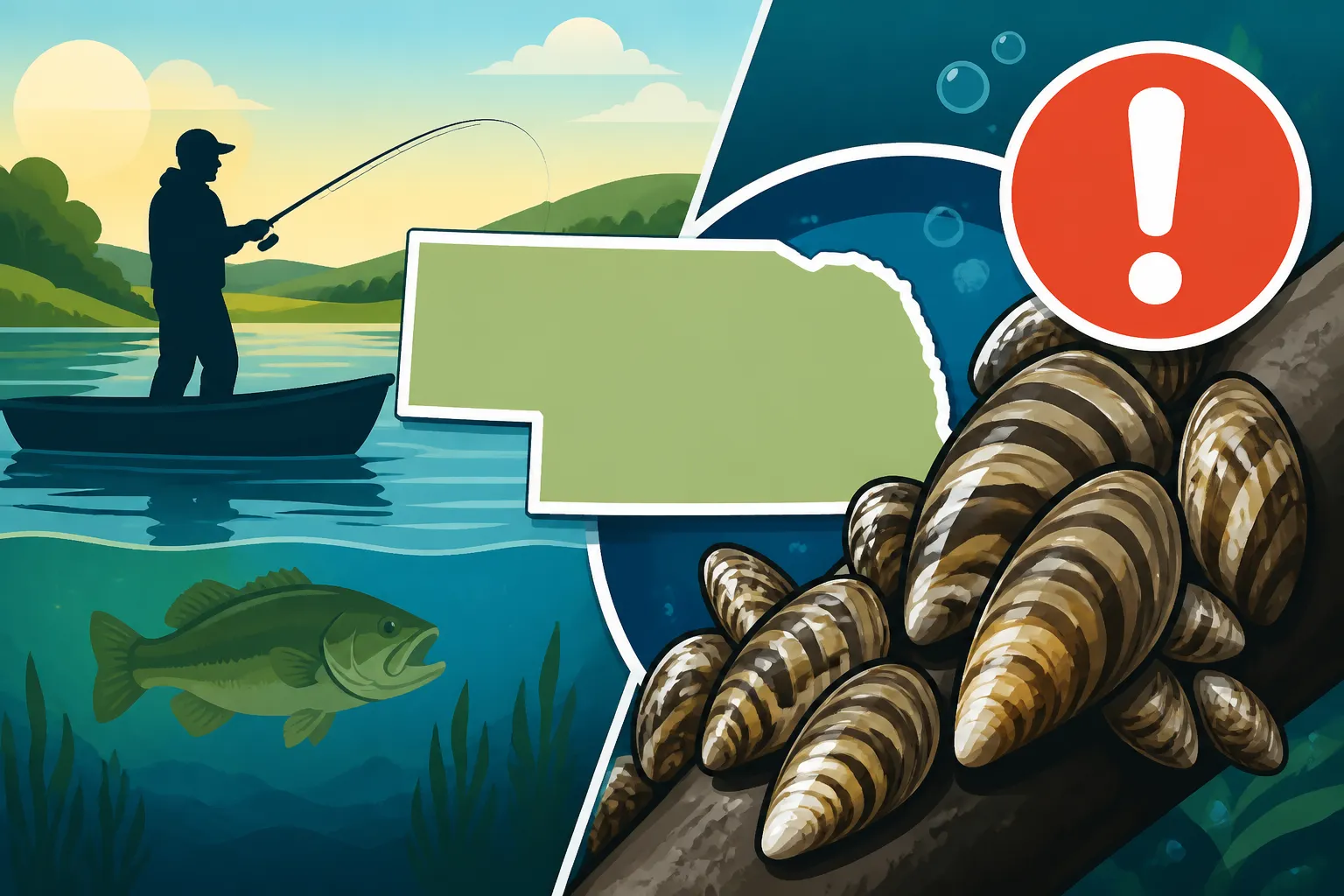
Zebra mussels (scientific name Dreissena polymorpha) are a species of small freshwater mussel, typically no larger than an inch or two, characterized by their distinctive D-shaped shell and the striped patterns that give them their name. They're originally from the Caspian Sea region of Eastern Europe and Asia, a long way from the heart of the Midwest. What makes them particularly insidious is their ability to attach themselves to hard surfaces using strong byssal threads, forming dense colonies that can grow layer upon layer. This isn't like our native mussels that burrow into the sediment; these guys want to cling to everything.
They are incredibly prolific, with females capable of producing tens of thousands of eggs each year. These eggs develop into microscopic larvae, called veligers, which float freely in the water for several weeks. This free-floating stage is a critical point in their lifecycle for spread, as these veligers are invisible to the naked eye and can be carried by currents, or unknowingly transported in boat livewells, bilge water, or even bait buckets to new locations. It's truly a silent invasion.
Why are Zebra Mussels a Problem?
The problems associated with zebra mussels stem directly from their unique biology and invasive nature. First and foremost, they are filter feeders, meaning they consume vast quantities of phytoplankton, which are tiny plants that form the base of the aquatic food web. While filtering might sound good, they do it indiscriminately, outcompeting native filter feeders and fundamentally altering the clarity and composition of the water. This can throw an entire ecosystem out of whack, impacting everything from zooplankton to the fish we love to catch.
Beyond the ecological impacts, their tenacious attachment habit creates significant infrastructure issues. They will colonize boat hulls, motors, dock pilings, water intake pipes for power plants and municipal water systems, and even submerged rocks and native shells. This biofouling can obstruct pipes, reduce the efficiency of boat engines, and damage industrial equipment, leading to costly maintenance and repairs. Imagine your favorite fishing spot having restricted access because a public dock is completely encrusted and dangerous. It's a real and expensive consequence.
The Spread of Zebra Mussels in Nebraska Waters
Nebraska's waters, especially our reservoirs and larger rivers, are unfortunately not immune to the zebra mussel invasion. The relentless march of these invasive species across the United States has found its way into our state, and understanding where they are and how they got there is crucial for prevention efforts. It's a constant battle, and one that every angler and boater needs to be aware of to help protect our cherished natural resources.
How Did They Arrive in Nebraska?
The primary vector for zebra mussel introduction into new waters, including Nebraska, is almost always human activity, specifically recreational boating. These mussels first appeared in the Great Lakes region in the late 1980s, likely introduced via ballast water from transoceanic ships. From there, they spread rapidly through connected waterways and, more significantly, by hitchhiking on boats and trailers moving between different bodies of water. A boat that was used in an infested lake one weekend, if not properly cleaned, drained, and dried, can easily transport veligers or adult mussels to a pristine lake the next weekend.
Consider a scenario: a fishing tournament angler from another state visits Lake McConaughy. If their boat, livewell, or even fishing gear has residual water or attached mussels from an infested lake, they could inadvertently introduce the species. This is why public awareness campaigns emphasizing "Clean, Drain, Dry" are so vital. It’s not just a suggestion; it’s our collective defense against this ecological threat. Nebraska Aquatic Invasive Species Stamp is a key part of funding these efforts.
Where Have They Been Confirmed in Nebraska?
Unfortunately, zebra mussels have been confirmed in several Nebraska waters. The list of infested waters can change, but generally includes some of our larger and most popular reservoirs and portions of major river systems. Often, initial detections occur in areas with heavy recreational boat traffic, underscoring the link between human activity and their spread. For specific, up-to-date information, it's always best to check the Nebraska Game and Parks Commission's official resources, as new detections can occur.
Key areas that have experienced zebra mussel introductions include parts of the Missouri River, which acts as a major corridor. Reservoirs like Lewis and Clark Lake have also seen confirmations. Each time a new detection is made, it sends ripples through the angling community and triggers intensified monitoring and public education efforts. Knowing which waters are infested helps boaters take extra precautions when moving their vessels. This information is vital for everyone planning to spend time on Missouri River Fishing in Nebraska or Lewis and Clark Lake Fishing Guide.
What Water Bodies are Most at Risk?
Any freshwater body connected to an infested area, or that sees significant boat traffic from infested areas, is at risk. Reservoirs with hard structures like riprap, docks, and submerged timber provide ideal attachment sites for zebra mussels. Lakes that are popular destinations for anglers and boaters from both within and outside Nebraska are particularly vulnerable. The more exchange of boats between different waters, the higher the risk of spreading these unwelcome invaders.
Small, isolated ponds might seem safer, but even they can be compromised if a single boat or piece of equipment that hasn't been properly decontaminated is introduced. The interconnectedness of our recreational habits means vigilance must be universal. This is why understanding Nebraska Fishing Regulations Explained and abiding by them, especially concerning invasive species, is so important for preserving our aquatic resources.
Impacts of Zebra Mussels on Nebraska's Ecosystem and Recreation
The presence of zebra mussels isn't just an abstract ecological issue; it translates into tangible impacts on the health of our lakes and rivers, and directly affects the quality of our fishing and boating experiences. From altering food webs to making shorelines treacherous, these tiny invaders pack a big punch. We need to be realistic about the consequences to truly appreciate the urgency of prevention.
Ecological Impacts: Altering the Food Web and Water Quality
As mentioned, zebra mussels are incredibly efficient filter feeders. They consume phytoplankton, which are essential microscopic plants that form the base of the aquatic food web. When they filter out vast quantities of these organisms, they can dramatically increase water clarity. While clearer water might sound appealing for swimming, it's actually detrimental to the ecosystem. Increased water clarity allows sunlight to penetrate deeper, leading to more abundant aquatic vegetation in deeper areas than would naturally occur. This can alter fish habitat, making it harder for certain species to hunt or spawn.
Furthermore, by removing phytoplankton, zebra mussels reduce the food source for native invertebrates and fish species that rely on these microscopic plants. This can lead to declines in native species populations and disrupt the entire food web, potentially impacting the growth and health of popular game fish like walleye, crappie, and bass. It's a fundamental shift in the ecosystem's balance, one that often favors invasive species at the expense of our cherished native ones. This disruption can make understanding Nebraska Fishing Seasons Explained even more complex, as fish behaviors may change.
Recreational and Economic Impacts for Anglers and Boaters
The practical impacts on anglers and boaters are just as concerning. Imagine trying to launch your boat only to find the ramp covered in sharp mussel shells, or reeling in your line only to discover your fishing tackle is covered in tiny, abrasive shells. Zebra mussels colonize boat hulls, making them heavier, increasing drag, and reducing fuel efficiency. They can clog engine cooling systems, leading to overheating and costly repairs. Docks, swimming ladders, and even sandy beaches can become encrusted with sharp shells, making recreational activities hazardous and unpleasant.
Fishermen might also find that their fishing spots change. With altered food webs and habitat, fish might move to different depths or areas, or their populations could decline. It also means additional time and effort for boat owners who must diligently "Clean, Drain, Dry" their vessels after every outing to prevent spreading these mussels to new waters. Neglecting this crucial step can lead to fines and, more importantly, contribute to the further degradation of our invaluable natural resources. It’s an added burden, but a necessary one to protect our passion for fishing.
Preventing the Spread of Zebra Mussels
The good news, if there is any, is that the spread of zebra mussels is largely preventable with proper precautions. Every angler, boater, and recreational water user has a critical role to play in protecting Nebraska's pristine lakes and rivers. It really boils down to vigilance and following a few simple, yet vital, steps every single time you move your boat or gear from one body of water to another.
The "Clean, Drain, Dry" Protocol
This is the golden rule, the mantra we all need to live by if we want to combat aquatic invasive species like zebra mussels. It's straightforward, but requires commitment.
- Clean: Before leaving the boat ramp, inspect your boat, trailer, and all fishing gear. Remove any visible plants, mud, or organisms. Pay close attention to the hull, propeller, anchor, and fishing lines. If you see any attached mussels, scrape them off immediately. A stiff brush or even a pressure washer can be a great tool for this, and you can find effective options on Amazon.
- Drain: Pull the drain plug and drain all water from your boat's bilge, livewells, bait buckets, and engine cooling systems. Ensure water is completely drained before leaving the ramp. Remember, veligers are microscopic and can survive in even a small amount of residual water. This step is non-negotiable for preventing spread. For those wondering about Nebraska Boat Registration and Fishing Rules, proper draining is a key part of responsible boating.
- Dry: Allow your boat, trailer, and all equipment to dry thoroughly for five days or more before launching into another water body. If you're short on time, a power wash with hot, high-pressure water (140°F or hotter) can kill any remaining mussels or veligers. Some states have specific drying periods, so it's always good to be aware of local regulations or to err on the side of caution with a longer drying time. Ensure every nook and cranny, especially inside livewells or storage compartments, is bone dry.
Inspecting and Maintaining Your Equipment
Beyond the "Clean, Drain, Dry" protocol, a thorough inspection of your equipment is vital. This includes not just your boat, but also kayaks, canoes, paddleboards, fishing waders, and even your fishing tackle. Any item that touches the water has the potential to carry invasive species.
- Boats and Trailers: Regularly check hard-to-reach areas like the bunks of your trailer, transducer brackets, and recessed areas of your hull. Consider applying antifouling paint to your boat hull if you frequently launch in infested waters, though check local regulations as some paints are restricted. You can find specialized cleaning brushes and boat cleaning solutions on Amazon that are designed to be tough on biofouling without damaging your gelcoat.
- Fishing Gear: After each outing, give your rods, reels, and tackle a quick rinse, especially if they’ve been submerged. Lures, nets, and waders should be completely dried. Consider having a separate set of waders or tackle for different water bodies if you frequently move between them, or ensure they are thoroughly disinfected. Best Fishing Gear for Nebraska Anglers includes understanding how to properly care for it to prevent invasive species.
- Bait: Never transport live bait from one water body to another. Dispose of unused bait (fish, minnows, worms) in the trash, not back into the water. Empty your bait bucket contents on land, far from any water source, or dispose of it in a dumpster. This also applies to any water in your bait bucket; it could contain veligers.
Reporting Sightings and Staying Informed
If you suspect you've found zebra mussels or any other aquatic invasive species, it's crucial to report it immediately. The Nebraska Game and Parks Commission is the primary contact for such sightings. Take photos, note the exact location, and if possible, collect a sample (without spreading it further) for verification. Early detection is absolutely critical for managing and potentially containing new infestations.
Staying informed about current invasive species threats and regulations is also key. Regularly check the Nebraska Game and Parks Commission website for updates on infested waters and new prevention guidelines. There's a dedicated page for Nebraska Aquatic Invasive Species Stamp which provides additional context on conservation efforts. Many fishing communities and bait shops will also have notices posted. By working together, we can all contribute to protecting Nebraska's precious aquatic resources for generations to come.
| Action Item | Description | Why It Matters |
|---|---|---|
| CLEAN | Remove all plants, mud, and debris from boat, trailer, and gear. | Prevents transport of adult mussels and plant fragments. |
| DRAIN | Empty all water from livewells, bilge, and engine. | Eliminates microscopic veligers (larvae) hiding in water. |
| DRY | Allow boat and gear to dry completely for at least 5 days (or hot wash). | Kills any remaining veligers or adult mussels. |
| INSPECT | Check all equipment, including anchors, ropes, and fishing tackle. | Ensures no hidden mussels or plant matter are overlooked. |
| DISPOSE | Properly discard unused bait and bait water in the trash. | Stops the spread of bait-borne invasives and veligers. |
| REPORT | Notify authorities of any suspected invasive species sightings. | Enables rapid response and potential containment efforts. |
Disclaimer
This article is for general informational purposes only and does not constitute professional advice. Laws, prices and regulations vary by location and change over time. Consult a qualified professional for guidance on your specific situation.