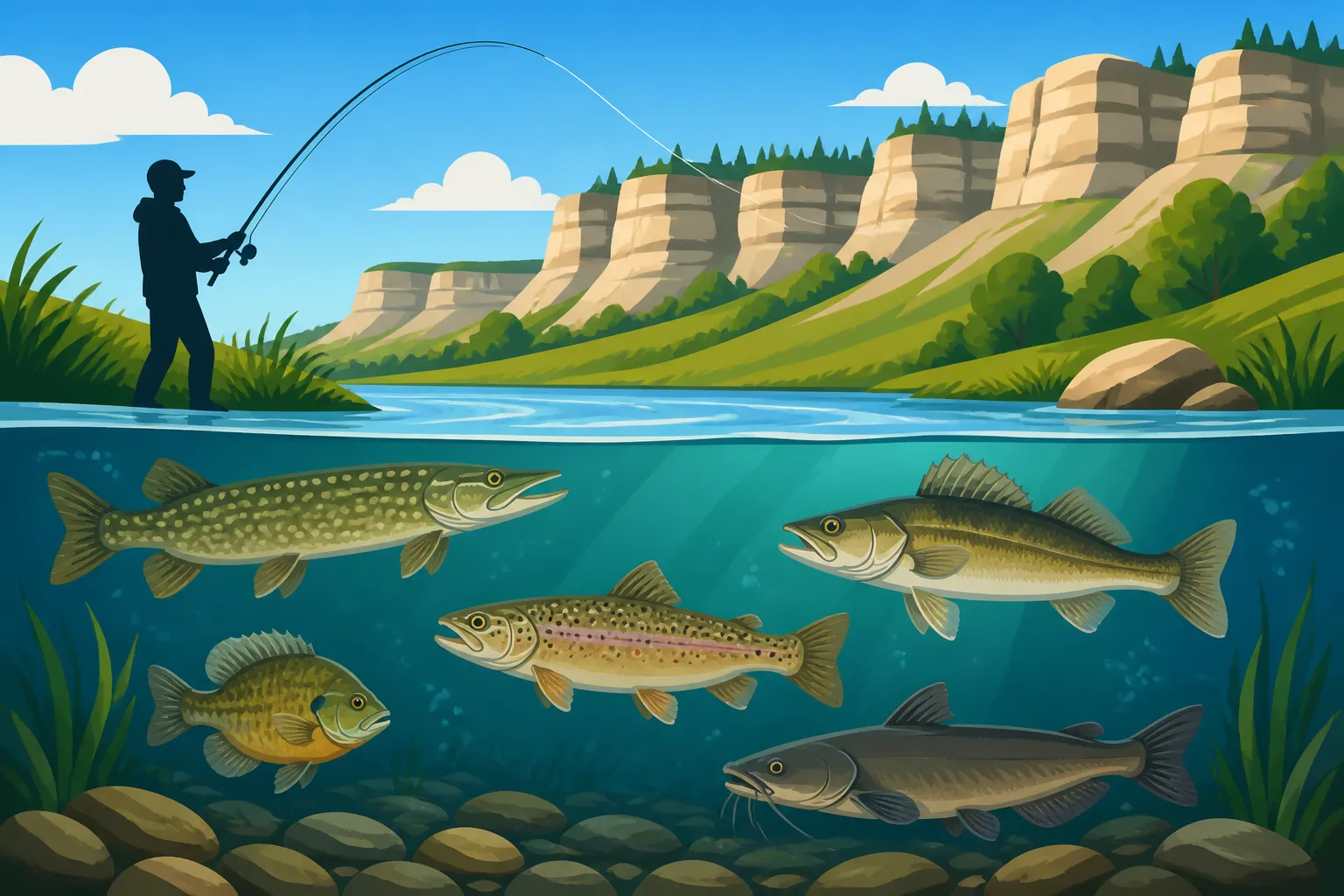
What Fish Live in the Niobrara River
The Niobrara River, a designated National Scenic River, truly is one of Nebraska's gems, but if you're like many anglers, you might stare at its wild beauty and wonder: "What fish are actually in there?" It's not always obvious, especially with the diverse habitats it presents from western Nebraska's pine ridges to the eastern plains. This guide is here to unravel that mystery, giving you a clear picture of the finned friends you can expect to encounter and how to best enjoy a fishing trip on this magnificent waterway.
The Niobrara River's Unique Ecosystem for Fish
The Niobrara River isn't just one type of river; it's a tapestry of environments, each contributing to the rich diversity of its fish populations. Unlike some of Nebraska's more channelized rivers, the Niobrara maintains a wilder, more natural flow, cutting through canyons and meandering across plains. This creates a remarkable range of aquatic habitats, which in turn supports a varied cast of characters beneath its surface. Understanding these unique features is key to knowing what fish to target and where.
A River of Contrasts: Habitat Zones
From its headwaters in Wyoming, across the entire northern breadth of Nebraska, the Niobrara changes dramatically. In its upper and middle reaches, particularly within the stunning Niobrara River Valley, you'll find clearer, cooler waters, often fed by cold-water springs from the Sandhills. These stretches are characterized by rocky bottoms, riffles, and deeper pools, creating perfect conditions for certain species that thrive in swift, oxygenated water. This is where the river really shines for specific types of game fish.
As the river moves eastward and widens, it transitions into a warmer, more turbid environment, especially downstream from major tributaries or after significant rainfall. Here, the river bottom might become sandier or muddier, with more logjams and slower-moving currents. These varied sections mean that an angler who understands the river's geography can effectively target different species in different areas. It's truly a river that rewards exploration and a keen eye for habitat.
Water Quality and Flow: The Lifeblood of the River
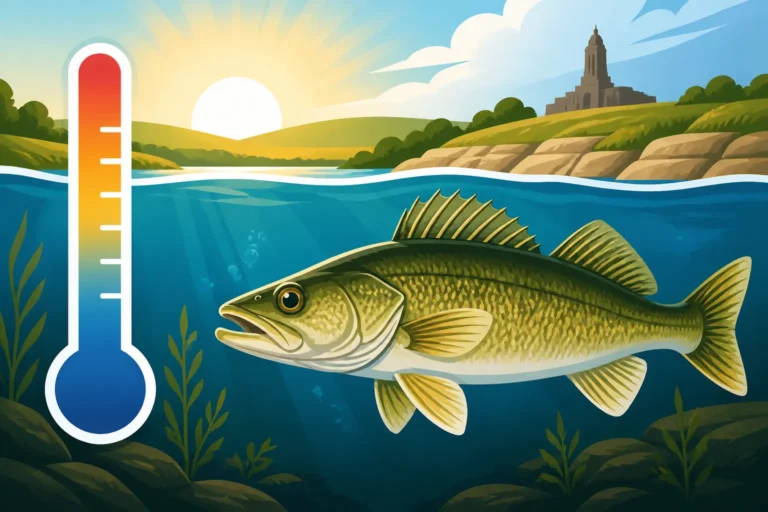
The Niobrara's water quality and flow are paramount to the health and distribution of its fish. The cold-water inputs from numerous Sandhills springs help maintain stable temperatures, even during hot Nebraska summers, which is crucial for species that can't tolerate warm, stagnant conditions. These springs also contribute to the river's clarity in many sections, making it a joy for sight fishing in shallower areas.
However, the flow can fluctuate, especially with seasonal rains or drought conditions. High water can mean more turbid conditions, scattering fish and making them harder to locate. Conversely, lower flows can concentrate fish in deeper pools, making them easier to target, but also potentially stressing them. Being aware of recent weather patterns and river levels is a huge advantage when planning your Niobrara adventure. A balanced flow with good water quality ensures a vibrant ecosystem where fish can feed, spawn, and grow healthy.
Key Game Fish Species You'll Encounter
When you talk about fishing the Niobrara, there are a few star players that come to mind immediately. These are the fish that anglers specifically seek out, drawn by their fighting spirit or their culinary appeal. While the Niobrara has a rich diversity, these species are often the main event for recreational anglers, offering thrilling challenges and memorable catches.
Smallmouth Bass: The River's Premier Brawler
Ah, the smallmouth bass! If you're heading to the Niobrara, especially the rocky, current-rich stretches, the smallmouth is likely your primary target. These aggressive, hard-fighting fish absolutely thrive in the Niobrara's varied structure. They love hiding behind boulders, darting out from under submerged logs, and ambushing prey in current seams. Catching a Niobrara smallmouth on light tackle is an absolute blast – they jump, dive, and pull with surprising strength for their size. It's no wonder so many anglers consider Niobrara River Smallmouth Bass Fishing some of the best in the state.
You'll find them anywhere there's current, cover, and a rocky bottom. Anglers often have success with small crankbaits, spinnerbaits, tube jigs, and even topwater lures during low-light conditions. While they might not reach the massive sizes of their largemouth cousins in reservoirs, a 1-3 pound smallmouth in the river current feels like a true trophy. Remember, while tempting to keep, many anglers practice catch-and-release to preserve this fantastic fishery. Learning How to Catch Smallmouth Bass on the Niobrara River can turn a good day into a fantastic one.
Catfish Varieties: Channel and Flathead
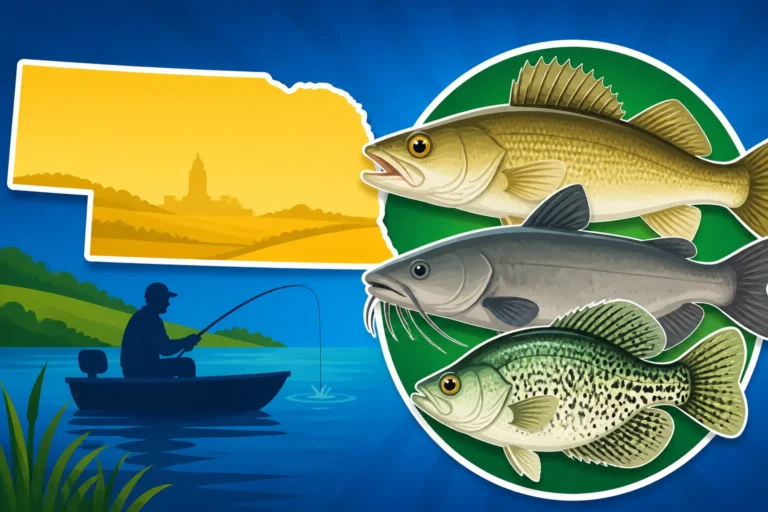
For those who love a good fight and even better table fare, the Niobrara delivers with its robust catfish populations. Channel catfish are abundant throughout the river, particularly in the slower, deeper pools, along cut banks, and near woody debris. They're opportunistic feeders and can be caught on a variety of baits, from traditional stink bait to cut bait or nightcrawlers. A solid channel cat from the Niobrara can put a serious bend in your rod. Many anglers consider a night trip specifically for these whiskered warriors.
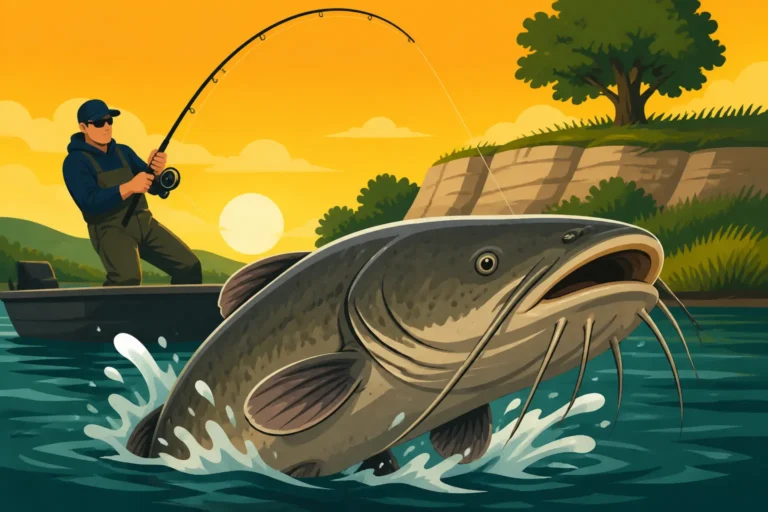
Flathead catfish, the true heavyweights of the river, prefer even deeper holes and dense cover like large logjams. They are ambush predators and almost exclusively prefer live bait, such as sunfish or suckers. If you're targeting flatheads, you'll need heavier gear, plenty of patience, and the willingness to fish during the evening or through the night. Landing a trophy flathead from the Niobrara is a challenge that dedicated catfishermen relish. Both species offer incredible fishing opportunities, especially when you know the river's nuances. Niobrara River Fishing wouldn't be complete without mentioning these powerful bottom dwellers.
Panfish and Other Common Catches
Beyond the main game fish, the Niobrara is also home to a healthy population of panfish, making it a great destination for a relaxed family outing or for introducing kids to fishing. Bluegill and various species of sunfish are plentiful in slower-moving eddies, backwaters, and areas with aquatic vegetation. They are eager biters and can provide continuous action on a simple setup with a bobber, small hook, and a piece of worm. These smaller fish are often the first catch for young anglers, building excitement and confidence.
Crappie, both black and white, can also be found in certain sections, especially where there are deeper pools with submerged brush or timber. While not as dominant as in some reservoirs, finding a crappie school in the Niobrara can lead to a productive day. These panfish are important parts of the river's food web and add to the overall angling experience, ensuring that there's usually something biting, even when the bass or catfish are shy.
Less Common but Present Species
While smallmouth bass and catfish tend to steal the spotlight, the Niobrara River is a dynamic ecosystem that occasionally offers up some exciting surprises. These less common species might not be your primary target, but knowing they're there adds another layer of intrigue and opportunity to your fishing adventures. You might stumble upon them when least expecting it, especially if you're fishing a unique stretch of the river.
Walleye and Sauger: Occasional Surprises
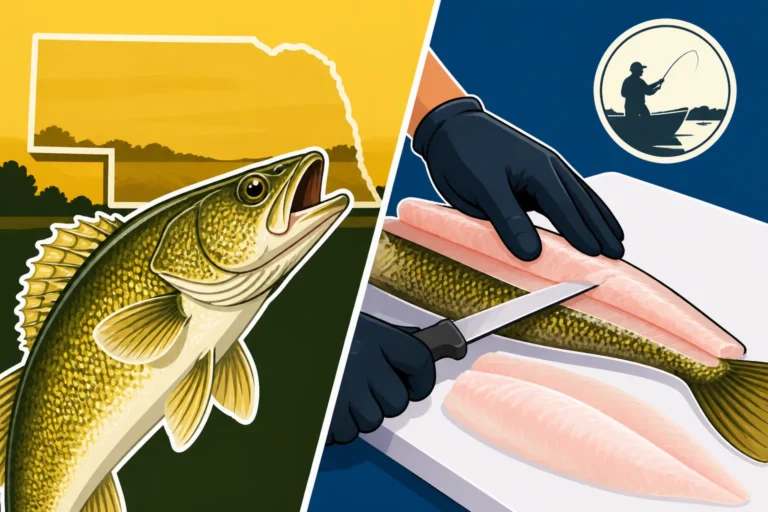
It's not unheard of to hook into a walleye or its close cousin, the sauger, in the Niobrara River, particularly in the lower stretches closer to its confluence with the Missouri River or near any impoundments. While the Niobrara isn't typically considered a prime walleye fishery like Lake McConaughy, these elusive predators can migrate into the river seeking cooler water, forage, or spawning grounds. They often prefer deeper, slower-moving pools with hard bottoms, or areas where current seams create feeding opportunities.
If you're targeting them, tactics that mimic baitfish, like jigging with plastics or using minnows on a Lindy Rig, might entice a bite. Catching a Niobrara walleye is definitely a bonus and speaks to the river's overall ecological health. While you shouldn't expect to fill a cooler with them, the possibility of a "bonus eye" adds an exciting dimension to a day on the river. It's a testament to the diverse nature of Nebraska's waters, sometimes you just never know what you'll find!
Rough Fish: The Unsung Heroes
For some anglers, "rough fish" like carp, suckers, and gar are overlooked, but in the Niobrara, they represent a significant portion of the biomass and play crucial ecological roles. Common carp are found throughout the river, often in slower, muddier sections. They are powerful fighters and can be targeted with corn, dough balls, or specialized carp baits. Some dedicated anglers find great sport in battling these strong fish.
Suckers are another ubiquitous presence, often seen in schools. While not typically targeted for sport, their presence is a good indicator of a healthy river system and they serve as an important forage base for larger predators like flathead catfish. Gar, with their prehistoric appearance and toothy grins, are also residents of the Niobrara. They can be a thrilling catch for those who enjoy bowfishing or targeting them with specialized baits and presentations. Don't underestimate the fight in these fish! Each of these species contributes to the complex web of life in the Niobrara, and they can certainly add variety to your catch list.
Planning Your Niobrara River Fishing Adventure
A trip to the Niobrara River is more than just fishing; it's an immersive experience in one of Nebraska's most beautiful natural landscapes. To make the most of your adventure, it pays to be prepared. From choosing the right gear to understanding how to navigate this unique waterway, a little planning goes a long way. This section will help you equip yourself for a successful and enjoyable time on the Niobrara.
Essential Gear for River Fishing
River fishing, especially on a dynamic waterway like the Niobrara, often requires a slightly different approach to gear than stillwater lakes. For smallmouth bass, a medium-light spinning rod (6'6" to 7' long) paired with a 2000-2500 series reel spooled with 6-10 lb test line (mono, fluoro, or braided) is a versatile setup. You'll want a selection of small crankbaits, spinnerbaits, tube jigs, and soft plastic grubs. For catfish, consider a medium-heavy rod with a baitcasting or larger spinning reel, spooled with 15-30 lb test line, along with circle hooks, weights, and bait holders. Live bait, cut bait, or nightcrawlers are excellent choices for these bottom feeders.
Don't forget essentials like needle-nose pliers for hook removal, a good landing net, and a stringer or cooler if you plan to keep fish. A small tackle box or bag that's easy to carry while wading or kayaking is also invaluable. For those looking to upgrade or stock up, you can often find a wide array of specialized river fishing gear, from durable tackle bags to specific lure brands, readily available on Amazon, making it easy to prepare for your trip.
| Species | Preferred Habitat | Recommended Bait/Lure | Ideal Rod/Reel Setup |
|---|---|---|---|
| Smallmouth Bass | Rocky bottoms, current seams, submerged logs, riffles | Small crankbaits, spinnerbaits, tube jigs, soft plastics | Medium-light spinning, 6-10lb line |
| Channel Catfish | Deeper pools, cut banks, woody debris, slower currents | Cut bait, nightcrawlers, stink bait | Medium-heavy spinning/baitcasting, 15-20lb line |
| Flathead Catfish | Deep holes, dense logjams, heavy cover | Live bait (sunfish, suckers) | Heavy baitcasting, 25-30lb line |
| Bluegill/Sunfish | Slower eddies, backwaters, aquatic vegetation | Worms, crickets, small artificial baits | Ultralight spinning, 2-4lb line |
| Walleye/Sauger | Deeper pools, current breaks (less common) | Jigging minnows, small crankbaits | Medium spinning, 8-12lb line |
Navigating the Niobrara: Kayaks, Canoes, and Wading
The Niobrara River is famed for its paddling opportunities, and this extends wonderfully to fishing. Canoes and kayaks are fantastic for accessing stretches of the river that are difficult to reach by foot, allowing you to drift quietly and fish secluded spots. Many outfitters along the river offer rentals and shuttle services, making Niobrara River Canoe and Fishing Combo Trips a popular option. Just be sure to secure your gear, as the river can have swift currents and occasional rapids. A quality dry bag is a must, and you can find many excellent options on Amazon.
Wading is another incredibly effective way to fish the Niobrara, especially for smallmouth bass. The clear water in many sections allows for sight fishing, and the rocky bottom provides good footing, though caution is always advised. Waders (chest waders are often preferred) and sturdy wading boots with good ankle support are essential. Always be mindful of the current and wear a PFD, even if you're just wading. Access points might be limited, so research before you go. For those serious about river exploration, understanding Platte River Wading Access Points might offer transferable knowledge, although the Niobrara presents its own unique challenges.
Regulations and Conservation
Before you cast a line, always familiarize yourself with the current Nebraska Fishing Regulations Explained. This includes understanding license requirements, bag limits, and any special regulations for specific sections of the Niobrara River or particular species. Responsible angling ensures that this fantastic resource remains healthy for generations to come.
Conservation is paramount on a scenic river like the Niobrara. Practice catch-and-release, especially for larger breeding fish, if you're not planning to eat your catch. Handle fish gently, minimize their time out of water, and use proper release techniques. Pack out everything you pack in, and leave no trace behind. By following these simple guidelines, you're helping protect the river's unique ecosystem and ensuring that future anglers can enjoy the same incredible fishing opportunities that you did. This commitment to the environment is what truly makes a great angler.
Disclaimer
This article is for general informational purposes only and does not constitute professional advice. Laws, prices and regulations vary by location and change over time. Consult a qualified professional for guidance on your specific situation.