Nebraska Flathead Catfish Fishing
For many anglers, the thought of wrestling a true river monster is what keeps them coming back to the water, and in Nebraska, that often means targeting the formidable flathead catfish. If you've ever felt the sheer power of a big flathead on the end of your line, you know the thrill – and the frustration – that comes with pursuing these elusive, hard-fighting fish. This guide is here to unravel the mysteries of Nebraska flathead catfish fishing, providing you with the insights, gear advice, and tactical approaches you'll need to increase your chances of landing one of these whiskered giants.
Understanding the Nebraska Flathead Catfish
Flathead catfish are unique among their whiskered cousins in Nebraska, often surprising anglers with their sheer size and predatory nature. They aren't your typical scavenger; these are ambush predators that prefer live bait and challenging cover. Knowing their habits is the first step to success.
Identifying a Flathead Catfish
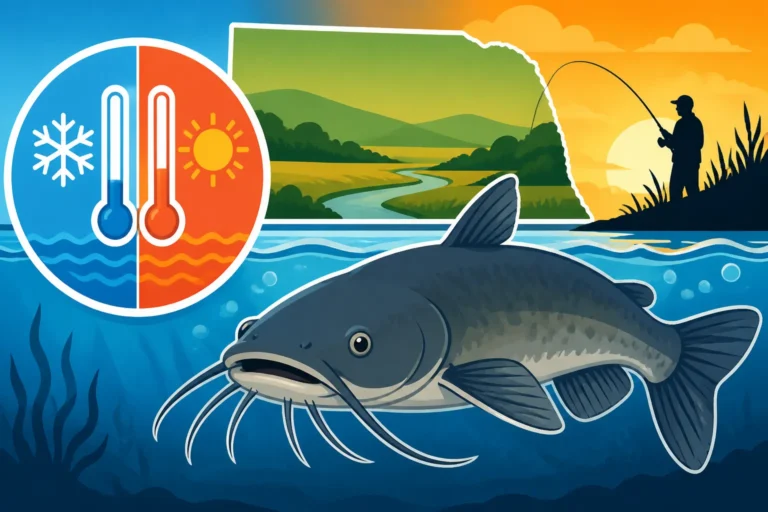
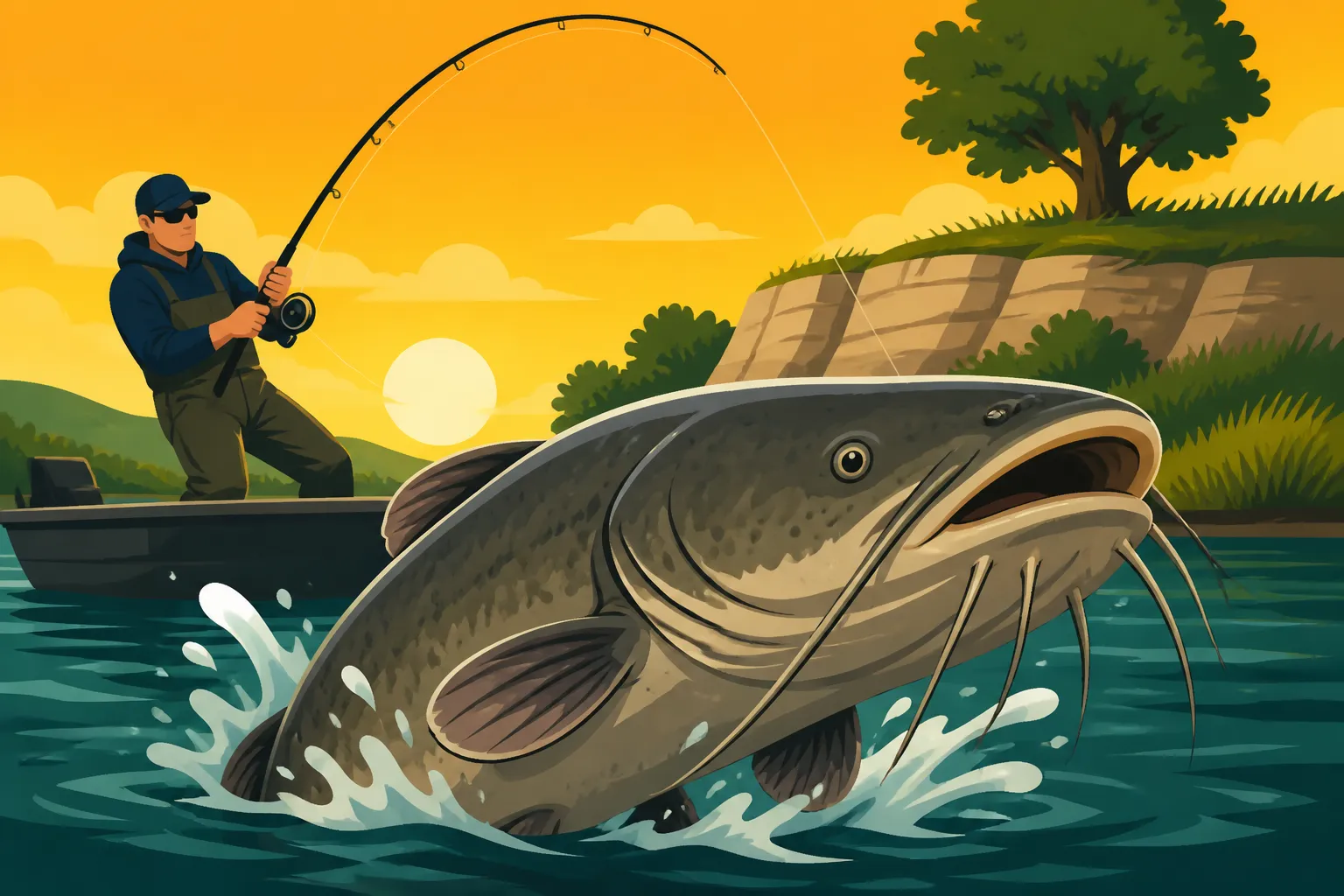
Before you even cast a line, it's helpful to know exactly what you're looking for, and more importantly, how to distinguish a flathead from a channel or blue catfish. Flatheads truly earn their name with a distinctly broad, flattened head, often appearing disproportionately large compared to their body. Their lower jaw protrudes beyond the upper jaw, giving them a grumpy, bulldog-like appearance. Unlike the deeply forked tail of a channel catfish or the slightly less forked tail of a blue cat, a flathead's tail is notably square or only very slightly notched.
Their coloration can vary wildly depending on the water they inhabit, ranging from mottled yellow-brown to olive green, often with darker brown or black spots and blotches that provide excellent camouflage against rocky or timber-laden river bottoms. The smaller flatheads often have more pronounced mottling, which tends to fade as they grow larger. Their skin is smooth and scaleless, typical of catfish, but their overall robust and muscular build sets them apart. When you hook into one, there's no mistaking the powerful, deliberate pulls of a flathead, often feeling like you've snagged a log that suddenly decides to fight back.
Flathead Behavior and Diet
Flathead catfish are primarily nocturnal predators, although they can be caught during the day, especially in periods of low light, during overcast conditions, or in turbid water. Their diet almost exclusively consists of live fish, a key differentiator from the omnivorous channel catfish. They are opportunistic hunters, lying in wait in heavy cover – think submerged logs, root wads, rock piles, or undercut banks – and ambushing unsuspecting baitfish. Their preference for live bait means your strategy needs to be tailored to presenting lively offerings.
They aren't keen on traveling great distances to feed. Instead, they find a prime piece of real estate with good current flow that washes food past their hiding spot and stake it out. This territorial nature means that if you catch a flathead in a particular type of cover, there's a good chance another one, or even the same one, will be back there if conditions are right. They tend to be solitary creatures, especially as they get larger, not schooling up like channel cats. This makes finding one a challenge, but when you do, it's often a significant catch. Understanding this solitary, ambush predator behavior is crucial for selecting your fishing spots and techniques.
Prime Habitats for Flathead Catfish in Nebraska
Nebraska's rivers and large reservoirs offer a diverse range of environments, but flathead catfish have very specific preferences. Knowing where to look is half the battle won when pursuing these incredible fish.
Rivers and Their Features
When it comes to flathead catfish, rivers are their absolute dominion in Nebraska. The larger, slower-moving rivers with plenty of deep holes and woody debris are prime locations. The Missouri River, with its vast stretches of diverse habitat, is arguably the top flathead destination in the state. Anglers targeting Missouri River Fishing in Nebraska will often find flatheads lurking around wing dams, scour holes on the downstream side of current breaks, and log jams that create deep, shaded pockets. The sheer volume of water and cover provides ideal conditions for trophy-sized flatheads.
Other major rivers like the Platte River, particularly the deeper sections and those with significant timber or rock structure, also hold excellent populations. While the Platte can be shallower in many spots, don't overlook its deeper bends, bridge pilings, and any areas where fallen trees have created current breaks and submerged cover. The Niobrara River, especially its lower reaches, can also produce quality flatheads, often tucked away in deep, undercut banks or around snags. Anywhere you find a combination of current, depth, and substantial cover, you're in flathead territory. Focus on stretches where the river narrows and deepens, or where tributary streams enter, bringing new food sources and varied structure.
Reservoirs and Lakes with River Systems
While rivers are primary, some of Nebraska's larger reservoirs that are fed by significant river systems can also be excellent flathead fisheries. These reservoirs essentially offer a flooded river environment, where the flatheads continue to inhabit structure similar to what they'd find in a river. Lake McConaughy, though famous for its walleye, has a healthy flathead population, especially in its upper reaches where the North Platte River flows in, creating submerged channels, old timber, and debris fields.
Other reservoirs like Harlan County Reservoir or Sherman Reservoir, which receive substantial river inflow, can also be productive. Look for flatheads in these impoundments where old creek channels, flooded timber, or rock outcroppings provide ample ambush points and shelter from light. Points and humps that drop off into deeper water, especially if they have some woody cover, are also worth investigating. The key in reservoirs is often finding the deeper, darker, and more structured areas that mimic riverine conditions. They generally prefer the less-disturbed, deeper sections away from heavy recreational traffic.
Essential Gear for Flathead Catfish Anglers
Targeting flathead catfish isn't for the faint of heart, nor for light tackle. These fish are incredibly powerful, and if you want to land them, you need gear that can withstand a serious beating. Think strength, durability, and reliability.
Rods and Reels for Battle
When it comes to rods for flathead catfish, you'll want something stout – a heavy or extra-heavy action rod, typically between 7 to 9 feet in length. Longer rods help with casting heavy baits and provide better leverage when fighting a large fish, especially from the bank or when navigating around obstructions. A good quality, graphite composite rod will offer the strength needed without being overly cumbersome. Brands like Ugly Stik or Berkley often come to mind for their legendary toughness in catfishing circles. If you're looking for Best Rod Setup for Nebraska Catfish, remember that power is paramount.
For reels, a sturdy baitcasting reel is almost universally preferred over spinning gear for flatheads. You need a reel with a high line capacity (to hold heavy line) and a robust drag system that can be locked down to prevent a big flathead from peeling off line and burying itself in cover. Look for reels designed for saltwater use or heavy freshwater applications. Ambassadeur C3 or C4 series reels, or equivalent models from Daiwa or Penn, are popular choices. Ensure your reel has strong gears and a comfortable handle for those prolonged battles. You can find a wide selection of robust baitcasting reels suitable for flathead fishing on platforms like Amazon.
Line, Hooks, and Terminal Tackle
Your fishing line is the critical link to that monster flathead, so don't skimp here. Most serious flathead anglers opt for braided line due to its incredible strength, small diameter, and lack of stretch, which provides superior feel for subtle bites and powerful hooksets. A braided line in the 50-80 lb test range is common. For leaders, a heavy monofilament or fluorocarbon of similar or slightly higher strength (e.g., 60-100 lb test) is often used, especially when fishing around abrasive cover like rocks or timber. The stretch in mono leaders can also provide a bit of shock absorption during violent head shakes.
Hooks need to be exceptionally strong and sharp. Circle hooks are highly recommended for flathead fishing, typically in sizes ranging from 7/0 to 10/0, depending on your bait size. Circle hooks are incredibly effective at hooking fish in the corner of the mouth, leading to fewer gut-hooked fish and making releases much easier if you're practicing catch and release. For weights, an assortment of heavy sinkers (2-6 ounces or more, depending on current) will be necessary to keep your live bait in place. Slip sinker rigs are popular, allowing the fish to take the bait without immediately feeling resistance. Swivels and snaps should also be heavy-duty to match the rest of your tackle.
Top Techniques for Catching Flathead Catfish
Flathead catfish are unique in their preferences, and successful angling demands specific techniques, particularly when it comes to bait. Forget the stink baits; these predators want something alive and kicking.
Live Bait is King
There's no way around it: live bait is the undisputed champion for flathead catfish. They are visual predators that key in on the distress signals and movements of live fish. The size of your bait often correlates with the size of the flathead you're trying to catch, so don't be afraid to go big. Common live baits in Nebraska include bluegill, sunfish, carp, suckers, or even large shiners. Legal baitfish sizes and species vary by state and water body, so always check the current Nebraska fishing regulations before heading out.
The key is to present your live bait in a way that allows it to swim naturally and attract attention without getting hung up in the heavy cover where flatheads reside. A popular rig is the Carolina rig or a three-way swivel rig, which keeps the bait suspended slightly off the bottom or allows it to move freely. Hook your live bait gently through the back, just above the lateral line, or through the lips, ensuring it can swim and stay alive for as long as possible. Many anglers will catch their baitfish directly from the waters they plan to fish, believing that local bait works best.
Strategic Bait Placement
Once you have your live bait, strategic placement is everything. Remember, flatheads are ambush predators that don't chase their food far. You need to put your bait right in their living room. Focus on the edges of current breaks, particularly on the downstream side of large log jams, rock piles, or bridge pilings. Look for scour holes where the current has dug out a deeper depression. Undercut banks, especially those with exposed roots or submerged timber, are also prime targets. How to Fish a Missouri River Wing Dam is a great article that illustrates the type of structure where flatheads thrive.
Cast your rig as close to the cover as possible without getting snagged immediately. If you're fishing from a boat, you might even consider slowly drifting your bait into suspected flathead lies. When bank fishing, try to position yourself upstream of promising cover and let the current carry your bait naturally into the strike zone. Patience is key; sometimes it takes a while for a flathead to decide to strike, but when they do, it's usually a definitive, powerful take. Keep your line tight enough to feel the bite but loose enough for the fish to run without immediate alarm.
Night Fishing for Flatheads
While flatheads can be caught during the day, particularly in heavily stained water or under cloudy skies, they truly come alive after dark. Their nocturnal nature means that night fishing is often the most productive time to target trophy flatheads. As the sun sets and light levels drop, flatheads become more active, moving out of their dense cover to patrol for food. This makes them slightly more accessible, though still challenging. How to Catch Flathead Catfish at Night is a strategy that many successful anglers employ.
When night fishing, safety is paramount. Always have a good headlamp or lantern (available on Amazon, for instance), and be aware of your surroundings, especially if you're on unfamiliar banks or in a boat. Set up your gear before dark. Use glow sticks on rod tips or specialized bite alarms to detect strikes in the darkness. The techniques remain similar to daytime fishing – live bait presented near cover – but the fish tend to be more aggressive and less wary at night. This is when many of the true giants are landed, so embrace the darkness and the quiet solitude of night fishing for your best chance at a Nebraska monster.
Optimal Times and Conditions for Flathead Catfish
Successfully targeting flathead catfish often comes down to timing and understanding how environmental factors influence their activity. Being in the right place at the right time significantly boosts your chances.
Seasons and Water Temperatures
While flatheads can be caught year-round in Nebraska, certain seasons offer peak opportunities. The late spring and summer months are generally considered the prime time for flathead fishing. As water temperatures rise into the 60s and 70s Fahrenheit (around 18-24 degrees Celsius), flatheads become much more active. They've completed their spawning activities, and their metabolism is high, driving them to feed aggressively. May through September is often the sweet spot.
During the pre-spawn period in late spring, flatheads are gorging themselves to build energy, making them very susceptible to live bait. Post-spawn in early summer sees them recuperating and feeding heavily again. As summer progresses, they continue to feed actively, often moving into shallower feeding grounds at night. Even into early fall, before water temperatures drop significantly, flatheads will feed heavily in preparation for winter. Winter fishing for flatheads is possible but challenging, as their metabolism slows, and they become much less active, often retreating to deep holes to conserve energy.
Weather and Water Conditions
Flatheads are sensitive to changes in their environment, and paying attention to weather and water conditions can make a huge difference. Stable weather patterns with consistent temperatures are generally good. A slight increase in water flow or a minor rise in water levels after a rain can sometimes trigger a feeding frenzy, as new food sources are washed into the river system and water clarity decreases, providing more cover for ambushing fish. However, extreme high water or rapidly changing levels can disperse fish and make fishing difficult.
Turbid or stained water is often preferred by flatheads, as it reduces light penetration and provides excellent camouflage for their ambush tactics. They are less wary in murkier conditions. Clear water can make them more cautious and confined to the heaviest cover. Barometric pressure changes can also influence their feeding. A stable or slowly falling barometer often indicates good fishing, while rapidly dropping pressure associated with a major cold front can shut down the bite. Aim for periods of stable, warm weather, and embrace those slightly stained water conditions for your best shot at a Nebraska flathead.
Nebraska Regulations and Conservation
Understanding and adhering to Nebraska's fishing regulations is not just a legal requirement, it's a critical part of responsible angling and ensuring healthy fish populations for the future. Flathead catfish are a prized game fish, and their management is important.
Size and Bag Limits for Flathead Catfish
Like all game fish in Nebraska, flathead catfish are subject to specific regulations regarding minimum length and daily bag limits. These limits are put in place by the Nebraska Game and Parks Commission (NGPC) to manage fish populations and prevent overharvesting. While specific numbers can vary by water body and change over time, it's common to see a minimum length limit for flatheads, often around 18-20 inches, and a daily bag limit, which might allow an angler to keep a certain number of fish per day, with sometimes only one or two allowed to be over a trophy size, such as 30 inches.
It is absolutely essential to consult the most current Nebraska fishing regulations booklet or the official NGPC website before each fishing trip. These documents provide the definitive rules, including any special regulations for specific lakes or river segments. Ignorance of the law is not an excuse for violations, and penalties can include fines and loss of fishing privileges. Being a responsible angler means being informed.
Importance of Catch and Release
While keeping a flathead catfish for a delicious meal is certainly an option (they are excellent table fare, especially smaller ones), many serious flathead anglers practice catch and release, particularly for the larger, older trophy-sized fish. Flatheads grow slowly, and those massive fish over 20 pounds represent decades of growth. Removing too many of these large breeders can impact the overall health and future trophy potential of a fishery. Catch and Release Best Practices in Nebraska are crucial for the long-term sustainability of our fisheries.
If you do decide to release a large flathead, handle it with extreme care. Keep the fish in the water as much as possible. If you need to remove it for a quick photo, support its entire body horizontally, avoiding holding it vertically by the jaw, which can damage its internal organs. Use a large, knotless landing net to minimize scale damage. Remove the hook gently with pliers or a de-hooking tool. If the fish is sluggish, hold it in the current until it regains its strength and swims away on its own power. Practicing ethical catch and release ensures that other anglers, and future generations, can experience the thrill of battling a Nebraska flathead.
| Feature / Species | Flathead Catfish | Channel Catfish | Blue Catfish |
|---|---|---|---|
| Head Shape | Broad, flattened | Rounded, conical | Broad, rounded |
| Lower Jaw | Protrudes (underbite) | Even with upper jaw | Protrudes (underbite), but less so than flathead |
| Tail Shape | Square or slightly notched | Deeply forked | Moderately forked |
| Coloration | Mottled yellow-brown to olive, blotchy | Olive-brown to gray, often spotted | Blue-gray to silvery |
| Primary Diet | Live fish | Omnivorous (live bait, cut bait, prepared bait) | Primarily fish, mussels, and crayfish |
| Preferred Habitat | Heavy cover (logs, rocks) in rivers/reservoirs | Moderate current, varied structure in rivers/lakes | Strong current, deep holes in large rivers |
| Typical Size | Can grow very large (30+ lbs) | Medium (2-10 lbs common) | Can grow very large (40+ lbs) |
| Ambush Predator | Yes | No | Yes, but also cruises |
Final Thoughts on Your Flathead Catfish Pursuit
Catching flathead catfish in Nebraska is more than just fishing; it's an adventure. It demands patience, respect for the fish, and a willingness to often fish in challenging conditions, sometimes late into the night. But the reward – the sheer power of a massive flathead on the end of your line, the satisfaction of outsmarting a true freshwater predator – is unmatched.
Remember to keep safety first, especially when fishing around heavy cover or at night. Always tell someone where you're going and when you expect to return. Be prepared for the elements, and most importantly, enjoy the process. Every cast is an opportunity, and every flathead hooked is a memory in the making. Nebraska Fishing License Guide and Nebraska Fishing Regulations Explained are crucial resources to consult before any trip. Good luck, and may your lines be tight!
Disclaimer
This article is for general informational purposes only and does not constitute professional advice. Laws, prices and regulations vary by location and change over time. Consult a qualified professional for guidance on your specific situation.