Which Nebraska Fish Have the Fewest Bones
There's nothing quite like a fresh fish dinner after a successful day on the water, but the joy can quickly turn to frustration when you're constantly picking tiny bones out of your plate. For many anglers in Nebraska, the struggle to find fish that are easy to eat, especially for kids or those who simply dislike dealing with a mouthful of bones, is a common one. This guide is here to solve that very problem, diving deep into the world of Nebraska's aquatic inhabitants to help you identify which species offer the cleanest, most enjoyable fillets.
The Bone Conundrum: Understanding Fish Anatomy and Your Plate
Before we jump into specific species, it's helpful to understand why some fish seem bonier than others. All fish have a skeletal structure, of course, but the size, number, and placement of those bones vary wildly. You've got the main backbone, which is usually easy to spot and remove, and then the rib bones that protect the internal organs. But the real culprits for many people are the intramuscular bones, often called "pin bones," that run through the fillet itself. These are tiny, often hair-like bones that are notoriously difficult to detect and remove unless you know exactly how to handle them.
The texture and flakiness of the meat also play a role. A fish with very flaky meat might make those small bones harder to separate, while a firmer fillet might allow them to be more easily picked out. The frustration is real, especially if you're trying to introduce someone new to the joys of eating fish. No one wants a negative experience due to pesky bones! Knowing which species naturally have fewer of these tricky bones, or simpler bone structures, can significantly enhance your dining experience.
Top Contenders for Low-Bone Nebraska Fish
When it comes to Nebraska fishing, several species consistently rise to the top for their relatively low bone count and easy-to-manage fillets. These are the fish you can usually count on for a more relaxed meal, perfect for family dinners or a shore lunch without the extra fuss.
Walleye: The Midwest Fillet King
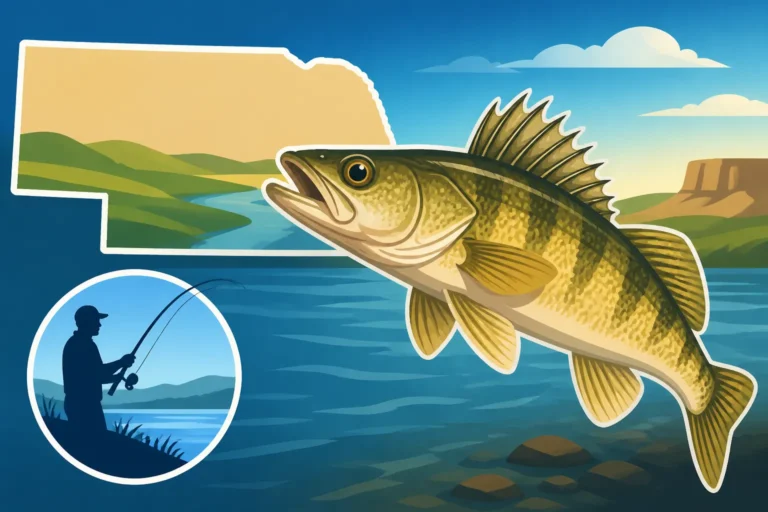
If you're looking for a fish with minimal bones and excellent table fare, the walleye is often the first name on everyone's lips, and for good reason! Walleye have a relatively simple bone structure, and once you master a good filleting technique, you'll find that their main bones are easy to separate from the meat. The flesh is firm, flaky, and has a mild, sweet flavor that makes it incredibly versatile in the kitchen.
The real magic with walleye comes down to technique. A skilled hand can remove the entire fillet, leaving behind only the rib cage and backbone. Crucially, walleye typically have very few, if any, intramuscular pin bones in their main fillet sections, particularly the prized "boneless" loin area. This is why they are so highly sought after by anglers who prioritize a clean, bone-free eating experience. You can find these beauties in many of Nebraska's larger reservoirs and lakes. If you're looking to target them, check out our guide on Walleye Fishing in Nebraska.
Channel Catfish: Big Bones, Easy Removal
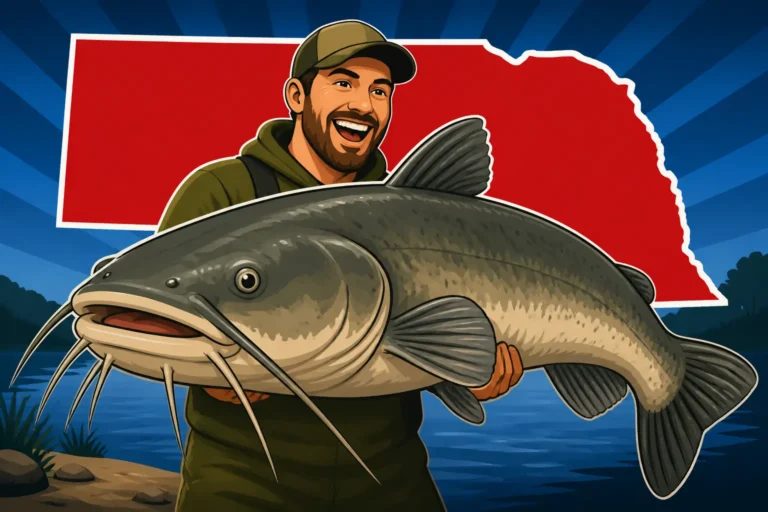
While channel catfish might look imposing with their whiskers and tough skin, they are fantastic eating fish, especially when it comes to bone management. Catfish have a very robust skeletal structure, but the bones themselves are large and straightforward to remove. You won't find the fine, intricate pin bones that plague some other species. The challenge with catfish isn't removing the bones, but rather dealing with their tough skin during the cleaning process.
Once you skin and fillet a channel catfish, you're left with thick, meaty fillets that have a distinctive, earthy flavor. The bones are generally confined to the central backbone and a few large ribs, making them incredibly easy to work around, even for a novice cleaner. This simplicity makes them an excellent choice for frying, grilling, or baking, as you don't have to worry about guests encountering unexpected tiny bones. For tips on catching these whiskered beauties, read up on Channel Catfish Fishing in Nebraska.
Crappie: Small but Simple
Crappie, whether black or white, are a panfish favorite for their delicious, mild flavor and firm, white meat. While they are smaller than walleye or catfish, their bone structure is remarkably simple. Much like the catfish, crappie have larger, more easily identifiable bones compared to their body size, without a multitude of tiny pin bones running through the meat.
Filleting a crappie usually means taking off two clean sides of meat, carefully cutting around the main backbone and ribs. Because of their smaller size, some anglers choose to simply scale and gut crappie and fry them whole, letting diners pick the meat off the bones themselves, which is surprisingly easy due to the bone structure. However, with a good, sharp Best Fillet Knives for Walleye and Catfish, even small crappie can yield decent, bone-free fillets perfect for a quick snack or a fish sandwich. You can learn more about finding them in Crappie Fishing in Nebraska.
Honorable Mentions and How Cleaning Makes a Difference
Beyond the top three, there are other Nebraska fish that, with proper cleaning, can offer a low-bone eating experience. It's often less about the fish itself and more about the angler's technique.
Panfish: Bluegill and Perch
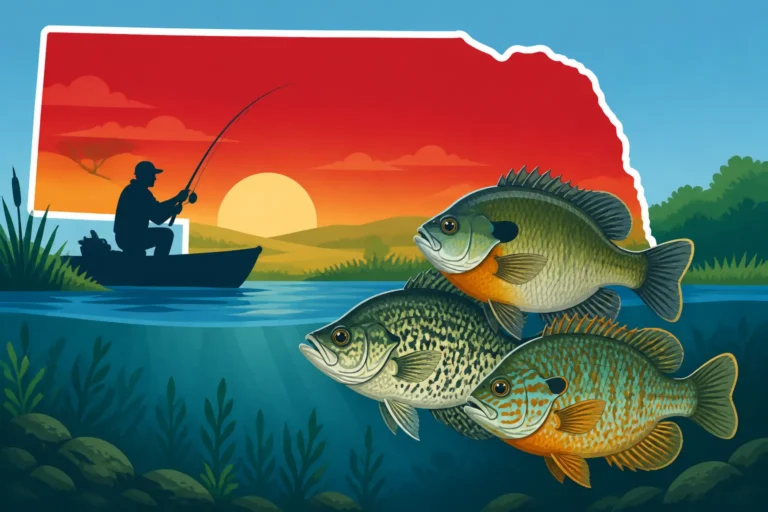
Smaller panfish like bluegill and yellow perch are incredibly popular, especially for family outings and teaching kids to fish. Their delicate, sweet meat is fantastic. Like crappie, their bone structure is simple, though their smaller size can make filleting them a bit more tedious. However, a good sharp knife and a bit of practice can yield perfectly boneless little fillets. Many anglers choose to scale and gut them, then deep fry them whole until the bones become crispy and edible, or easily removed. These fish are a blast to catch and are a staple of many Nebraska waters.
Filleting Techniques to Minimize Bones
No matter what fish you catch, your filleting technique is perhaps the most crucial factor in ensuring a bone-free meal. Even a fish with more complex bones can be made edible with a skilled hand. The goal is always to separate the meat from the bone structure as cleanly as possible.
- Sharp Knife is Key: This cannot be stressed enough. A dull knife will tear the meat and make precise cuts impossible. Invest in a good fillet knife – you can find excellent options on Amazon from brands like Rapala or Bubba Blade – and keep it razor-sharp.
- Understand the Anatomy: Familiarize yourself with where the backbone, rib cage, and any pin bones are located. For many fish, a "V-cut" or "zipper" method can remove pin bones from the fillet after it's been taken off the fish.
- Practice Makes Perfect: Don't get discouraged if your first few fillets aren't perfect. Like any skill, filleting improves with practice. Watch some videos, get a good Best Fillet Knives for Walleye and Catfish, and keep at it. The reward of a perfectly cleaned fish is well worth the effort. For a step-by-step guide, check out How to Clean and Fillet a Walleye or How to Clean and Fillet a Channel Catfish.
Nebraska Fish Known for More Bones (and How to Manage Them)
While some fish are naturally less bony, others are notorious for their intricate skeletal structures. This doesn't mean you should avoid them entirely, as many are delicious, but it does mean you'll need to adjust your expectations or your cleaning strategy.
Northern Pike: The Pin Bone Challenge
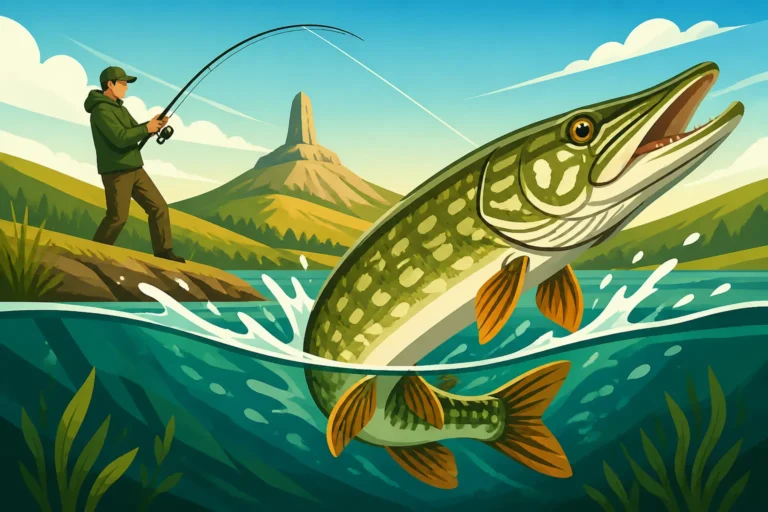
Northern pike are fierce predators and exciting to catch, but they have a reputation for being incredibly bony. Their main issue is a distinct set of Y-bones (or "pin bones") that run along their back. These are not easily removed with standard filleting techniques. However, experienced pike anglers and processors have developed specific methods to remove these bones, often involving multiple cuts to separate the boneless meat sections.
If you love the taste of pike, don't let the bones deter you. There are detailed filleting techniques available that specifically address these Y-bones. It takes a bit more skill and patience, but it's certainly doable if you're committed to enjoying this powerful fish. Just be aware that a simple two-sided fillet won't cut it for boneless pike.
Common Carp: Edibility with Care
Common carp are abundant in many Nebraska waters and are often overlooked due to their reputation as "rough fish." While they do have many bones, their flesh can be quite tasty if prepared correctly. The trick with carp is that the bones are numerous and pervasive. Some people score the fillets deeply, allowing the bones to "fry out" and become brittle. Others grind the meat for patties or fish cakes. If you're looking for a simple, bone-free fillet, carp is probably not your go-to. However, for the adventurous chef, they offer a unique culinary challenge.
Quick Comparison: Bone Structure by Species
Here's a quick look at how some popular Nebraska fish stack up in terms of bone management:
| Fish Species | Bone Complexity | Typical Fillet Experience | Best For |
|---|---|---|---|
| Walleye | Low | Very few to no pin bones, easy to fillet boneless | Family meals, pan-frying, baking |
| Channel Catfish | Low (large) | Large, easily removable bones, no fine pin bones | Frying, grilling, smoking |
| Crappie | Low/Medium | Simple structure, small size can make filleting tricky | Frying (whole or filleted), fish tacos |
| Yellow Perch | Low/Medium | Similar to crappie, small but manageable bones | Frying (whole or filleted) |
| Bluegill | Low/Medium | Similar to crappie, small but manageable bones | Frying (whole or filleted), pan-searing |
| Largemouth Bass | Medium | Easy to fillet, some small pin bones in belly section | Grilling, baking, frying |
| Smallmouth Bass | Medium | Easy to fillet, some small pin bones in belly section | Grilling, baking, frying |
| Northern Pike | High | Complex Y-bones require special filleting techniques | Smoking, grinding, careful filleting |
| Common Carp | High | Numerous small bones throughout, requires special prep | Grinding, scoring, smoking |
| White Bass / Wiper | Medium | Can have a "bloodline" and some pin bones near it | Frying, baking (trim dark meat) |
Making Your Nebraska Fishing Meal Bone-Free and Delicious
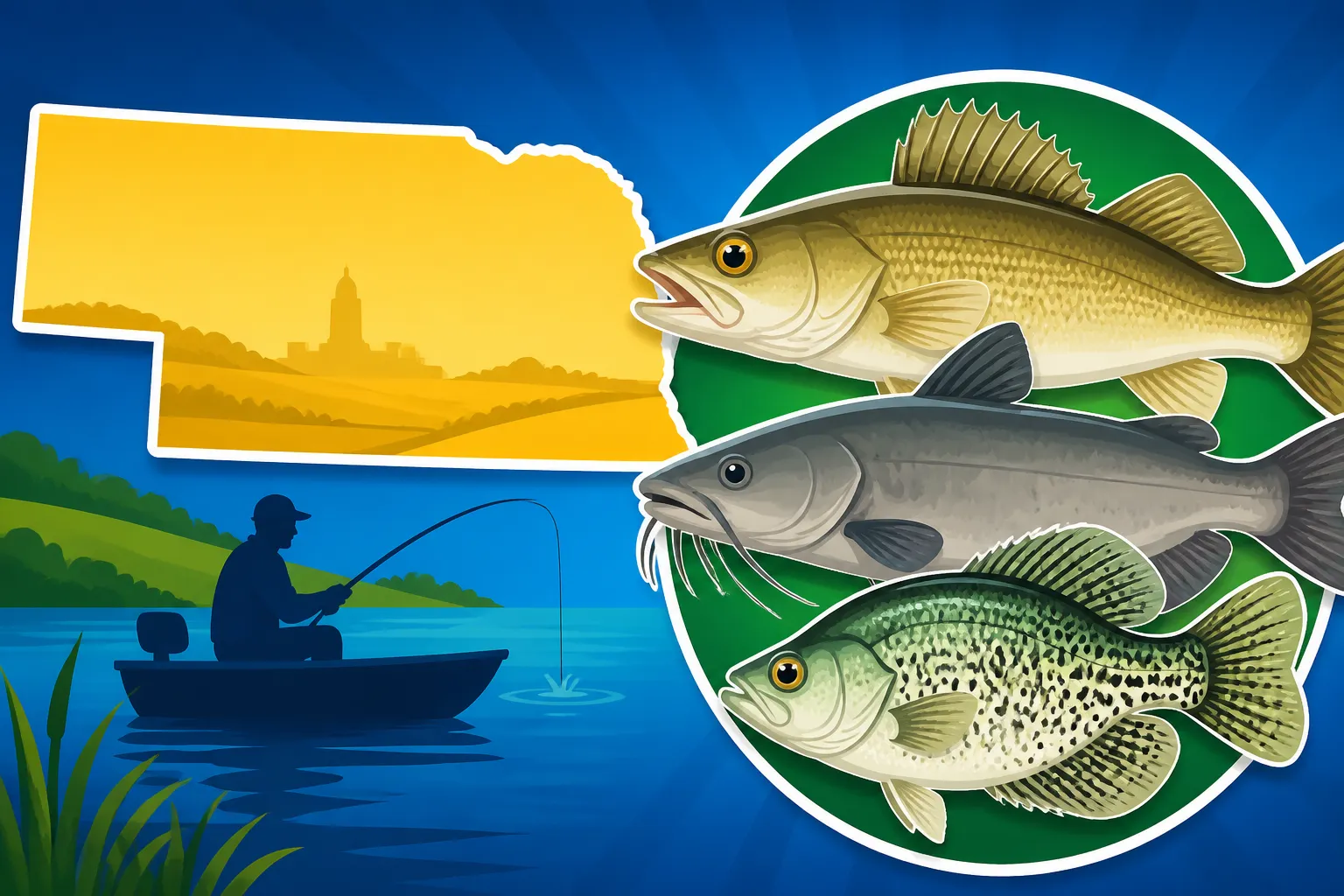
Ultimately, enjoying a bone-free fish meal from Nebraska waters is a combination of choosing the right species and employing the right cleaning techniques. If your primary goal is the absolute easiest, most guaranteed boneless experience, walleye and channel catfish should be at the top of your list. They consistently deliver clean, delicious fillets that are a pleasure to eat. Crappie and other panfish follow closely, especially once you've honed your filleting skills or are comfortable with eating them whole.
Don't let the fear of bones keep you from enjoying the incredible bounty that Nebraska's lakes and rivers have to offer. With a little knowledge, the right tools (a good fillet knife from Amazon can make all the difference!), and some practice, you'll be serving up delectable, bone-free fish dinners that will have everyone asking for seconds. Happy fishing, and even happier eating! Remember to always check the current Nebraska Fishing Regulations Explained before you head out, and pay attention to specific limits like Nebraska Walleye Daily Bag Limit or Nebraska Channel Catfish Daily Limit.
Disclaimer
This article is for general informational purposes only and does not constitute professional advice. Laws, prices and regulations vary by location and change over time. Consult a qualified professional for guidance on your specific situation.