Are Northern Pike Aggressive Toward Other Fish?
It’s a common worry for many anglers across Nebraska: you’re trying to build up a healthy population of panfish or walleye in your favorite lake, but then you hear tales of fierce Northern Pike lurking in the weeds. This often leads to a burning question: are Northern Pike truly aggressive towards other fish, and if so, what impact do they really have on our precious Nebraska fisheries? This guide will dive deep into the predatory world of the Northern Pike, exploring their nature, their diet, and their significant role in the aquatic ecosystems we all love to fish.
Understanding the Northern Pike: A Fierce Nebraska Predator
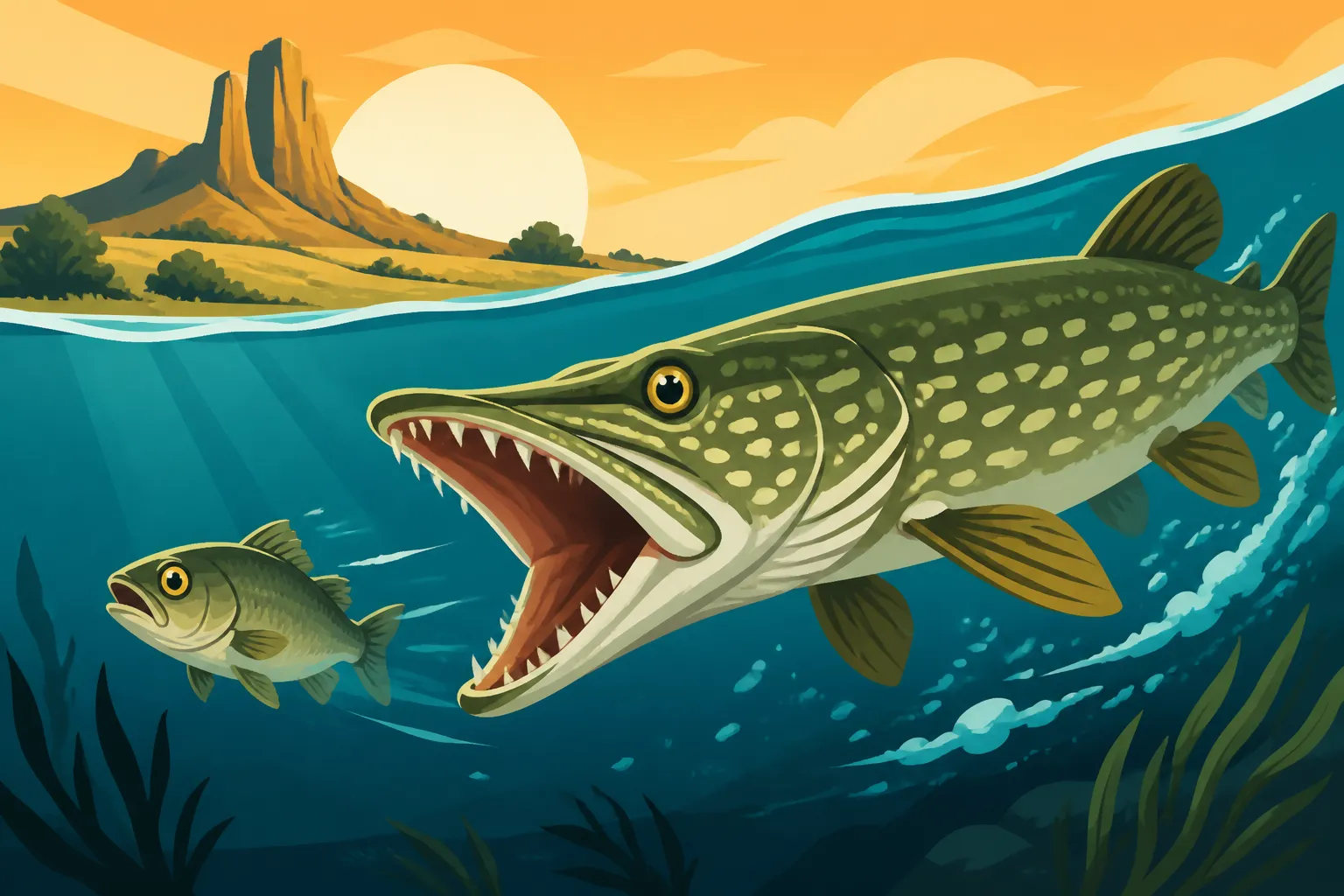
Northern Pike, often affectionately (or fearfully) called "water wolves" or "gators" by seasoned anglers, are unmistakable in Nebraska's waters. They're built for speed and ambush, with long, torpedo-shaped bodies, a duck-bill snout packed with razor-sharp teeth, and dorsal and anal fins set far back, almost like a rudder, giving them explosive acceleration. When you encounter one of these beauties, it’s instantly clear they mean business.
The Pike's Predatory Nature and Hunting Strategy
These fish aren't just hungry; they're masters of ambush. A Northern Pike will typically lie perfectly still, camouflaged amongst aquatic vegetation like cattails, lily pads, or submerged timber. They'll wait patiently, often for hours, for an unsuspecting prey fish to swim by. Their eyes, positioned forward, give them excellent depth perception, crucial for pinpointing their next meal. Once a target is within striking distance, usually a few feet, they unleash a burst of speed, lunging forward to engulf their prey sideways with those formidable teeth. It’s a lightning-fast strike that often leaves little chance for escape.
Their preferred habitats in Nebraska reflect this hunting style. You'll find them in lakes, reservoirs, and slower-moving rivers with plenty of cover. Think of the weed beds in Lake McConaughy Fishing Guide or the submerged timber in some of our larger reservoirs. This cover isn't just for hiding; it's also where many smaller fish, their primary food source, seek refuge, creating a perfect hunting ground for the pike. Understanding Northern Pike Habitat is key to both catching them and understanding their ecological role.
What Do Northern Pike Eat in Nebraska Waters?
Northern Pike are opportunistic carnivores, meaning they'll eat just about anything they can fit into their mouths, which is surprisingly large. While their diet primarily consists of other fish, they are far from picky.
Here’s a breakdown of their typical menu in Nebraska:
- Smaller Fish: This is the bulk of their diet. Perch, minnows, shiners, small crappie, bluegill, and even smaller walleye or bass can fall victim to a hungry pike. If it swims and it's edible, it's on the menu.
- Frogs and Amphibians: Especially in weedy, shallower areas, frogs are an easy meal for a cruising pike.
- Crayfish: While less common than fish, crayfish are another high-protein snack when available.
- Small Mammals and Birds: While it sounds wild, larger pike have been known to snatch ducklings or muskrats that get too close to the water's edge. This isn't an everyday occurrence, but it speaks volumes about their aggressive and opportunistic feeding habits.
Their diet flexibility allows them to thrive in various Nebraska water bodies, adapting to whatever forage is most abundant. This adaptability contributes significantly to their impact on other fish populations.
Northern Pike and Their Impact on Other Fish Species
The question of whether Northern Pike are aggressive toward other fish isn't really a question of if, but how much and in what ways. Their very nature dictates an aggressive interaction with almost every other fish in their environment. They are apex predators, sitting at the top of the food chain in many Nebraska lakes and rivers.
Competition for Food Resources
Even when not directly preying on another species, Northern Pike present significant competition for food. All fish need to eat, and in many Nebraska lakes, the primary forage base consists of baitfish like shad, shiners, and young panfish. When a large population of pike is present, they consume a substantial amount of this forage.
Consider a scenario in a reservoir like Branched Oak Lake Fishing Guide. If pike are abundant, they're eating the same juvenile fish that crappie, bass, and even adult walleye rely on. This competition can lead to:
- Slower Growth Rates: Other game fish might grow slower if their food source is heavily depleted by pike.
- Reduced Reproductive Success: A lack of adequate food can also impact the health and reproductive capacity of other fish, indirectly affecting their populations over time.
- Changes in Behavior: Prey fish may become more skittish or move to less ideal habitats to avoid both direct predation and food competition, which can make them harder for anglers to find.
Direct Predation on Game and Forage Fish
This is where the "aggressive" reputation truly comes into play. Northern Pike are not shy about hunting and consuming other game fish. They don't discriminate between a tasty shiner and a juvenile walleye or bass.
- Impact on Panfish: In waters with abundant pike, panfish like bluegill and crappie can experience heavy predation. While this can sometimes be a good thing, thinning out stunted populations and promoting larger, healthier fish, too much predation can decimate their numbers.
- Walleye and Bass: Young walleye and bass are particularly vulnerable. A pike can easily swallow a 6-8 inch fish, meaning a significant portion of a year's stocking or natural reproduction can be lost to pike predation. This is especially true in early spring when fish are often concentrated in shallow areas for spawning, making them easy targets.
- Stocked Trout: In lakes where trout are stocked, such as parts of Merritt Reservoir Fishing Guide or Lake Ogallala Trout Fishing, Northern Pike can be a major challenge. Trout are often stocked at sizes that are perfect for a pike's meal, leading to rapid declines in stocked trout populations if pike are present and unchecked.
Their aggressive strikes and formidable teeth make them highly effective hunters, leaving little doubt about their direct impact on the populations of other fish species in any given body of water.
Impact on Stocked Fish Programs
Nebraska invests considerable resources into stocking various fish species to enhance angling opportunities. These include trout, walleye, channel catfish, and sometimes panfish. The presence of aggressive Northern Pike can significantly undermine these efforts, particularly for species that are stocked at smaller sizes.
Imagine a hatchery truck releasing thousands of 6-inch rainbow trout into a lake. These fish are disoriented and vulnerable. If that lake also holds a healthy population of Northern Pike, those stocked trout become a ready-made buffet. The pike quickly learn to target these easy meals, sometimes congregating near stocking points. This means a substantial portion of the stocked fish might not survive long enough to grow to catchable size, diminishing the return on investment for the stocking program and frustrating anglers hoping to catch them.
This phenomenon isn't limited to trout. Any smaller, newly introduced fish can become a target. This necessitates careful management decisions by the Nebraska Game and Parks Commission (NGPC) when considering which species to stock in pike-heavy waters or how to manage pike populations to balance the ecosystem.
Coexisting with Northern Pike: Angling and Management Strategies
Despite their aggressive nature, Northern Pike are a vital part of Nebraska's aquatic ecosystems and offer a thrilling challenge for anglers. They help maintain ecological balance by preying on weaker or overpopulated fish, and their presence indicates a healthy, diverse environment. Learning to fish for them and understanding their role is part of being a well-rounded angler.
Fishing for Northern Pike in Nebraska
Targeting Northern Pike requires specific strategies and gear due to their size, strength, and sharp teeth. If you're planning a trip to go Northern Pike Fishing in Nebraska, here's what you'll need:
- Heavy Tackle: Forget your ultralight panfish rod. You'll want a medium-heavy to heavy action rod, usually 6'6" to 7'6" in length, paired with a stout spinning or baitcasting reel. You can find excellent options for Best Rods and Reels for Nebraska Fishing on platforms like Amazon, ensuring you have the power to handle a large, thrashing pike.
- Strong Line: Braided line in the 20-50 lb test range is a popular choice for its strength and sensitivity.
- Wire Leaders: This is non-negotiable. Pike teeth will easily slice through monofilament or fluorocarbon. A steel or fluorocarbon-coated wire leader, 9-12 inches long, is essential to prevent bite-offs. Consider investing in a sturdy wire leader; a quick search on Amazon will show you plenty of reliable options from various brands.
- Lures and Bait: Pike are attracted to large, flashy, and erratic presentations. Spoons, spinnerbaits, crankbaits, and large soft plastics are all effective. Live bait, such as large shiners or suckers, fished under a bobber in weed edges, can also be deadly. For specific recommendations, check out What Bait Northern Pike Prefer.
- Handling Tools: Because of their teeth, never lip a pike. Heavy-duty pliers or jaw spreaders are crucial for safe hook removal, and many anglers stock up on these essentials from retailers like Amazon. A large landing net or a sturdy gripping tool is also highly recommended.
Pike fishing often involves casting into or along weed lines, submerged timber, or rocky points. They hit hard and fight strong, making them an exhilarating catch for any angler.
Minimizing Pike Predation: Angler Best Practices
As anglers, we play a role in managing fisheries, even when simply enjoying a day on the water. When it comes to Northern Pike and their impact on other fish, a few best practices can help:
- Targeted Harvest: In some Nebraska waters, managers encourage the harvest of smaller pike to reduce predation pressure on other game fish. Always check Nebraska Fishing Regulations Explained for specific length and bag limits before heading out. If regulations allow, keeping some smaller pike (often under a certain length) for the frying pan can be a responsible way to help balance the fishery, and they are quite delicious.
- Responsible Catch and Release: If you're catching and releasing pike, ensure you do so properly to minimize stress and injury. Use barbless hooks, handle the fish as little as possible, and get them back in the water quickly. Knowing How to Release a Fish Safely to Survive is crucial for all species, but especially for toothy predators.
- Avoid Introducing Pike: Never move fish from one body of water to another. Introducing pike into a lake where they weren't originally present can have devastating effects on existing fish populations and throw the ecosystem completely out of balance. This is illegal and harmful.
For those diving into pike fishing, researching specific lures or tackle on platforms like Amazon before hitting the water can be incredibly helpful for understanding what works best in different conditions.
How Management Efforts Address Pike Populations
The Nebraska Game and Parks Commission actively manages fish populations across the state, and Northern Pike are definitely part of that equation. Their goal is often to create a balanced fishery that supports a variety of species for diverse angling experiences.
Management strategies can include:
- Stocking Decisions: The NGPC carefully considers the presence of pike when stocking other species. In some cases, they might stock larger fingerlings of species like walleye or bass to give them a better chance of survival against pike predation. For instance, you might see them stock trout in waters that historically have fewer pike, or at times of the year when pike are less active.
- Habitat Management: Improving aquatic habitat can benefit all fish species. Creating more diverse structure and cover can provide hiding places for prey fish, making it harder for pike to ambush them. Efforts related to the Nebraska Aquatic Habitat Stamp Explained contribute to these improvements.
- Regulation Adjustments: As mentioned, bag limits and length limits for pike can be adjusted to influence their population size. In some waters, regulations might be more liberal to encourage harvest and reduce numbers, while in others, stricter rules might protect larger, trophy-sized pike. These regulations are dynamic and based on ongoing biological surveys and research.
These efforts aim to ensure that while Northern Pike continue to play their natural role as predators, they don't unduly decimate other desirable fish populations, allowing for a healthy and enjoyable fishing experience for all.
Distinguishing Pike from Other Nebraska Predators
Nebraska waters are home to several predatory fish, and sometimes it can be easy to confuse a Northern Pike with another species, especially if you’re new to identifying fish. Two species that are often mistaken for pike, or share similar predatory niches, are muskellunge and walleye.
Northern Pike vs. Muskellunge (Muskie)
The muskellunge (often called "muskie") is the largest member of the pike family and shares many similarities with its smaller cousin, the Northern Pike. They are both long, sleek, and toothy. However, there are key differences that can help you tell them apart. It's important to know these distinctions, especially since What a Muskellunge Is and Where They Live in Nebraska are critical pieces of information for anglers.
Here’s a simple comparison table:
| Feature | Northern Pike | Muskellunge (Muskie) |
|---|---|---|
| Color Pattern | Light spots or bars on a darker green body. | Dark spots or bars on a lighter green/silver body. |
| Tail Fin | Rounded or slightly forked, often yellowish. | More deeply forked, typically darker. |
| Cheeks & Operculum | Fully scaled cheeks, upper half of operculum scaled. | Upper half of cheeks scaled, upper half of operculum scaled (some variants fully scaled on cheek). |
| Pores on Lower Jaw | 5 or fewer | 6 to 9 (usually 7 or more) |
| Size | Typically smaller, up to 15-20 lbs (though larger exist). | Can grow much larger, often over 30-40 lbs and longer. |
| Rays on Dorsal Fin | Usually 17-21 | Usually 22-26 |
The most reliable way to tell them apart is by looking at the scaling pattern on their cheeks and operculum (gill cover) and the pores on their lower jaw. Muskie generally have less scaling on their cheeks and operculum compared to pike, and more sensory pores under their chin. The pattern on the body is also a good indicator once you get an eye for it. Muskie are much rarer in Nebraska than pike, making them a true trophy catch.
Northern Pike vs. Walleye
While both are formidable predators, Northern Pike and Walleye occupy different niches and have distinct predatory styles. Understanding these differences can help you locate and target them effectively. For more details on walleye, you can always check out Walleye Fishing in Nebraska.
- Appearance: Walleye have large, glassy eyes (hence the name), a more elongated but less torpedo-shaped body than a pike, and distinct dorsal fins with sharp spines. Their coloration is typically olive green to gold with a white belly, and they lack the distinct spots or bars of a pike.
- Hunting Style: Walleye are often considered "low light" predators. They have excellent vision in dim conditions, which allows them to hunt effectively at dawn, dusk, and even at night. They typically cruise open water, ambushing prey rather than lying in wait in dense cover like a pike. They prefer deeper, cooler water in the summer, often relating to structure like rock piles, humps, and drop-offs.
- Diet: While walleye also eat smaller fish, their mouth size generally limits them to smaller forage than a pike. They are also known to consume a good number of invertebrates like leeches and insects, especially when young.
- Coexistence: In many Nebraska lakes, pike and walleye coexist. They often occupy slightly different habitats and hunt at different times, which reduces direct competition. Pike dominate the shallow, weedy areas, while walleye often prefer deeper, open water or structured areas. However, as noted, young walleye can certainly become pike food.
By knowing these characteristics, you'll be better equipped to identify what you've caught and understand the complex food web interactions happening beneath the surface of Nebraska's waters. For a broader understanding of different species, the Nebraska Fish Species Identification Guide is an invaluable resource.
In conclusion, Northern Pike are undeniably aggressive toward other fish. It's their very nature as efficient, opportunistic apex predators that shapes their behavior and their critical role in Nebraska's aquatic ecosystems. They are a force to be reckoned with, both feared and admired by anglers and vital to the health and balance of our fisheries.
Disclaimer
This article is for general informational purposes only and does not constitute professional advice. Laws, prices and regulations vary by location and change over time. Consult a qualified professional for guidance on your specific situation.