How Long Channel Catfish Live
There's a special kind of respect that comes with catching a fish that has truly seen some seasons. For many of us who cast our lines into Nebraska's bountiful waters, especially when we hook into one of those powerful channel catfish, a question often comes to mind: "Just how old is this fish?" It's not just idle curiosity; understanding the lifespan of these remarkable bottom-dwellers can deepen our appreciation for them, inform our fishing practices, and even give us a glimpse into the health of the waters we love. It's frustrating to feel like you're missing a piece of the puzzle when you're out on the water, but this guide is here to shed light on the impressive longevity of channel catfish in Nebraska and what makes them such enduring residents of our lakes and rivers.
The Enduring Life of Nebraska Channel Catfish
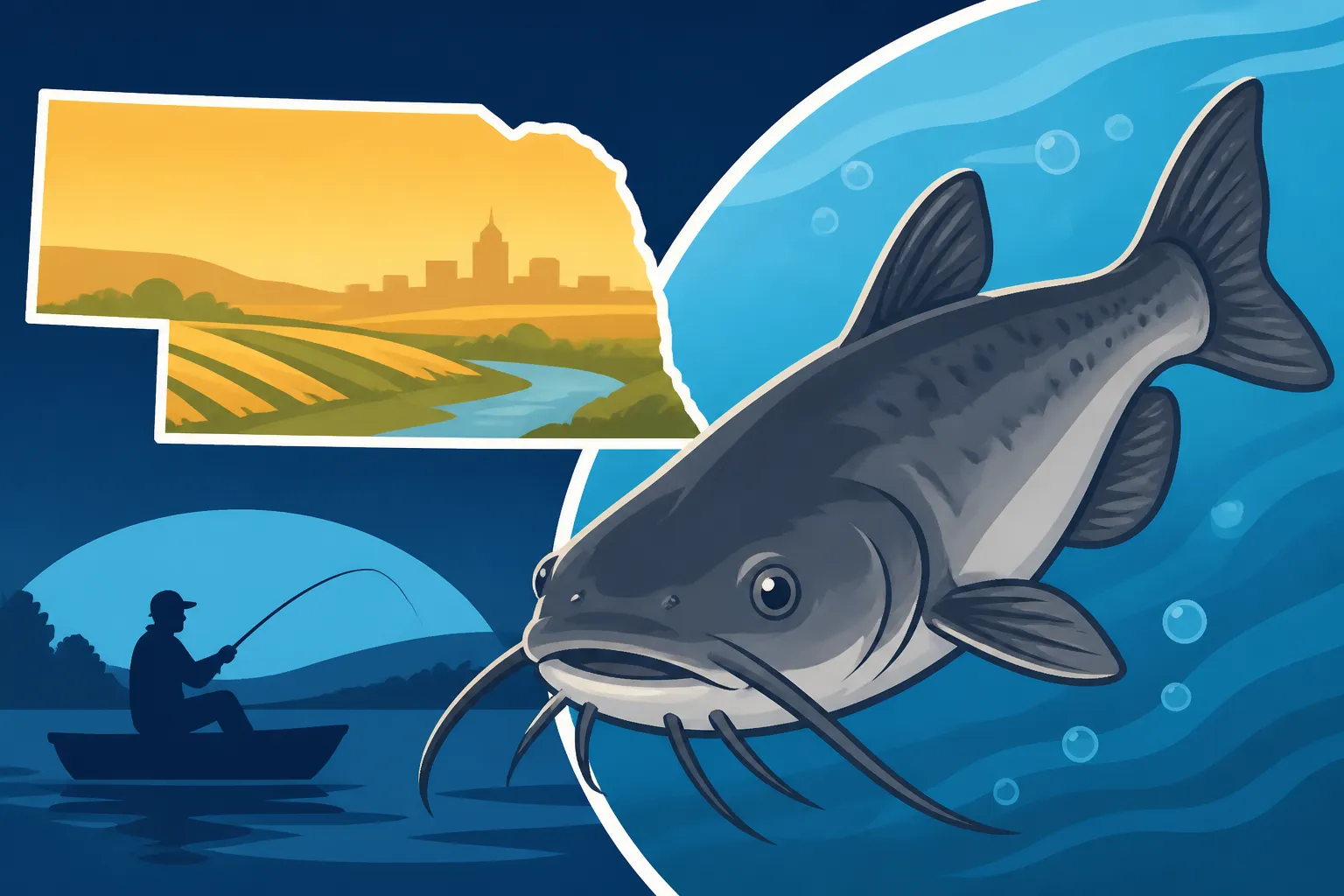
When we talk about how long channel catfish live in Nebraska, we're discussing a species known for its resilience and ability to thrive in diverse environments. These fish aren't fleeting visitors; they're long-term residents, often living for many years, accumulating stories and scars that only an old warrior of the deep can tell. It's this enduring nature that makes them such a cherished game fish across the state, from the sandpits of the eastern plains to the deep reservoirs of the west.
Typically, in the wild waters of Nebraska, a channel catfish can live anywhere from 10 to 20 years. That's a pretty respectable run for a fish! However, this is just an average. Under truly ideal conditions, with an abundance of food, excellent water quality, and minimal predation or fishing pressure, some truly exceptional individuals have been known to push past the two-decade mark, occasionally even reaching 25 or 30 years. Imagine catching a fish that was swimming around before some of your favorite fishing holes were even popular!
It's also interesting to consider the difference between wild populations and those that are stocked. Stocked fish, particularly those introduced into new or managed ponds, might have a different early life experience. They might initially face a higher mortality rate due to the stress of stocking or unfamiliar environments, but once established, if their new home is a protected, food-rich environment, they can grow quickly and live a long, healthy life. Wild fish, on the other hand, navigate a constant gauntlet of natural challenges, from fluctuating water levels and temperatures to competition for food and encounters with predators, making every year a testament to their hardiness.
Key Factors Influencing a Catfish's Longevity
A channel catfish's lifespan isn't just a predetermined number; it's a dynamic outcome influenced by a complex interplay of environmental factors, food sources, and external pressures. As anglers, understanding these elements can help us appreciate the challenges these fish face and why some waters produce older, larger fish than others. It's never as simple as just "fish being fish," is it? There's a whole ecosystem at play.
Water Quality and Habitat Health
This is arguably one of the most critical factors. Channel catfish, while incredibly adaptable, still need clean, oxygenated water to thrive. Lakes and rivers with consistent water quality, free from pollutants, allow fish to grow without physiological stress. A stable habitat also plays a huge role. Areas with plenty of underwater structure – fallen trees, rock piles, drop-offs, and even old tires – provide essential cover for catfish to hide from predators, ambush prey, and find refuge from strong currents or harsh sunlight. When a water body experiences prolonged periods of poor water quality, such as low oxygen levels or high turbidity, it can significantly stress fish, hindering their growth and ultimately shortening their lives. Conversely, a well-managed lake or river, like some of Nebraska's prime Best Places to Fish in Nebraska, provides a stable, healthy foundation for a long life.
Food Availability and Nutrition
Just like any living creature, channel catfish need a consistent and nutritious diet to grow large and live long. A lake or river with a healthy forage base – everything from smaller baitfish, crayfish, insects, and even terrestrial critters that fall into the water – ensures that catfish have ample energy to grow, maintain their health, and recover from spawning or injuries. When food is scarce, catfish may become stunted, meaning they don't reach their full size potential for their age, and they can be more susceptible to disease. On the flip side, a nutrient-rich environment means robust growth, which is often a good indicator of overall fish health and potential longevity. Curious what these whiskered wonders feast on? Check out What Channel Catfish Eat.
Predation and Disease Pressure
Even the toughest channel catfish isn't immune to the dangers of its environment. Younger catfish are particularly vulnerable to predation from larger fish, birds of prey, and even some mammals. As they grow, their natural predators decrease, but they still face threats. Diseases, though often unseen, can also sweep through a fish population, especially if fish are stressed by poor environmental conditions or overcrowding. While Nebraska's waters are generally healthy, outbreaks can occur, affecting the overall lifespan of fish in a particular area. It’s part of the natural balance, but it's a factor in how many years a fish gets to see.
Fishing Pressure and Angler Practices
We, as anglers, also play a direct role in the average lifespan of channel catfish. In heavily fished waters, catfish might simply not live long enough to reach their full potential size and age due to being harvested. This isn't inherently bad if managed sustainably, but it's a factor. The good news is that channel catfish are a hardy species, and when caught and released properly, they have a high survival rate. Catch and Release Best Practices in Nebraska are crucial, especially for those larger, older breeding fish that contribute so much to the population's future. Investing in proper release tools, like a good quality fish lip gripper, available widely on Amazon, can significantly improve the survival rate of released fish. This helps ensure that these older, wiser fish can continue to contribute to future generations.
Climate and Water Temperature Fluctuations
Nebraska experiences a wide range of temperatures throughout the year, from icy winters to hot summers. These seasonal changes dictate the metabolic rate of fish. Warmer waters generally mean a longer growing season and faster growth, but extreme heat can also stress fish if oxygen levels drop. Conversely, cold winters slow down metabolism, conserving energy but pausing growth. Stable, moderate temperatures for extended periods tend to be ideal for consistent growth and overall health. Rapid, drastic changes in temperature, often associated with severe weather events or sudden water discharges, can put immense stress on fish, potentially impacting their health and lifespan.
Age, Size, and Growth Rates: What to Expect
It's natural to assume that a bigger fish is an older fish, and while this is often true, it's not always a perfect correlation. Catfish growth isn't a linear, predictable journey; it's influenced by all the factors we just discussed. A smaller, older catfish might have come from a food-scarce environment, while a younger, larger one could have been blessed with an abundance of easy meals. Still, there are general patterns we can observe in Nebraska's channel catfish populations. If you’re serious about tracking your catches, a precise measuring tape and a reliable fishing scale, both easily found on Amazon, can help you estimate your fish's age and contribute to your understanding of their growth patterns.
Growth Isn't Always a Straight Line
Channel catfish typically exhibit very rapid growth in their first few years, especially when food is plentiful. They need to get big enough quickly to avoid being prey for other fish. After this initial spurt, their growth rate tends to slow down, becoming more gradual as they mature. This means a 5-pound catfish might be around 5 years old, but a 10-pound catfish might be 10-12 years old, not just double the age. The increments of growth become smaller as the fish ages. This is a common pattern for many fish species, where energy is diverted from rapid growth to reproduction once sexual maturity is reached.
Size as a General Age Indicator
While not an exact science, size is still the most common way anglers mentally "age" a catfish. A channel catfish hitting the 20-inch mark in Nebraska is usually a good indicator of a mature, several-year-old fish, often 4-6 years old. A true trophy, pushing or exceeding 30 inches, has likely seen at least a decade, if not more, of life in our waters. These are the fish that have survived multiple spawning cycles, countless near-misses with predators, and perhaps a few encounters with anglers before you! For more on their impressive dimensions, dive into How Big Channel Catfish Get in Nebraska and Nebraska Channel Catfish Size and Weight Records.
Here's a general table illustrating the typical relationship between age, length, and weight for channel catfish in many Nebraska waters. Keep in mind, these are averages and can vary significantly based on the specific lake, river, or pond.
| Age (Years) | Typical Length (Inches) | Typical Weight (Pounds) | Notes |
|---|---|---|---|
| 1 | 6-10 | 0.25-0.75 | Rapid early growth, focus on survival. |
| 2 | 12-14 | 1-1.5 | Becoming more robust, still growing quickly. |
| 3 | 15-18 | 1.5-3 | Reaching a good "eater" size, often sexually mature. |
| 5 | 20-24 | 4-7 | Strong, healthy adults, actively spawning. |
| 7 | 24-27 | 7-10 | Approaching trophy size for many anglers. |
| 10 | 26-30 | 10-15 | Significant trophy potential, a true veteran of the water. |
| 15+ | 30+ | 15-25+ | Rare giants, the oldest and wisest individuals. |
This table helps put into perspective the journey a channel catfish takes to become a truly large fish. It highlights the years of survival and growth required to reach those impressive dimensions that make for such exciting fishing stories. These larger, older fish are often the cornerstone of a healthy breeding population, emphasizing the importance of responsible angling.
Trophy Potential and What it Means
When anglers talk about "trophy" channel catfish in Nebraska, they're often referring to fish over 10-15 pounds, sometimes even larger. These are almost invariably the older fish in the population. A 15-pound channel catfish isn't just a big fish; it's a testament to its genetic makeup, its cunning, and the richness of its environment over many years. It has navigated countless threats and found sufficient food to fuel its growth.
For those dreaming of catching such a venerable creature, understanding their longevity is key. It means respecting the resource and recognizing that these larger fish are vital for perpetuating the species. Targeting these older, larger fish often requires different techniques, deeper knowledge of their habits, and a good dose of patience. Sometimes, you'll find excellent insights on targeting these mature fish in specialized fishing guides, which you can often browse and purchase on Amazon.
Implications for Anglers and Conservation
Knowing how long channel catfish live isn't just a fun fact; it carries significant implications for how we approach fishing and, more broadly, the conservation of our aquatic resources in Nebraska. It shapes everything from our bag limits to our personal ethics on the water.
Sustainable Harvest Practices
Fisheries managers use information like average lifespan and growth rates to set regulations, such as daily bag limits and length limits. The goal is to allow for a sustainable harvest, ensuring enough fish survive to reproduce and maintain a healthy population for future generations of anglers. If channel catfish only lived for a few years, regulations might be much stricter. Because they can live for a good long while and are prolific spawners, current regulations usually allow for a reasonable harvest without severely impacting the overall population. However, it's always critical to adhere to current Nebraska Fishing Regulations Explained to ensure these practices remain sustainable.
The Value of Catch and Release
For many anglers, especially when pursuing larger, older fish, catch and release is a deeply held practice. Recognizing that a 15-pound channel catfish might be a decade or more old instills a profound respect. These seasoned fish have proven their ability to survive and reproduce, making them invaluable assets to the gene pool. Releasing them ensures they can continue to pass on their strong genes and contribute to future spawns. If you're looking to target bigger catfish, consider researching Best Catfish Gear for Nebraska Rivers that facilitates a quick and safe release.
Furthermore, proper handling during catch and release is paramount. Learning How to Release a Fish Safely to Survive can make all the difference in that fish's chance of living to fight another day. It's a small effort on our part that has a huge impact on the fish's future. For those truly passionate about the future of Nebraska's fishing, proper handling practices are as important as the catch itself.
Respecting the Resource
Ultimately, understanding the longevity of channel catfish fosters a deeper respect for these incredible creatures and the aquatic environments they call home. Every fish you catch, regardless of its size, represents a journey of survival. A small catfish might be just starting its life adventure, while a large one is a testament to years of resilience. This perspective encourages us to be mindful of our impact, from properly disposing of trash to minimizing stress on the fish we encounter. The more we know, the more we appreciate, and the better stewards of the environment we become.
Targeting Different Age Classes
Knowing about growth rates can even subtly influence your fishing strategy. If you're primarily interested in catching delicious "eater" size fish, generally in the 2-5 pound range, you might focus on areas known for strong numbers of younger, faster-growing channel catfish. These fish are often abundant in many of Nebraska's waters and are renowned for being one of the Best Eating Fish From Nebraska Waters. Conversely, if you're on the hunt for that once-in-a-lifetime trophy, you'll likely target deeper, more secluded areas where older, larger fish are known to reside, understanding that these battles will be fewer but potentially more rewarding. Learning How to Clean and Fillet a Channel Catfish of different sizes can also be helpful for those who plan to harvest. Whether you're targeting the smaller, more abundant fish or the elusive giants, you can often find great resources, including specialized tackle for different sizes, on platforms like Amazon. For bank anglers, familiarizing yourself with How to Catch Channel Catfish From the Bank might also lead you to some excellent spots for all sizes of catfish.
The channel catfish is a true emblem of Nebraska fishing. Its impressive lifespan speaks to its adaptability and strength, making every encounter with these whiskered beauties a memorable one. By understanding their life journey, we not only become better anglers but also more responsible caretakers of the fantastic fishing opportunities our state provides.
Disclaimer
This article is for general informational purposes only and does not constitute professional advice. Laws, prices and regulations vary by location and change over time. Consult a qualified professional for guidance on your specific situation.