Best Lakes in Nebraska for Trophy Channel Catfish
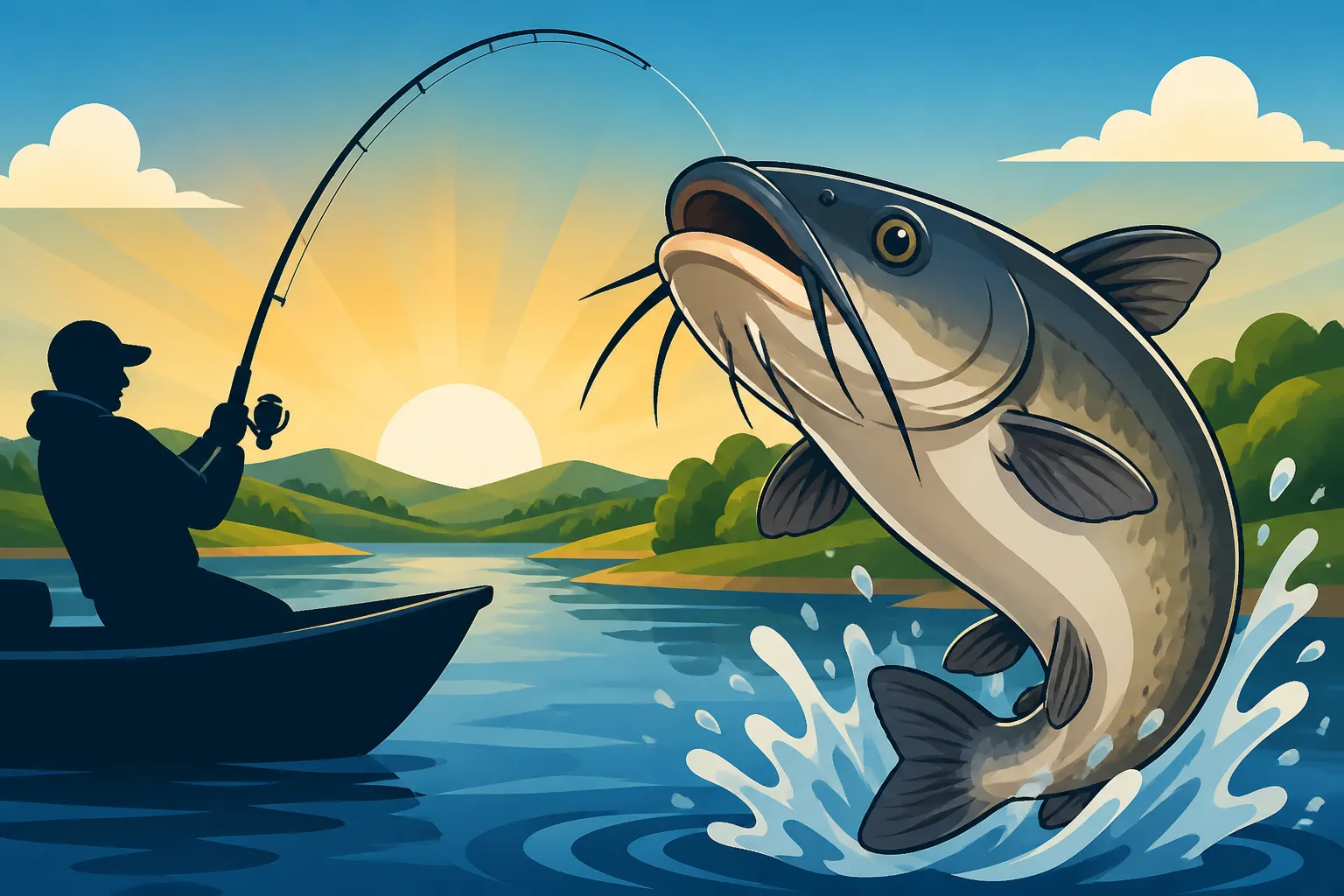
There's nothing quite like the thrill of a rod bending to the powerful pull of a truly massive channel catfish. For many of us who love to fish in Nebraska, landing a trophy channel cat is a bucket list item, but figuring out where these giants lurk can feel like searching for a needle in a haystack. This guide is dedicated to helping you pinpoint the best lakes and waterways across the Cornhusker State where your chances of tangling with a monster whisker fish are significantly higher.
What Defines a "Trophy" Channel Catfish in Nebraska?
Before we dive into the prime locations, let's talk about what makes a channel catfish a "trophy" in the eyes of a Nebraska angler. It's more than just a number on a scale; it's about the fight, the rarity, and the sheer impressive size of the catch.
Size Expectations for a Trophy
While personal definitions vary, most Nebraska anglers consider a channel catfish weighing in the double digits—say, 10 pounds or more—to be a solid trophy. Once you start hitting the 15-pound mark, you're truly getting into the realm of exceptional fish. Fish pushing 20 pounds are absolute giants and are the stuff of legends. These aren't your everyday catches from a farm pond; they're seasoned veterans of their watery homes, having evaded countless hooks and grown large on years of forage. When you hook into one of these, you'll know it immediately by the sheer power they exert, often pulling line and demanding a robust fight. It's the kind of fish that makes your arms ache in the best possible way.
Factors Influencing Catfish Size
The growth of channel catfish, like any species, is heavily influenced by several factors: food availability, water quality, and genetics. Lakes and rivers that boast a rich forage base—think abundant gizzard shad, carp, or even smaller panfish—tend to produce larger, healthier catfish. These fish have a consistent, high-calorie diet that fuels their growth. Additionally, stable water temperatures, good oxygen levels, and minimal environmental stressors contribute to a thriving catfish population where individuals can reach impressive sizes. Lakes with diverse depths and structures, from shallow flats to deep channels, also provide varied habitats for catfish to forage and grow without excessive competition or predation. Understanding these environmental factors can help you predict which waters are more likely to harbor the giants you seek.
Top Nebraska Waters Renowned for Trophy Channel Catfish
Nebraska is blessed with a variety of lakes and rivers, and while many hold channel catfish, some stand out as consistent producers of truly large specimens. These are the places where the dream of a trophy cat often becomes a reality.
Branched Oak Lake: A Catfish Powerhouse
Located just northeast of Lincoln, Branched Oak Lake is practically synonymous with big channel catfish in Nebraska. This reservoir is a powerhouse for whisker fish, consistently giving up cats in the 10 to 20-pound range, with even larger ones reported regularly. The lake's extensive size, varied structure (including standing timber, submerged roadbeds, and vast flats), and a healthy forage base (especially gizzard shad) create an ideal environment for channel catfish to thrive and grow large. Many anglers swear by fishing the deeper channels and creek arms, especially during the warmer months.
What makes Branched Oak so special for big cats? It's a combination of management and natural productivity. The lake is well-managed, and its ecosystem supports a dense population of baitfish, which provides a smorgasbord for growing catfish. Anglers targeting these giants often find success fishing after dark when the big cats are most active. You'll often hear stories from local bait shops about someone pulling a behemoth from Branched Oak, and those tales usually involve a patient angler fishing a prime spot with the right bait at the right time. For those looking for substantial channel cats, Branched Oak is often one of the first places mentioned.
Harlan County Reservoir: Wide-Open Waters, Big Catfish
Down in south-central Nebraska, near Republican City, Harlan County Reservoir offers a different kind of trophy cat experience. This massive reservoir, one of the largest in the state, is known for its vast open waters and often windy conditions, but don't let that deter you. Harlan is a fantastic fishery for a variety of species, and channel catfish are certainly among its trophy residents. The sheer size of Harlan County Reservoir means there's a huge amount of water for catfish to inhabit and forage. The reservoir's main channel of the Republican River, now submerged, provides excellent deep-water habitat that big cats absolutely love.
Anglers here often target the main river channel, especially where it crosses old roadbeds or merges with major creek arms. The reservoir also has extensive mud flats and points that can be hotbeds for feeding catfish, particularly in the evenings or overnight. The abundance of carp and gizzard shad in Harlan contributes significantly to the growth potential of its catfish. While Branched Oak might be famous for its consistent numbers of large fish, Harlan has the potential to kick out some truly monumental catfish, often surprising anglers targeting other species. Be prepared for strong winds, but also for the possibility of a truly unforgettable fight.
Missouri River: The Untamed Giant
No discussion of trophy catfish in Nebraska would be complete without mentioning the mighty Missouri River. This isn't a lake, of course, but its vast stretches along Nebraska's eastern border are home to some of the largest channel catfish (and flatheads, for that matter) in the entire region. The Missouri River is a dynamic, ever-changing environment with powerful currents, deep scour holes, wing dams, and vast mud flats. These features create perfect ambush points and feeding zones for trophy-sized channel cats. The river's incredible diversity of forage, from various minnow species to carp and drum, supports a food chain capable of growing monstrous fish.
Fishing the Missouri requires a different approach than still water. Current is king here, and understanding how catfish relate to it is crucial. Key areas to target include the deep holes below wing dams, the slack water eddies behind sandbars, and the mouths of tributaries where baitfish congregate. Many of the state's largest recorded channel catfish have come from these powerful waters. Anglers often employ heavy tackle and large baits to combat the current and entice these powerful river dwellers. It's a challenging but incredibly rewarding fishery for those seeking truly massive, hard-fighting channel cats. Keep in mind that Missouri River Border Water Fishing License Rules can be a bit tricky, so make sure you're properly licensed for whichever side of the river you're fishing.
Other Notable Waters for Big Catfish
Beyond these top three, Nebraska offers several other excellent locations for pursuing large channel catfish:
- Lake McConaughy: While primarily famous for walleye and striped bass, "Big Mac" holds an impressive population of large channel catfish, especially in its shallower bays and creek arms. Its immense size and rich ecosystem mean there are plenty of overlooked spots where big cats can thrive. Anglers often find success targeting catfish in the evenings around submerged structures or along drop-offs.
- Sutherland Reservoir: Part of the Platte River hydro system, Sutherland is another large lake with good numbers of sizable channel catfish. The connection to the river system and its fertile waters contribute to a healthy catfish population. Fishing the deeper parts of the lake or near the inlet/outlet structures can be productive.
- The Platte River (Middle and Lower Sections): Away from the main reservoirs, the Platte River itself, particularly the central and eastern portions, harbors excellent populations of channel catfish. While not as conducive to giant flatheads as the Missouri, the Platte can still produce very respectable channel cats, especially in its deeper channels and scour holes. Platte River Catfish Fishing requires understanding the river's dynamic nature and current breaks.
Strategies for Targeting Nebraska's Trophy Channel Catfish
Catching a trophy channel catfish isn't just about showing up at the right lake; it's about preparation, technique, and a bit of patience. These big fish are often seasoned survivors, and you'll need to be on your A-game.
Essential Gear for Big Catfish
To consistently hook and land trophy channel catfish, you need gear that can withstand their power. This isn't the time for ultralight setups.
- Rods and Reels: Look for medium-heavy to heavy-action rods, typically 7 to 9 feet long. These rods provide the backbone needed to cast heavy baits and battle large fish. Pair them with robust baitcasting or spinning reels capable of holding a significant amount of heavy line. Many anglers opt for a good quality baitcasting reel because of its power and line capacity when fighting larger fish in strong currents or heavy cover. You can find excellent options for Best Rod Setup for Nebraska Catfish on various outdoor retailers and even on Amazon.
- Fishing Line: Braided line in the 30 to 60-pound test range is highly recommended for its strength, sensitivity, and resistance to abrasion. It offers a direct connection to the fish, which is crucial for feeling subtle bites and setting the hook effectively. If you prefer monofilament, opt for heavy-duty lines, at least 15 to 25-pound test, for its stretch and shock absorption. A heavy fluorocarbon leader can also be beneficial in clear water or around abrasive structures.
- Terminal Tackle: You'll need strong, sharp hooks. Circle hooks (3/0 to 8/0) are popular for catfish as they typically hook the fish in the corner of the mouth, making for easier, safer releases and reducing gut-hooking. Sinker weights will vary depending on current and depth, but having a variety from 1 to 4 ounces on hand is wise. Swivels, beads, and strong leaders complete your setup. Ensure all components are heavy-duty; a weak link in your tackle can mean losing the fish of a lifetime. A well-stocked tackle box, perhaps one you curated from choices on Amazon, will be invaluable.
Best Baits and Rigging Techniques
Channel catfish are opportunistic feeders, but when targeting trophies, specific baits and rigging methods can dramatically increase your success.
- Cut Bait: This is arguably the most popular and effective bait for large channel catfish. Chunks of oily fish like shad, carp, or even panfish (where legal) are irresistible to big cats. The scent trail they leave in the water can draw fish from a significant distance. For rigging, a simple Carolina rig with a sliding sinker above a swivel, leading to a strong fluorocarbon leader and a large circle hook, is highly effective. The key is to present the bait on or near the bottom, allowing the scent to disperse.
- Stink Baits: While smaller channel cats often devour stink baits, some specialized preparations can attract larger fish. These powerful, pungent concoctions are designed to mimic decaying organisms, which big cats readily scavenge. Dip baits or punch baits can be used with specialized sponges or treble hooks designed to hold the bait.
- Live Bait: Small live sunfish, shad, or even large minnows can be very effective, especially for more finicky trophy cats. Rig them on a Carolina rig or under a slip bobber near structure. Always check Nebraska Fishing Regulations Explained to ensure legality regarding the use of live baitfish, especially those caught from different waters.
- Prepared Baits: Some anglers have success with homemade concoctions or commercially prepared baits like chicken livers, shrimp, or even hot dogs soaked in garlic. While not always as potent as fresh cut bait, they can be good alternatives.
Remember that Best Bait for Nebraska Catfish can sometimes depend on the specific body of water and what the local catfish are accustomed to eating. Don't be afraid to experiment!
Prime Times and Locations
Timing and location are crucial for trophy catfishing.
- Seasonal Patterns: While you can catch channel catfish year-round, spring and summer are generally the most productive times. In spring, as water temperatures rise, catfish become more active and move into shallower areas to feed and spawn. Post-spawn, usually late spring to early summer, they are often aggressively feeding to regain energy. Summer nights are legendary for trophy catfishing, as larger fish move into shallower feeding grounds under the cover of darkness. Fall can also be excellent as they gorge themselves before winter. Understanding Nebraska Fishing Seasons Explained can help you plan your trips.
- Time of Day: For trophy channel cats, prime time is often from late evening through the night until early morning. During these cooler, darker hours, larger catfish feel safer to roam and feed in shallower areas, making them more accessible to anglers. Daytime fishing can still be productive, but you'll often find bigger fish in deeper, darker holes during the brightest parts of the day.
- Structure and Depth: Look for structure! Catfish love to relate to submerged timber, rock piles, old creek channels, drop-offs, and even bridge pilings. In rivers, target scour holes, eddies behind wing dams, and the calmer water downstream of snags. In lakes, focus on areas with baitfish concentrations, such as flats adjacent to deep water, points, and submerged humps. Using a fish finder can help locate these key areas, and many excellent, portable options are available on Amazon if you don't have one built into your boat.
| Lake/River System | Key Features for Catfish | Typical Trophy Size (lbs) | Best Times to Fish (General) | Notes |
|---|---|---|---|---|
| Branched Oak Lake | Old creek channels, standing timber, flats | 10-20+ | Summer nights, Spring/Fall | Abundant gizzard shad, high potential for giants |
| Harlan County Reservoir | Republican River channel, mud flats, points | 10-20+ | Summer nights, Late Spring | Vast water, can be windy, strong fighters |
| Missouri River | Wing dams, scour holes, eddies, tributaries | 15-30+ | Year-round, especially Summer | Powerful current, challenging, but huge fish |
| Lake McConaughy | Shallow bays, creek arms, submerged brush | 8-15+ | Summer nights, Spring | Excellent forage, often overlooked for cats |
| Platte River | Deep channels, scour holes, log jams | 5-15+ | Summer nights, Spring | River fishing techniques apply |
Conservation and Responsible Angling for Trophy Catfish
Catching a trophy channel catfish is an incredible experience, but it comes with the responsibility of ensuring these magnificent fish continue to thrive for future generations.
Catch and Release Best Practices
Many anglers choose to release their largest trophy fish, especially channel catfish, as they are often the prime breeding stock for the lake or river. If you decide to release your trophy:
- Minimize Fight Time: Use appropriate tackle to bring the fish in as quickly as possible without over-stressing it. This prevents lactic acid buildup that can be detrimental to the fish's survival. Learning How to Fight a Big Fish on Light Tackle can be beneficial, but for trophy cats, slightly heavier gear is often better for a quicker fight.
- Gentle Handling: Handle the fish as little as possible. If you must remove it from the water, support its full body weight horizontally. Avoid holding it vertically by the jaw or gills, as this can damage its internal organs. A large, rubberized landing net is ideal for safely securing the fish.
- Quick Hook Removal: Use pliers or a hook-out tool to quickly and carefully remove the hook. If the fish is deeply hooked, it may be best to cut the line as close to the hook as possible. Circle hooks greatly reduce the chances of deep hooking.
- Revival: If the fish seems stressed, hold it gently in the water, facing into a mild current (or move it back and forth gently if in still water) until it regains its strength and can swim away on its own.
- Documentation: Get your photos quickly! Have your camera ready so the fish spends minimal time out of the water. Consider using a bump board or measuring tape to get the length and girth for an accurate estimate of its weight, rather than risking weighing it on a scale that could injure it.
Understanding Regulations
Always, always be familiar with the current Nebraska Fishing Regulations Explained before heading out. Regulations, including Nebraska Fishing Daily Bag and Possession Limits and Nebraska Catfish Bag Limits, are in place to manage fish populations and ensure sustainable fishing. For specific species like channel catfish, there might be length limits or special restrictions on certain waters. It's your responsibility as an angler to know and follow these rules. Ignoring them not only puts you at risk of fines and penalties (see Nebraska Fishing Violation Penalties) but also harms the very fishery you enjoy. A quick check of the Nebraska Game and Parks Commission website or a stop at a local bait shop for a printed guide is always a good idea before your trip.
Disclaimer
This article is for general informational purposes only and does not constitute professional advice. Laws, prices and regulations vary by location and change over time. Consult a qualified professional for guidance on your specific situation.