Nebraska Boat Registration and Equipment Requirements
Heading out onto Nebraska's beautiful lakes and rivers in your boat is an incredible experience, but the joy can quickly turn into frustration if you're not up to speed on the rules. Many folks get caught off guard by the specific requirements for boat registration and the essential equipment you need to have on board, which can lead to hefty fines or even unsafe situations. This comprehensive guide is here to walk you through every aspect of Nebraska boat registration and equipment requirements, ensuring you're fully prepared for a smooth and legal outing on the water.
Why Boat Registration Matters in Nebraska
When you're dreaming of open water and the perfect fishing spot, the last thing on your mind is often paperwork. However, understanding why boat registration is a non-negotiable part of boating in Nebraska can actually help you appreciate the process. It's not just bureaucracy; it's about safety, accountability, and preserving the very waterways we love.
The Legal Framework of Boating in Nebraska
Think of boat registration much like vehicle registration for your car. It's the state's way of tracking vessels, ensuring compliance with laws, and maintaining public safety. Nebraska, through the Game and Parks Commission, has a detailed system in place for managing watercraft. This system is designed to create a uniform approach to boating, so everyone knows what's expected of them on the water. Without this framework, it would be pure chaos out there, with no way to identify boats in distress, track ownership, or enforce vital safety regulations. The registration number, displayed prominently on your boat, serves as its unique identifier, making it easy for law enforcement or rescue personnel to assist if needed. It's a foundational piece of responsible boating, ensuring that all water users can enjoy Nebraska's aquatic resources without undue risk.
Ensuring Safety and Accountability on the Water
Beyond just tracking, registration plays a critical role in safety and accountability. Imagine a hit-and-run incident on the water, or a boat found adrift after a storm. Without registration, identifying the owner or operator would be nearly impossible. Your boat's registration is proof of ownership, linking you to your vessel and the responsibilities that come with it. This accountability encourages safer boating practices because operators know they can be identified. Furthermore, the registration process often requires boats to meet certain safety standards before they even hit the water, like proper documentation or proof of ownership. This initial check is a subtle but effective way to ensure vessels are seaworthy and equipped for safe operation, reducing the chances of accidents for everyone sharing the lake or river.
Funding Conservation and Waterway Management
Here's a less obvious but equally important reason for boat registration: it directly contributes to the health and accessibility of Nebraska's waters. A significant portion of the fees collected from boat registrations goes right back into managing and improving our lakes, rivers, and boat ramps. This includes funding for crucial conservation efforts like aquatic habitat restoration, fish stocking programs, and the fight against invasive species. It also helps maintain public access points, develop new boating facilities, and support law enforcement patrols that keep our waters safe. So, every time you pay your registration fee, you're not just getting a sticker for your boat; you're investing in the future of Nebraska fishing and boating. It's a collective effort, and your contribution helps ensure that future generations can enjoy the same pristine waters and abundant fish populations we do today.
Who Needs to Register a Boat in Nebraska?
One of the most common questions new boat owners, or even seasoned anglers trying out a new watercraft, have is, "Does my boat actually need to be registered?" It's a fair question, especially with the variety of vessels out there. The rules aren't always crystal clear at first glance, but once you break them down, it becomes much easier to understand.
Identifying Registerable Vessels: What's Covered?
In Nebraska, most motorized boats are required to be registered. This generally includes any vessel equipped with an electric motor, a gasoline engine, or any other type of mechanical propulsion, regardless of its size. So, whether you've got a massive pontoon boat perfect for family gatherings on Lake McConaughy, a speedy bass boat for chasing lunkers, or a small fishing boat with a trolling motor for navigating quiet coves, it needs to be registered. This even extends to personal watercraft (PWCs) like jet skis, which fall under the same motorboat category. The key takeaway here is "mechanical propulsion." If it has an engine or a motor, chances are it needs a registration number and an Nebraska Aquatic Invasive Species Stamp. It's always best to assume it needs to be registered unless you find a clear exemption.
Exemptions to Nebraska Boat Registration
While the general rule is that motorized vessels need to be registered, there are a few notable exceptions. Knowing these can save you a trip to the Game and Parks office if your particular craft falls outside the requirements.
Common Exemptions:
- Non-Motorized Vessels: This is the biggest one. Canoes, kayaks, paddleboards, rafts, and other vessels that rely solely on human power or wind (like sailboats without auxiliary engines) do not typically need to be registered in Nebraska. This is great news for those who prefer a quieter, more environmentally friendly approach to the water. However, it's worth noting that if you add a trolling motor to your kayak, for example, it immediately becomes a registerable vessel. Always double-check this, especially if you modify your boat. You can find more details on this particular point in resources like Do Canoes Need to Be Registered in Nebraska?.
- Vessels Documented by the U.S. Coast Guard: Larger vessels, usually 25 feet or longer, that are documented by the U.S. Coast Guard are exempt from state registration. This is generally for commercial vessels or larger yachts, not typically seen in great numbers on Nebraska's inland lakes, but it's an important distinction.
- Boats from Other States: If your boat is legally registered in another state and you're just visiting Nebraska for a short period (usually up to 60 consecutive days), you typically don't need to re-register it in Nebraska. However, you must display your out-of-state registration numbers and decal, and comply with all Nebraska boating laws. If you plan to stay longer or establish residency, you'll need to register your boat here. It's a good idea to familiarize yourself with Nebraska Out-of-State Boat Rules before you travel.
It's always smart to confirm the latest exemptions directly with the Nebraska Game and Parks Commission, as regulations can occasionally be updated.
Residency Requirements for Nebraska Boat Owners
Understanding what constitutes "residency" is crucial, especially for those who might split their time between Nebraska and another state, or are new to the state. Generally, you are considered a Nebraska resident for boat registration purposes if you have established a permanent domicile in the state and intend to remain a Nebraska resident. This often means things like holding a Nebraska driver's license, registering your vehicles in Nebraska, and filing income taxes as a Nebraska resident.
If you are a non-resident who owns property in Nebraska or frequently visits, you'll still typically register your boat in your home state unless you meet the Nebraska residency criteria. The system is designed to prevent people from trying to register in a state with lower fees if they don't truly reside there. For college students or military personnel, there might be specific provisions or exceptions, so it's always worth checking with the Game and Parks Commission to clarify your unique situation. Being upfront about your residency ensures you avoid any potential issues down the line.
The Nebraska Boat Registration Process: Step-by-Step
Navigating the boat registration process can feel a bit daunting, but it's really quite straightforward once you know the steps. Whether you're pulling a brand-new vessel off the showroom floor or buying a trusty used boat, there are specific procedures to follow.
Registering a New Boat in Nebraska
Congratulations on your new boat! The thrill of that first launch is unmatched, but first, let's get it legal. When you purchase a new boat from a dealership in Nebraska, they often assist with some of the initial paperwork, but the ultimate responsibility for registration falls to you.
- Obtain Your Documents: The dealership should provide you with a Manufacturer's Statement of Origin (MSO) or Certificate of Origin (COO). This is essentially the birth certificate of your boat. You'll also need a bill of sale.
- Gather Required Information: You'll need personal identification, your Nebraska driver's license number, and details about your boat, including its make, model, hull identification number (HIN), and length. If your boat has an engine, you'll need its make, horsepower, and serial number too.
- Head to the County Treasurer's Office: Unlike some other states where you register directly with the wildlife agency, in Nebraska, you typically register your boat at your county treasurer's office. This is the same place you might register your car.
- Pay Fees: You'll pay the appropriate registration fees, which are determined by the boat's length and type. You'll also need to pay for the Nebraska Aquatic Invasive Species Stamp Cost. These fees are critical for funding the state's boating infrastructure and conservation efforts.
- Receive Your Registration and Decals: Once processed, you'll receive your registration certificate and the annual decals that must be displayed on your boat. Remember to keep the certificate on board whenever you're on the water.
This process ensures your new pride and joy is officially recognized and ready for adventures. You can find more in-depth information on this at How to Register a Boat in Nebraska.
Registering a Used Boat: Special Considerations
Buying a used boat can be a fantastic way to get on the water without the new boat price tag. However, the registration process for a used vessel has its own set of nuances, particularly when it comes to proving ownership.
- Verify Clear Title and Ownership: This is the most crucial step. Before you hand over any money, ensure the seller has a clear title to the boat and, if applicable, the motor. In Nebraska, boat titles are issued for vessels 14 feet and longer, and all motorboats. You'll need the original signed-over title from the seller. If the boat is shorter than 14 feet and non-titled, a notarized bill of sale is essential. Always check for any liens against the boat. This diligence can save you a world of trouble later. Information about this can be found at Nebraska Boat Titling Requirements.
- Bill of Sale: A detailed bill of sale is always a good idea, even with a title. It should include the purchase price, date of sale, names and addresses of both buyer and seller, and a thorough description of the boat (make, model, HIN) and motor (make, serial number, horsepower).
- Sales Tax: You will likely be responsible for paying sales tax on the purchase price of the boat when you register it, unless it's explicitly exempt (e.g., purchased from a private party if under a certain value, or gifted). Check with your county treasurer's office regarding sales tax specific to used boat purchases.
- Visit the County Treasurer's Office: Just like with a new boat, you'll take your signed-over title (or notarized bill of sale for non-titled vessels) and personal identification to the county treasurer. They will process the transfer of ownership and issue you a new registration certificate and decals.
- Addressing Out-of-State Titles: If you're buying a used boat that was previously registered out-of-state, the process might require a bit more documentation, possibly including an inspection or additional forms to verify the HIN. Don't hesitate to call your local county treasurer ahead of time to confirm exactly what you'll need.
Taking the time to get these details right for a used boat ensures your investment is legally sound.
Where to Go and What to Bring for Registration
To streamline your boat registration experience, being prepared is key. Nobody likes waiting in line only to find out they forgot a critical document!
Where to Go:
- County Treasurer's Office: For the vast majority of boat registrations, renewals, and title transfers, your county treasurer's office is the place to go. This is consistent across Nebraska.
- Online (for Renewals): While initial registration typically requires an in-person visit, renewals can often be completed online through the Nebraska Game and Parks Commission's GoOutdoorsNE Online Permit System. This is a huge convenience for returning boaters.
- Designated Vendors (for Renewals/Permits): Some bait shops or outdoor retailers might be authorized vendors for certain permits or renewals, but for full registration and titling, the county treasurer is your primary stop.
What to Bring (General Checklist):
- Proof of Ownership:
- New Boat: Manufacturer's Statement of Origin (MSO) or Certificate of Origin (COO) and Bill of Sale.
- Used Boat (Titled): Original title signed over by the seller.
- Used Boat (Non-Titled, <14 ft): Notarized Bill of Sale.
- Personal Identification: Valid Nebraska driver's license or state ID.
- Boat Information: Make, model, hull identification number (HIN), length, year, and motor details (make, horsepower, serial number). Having photographs of the HIN and motor serial numbers can be helpful.
- Payment: Cash, check, or credit/debit card for registration fees, aquatic invasive species stamp, and any applicable sales tax. Check with your county treasurer on accepted payment methods.
- Proof of Residency: If there's any doubt about your residency status, be prepared to provide documentation (e.g., utility bill, tax statement).
Having all your ducks in a row before you head out will make the registration process quick and painless, getting you back to thinking about the water.
Essential Equipment Requirements for Nebraska Boats
Once your boat is officially registered and legal, the next critical step is ensuring it's properly equipped. Nebraska has clear regulations on the safety equipment you must have onboard, not just for legal compliance, but more importantly, for your safety and the safety of your passengers. Failing to carry required gear can lead to fines and, in an emergency, put lives at risk.
Mandatory Safety Equipment for All Vessels
No matter the size or type of your boat, there's a baseline of safety equipment that is universally required. These items are your first line of defense in an unexpected situation.
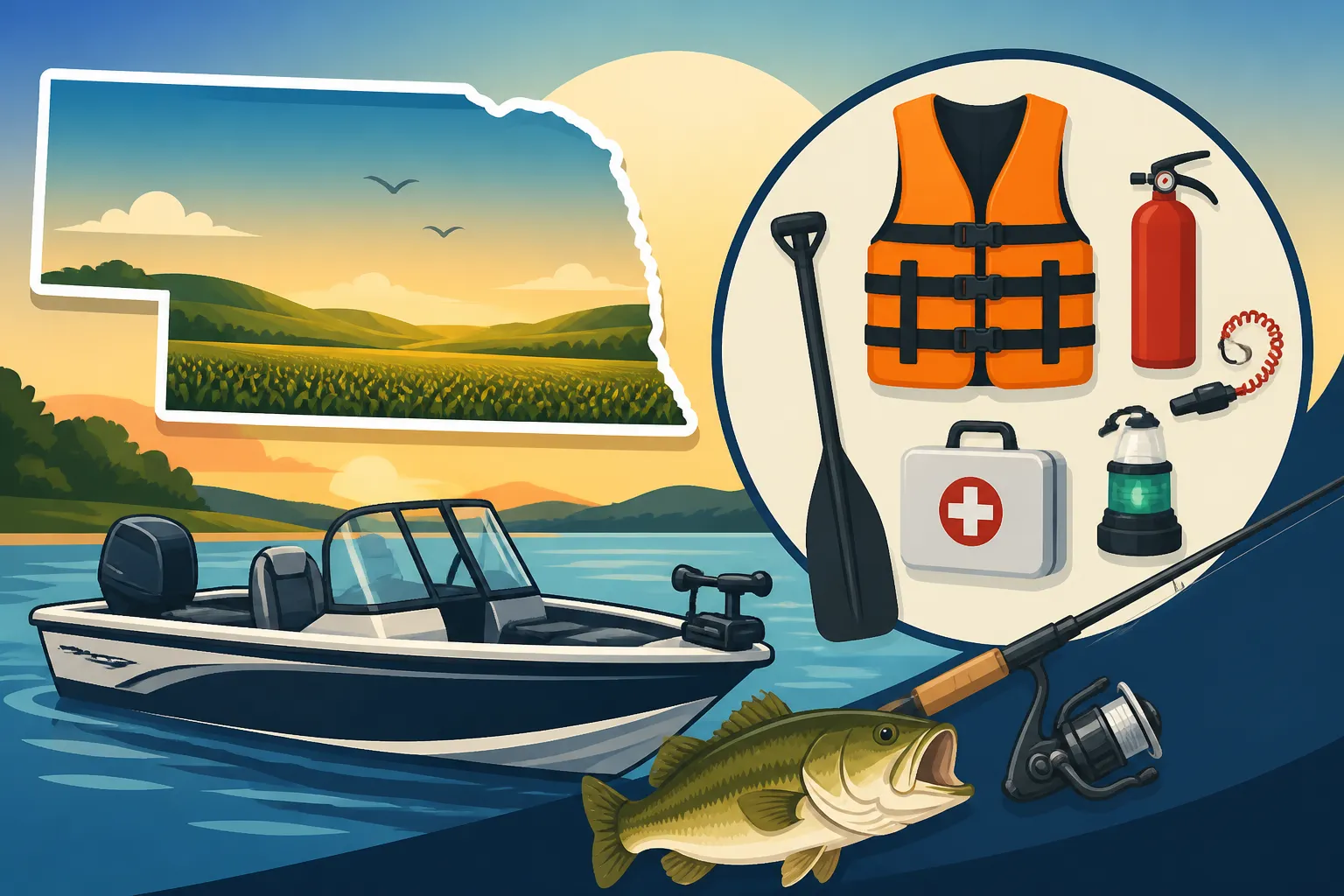
- Personal Flotation Devices (PFDs): This is perhaps the most crucial item. You must have a U.S. Coast Guard-approved wearable PFD (life jacket) for every person on board your vessel. These PFDs must be in good, serviceable condition, readily accessible, and of the appropriate size for the intended wearer. For instance, a child-sized PFD won't do for an adult, and vice-versa. Additionally, any child 12 years of age and younger must wear a U.S. Coast Guard-approved PFD at all times while on board any vessel that is underway. Many families find it helpful to pick up PFDs from reliable outdoor retailers like Bass Pro Shops or even through Amazon to ensure they have the right sizes and types for everyone.
- Fire Extinguisher: Most motorboats (especially those with enclosed compartments, permanent fuel tanks, or certain types of engines) are required to carry a U.S. Coast Guard-approved marine fire extinguisher. The type and number of extinguishers depend on the size of your boat. For example, a small open boat might need one B-I type extinguisher, while a larger vessel with an enclosed engine compartment might require more or a different rating. Always check the expiration date and ensure it's fully charged.
- Sound-Producing Device: You need a way to signal other boats or communicate in an emergency. This could be a whistle, horn, or other mechanical device capable of producing an audible signal. Small boats often get by with a simple marine whistle, while larger boats might have an installed horn.
- Visual Distress Signals (VDS): If you're operating on federal waters (though many of Nebraska's waters are state-controlled, it's good practice), or at night on any water, visual distress signals are usually required. These can include flares (various types, some with expiration dates), an electric distress light, or other Coast Guard-approved signals. Always check which specific VDS are required for your area and operating conditions.
- Ventilation: Boats that have enclosed engine compartments or fuel tank spaces are required to have a ventilation system to prevent the buildup of explosive fumes. This typically includes a blower system that must be operated for a certain period before starting the engine.
These items are not just checkboxes for law enforcement; they are vital tools that could save your life or the lives of others. For a full rundown, refer to Required Safety Equipment on a Nebraska Boat and How Many Life Jackets Are Required on a Nebraska Boat?.
Navigation Lights and Sound-Producing Devices
As the sun sets, the requirements for your boat change to ensure visibility and prevent collisions in reduced light.
- Navigation Lights: If you operate your boat between sunset and sunrise, or during periods of restricted visibility (like fog), proper navigation lights are absolutely essential. These lights identify your vessel's type and direction of travel to other boaters.
- Motorboats: Generally require a white all-around light (visible for 360 degrees) and red and green sidelights (visible from the front and sides, indicating port and starboard respectively). The specific configuration depends on the boat's length.
- Non-Motorized Vessels (at night): Even canoes and kayaks, while not requiring registration, must display a white light (like a flashlight or lantern) in sufficient time to prevent a collision if operating at night.
- Sound-Producing Devices: As mentioned, a sound-producing device is mandatory. During periods of restricted visibility, these devices are used to signal intentions or position. For example, specific horn blasts indicate turning left, turning right, or operating in fog. Knowing these signals is part of safe boating etiquette and legal compliance. Make sure your device is easily reachable and in working order before heading out, especially if you anticipate operating in low light or fog.
Specialized Equipment for Different Boat Types
While the core safety items are universal, certain types of boats or activities might have additional requirements.
- Vessels Over 16 Feet: Boats 16 feet or longer are generally required to carry a throwable PFD (Type IV) in addition to the wearable PFDs for each person. This could be a ring buoy or a boat cushion, designed to be thrown to someone in the water.
- PWCs (Personal Watercraft): Operators and passengers on PWCs must wear a PFD at all times when underway. Additionally, a PFD must be worn by anyone being towed by a PWC. Many PWCs also require a lanyard-type engine cut-off switch, which attaches to the operator and stops the engine if the operator falls off.
- Towing Skiers/Tubers: If you're towing a person on water skis, a tube, or similar device, you generally need an observer on board (in addition to the operator) who is at least 12 years old and capable of assisting the operator. The boat also needs to have a rearview mirror.
- Anchor and Line: While not universally mandated for all boat types by law, having an appropriate anchor and sufficient line is highly recommended for safety. It can keep you from drifting into danger in an emergency or hold your position while fishing. Many boaters find anchors for various bottom types through retailers like Amazon or specialized marine stores.
It’s your responsibility to know the specific requirements for your vessel and intended use. A quick review of the Nebraska Game and Parks Commission's boating guide is always a good idea before each season. Checking a resource like Nebraska Boat Safety Equipment Requirements can give you a more exhaustive list.
Understanding Nebraska's Aquatic Invasive Species Program
Nebraska's pristine waters are a treasure, but they face a serious threat: aquatic invasive species (AIS). These non-native plants, animals, and pathogens can wreak havoc on ecosystems, fisheries, and even boating infrastructure. Nebraska has a robust program to combat AIS, and as a boater, you play a critical role in its success.
The Threat of Aquatic Invasive Species (AIS)
Aquatic invasive species, like zebra mussels, quagga mussels, Eurasian watermilfoil, and starry stonewort, are biological invaders. They don't belong here, and when they establish themselves, they can:
- Disrupt the Food Chain: Invasive species outcompete native species for food and habitat, leading to declines in fish populations, including popular game fish.
- Damage Infrastructure: Mussels can clog boat motors, water intake pipes, and dam infrastructure, costing millions in repairs.
- Degrade Water Quality: Some invasive plants form dense mats that can block sunlight, deplete oxygen, and make swimming and recreation unpleasant or impossible.
- Impact Property Values: Lakes infested with AIS can become less desirable for recreation and living, potentially impacting lakeside property values.
- Hinder Recreation: Dense weed beds make fishing and boating difficult, and sharp mussel shells can cut swimmers' feet.
The impact of AIS is far-reaching and incredibly difficult to reverse once they take hold. This is why prevention is the absolute best strategy, and every boater is on the front lines of this fight.
Mandatory AIS Stamp and Inspections
To help fund prevention efforts and enforce compliance, Nebraska has implemented specific requirements for boaters:
- Aquatic Invasive Species Stamp: All motorized vessels and sailboats 14 feet and longer operating in Nebraska waters must have an Aquatic Invasive Species Stamp. This stamp is an additional fee paid when you register or renew your boat registration, or purchase a fishing permit. It's a small investment with a huge return, directly funding education, monitoring, and decontamination efforts. You can find more information on the Nebraska Aquatic Invasive Species Stamp.
- Boat Inspections: Nebraska has inspection stations at various boat ramps, particularly at high-risk entry points or popular lakes. While not every boat is inspected every time, conservation officers or authorized personnel have the authority to inspect any vessel for AIS. They are looking for visible aquatic plants or animals on your hull, trailer, or equipment. If a boat is found to be contaminated, you may be directed to a decontamination station or prohibited from launching until the boat is clean. Compliance is mandatory, and refusal can lead to penalties. The goal isn't to inconvenience you, but to protect our waters from irreparable harm.
Clean, Drain, Dry: Preventing AIS Spread
The "Clean, Drain, Dry" protocol is the cornerstone of AIS prevention. It's a simple, three-step process that every boater needs to practice, every time they leave the water.
-
Clean:
- Inspect your boat, trailer, and all gear: This means looking carefully at the hull, prop, motor, anchor, fishing gear, and even your waders and boots. Remove any visible mud, plants, or animals before leaving the boat ramp. Even a tiny fragment of an invasive plant can start a new infestation.
- Power wash: If possible, a high-pressure wash with hot water is ideal, especially if you've been in waters known to have AIS. Many car washes or dedicated decontamination stations offer this.
- Fishing gear: Clean out livewells, bait buckets, and any fishing tackle that came into contact with the water.
- Empty bait buckets: Never release live bait or unused bait into a different body of water. Dispose of it in the trash.
-
Drain:
- Drain all water: This is crucial. Before leaving the boat launch, pull your boat's drain plug and drain all water from the bilge, livewells, baitwells, and engine cooling systems.
- Open all compartments: Leave all compartments, including livewells and storage areas, open to air dry.
- Inspect all areas where water can collect: Pay special attention to areas like transoms, motor wells, and any other hidden spots.
-
Dry:
- Allow sufficient drying time: This is often the hardest part, but perhaps the most effective. Many invasive species, especially microscopic larvae, can survive in damp conditions for days. The longer you can let your boat and gear completely dry in the sun, the better. A minimum of 5-7 days of hot, dry weather is often recommended, but colder or humid conditions may require longer.
- Sunlight exposure: Wherever possible, position your boat and gear in direct sunlight to aid in drying.
Adhering to "Clean, Drain, Dry" isn't just a suggestion; it's a legal requirement and a shared responsibility. Neglecting these steps can lead to severe fines and, more importantly, irreversible damage to Nebraska's aquatic ecosystems. You can find excellent guidelines on How to Clean a Boat to Prevent Zebra Mussels in Nebraska.
Renewing Your Nebraska Boat Registration and Common Questions
Once you've gone through the initial registration process, it feels great to be out on the water. But like any official document, your boat registration isn't a one-and-done deal. It needs to be renewed regularly. Understanding the renewal process and getting answers to common questions can save you headaches down the road.
Annual Renewal Process and Deadlines
Your Nebraska boat registration is valid for one year and generally expires on December 31st of the year it was issued. This means you'll need to renew it annually to stay legal on the water.
- Renewal Notices: The Nebraska Game and Parks Commission typically sends out renewal notices by mail or email (if you've opted for electronic communication) as a friendly reminder. Don't rely solely on these, however, as mail can get lost. It's always a good idea to mark your calendar.
- Renewal Period: Renewals usually open in the fall, giving you ample time to get it done before the new year.
- How to Renew:
- Online: This is often the easiest and most popular method for renewal. You can typically renew through the GoOutdoorsNE Online Permit System. You'll need your boat registration number or other identifying information. This is a quick process, and your new decals will be mailed to you.
- Mail: You can also mail in your renewal form and payment to the Nebraska Game and Parks Commission.
- In Person: If you prefer, you can renew your registration in person at your local county treasurer's office or at a Game and Parks office.
- Timely Renewal: It's important to renew on time. Operating an unregistered boat, even if it's just an expired registration, can lead to fines. So, make sure you get those new decals on your boat before the calendar flips!
Keeping up with your Nebraska Boat Registration Renewal Process ensures your seasons of fun aren't interrupted by administrative hiccups.
Transferring Boat Ownership and Registration
Life happens, and sometimes you sell your boat or acquire a new one. When ownership changes, the registration needs to change too. This process is called transferring ownership and involves some specific steps.
- Selling Your Boat:
- Sign Over the Title: If your boat is titled (14 feet or longer, or any motorboat), you, as the seller, must sign the original title over to the buyer. Ensure all requested information is filled out accurately, including the sale price and date.
- Bill of Sale: Provide a detailed bill of sale to the buyer. This protects both parties by documenting the transaction.
- Remove Decals: You should remove your old registration decals from the boat. The new owner will receive fresh ones.
- Buying a Used Boat:
- Obtain Signed Title/Bill of Sale: As the buyer, you need the original signed-over title (or notarized bill of sale for non-titled boats under 14 feet) from the seller.
- Visit County Treasurer: Take these documents, along with your personal ID, to your county treasurer's office to transfer the title into your name and register the boat. You'll pay applicable transfer fees, registration fees, and any sales tax.
It's crucial that the transfer of ownership is handled correctly and promptly. Until the title and registration are officially transferred, the previous owner might still be held liable for any issues related to the boat. This is why getting your Nebraska Boat Titling Requirements and all other paperwork sorted quickly is paramount.
Frequently Asked Questions About Nebraska Boat Registration
Even with comprehensive guides, specific questions always pop up. Here are a few common ones that might be on your mind:
- Do I need a separate permit to fish from my boat? Yes, boat registration is separate from your fishing license. You still need a valid Nebraska Fishing License Guide to fish legally, even if your boat is registered.
- What if I lose my registration certificate or decals? You can typically obtain a duplicate registration certificate and replacement decals at your county treasurer's office or a Nebraska Game and Parks office for a small fee. It's wise to do this promptly, as you must carry your registration certificate on board.
- Can I register my boat if I'm not a Nebraska resident? Generally, no, unless you are establishing residency. If you are a non-resident with a boat legally registered in another state, you can typically use Nebraska waters for a limited time (usually 60 days) without Nebraska registration, provided your home state's registration is current and displayed. However, you must comply with all Nebraska boating laws.
- What if my boat is old and I don't have a title? For very old boats that were never titled (typically pre-1974 or those under 14 feet without a motor), you might be able to register it with a notarized bill of sale and possibly an affidavit of ownership. Contact your county treasurer or Game and Parks Commission for specific guidance on these unique situations. They can help you navigate the process.
- Are there any special rules for motor size or age to operate a boat? Yes, Nebraska has specific Nebraska Boating Age Requirements for Operating Alone. Generally, certain age restrictions apply to operating motorboats, especially for younger individuals, and often require a boating education course. Make sure to check these requirements before letting a minor operate your boat.
Penalties for Non-Compliance and Safe Boating Practices
Ignoring boat registration and equipment requirements might seem like a minor oversight, but in reality, it can lead to serious consequences. Beyond the legal ramifications, operating an unsafe or unregistered boat puts yourself and others at risk.
Consequences of Operating an Unregistered or Under-Equipped Boat
The Nebraska Game and Parks Commission and local law enforcement officers regularly patrol our waterways. If you're caught operating a boat that doesn't meet the legal requirements, you could face:
- Fines and Citations: Operating an unregistered boat or one missing required safety equipment is a violation of state law. Fines can vary depending on the specific infraction and whether it's a first offense or repeat violation. These tickets can quickly add up, easily costing more than the registration fee itself.
- Delayed or Ended Trips: An officer may require you to immediately correct the deficiency. If you don't have enough PFDs, for example, they might instruct you to return to shore or stay put until the issue is resolved. This can quickly ruin a planned day on the water.
- Safety Hazards: The most significant "penalty" isn't financial; it's the increased risk. Without proper safety equipment like PFDs, fire extinguishers, or navigation lights, a minor incident can quickly escalate into a life-threatening situation. An unregistered boat can't be easily identified in an emergency, delaying critical rescue efforts.
- Impoundment: In severe or repeated cases of non-compliance, particularly for egregious safety violations or operating under the influence, your vessel could even be impounded.
Understanding that these rules exist for everyone's benefit can help frame the importance of compliance. No one wants to start their day of fishing at Lake McConaughy Fishing Guide with a hefty fine or a canceled trip.
Importance of Boating Education and Safety Courses
While not always mandatory for all boat operators in Nebraska (especially older adults), taking a boating education and safety course is highly recommended for everyone. For younger operators, there are specific Nebraska Boating Age Requirements for Operating Alone that may necessitate such a course.
- Knowledge is Power: These courses cover everything from navigation rules, emergency procedures, PFD types, and proper boat handling, to understanding weather patterns and avoiding collisions.
- Increased Confidence: Learning from certified instructors can significantly boost your confidence on the water, especially if you're a new boater or operating in unfamiliar conditions.
- Safer Waterways: A well-informed boater is a safer boater. The more people who understand and practice safe boating, the safer our lakes and rivers become for everyone.
- Potential Insurance Discounts: Some insurance providers offer discounts to boaters who have completed an approved safety course, offering a tangible benefit beyond just safety.
The Nebraska Game and Parks Commission offers approved courses, and many private organizations provide online or in-person classes. Investing a little time in education can pay huge dividends in safety and enjoyment.
Tips for a Safe and Enjoyable Boating Season
Beyond meeting the legal requirements, a truly enjoyable boating season comes down to a proactive approach to safety and preparation.
- Pre-Launch Check: Before every outing, do a quick safety check. Are all lights working? Is the engine running smoothly? Are PFDs readily accessible and correctly sized? Is your sound-producing device working? Is the drain plug in? (Believe me, many boaters have forgotten this one!).
- Weather Watch: Always check the weather forecast before heading out. Conditions can change rapidly, especially on large reservoirs. Know your limits and your boat's capabilities in adverse weather.
- Tell Someone Your Plan: Let a friend or family member know where you're going, who's with you, and when you expect to return. This "float plan" is invaluable in an emergency.
- Stay Sober: Operating a boat under the influence of alcohol or drugs is just as dangerous, and illegal, as driving a car under the influence. Designate a sober operator.
- Respect Other Boaters: Share the water courteously. Maintain safe distances, observe speed limits (especially in no-wake zones), and be mindful of swimmers, kayakers, and other vessels.
- Be Prepared for Emergencies: Carry a basic first-aid kit, a tool kit for minor repairs, a spare propeller, and communication devices (like a fully charged cell phone in a waterproof bag, or a VHF radio for larger waters).
- Practice "Clean, Drain, Dry": Reiterate the importance of protecting Nebraska's waters from Aquatic Invasive Species Stamp by always cleaning, draining, and drying your boat and gear after every use.
By taking these steps and staying informed, you'll ensure that every trip out on Nebraska's beautiful waters is not only legal but also incredibly fun and safe for everyone on board.
Disclaimer
This article is for general informational purposes only and does not constitute professional advice. Laws, prices and regulations vary by location and change over time. Consult a qualified professional for guidance on your specific situation.