Nebraska Boating Age Requirements for Operating Alone
Navigating the rules and regulations for boating can sometimes feel like trying to untangle a particularly stubborn fishing line, especially when it comes to who can actually take the helm. Many parents and young aspiring anglers in Nebraska wonder at what age they or their children can legally operate a boat by themselves, leading to a lot of head-scratching and confusion. This comprehensive guide is here to clear up those uncertainties, offering a detailed look at Nebraska's boating age requirements for operating alone, along with essential safety and education information to ensure everyone enjoys the water responsibly.
Understanding Nebraska's Boating Age Regulations
Nebraska takes its boating safety seriously, and that means having specific rules about who can operate a vessel on its beautiful lakes and rivers. These regulations aren't just arbitrary lines in the sand; they're designed to protect everyone on the water by ensuring operators have a basic level of maturity and understanding of boating laws and safety protocols. It's crucial to distinguish between powered and non-powered vessels, as the rules can vary significantly. Ignoring these guidelines can lead to fines, dangerous situations, and a really bad day on the water.
Who Can Operate a Motorized Boat Alone?
When it comes to motorized boats, Nebraska has a clear age cutoff. Generally, if you're under a certain age, you cannot legally operate a motorboat on public waters without adult supervision, and even then, there are stipulations. The key age to remember is 14 years old.
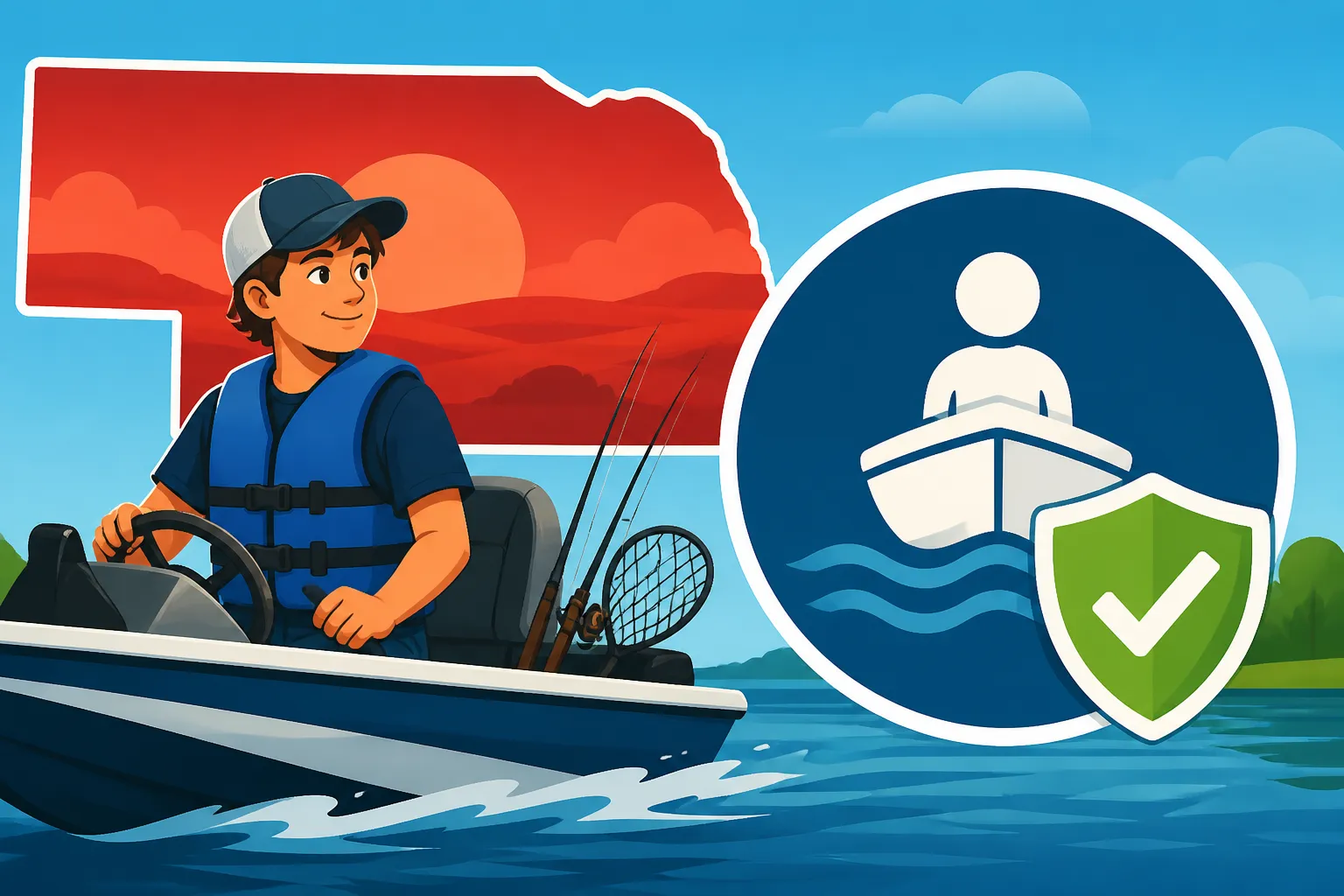
Anyone under 14 years of age is not allowed to operate a motorboat, personal watercraft (PWC), or sailboat alone on Nebraska waters. If they are operating one, they must be under the direct on-board supervision of a person who is at least 18 years old. This adult supervisor needs to either be legally capable of operating the vessel themselves (meaning they meet age and education requirements) or have successfully completed a boating safety course approved by the Nebraska Game and Parks Commission. Think of it like a learner's permit for a car; you can drive, but you need an experienced co-pilot right there with you. This rule applies to any motorboat, regardless of horsepower, meaning even a small fishing boat with a modest outboard falls under this umbrella.
For those who are 14 years of age or older, you can operate a motorboat or personal watercraft alone, provided you have successfully completed a boating safety course approved by the Nebraska Game and Parks Commission and carry proof of that completion. This course is a big deal in Nebraska, as it ensures that even young adults have a solid foundation in safe boating practices, navigation rules, and emergency procedures. We'll dive deeper into the boating safety course requirements in the next section, but for now, just know that turning 14 isn't enough; you need that certificate in hand. Without it, you're back to needing adult supervision, or facing potential penalties.
Operating Non-Powered Vessels: Kayaks, Canoes, and Paddleboards
The rules lighten up considerably when it comes to non-powered vessels like kayaks, canoes, stand-up paddleboards, and rowboats. For these types of crafts, there is generally no minimum age requirement for operating alone in Nebraska. This means a child, regardless of age, can legally paddle their own kayak or canoe on public waters without an adult directly on board with them.
However, this freedom comes with a massive caveat: safety. While legally permitted, common sense and parental responsibility should always prevail. A very young child might be able to physically paddle a kayak, but do they have the judgment to handle changing weather, strong currents, or unexpected obstacles? Are they strong enough to get back into a capsized vessel? Many families choose to have younger children stay close to shore or remain under very close visual supervision, even if not directly on board. Also, don't forget the cardinal rule of all boating: everyone, regardless of age or vessel type, should wear a properly fitted Best Life Jackets for Nebraska Boaters. This isn't just a recommendation for children; it's a critical piece of safety gear for everyone.
Even though these non-powered vessels don't have age restrictions for solo operation, they still have other rules that apply. For instance, canoes might not need registration if they're not motorized, but understanding Do Canoes Need to Be Registered in Nebraska? is still important. And for both motorized and non-motorized boats, it's always wise to have a Required Safety Equipment on a Nebraska Boat checklist, which could include a whistle or horn – yes, even on a kayak, as discussed in Do You Need a Whistle or Horn on a Nebraska Kayak?.
The Role of Boating Safety Education
Boating safety education is the backbone of Nebraska's regulations for younger operators. It's not just a hoop to jump through; it's a vital program designed to instill a deep understanding of responsible boating practices, navigation laws, and emergency procedures. This education is what truly empowers a young boater to operate a vessel alone with confidence and competence.
The state mandates this education because while operating a boat can be incredibly fun and rewarding, it also carries significant responsibilities. Unlike driving a car on a road with lanes and traffic signals, the "roads" on the water are less defined, and unexpected situations like sudden weather changes or mechanical issues can arise quickly. A trained boater, especially a younger one, is better equipped to recognize hazards, avoid collisions, and react appropriately in an emergency. This proactive approach to safety is why simply being 14 isn't enough; demonstrating knowledge is key.
Boating Education Requirements and Exemptions
Alright, let's talk about the nitty-gritty of that boating safety certificate. For anyone 14 years or older who wants to operate a motorized vessel alone in Nebraska, this certificate isn't just a suggestion—it's absolutely mandatory. Think of it as your passport to independent boating. It ensures you’ve got the foundational knowledge to keep yourself and others safe on the water.
Mandatory Boating Safety Course
The core requirement for anyone 14 years of age or older to operate a motorboat or personal watercraft (PWC) alone on Nebraska public waters is the successful completion of a boating safety course. This course must be approved by the Nebraska Game and Parks Commission. There are several ways to complete this course, offering flexibility for different learning styles and schedules.
Many people opt for an online course, which can be completed at your own pace from the comfort of your home. These courses are generally interactive and cover everything from navigation rules and understanding buoy markers to what to do in case of a capsized boat or a person overboard. They usually conclude with a comprehensive exam. Alternatively, in-person classes are often offered by various organizations throughout the state, providing hands-on instruction and the opportunity to ask questions directly to an instructor. These courses typically last a day or two and offer a more social learning environment. Regardless of the format, the goal is the same: to equip you with the critical knowledge needed to be a safe and responsible boater. You'll learn about things like the "rules of the road" on the water, understanding weather patterns, how to respond to emergencies, and the importance of things like Nebraska Boat Safety Equipment Requirements.
Who is Exempt from the Boating Safety Requirement?
While the boating safety education requirement is quite broad, there are a few specific exemptions where a person 14 or older might not need to carry the certificate. It's important to understand these fully to avoid any misunderstandings with law enforcement.
One common exemption applies to individuals who hold a valid U.S. Coast Guard operator license. These licenses are typically for professional mariners or those operating larger commercial vessels, and the training and testing involved far exceed the recreational boating safety course. Another exemption may apply to those who are operating a boat under specific commercial permits or in certain emergency situations. However, for the vast majority of recreational boaters, especially young adults just getting started, these exemptions won't apply. If you're unsure if you qualify for an exemption, it's always best to check directly with the Nebraska Game and Parks Commission to avoid any penalties. It's much better to be safe than sorry, and getting certified is a minimal investment for a lifetime of safe boating.
How to Get Your Nebraska Boating Safety Certificate
Getting your Nebraska boating safety certificate is a straightforward process, designed to be accessible to anyone who needs it. The most popular option for many is taking an online course. Websites dedicated to boating safety education offer approved courses that walk you through all the necessary material. After completing the modules, you'll typically take a final exam. Upon passing, you can print a temporary certificate immediately and often receive a permanent card in the mail. When purchasing boating supplies from retailers like Bass Pro Shops or online at Amazon, you might even find resources or links to approved courses that can help you get started.
Another excellent way to earn your certificate is through an in-person class. These are often offered by local community organizations, marinas, or even high schools during certain times of the year. These classes provide direct instruction and interaction, which can be invaluable for some learners. Regardless of how you choose to take the course, the key is ensuring it's officially approved by the Nebraska Game and Parks Commission. Always double-check this before you invest your time and money. Once you have that certificate, make sure to carry it with you whenever you're operating a motorized vessel. It's your proof that you understand the rules and are committed to safe boating. You can find more details on this by checking resources related to Does Nebraska Require a Boating Education Card?.
Parental Responsibilities and Supervising Young Boaters
As a parent or guardian, your role in fostering responsible boating habits in younger family members is absolutely crucial. While Nebraska has clear age requirements, the spirit of the law leans heavily on adult common sense and active participation in teaching safe practices. It’s about more than just legal compliance; it’s about nurturing a lifelong appreciation for water safety and etiquette.
Direct Supervision vs. Operating Alone
Let’s clarify what "direct on-board supervision" actually means. For those under 14 who are operating a motorized vessel, it’s not enough for an adult to simply be on shore watching from afar. The supervising adult, who must be at least 18 years old and legally qualified to operate the boat themselves (meaning they meet the age and education requirements), must be physically present on board the vessel with the younger operator. This ensures immediate intervention if a problem arises, whether it’s a sudden turn into another boat's path, an engine issue, or an unexpected weather change. The supervisor should be actively paying attention, ready to take control at a moment's notice.
Once a young person reaches 14 and obtains their boating safety certificate, they gain the privilege of operating alone. This is a significant step towards independence on the water, but it doesn’t mean parental responsibility ends entirely. It's still wise for parents to ensure their young boater understands the specific body of water they're on, checks weather forecasts, and knows how to use all safety equipment. For example, before heading out to a large body of water like Lake McConaughy, understanding How to Choose a Boat for Big Nebraska Reservoirs and ensuring the young operator is familiar with that specific boat's handling characteristics is paramount. They might be legal to operate alone, but continued guidance, especially in complex situations or unfamiliar waters, is a cornerstone of good parenting.
Consequences of Non-Compliance
Ignoring Nebraska’s boating age requirements or the supervision rules can lead to serious consequences, both legal and safety-related. The most immediate impact could be a citation or fine issued by a Nebraska Game and Parks Commission conservation officer or other law enforcement personnel. These aren't just minor tickets; they can be costly and put a damper on anyone's boating season.
Beyond monetary penalties, the greater risk lies in potential accidents. An unsupervised or inadequately trained young operator is statistically more prone to making errors that could result in collisions, injuries, or even fatalities. Imagine a scenario where a child under 14, without a supervising adult, accidentally cuts off another boat, leading to a dangerous situation. The legal and emotional fallout from such an event would far outweigh any inconvenience of complying with the regulations. Conservation officers are out there on the water precisely to enforce these rules and ensure everyone's safety, so knowing and following the law is not just about avoiding a ticket, but about preventing tragedy.
Encouraging Responsible Boating Habits
As parents, we have a unique opportunity to shape our children's approach to the outdoors. Encouraging responsible boating habits goes far beyond just ticking off legal requirements. It's about instilling a mindset of respect for the water, other boaters, and the environment. Start early by involving younger children in simple boating tasks, like helping to load gear, learning about knot tying, or even practicing basic navigation on a map.
Teach them the importance of a pre-launch checklist, checking fuel levels, reviewing weather conditions, and making sure all safety equipment is on board. Take them fishing and teach them about Catch and Release Best Practices in Nebraska and the proper way to handle fish. Lead by example by always wearing your life jacket, even if you're a strong swimmer. Discuss scenarios and ask "what if" questions to build their problem-solving skills on the water. When it’s time for them to take the boating safety course, engage with them, review the material, and celebrate their achievement. This comprehensive approach ensures they don't just meet the age requirement, but truly embody what it means to be a safe, skilled, and responsible boater.
Beyond Age: Other Essential Nebraska Boating Rules
While age requirements are a primary concern for solo operation, they are just one piece of the larger puzzle of safe and legal boating in Nebraska. Several other regulations complement these age rules, ensuring that all vessels, regardless of who is at the helm, contribute to a safe and enjoyable experience for everyone on the water. Overlooking these additional requirements can be just as problematic as ignoring age restrictions.
Life Jacket Requirements for Young Boaters
This is perhaps one of the most critical safety rules, especially for children. In Nebraska, any child 12 years of age and under is required to wear a U.S. Coast Guard-approved life jacket (Personal Flotation Device or PFD) whenever they are on board a vessel that is underway. This rule applies to all vessels, whether motorized or non-motorized. "Underway" means the boat is not anchored, moored, or aground. So, if your youngster is with you in the fishing boat heading out to a hotspot on Branched Oak Lake, or even just paddling a Best Kayaks for Nebraska Fishing near shore, that life jacket needs to be on and properly fitted.
It's not just a recommendation; it's the law. A properly fitted life jacket can be the difference between life and death in an unexpected capsize or fall overboard. Even if your child is an excellent swimmer, unforeseen circumstances like being knocked unconscious or becoming disoriented in cold water can quickly turn dangerous without a PFD. For older children and adults, while not always legally required to wear them constantly, having a life jacket readily accessible for every person on board is still mandatory. Many modern life jackets are comfortable and allow for full range of motion, so there's really no excuse not to wear one. You can find a wide variety of sizes and styles at retailers like Bass Pro Shops or online at Amazon, ensuring a good fit for every family member.
Boat Registration and Aquatic Invasive Species Stamp
The boat itself has its own set of rules, regardless of the operator's age. Most motorized vessels used on public waters in Nebraska are required to be registered with the Nebraska Game and Parks Commission. This includes everything from bass boats to personal watercraft. There are different categories and fees based on the type and length of your vessel, as detailed in guides like Nebraska Boat Registration Cost by Boat Length. It's a fundamental part of responsible boat ownership.
In addition to registration, Nebraska also requires an Aquatic Invasive Species (AIS) Stamp for most vessels. This stamp is a critical component of the state's efforts to prevent the spread of harmful invasive species like zebra mussels, which can wreak havoc on ecosystems and waterways. This stamp is mandatory for many boats, even those from out-of-state, and is an integral part of Nebraska Aquatic Invasive Species Stamp for Boats. Always make sure your boat is properly registered and has the current AIS stamp displayed. You can usually take care of registration and obtain the stamp online through the GoOutdoorsNE Online Permit System or at various vendor locations. Failing to do so can lead to fines and disrupt your fishing trip. If you're wondering How to Register a Boat in Nebraska, there are plenty of resources available.
The Importance of a Pre-Launch Checklist
Before you ever leave the dock or ramp, having a thorough pre-launch checklist is a habit that every boater, young or old, should adopt. This isn't just for big fishing tournaments; it's for every time you hit the water. It’s about ensuring everything from your Nebraska Boat Registration and Fishing Rules paperwork to your safety equipment is in order.
Here’s a simple checklist to get you started, and teaching young boaters to go through this mentally or even physically is an invaluable lesson:
| Item | Check | Notes |
|---|---|---|
| Registration/Permits | Current boat registration, AIS stamp, and fishing licenses (if applicable) | Keep copies easily accessible, perhaps in a waterproof bag. |
| Safety Equipment | Enough U.S. Coast Guard-approved life jackets for ALL on board, throwable PFD | Ensure PFDs are the correct size and in good condition. |
| Signaling Devices | Horn or whistle, visual distress signals (flares/flag) | Check expiration dates on flares. |
| Navigation Lights | Functional navigation lights (if operating at dawn, dusk, or night) | Test before leaving. |
| Fire Extinguisher | Current and properly charged (if required for your vessel type) | Know its location and how to use it. |
| First Aid Kit | Stocked and easily accessible | Include basics like band-aids, antiseptic wipes, pain relievers. |
| Fuel Level | Adequate fuel for the planned trip and a reserve | Better to have too much than too little. |
| Engine/Battery | Check oil levels, battery charge, bilge pump function | A quick visual inspection can prevent headaches. |
| Weather Check | Review current forecast and potential changes | Never head out if severe weather is predicted. |
| Communication | Charged cell phone in a waterproof case, marine radio (if applicable) | Tell someone your float plan (where you're going and when you expect to return). |
This kind of disciplined approach ensures that a day on the water is not only fun but also safe and compliant with all of Nebraska's important regulations. It sets a standard for preparedness that all boaters should strive to meet.
Disclaimer
This article is for general informational purposes only and does not constitute professional advice. Laws, prices and regulations vary by location and change over time. Consult a qualified professional for guidance on your specific situation.