What Gear to Pack for a Full Day of Bank Fishing
There's nothing quite like the feeling of finding that perfect bank spot along a Nebraska lake or river, but the enthusiasm can quickly wane when you realize you've either hauled way too much gear, forgotten something absolutely crucial, or are constantly trekking back and forth to the truck. It's a common frustration that can really put a damper on what should be a peaceful day outdoors. This comprehensive guide is here to cut through the clutter, helping you pack smart and efficiently for a full day of bank fishing, ensuring you have everything you need for success and comfort without feeling overburdened.
The Absolute Essentials for Every Bank Angler
When you're hoofing it to a prime spot on the bank, every ounce counts. Overpacking leads to fatigue and less time with your line in the water, while underpacking can leave you scrambling. Let's talk about the absolute non-negotiables that should make it into your bag for any full day of bank fishing in Nebraska.
Rods, Reels, and Line: The Core Setup
For bank fishing, versatility is often your best friend. Instead of lugging multiple specialized setups, consider one or two reliable all-around combos. A medium-light to medium-heavy spinning rod, typically in the 6.5 to 7.5-foot range, paired with a matching spinning reel, will handle most of what Nebraska waters have to offer – from panfish in a calm pond to a feisty channel catfish in the Platte River. This setup allows for a good casting distance from shore, which is vital when you can't reach those deeper channels or structures with a boat.
When it comes to line, a good quality monofilament or fluorocarbon in 6-12 pound test will serve you well. Monofilament offers a good balance of strength, castability, and stretch, forgiving those sudden runs. Fluorocarbon is nearly invisible in water and has less stretch, providing more sensitivity, which can be a huge advantage when fishing for subtle bites like walleye. Many anglers compromise by using a monofilament or braided mainline with a fluorocarbon leader. Think about the species you're most likely to encounter; if it's mostly panfish, lighter line is great. If you're hoping for a big carp or catfish, you'll want something with more backbone. You can find robust and reliable combos at places like Bass Pro Shops, or even solid entry-level gear through online retailers such as Amazon. Best Rods and Reels for Nebraska Fishing offers more in-depth advice on specific setups.
Tackle Box Basics: Smart, Not Stuffed
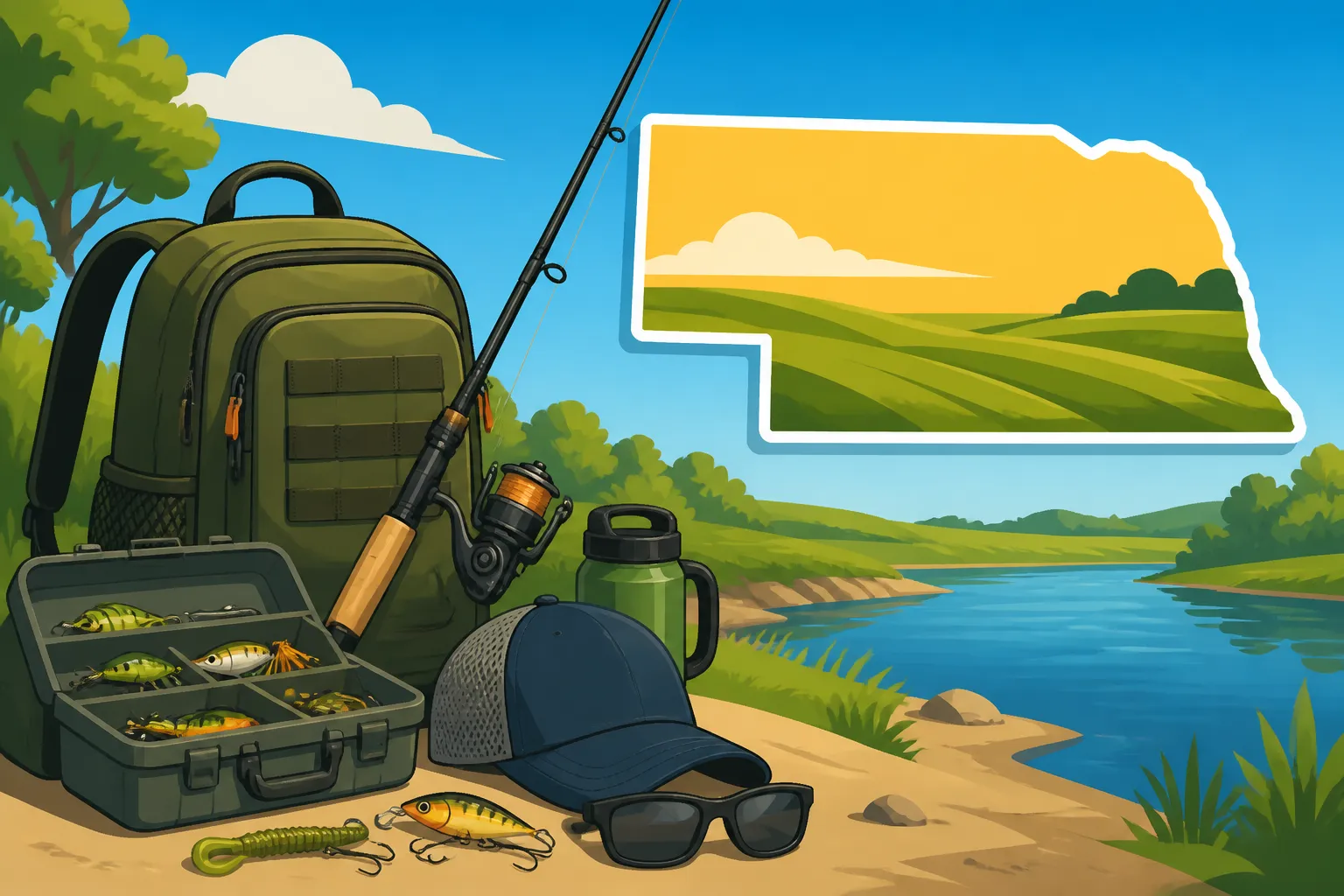
Your tackle box or bag doesn't need to hold every lure you've ever bought. For a day on the bank, focus on a core selection that covers your bases. This usually means a variety of hooks (J-hooks, circle hooks in different sizes), an assortment of weights (split shots, bullet weights, bell sinkers), swivels, and a few bobbers. Beyond the terminal tackle, pack 3-5 of your most reliable lures or baits. If you're targeting panfish, a few small jigs and some crappie tubes will do. If catfish are your goal, bring plenty of cut bait and stink bait rigs. For bass, a couple of plastic worms, a spinnerbait, and a crankbait should suffice. The key is to be adaptable without carrying the entire store.
A small, organized tackle bag or a compact plastic tackle box with adjustable compartments works wonders. It helps keep things neat and easily accessible, so you're not fumbling when the fish are biting. A good Best Tackle Box Setup for Nebraska Anglers can save you a lot of grief. Remember to also bring a small pair of line clippers or scissors, as they're surprisingly easy to forget but indispensable when rigging up.
Bait and Scent: Keeping it Fresh and Ready
The bait you choose largely depends on your target species, but a full day of fishing means keeping that bait fresh and accessible. If you're using live bait like worms or minnows, a small, insulated bait cooler or a dedicated bait bucket is a must. Worms need to stay cool and moist, while minnows require aeration if you're keeping them for more than a couple of hours. These containers don't need to be huge, just efficient.
For artificial baits, keep them in their original packaging or small, dedicated tackle compartments to prevent them from drying out or getting tangled. Scent attractants can also make a big difference, especially for species like catfish or walleye. A small bottle of your preferred scent can easily fit in your tackle bag and be applied as needed to soft plastics or even live bait for an extra edge. Don't forget a rag or an old towel for wiping your hands after handling bait – it's a small detail that makes a big difference in comfort!
Personal Comfort and Safety Gear You Can't Forget
Being out on the bank all day, you're exposed to the elements, and comfort and safety are just as important as your fishing gear. No one wants to cut a trip short because they're hungry, parched, or dealing with a preventable injury.
Hydration and Snacks: Fueling Your Adventure
A full day outdoors requires proper hydration and nourishment. Always pack more water than you think you'll need, especially during Nebraska's warm summers. A reusable water bottle or a small cooler with ice for bottled water and other beverages is essential. Dehydration can creep up quickly and severely impact your concentration and enjoyment.
For food, opt for non-perishable snacks that are easy to eat on the go. Granola bars, trail mix, fruit (apples, oranges), and sandwiches are excellent choices. Avoid anything that requires extensive preparation or refrigeration, unless you've got a larger cooler set up. Eating regularly helps maintain energy levels and keeps your spirits up, even if the fish aren't cooperating.
Weather Protection: Staying Ahead of the Elements
Nebraska weather can be unpredictable, swinging from sunny and calm to windy and rainy in a matter of hours. Layers are your best friend. Even on a warm morning, packing a light jacket or a long-sleeved shirt is smart; it can protect you from cool breezes, sudden temperature drops, and even intense sun. A waterproof rain jacket or poncho is an absolute must-have. You don't want to be caught in a sudden downpour miles from your vehicle.
Sun protection is equally critical. A wide-brimmed hat or a baseball cap, along with plenty of sunscreen, will protect your skin from harmful UV rays. Don't forget polarized sunglasses. They not only protect your eyes but also dramatically reduce glare on the water, allowing you to see submerged structure or even cruising fish. Good polarized sunglasses, often available on Amazon, are a game-changer for sight fishing and overall eye comfort.
First Aid and Essentials: Prepared for the Unexpected
Even a minor mishap can turn a great day sour. A small, basic first aid kit is non-negotiable. It should include band-aids, antiseptic wipes, pain relievers, and perhaps some moleskin for blisters if you're doing a lot of walking. A pair of small pliers or forceps is invaluable for removing hooks from fish, but also potentially from yourself if an accident occurs.
Beyond first aid, remember bug spray. Nebraska is known for its mosquitoes and other biting insects, especially near water. A good quality repellent can make your experience infinitely more pleasant. Hand sanitizer is also a good addition for quick clean-ups before eating or after handling bait and fish. For safety, it’s always a good idea to let someone know where you’re going and when you expect to return, especially if you’re heading to a more remote spot.
Practical Tools and Accessories for a Smoother Day
With the core fishing gear and personal essentials covered, let's look at those useful extras that really elevate your bank fishing experience from good to great. These items are about making the process smoother, more efficient, and more enjoyable.
Fish Handling and Measurement: Respecting the Catch
Whether you're practicing catch and release or planning a delicious shore lunch, responsible fish handling is paramount. A small, lightweight landing net is incredibly helpful, especially when dealing with larger fish that might snap your line at the bank's edge. It provides a secure way to bring fish in without stressing your tackle or harming the fish by dragging it up dry land. Look for nets with rubberized or knotless mesh to protect the fish's slime coat. Best Landing Nets for Big Fish can guide your choice.
Once a fish is landed, a pair of fishing pliers or a de-hooking tool makes hook removal quick and safe for both you and the fish. If you’re interested in keeping track of your catches or adhering to length limits, a simple measuring tape or a fish ruler is a must. Always consult the Nebraska Fishing Daily Bag and Possession Limits before heading out to understand what you can keep.
Seating and Storage: Comfort and Organization on the Bank
Bank fishing often means long periods of standing or sitting on uneven terrain. A lightweight, foldable fishing chair or a sturdy bucket with a padded lid can provide much-needed comfort. The bucket can also double as storage for your bait, extra tackle, or even as a makeshift cooler. Some anglers prefer a backpack-style tackle bag, which keeps hands free for carrying rods and makes traversing uneven ground much easier.
Consider a multi-compartment backpack designed for fishing. Many have dedicated rod holders, external pockets for water bottles, and larger main compartments for your tackle, snacks, and extra clothing. This organized approach minimizes fumbling and ensures everything has its place, so you can focus on fishing.
License and Documentation: The Absolute Must-Have
This is a non-negotiable item, yet one that anglers sometimes forget or overlook. You absolutely need a valid Nebraska fishing license to fish in public waters, unless you're exempt (e.g., during a Free Fishing Day or certain age groups). Having your license with you, whether a physical copy or digital proof on your phone, is crucial. Conservation officers do check licenses, and fishing without one can result in hefty fines.
Along with your license, it's wise to carry a copy of the current Nebraska Fishing Guide or at least be familiar with the regulations, especially regarding bag limits, length limits, and any special area rules for the body of water you're fishing. The Nebraska Game and Parks Commission website is a great resource, and many vendors where you purchase a license, like local sporting goods stores, will provide a physical copy. Knowing the rules beforehand prevents accidental violations and ensures a responsible fishing experience. Nebraska Fishing License Guide and Nebraska Fishing Regulations Explained offer more details on this essential requirement.
Tailoring Your Pack for Nebraska's Diverse Waters
Nebraska offers a variety of fishing environments, from vast reservoirs to winding rivers and serene farm ponds. While the core gear remains consistent, a few tweaks can make your bank fishing pack perfectly suited to your chosen destination.
Pond and Lake Specifics: Generalist Approach
For smaller ponds and many larger lakes, a generalist approach often works best for bank fishing. These waters often hold a mix of panfish, bass, and channel catfish, making a versatile medium-light to medium spinning setup ideal. When targeting ponds, consider packing more bobbers and smaller jigs for panfish, as well as a few plastic worms or topwater lures for bass that might be cruising the shallow edges.
Lakes like Branched Oak Lake or Holmes Lake in Lincoln offer varied shoreline access, and understanding the depth changes near the bank can inform your lure selection. If you know there are deeper drop-offs close to shore, you might bring some heavier jigs or crankbaits to probe those depths. Focus on presentation versatility: being able to fish both shallow and slightly deeper water from your bank spot without needing to change your entire setup.
River Fishing Considerations: Current and Structure
Fishing Nebraska's rivers, like the Platte or the Missouri, from the bank presents unique challenges due to current and often snag-filled bottoms. You'll want to pack heavier sinkers to keep your bait in place, or consider drift fishing techniques that allow your bait to move naturally with the current. Nebraska Drift Fishing Techniques for Rivers provides excellent advice here.
For river fishing, a more robust rod and reel setup might be beneficial, especially if targeting species like flathead catfish or large carp that thrive in strong currents. Braided line is often favored for its strength and abrasion resistance against rocks and logs. Pliers for hook removal are even more critical when dealing with powerful river species. If you plan to wade, make sure to include Best Waders for River Fishing in Nebraska in your gear list, along with appropriate wading boots for secure footing on rocky or muddy bottoms.
Specific Species Focus: Fine-Tuning Your Tackle
While a generalist approach is great for many bank fishing scenarios, if you're specifically targeting a particular species for a full day, you can fine-tune your tackle selection.
- For Walleye: If you're hitting Lake McConaughy or another walleye hotspot from the bank, focus on jigs, crawler harnesses, and slender crankbaits. Consider bringing a few specialized walleye rigs and some minnows or nightcrawlers. Walleye often hug structure, so understanding the bottom contours of your bank spot can be key. A good depth finder, even a portable one, can give you an edge, though they are less common for strict bank fishing. You might review How to Fish From the Bank Without a Boat for tactics specific to finding walleye from shore.
- For Catfish: When dedicating a day to channel or flathead catfish, you'll want plenty of strong hooks (circle hooks are excellent for catfish), heavy weights, and your chosen stink bait or cut bait. A sturdy rod holder for the bank is a game-changer for catfishing, allowing you to set multiple lines and relax while waiting for a bite. Don't forget a large landing net for these powerful fish.
- For Bass: If bass are your primary target, bring a variety of soft plastics (worms, creature baits), a spinnerbait, and maybe a topwater frog or popper for early morning or evening action. Focus on areas with cover like lily pads, submerged timber, or rocky shorelines.
By considering the specific characteristics of your chosen Nebraska fishing spot and your target species, you can pack a truly optimized bank fishing bag, minimizing unnecessary weight while maximizing your chances of a successful and comfortable day on the water.
| Category | Must-Haves | Nice-to-Haves | Species-Specific Additions (Example) |
|---|---|---|---|
| Fishing Gear | Rod(s) & Reel(s) | Spare spool with different line | Walleye: Crawler harnesses, slender crankbaits |
| Tackle Box/Bag (hooks, weights, swivels) | Portable rod holder | Catfish: Heavy sinkers, circle hooks, stink bait | |
| Line clippers/scissors | Small fish finder (portable) | Bass: Topwater lures, creature baits | |
| Preferred Bait (live or artificial) | Bait aerator (for minnows) | ||
| Personal Essentials | Valid Fishing License | Insulated coffee mug | |
| Water (ample supply) | Camp chair or padded bucket | ||
| Snacks | Small camera | ||
| Sunscreen, Hat, Polarized Sunglasses | |||
| Rain Gear (jacket/poncho) | |||
| Basic First Aid Kit | |||
| Bug Spray | |||
| Tools & Accessories | Pliers/De-hooker | Fish stringer or livewell bag | |
| Measuring Tape/Ruler | Small knife | ||
| Small Landing Net | Small towel/rag | ||
| Headlamp/Flashlight (for evening/night) | Small trash bag (pack it in, pack it out!) |
Disclaimer
This article is for general informational purposes only and does not constitute professional advice. Laws, prices and regulations vary by location and change over time. Consult a qualified professional for guidance on your specific situation.