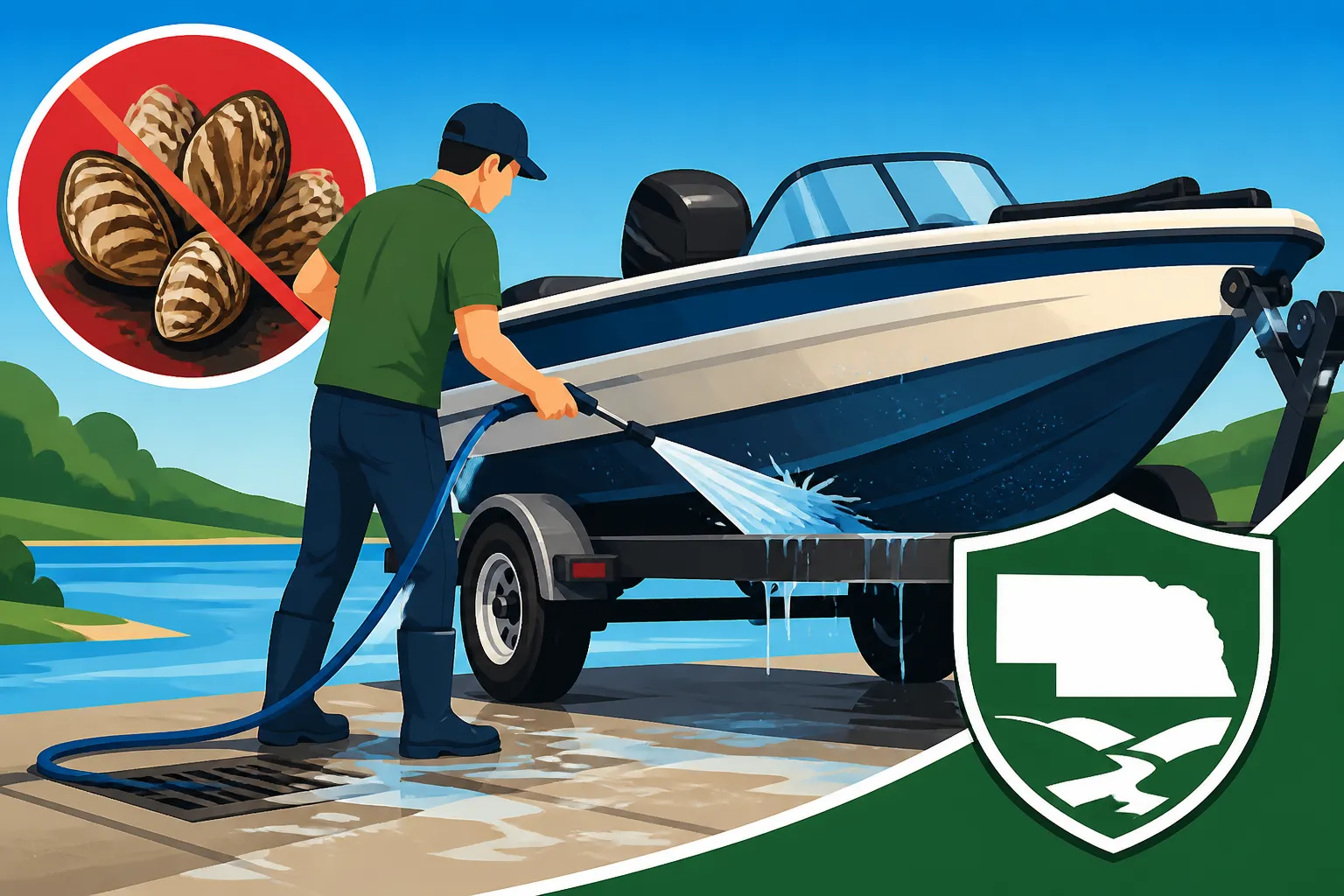
How to Clean a Boat to Prevent Zebra Mussels in Nebraska
Nothing throws a wrench into a relaxing day on the water quite like the thought of tiny invaders silently hitchhiking on your boat. Zebra mussels, those unassuming little creatures, pose a very real and significant threat to Nebraska's beautiful lakes and rivers, and if you're not careful, your boat could be an unwitting accomplice in their spread. This guide is all about giving you the practical, step-by-step knowledge you need to effectively clean your boat and prevent these destructive aquatic invasive species from taking root in new waters.
The Hidden Threat: Why Zebra Mussels Matter in Nebraska's Waters
It's easy to dismiss a tiny mollusk, but zebra mussels are a force to be reckoned with. They're not just a nuisance; they're an ecological and economic menace that can wreak havoc on Nebraska's waterways. Understanding just how serious this threat is can really drive home the importance of thorough boat cleaning.
Understanding the Zebra Mussel Problem
Zebra mussels (and their close cousin, quagga mussels) are invasive species, meaning they are not native to Nebraska or North America. They were introduced accidentally and have since spread rapidly, largely due to human activity – primarily through recreational boating. These mussels are incredibly prolific breeders, attaching themselves to almost any hard surface using strong, sticky byssal threads. They can reproduce quickly and in massive numbers, forming dense colonies that completely alter aquatic environments.
Once a body of water is infested, it's almost impossible to eradicate them. Think about it: these tiny creatures can cling to boat hulls, motors, anchor ropes, fishing gear, and even trailer frames, often going unnoticed. When you then move your boat to another lake or river, you're essentially giving these invasive species a free ride to a new habitat, where they can quickly establish a new population. It's a silent invasion, one that starts small but grows exponentially, impacting everything from water quality to fishing opportunities.
The Devastating Impact on Nebraska's Ecosystems and Infrastructure
The consequences of a zebra mussel infestation are far-reaching and incredibly costly. Environmentally, they are filter feeders, meaning they consume vast amounts of plankton – the base of the aquatic food web. While clear water might sound nice, it's actually detrimental because it starves native fish and other aquatic organisms that rely on plankton for food. This disrupts the natural balance, leading to declines in native fish populations like walleye, crappie, and bass. They can also attach to native mussels and crayfish, smothering them and eliminating local species.
Beyond the ecosystem, zebra mussels cause significant infrastructure problems. They colonize water intake pipes, clog irrigation systems, foul hydroelectric facilities, and attach to docks, buoys, and other submerged structures. Cleaning and maintaining this infrastructure becomes an ongoing, expensive battle. For recreational anglers and boaters, they make swimming areas unpleasant with their sharp shells, damage boat hulls, clog engine cooling systems, and make shorelines hazardous. Imagine pulling your boat out of the water only to find its hull covered in razor-sharp shells, or having your engine overheat because mussels have completely blocked the intake. That's the real frustration and expense they bring.
The "Clean, Drain, Dry" Protocol: Your First Line of Defense
When it comes to fighting aquatic invasive species like zebra mussels, the mantra is simple: Clean, Drain, Dry. This three-step process is your most effective weapon, and consistently following it every time you move your boat or gear between bodies of water is absolutely crucial for protecting Nebraska's precious waterways.
Step 1: Clean – Removing All Visible Biota
This step is about physically removing anything that shouldn't be traveling with you. As soon as you pull your boat out of the water, and before leaving the launch area, take a moment to inspect your entire boat and trailer.
- Inspect and Remove: Look for any visible mud, plants, or aquatic organisms. This isn't just about mussels; it's about anything alive or organic that could be carrying microscopic larvae or seeds. Pay close attention to the hull, prop, lower unit, anchor, anchor rope, and any fishing lines or nets. Even a tiny fragment of a plant can hold invasive species.
- Scrubbing and Scraping: Use a brush or scraper to remove any attached organisms. For mussels, sometimes they're too small to see, but a thorough scrub can dislodge them. You can pick up a sturdy brush designed for boat cleaning from stores like Bass Pro Shops or even general retailers like Amazon. Don't forget the trailer! Axles, fenders, and the bunks where your boat rests are prime hiding spots for hitchhiking critters.
- Power Washing (if available): If you have access to a power washer at the ramp or once you get home, this is an excellent way to blast away unseen larvae and small organisms. Focus on areas that are difficult to reach by hand. Remember, even microscopic larvae, called veligers, can survive in small pockets of water and become fully grown adults if transferred to a new lake.
Step 2: Drain – Eliminating Standing Water
This is often the most overlooked, yet critical, step. Zebra mussel larvae can survive in even a small amount of standing water. Think of every nook and cranny where water can accumulate on your boat.
- Open All Drain Plugs: Immediately upon exiting the water, pull your boat's drain plug. Let all water completely drain from the bilge, livewells, and any internal compartments. This includes the hull, motor, and any water intake lines.
- Empty Livewells and Bait Buckets: If you've been using a livewell, completely empty it of water and any fish. Bait buckets also need to be emptied and dried. Never transport live bait water from one body of water to another. Many fishing regulations prohibit the transfer of baitfish between waters precisely because of this risk.
- Tilt Your Engine: Trim your outboard or stern drive engine down to allow all water to drain from the cooling system. If you have an inboard motor, ensure all cooling system drains are opened.
- Drain All Other Gear: Any containers, coolers, or other gear that held water from the lake or river need to be completely drained. Tip them over and let them air out.
Step 3: Dry – The Final and Most Crucial Step
Drying is the ultimate killer of aquatic invasive species. Without water, these organisms cannot survive. This step requires patience but is absolutely essential.
- Air Dry Completely: The best defense against zebra mussels is to allow your boat and all gear to dry completely for an extended period. The recommended drying time can vary depending on conditions like temperature and humidity, but generally, 5 to 7 days in dry, warm weather is ideal. In cooler or humid conditions, it might take even longer, potentially weeks.
- Wipe Down Surfaces: Use towels to wipe down all wet surfaces, especially those that might retain moisture. This includes the inside of livewells, storage compartments, and any areas where water might pool.
- Consider a Hot Water Rinse: If you're really concerned, or if you've been in a known infested lake and need to launch quickly in another water body, a hot water rinse (140°F or higher) can kill zebra mussels and their larvae. This isn't always practical at a ramp, but can be done at home. Always check manufacturer recommendations for your boat and engine before using extremely hot water.
- Check Nebraska Aquatic Invasive Species Stamp information for any specific guidelines regarding drying times or required decontamination procedures for certain waters.
A Detailed Guide to Cleaning Every Part of Your Boat
Every part of your boat and trailer can be a potential hiding spot for zebra mussels and other aquatic invaders. A truly effective cleaning routine addresses all these areas systematically.
Hull and Exterior Surfaces
The hull is the most obvious target for mussels. They love to attach to any hard, submerged surface.
- Initial Inspection: Before you even leave the ramp, walk around your boat. Are there any visible clumps of vegetation or suspicious-looking bumps on the hull, propeller, or trim tabs? Don't be shy about getting a little wet or using a long-handled brush to reach under the boat while it's still partially in the water.
- Scrubbing and Wiping: Once on the trailer, thoroughly scrub the entire hull. Pay extra attention to the waterline, where mussels are most likely to attach, and any areas with barnacles or algae. A stiff-bristled brush is excellent for this. Don't forget the bottom of your keel and any transducers. Wipe down all exterior surfaces with a clean rag to remove any lingering moisture.
- Trailer Care: Your trailer is just as important as your boat. Zebra mussels and plants can easily cling to the frame, axles, rollers, and bunks. Power wash or thoroughly scrub the entire trailer, especially the parts that contact the water or ground. This is also a good time to review Nebraska Boat Registration and Equipment Requirements to ensure your trailer is compliant for travel.
Engine and Cooling Systems
The intricate passages within your engine's cooling system are perfect places for zebra mussels to settle and grow, leading to overheating and costly damage.
- Flush the Engine: Most outboard and stern drive engines have a flushing port. Connect a garden hose and run the engine (or just flush it if it's an outboard with 'ear muffs') according to the manufacturer's instructions to flush out the cooling system with clean, fresh water. This helps remove any larvae or debris.
- Drain All Water: After flushing, ensure all water has completely drained from the engine. For outboards, trim the engine all the way down. For inboards, open all raw water intake and exhaust drains. This is crucial for preventing freezing damage in colder months too.
- Inspect the Propeller: Zebra mussels can attach to propeller blades, affecting performance and potentially damaging the prop. Thoroughly inspect and clean your propeller and prop housing.
Livewells, Bilges, and Interior Compartments
These enclosed spaces hold water and provide a dark, moist environment where invasive species can thrive unseen.
- Livewell Decontamination: Completely drain your livewell and remove any fish, bait, or debris. Scrub the interior surfaces thoroughly. Some anglers use a diluted bleach solution (about 1/2 cup bleach per gallon of water) to sanitize livewells, but be sure to rinse thoroughly multiple times with fresh water afterward to protect future fish. Let it air dry with the lid open.
- Bilge Cleaning: Ensure your bilge is completely free of standing water. If there's any debris or mud, clean it out. A wet/dry vac can be useful for stubborn pockets of water. Leave the bilge plug out during transport and while stored to promote drying.
- Storage Compartments: Check any rod lockers, storage compartments, or cooler spaces. If they contained water or wet gear, drain and dry them completely. What to Check Before Launching a Boat in Nebraska often includes ensuring these areas are clean and dry.
Fishing Gear, Anchors, and Trailers
It's not just the boat; anything that touches the water can carry invasive species.
- Fishing Gear: Rods, reels, tackle boxes, and especially nets and waders, can transport larvae or plant fragments. Rinse all fishing gear with fresh water. Allow nets and waders to dry completely in the sun. If you used a fishing net in an infested lake, consider soaking it in a diluted bleach solution (again, rinse thoroughly!) or hot water before drying.
- Anchors and Ropes: These are classic culprits. Zebra mussels will readily attach to anchor ropes and chains. Always rinse your anchor and rope thoroughly with fresh water, and inspect the rope for any clinging organisms or plant matter. Let them dry completely before stowing.
- Trailer Tires and Fenders: Even the treads of your trailer tires can harbor mud and plant seeds. Give them a good spray down. The fenders and frame often collect debris from the road and the launch ramp.
| Boat/Gear Component | "Clean" Actions | "Drain" Actions | "Dry" Actions |
|---|---|---|---|
| Hull/Exterior | Scrub visible mussels, plants, mud. Power wash. | N/A (assuming it's out of water) | Air dry completely (5-7 days optimal). Wipe down with towels. |
| Engine (Outboard/IO) | Inspect prop, lower unit for mussels/plants. | Flush cooling system with fresh water. Trim down. | Allow ample time for internal systems to dry. |
| Livewells/Bilge | Remove all fish, bait, debris. Scrub surfaces. | Open all drain plugs. Use wet/dry vac for residual water. | Leave plugs out, lids open for complete air circulation and drying. |
| Anchors/Ropes | Rinse thoroughly with fresh water. Inspect for mussels. | Allow water to drip off. | Spread out anchor ropes/chains in sun to dry. |
| Fishing Gear (Nets/Waders) | Rinse thoroughly. Scrub any visible debris. | Hang to allow water to drip off. | Lay flat or hang in direct sunlight for several days until bone dry. |
| Trailer | Power wash or scrub frame, axles, bunks, tires. | N/A | Allow entire trailer to air dry. Drive slowly initially to help shed water. |
Essential Tools and Supplies for Effective Decontamination
Having the right gear makes the "Clean, Drain, Dry" process much easier and more effective. You don't need a huge arsenal, but a few key items will go a long way.
- Stiff-Bristled Brush: This is your primary weapon for scrubbing away stubborn algae, mud, and any attached mussels from your hull and trailer. Look for one with a long handle to reach difficult spots. You can find excellent boat brushes at marine supply stores or through online retailers like Amazon.
- Garden Hose with Spray Nozzle: Essential for rinsing your boat, flushing your engine, and cleaning gear. A high-pressure nozzle can help dislodge debris.
- Power Washer (Optional, but highly recommended): If you have access to one, a power washer can significantly enhance your cleaning efforts, especially for hard-to-reach areas and quickly removing stubborn grime or invisible larvae.
- Towels or Microfiber Cloths: For wiping down surfaces and ensuring complete drying, especially in livewells and storage compartments.
- Gloves: Protect your hands, especially when scrubbing sharp mussel shells or handling cleaning solutions.
- Scraper: A plastic or metal scraper (use carefully on painted surfaces) can help remove larger clumps of mussels or stubborn debris.
- Bucket: Useful for mixing cleaning solutions or simply holding water for rinsing small items.
- Engine Flushing Kit (Muffs): For outboard motors, these allow you to connect a hose and run fresh water through your engine's cooling system while it's out of the water.
You can often find these items in a marine section of a sporting goods store, or even major big box retailers. For specialized boat cleaning products, consider checking out Bass Pro Shops for a wide selection.
Staying Compliant: Nebraska's Aquatic Invasive Species Regulations
Nebraska takes the threat of aquatic invasive species very seriously, and for good reason. It's not just about protecting our environment; it's about protecting our fishing heritage and the recreational opportunities we all enjoy. As a boater, understanding and following the regulations isn't just good practice; it's the law.
Understanding the "Stop Aquatic Hitchhikers!" Campaign
The "Stop Aquatic Hitchhikers!" campaign is a nationwide initiative that Nebraska actively supports. It's designed to raise awareness about aquatic invasive species and educate boaters on the simple steps they can take to prevent their spread. The core message aligns perfectly with the "Clean, Drain, Dry" protocol. You'll see signs at boat ramps across the state reminding you of these critical steps. It’s a collective effort, and every angler and boater has a role to play. Remember that compliance means being prepared, and part of that preparedness might include understanding the Nebraska Aquatic Invasive Species Stamp Cost and ensuring your boat has the necessary documentation.
Penalties for Non-Compliance
Ignoring aquatic invasive species prevention rules can lead to serious consequences. Nebraska, like many states, has laws in place to penalize individuals who knowingly or unknowingly transport aquatic invasive species. Fines can be substantial, and in some cases, your boat or equipment could even be quarantined. Enforcement officials, such as game wardens, are vigilant at boat ramps, especially in areas near known infestations or at popular lakes. They may conduct inspections to ensure compliance. It's crucial to always refer to the most current Nebraska Fishing Regulations Explained and boating rules published by the Nebraska Game and Parks Commission, as regulations can be updated.
For example, if you're traveling from a state with heavy zebra mussel infestations, and you don't properly clean and drain your boat, you could face penalties when you try to launch in Nebraska. This is why rules like Do Out-of-State Boats Need an Inspection in Nebraska? exist – to add an extra layer of protection. It’s always best to err on the side of caution. A little effort at the ramp can save you a lot of headache, fines, and potentially, irreversible damage to Nebraska's waters.
By consistently practicing the "Clean, Drain, Dry" method, you're not just protecting your own investment and avoiding potential penalties; you're becoming a steward of Nebraska's natural resources, ensuring that future generations can enjoy the same pristine waters and abundant fishing opportunities that we do today.
Disclaimer
This article is for general informational purposes only and does not constitute professional advice. Laws, prices and regulations vary by location and change over time. Consult a qualified professional for guidance on your specific situation.