What to Check Before Launching a Boat in Nebraska
There's nothing quite like the feeling of anticipation as you hook up your boat and head out for a day of fishing on one of Nebraska's beautiful lakes or rivers. That excitement can quickly turn into frustration, however, if you pull up to the boat ramp at Lake McConaughy or Branched Oak Lake, ready to hit the water, only to realize you've forgotten a critical piece of safety gear or, worse, your registration isn't up to snuff. Before you even think about backing that trailer down the ramp, there are some absolutely vital checks you need to make to ensure a smooth, safe, and legal day on the water. This comprehensive guide will walk you through everything you need to check before launching your boat in Nebraska, helping you avoid headaches and potential fines.
Essential Documentation and Permits
One of the quickest ways to ruin a perfect fishing day is to be stopped by a Nebraska Game and Parks Commissioner and discover your paperwork isn't in order. It's not just about avoiding fines; it's about being a responsible boater and angler.
Boat Registration and Decals
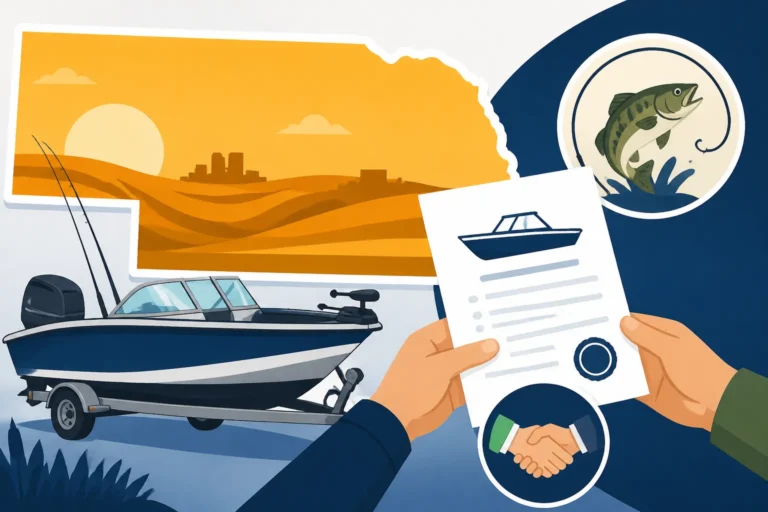
First and foremost, your boat absolutely needs current registration. This isn't just a suggestion; it's a legal requirement for most motorized vessels and even some non-motorized ones. Think about it: every year, you renew your vehicle's tags, and your boat is no different. You need to ensure your registration is up-to-date and that your official decals are properly affixed to your boat's bow. These decals aren't just for show; they signify that your boat is legally recognized to be on Nebraska's public waters.
Forgetting to renew your registration or misplacing your documentation can lead to a lot of wasted time and even a citation. Imagine you've driven all the way to Merritt Reservoir for a long weekend, only to discover your registration expired last month. Now you're faced with a tough choice: risk a fine, or spend precious fishing time trying to sort out an emergency registration, which might not even be possible on the spot. It's a preventable stressor that can really put a damper on your plans. Always make a habit of checking your registration card a few weeks before your first outing of the season. You can find more detailed information in our guide on Nebraska Boat Registration and Fishing Rules.
Aquatic Invasive Species Stamp
Nebraska takes the threat of aquatic invasive species (AIS) very seriously, and for good reason. These non-native plants and animals, like zebra mussels or Eurasian watermilfoil, can wreak havoc on our delicate ecosystems, harm native fish populations, and even clog water intake pipes. To combat this, Nebraska requires most boaters to have an Aquatic Invasive Species Stamp. This isn't just another fee; it's a direct investment in protecting the health of our lakes and rivers for future generations of anglers and boaters.
This stamp applies to all motorized boats and personal watercraft, as well as non-motorized vessels over 10 feet in length, like canoes, kayaks, and paddleboards, when they're operated on Nebraska waters. So, whether you're bringing your bass boat to Lake McConaughy or your trusty kayak to the Platte River, you likely need this stamp. The funds generated go directly into prevention, education, and control efforts. Make sure to purchase yours online through the GoOutdoorsNE system or from an authorized vendor. It's a small price to pay to help preserve the incredible fishing opportunities we have here. Dive deeper into this topic with our article, Nebraska Aquatic Invasive Species Stamp.
Personal Fishing Licenses
While this might seem obvious, it's worth a specific mention: anyone on your boat who is actively fishing needs a valid Nebraska fishing license. This isn't a "one license per boat" kind of deal. If your kids are casting lines, if your spouse is dropping a jig, or if your buddy from out of state is trying his luck, they all need their own current license, unless they fall under specific exemptions like very young children or during Nebraska's Free Fishing Day.
It's easy to overlook this detail in the rush of packing gear and getting everyone organized. There's nothing worse than having a fantastic day on the water, only to get back to the ramp and realize your guest forgot their license. The conservation officers aren't going to look kindly on that oversight, and it could lead to an uncomfortable situation. Before you leave the driveway, do a quick check-in with everyone on board: "Got your license?" It's a simple question that can save a lot of grief. Make sure you understand all the nuances by checking out our Nebraska Fishing License Guide.
Safety Equipment Requirements
Beyond the paperwork, safety on the water is paramount. Nebraska has specific requirements for safety equipment on boats, designed to protect everyone in case of an emergency. Don't just meet the minimum; think about what you truly need for the waters you'll be fishing.
Life Jackets (Personal Flotation Devices – PFDs)
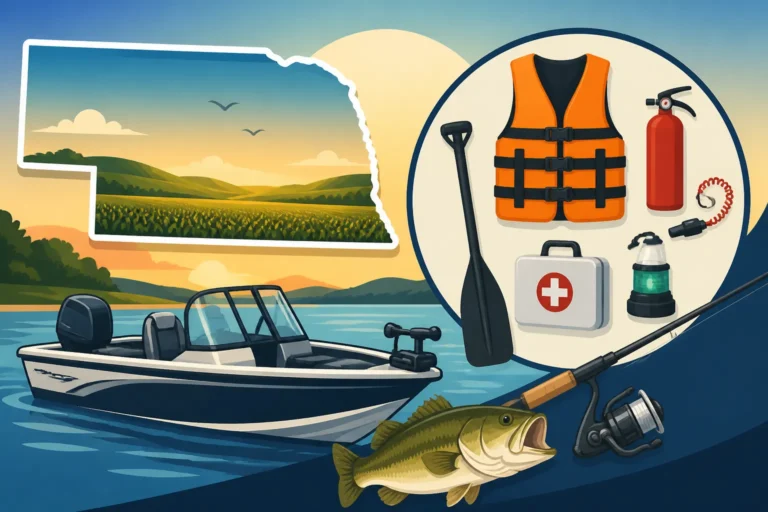
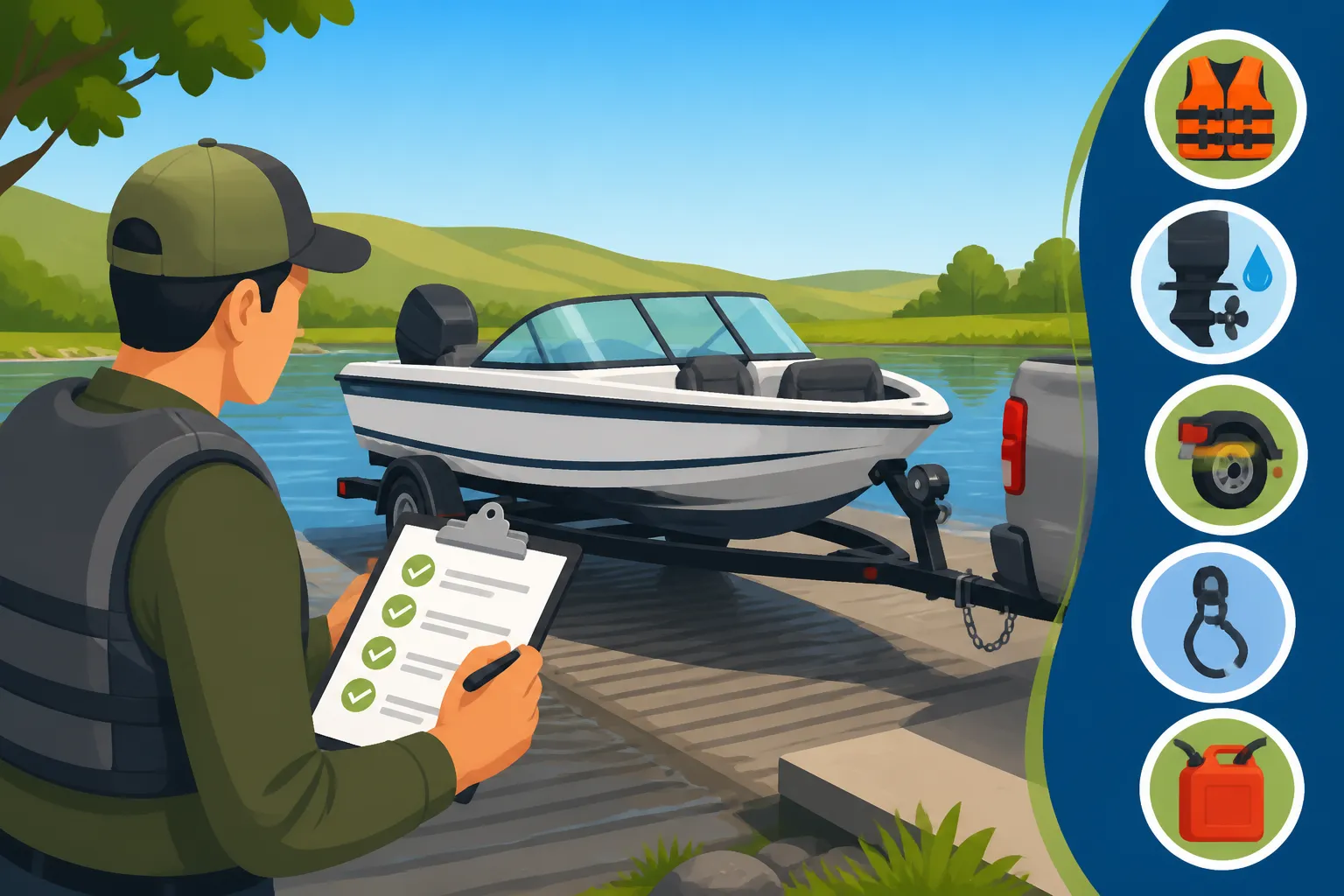
This is a non-negotiable item. Every single person on board your vessel must have an accessible, properly fitting U.S. Coast Guard-approved Personal Flotation Device (PFD), commonly known as a life jacket. And by "accessible," we don't mean buried under a pile of tackle boxes or stuffed deep in a storage compartment. They need to be readily available for immediate use. For children under 13, the rule is even stricter: they must wear a PFD at all times when the vessel is underway.
Choosing the right life jacket isn't just about meeting the legal requirement; it's about comfort and functionality. A well-fitting PFD is one that someone will actually wear. Consider different types: Type I for offshore, Type II for nearshore, Type III for flotation aids (often vests for watersports), and Type IV for throwable devices. While Type IV devices like seat cushions are good to have as an extra, they don't count toward the required PFDs for each person. Always double-check the sizing, especially for kids, as they grow quickly. You can often find a great selection of PFDs at stores like Bass Pro Shops, or browse options on Amazon for convenience. For a full breakdown of requirements, see How Many Life Jackets Are Required on a Nebraska Boat?.
Sound-Producing Device and Visual Distress Signals
Imagine you're out on a big lake like Lewis and Clark Lake, the fog rolls in unexpectedly, or another boat is heading straight for your path without seeing you. How do you alert them? A sound-producing device is your answer. All boats in Nebraska must carry a sound-producing device (like a horn or whistle) capable of producing a two-second blast audible for at least half a mile. This is crucial for signaling in reduced visibility or to warn other boaters of your presence.
For boats 16 feet or longer, visual distress signals (VDS) are also required for nighttime operation. These could be flares, an electric distress light, or other Coast Guard-approved devices. While not required for smaller vessels or during daylight on inland waters, having a basic VDS like a mirror for daytime signaling is always a smart move. These tools are often overlooked but can be absolutely vital in an emergency situation. Knowing these requirements is part of being a responsible boater, and you can learn more by consulting our article Required Safety Equipment on a Nebraska Boat.
Fire Extinguisher and Oar/Paddle
For certain vessels, a fire extinguisher is another mandatory safety item. Specifically, if your boat has an inboard engine, a permanently installed fuel tank, closed compartments where flammable or explosive vapors could accumulate (like under seats or a closed locker), or double bottoms not sealed to the hull, you'll likely need a Coast Guard-approved marine fire extinguisher. Fires on the water, while rare, can be incredibly dangerous and spread quickly, so having the right equipment to suppress one is critical.
Beyond fire safety, consider backup propulsion. Even if you have a powerful outboard motor, things can go wrong. A dead battery, a fouled propeller, or an empty fuel tank can leave you stranded. That's why having an oar or paddle on board, even for motorized boats, is a wise decision. It provides a simple, reliable way to propel your boat to safety, especially if you're close to shore or trying to maneuver around a launch ramp. It's not always a legal requirement, but it’s a pragmatic one that can save you a lot of grief and prevent you from calling for a tow. Check out Nebraska Boat Safety Equipment Requirements for a broader overview of essential safety gear.
Boat Condition and Mechanical Checks
Before you even think about putting your boat in the water, a thorough inspection of its mechanical integrity can prevent a perfect day from turning into a frustrating ordeal. Breakdowns on the water are more than inconvenient; they can be dangerous.
Engine and Fuel System Inspection
Your engine is the heart of your boat, and it deserves a quick check before every outing. Start by looking at your oil levels. Low oil can lead to serious engine damage. Next, inspect your fuel lines for any cracks, leaks, or signs of wear. A leaky fuel line isn't just inefficient; it's a major fire hazard. Also, ensure your battery terminals are clean and tight. Loose connections are a common cause of unexpected power loss. And of course, the most basic check: do you have enough fuel? It sounds simple, but many an angler has been caught off guard, especially on larger bodies of water where getting back to a fuel dock can be a long journey.
Running out of gas or having an engine conk out in the middle of Lake McConaughy can quickly turn your fishing trip into a survival exercise, especially if the weather changes. Always fill up your tank the day before your trip and carry a small, approved reserve fuel can if you're planning a long day or heading to a remote area. A few minutes spent on these basic checks before leaving home can save you hours of trouble on the water.
Lights, Horn, and Bilge Pump
These might seem like minor details until you desperately need them. If you plan to be out during low light conditions – think dawn for walleye or dusk for catfish – your navigation lights are non-negotiable. Check that your bow (red and green) and stern (white) lights are working correctly. A simple test with the ignition on can confirm this. Similarly, give your horn a quick blast. Is it working? This is your primary warning signal to other vessels.
Then there's the unsung hero: the bilge pump. This vital piece of equipment keeps your boat dry, removing any water that might accumulate from rain, waves, or leaks. Before launching, make sure it activates manually and, if it has an automatic float switch, confirm that's working too. If your bilge pump isn't functioning, even a small amount of unexpected water can become a major problem, affecting buoyancy and stability. Always test these critical systems before you're in a situation where you rely on them.
Drain Plug and Hull Integrity
This is perhaps the most famous, or infamous, pre-launch check. Many veteran boaters have a story, usually a cringe-worthy one, about forgetting the drain plug. It sounds silly, but in the excitement of getting on the water, it's incredibly easy to overlook. Before you back your boat down the ramp, always, always, always confirm your drain plug is securely in place. You can even make it a visual reminder by having a "drain plug in?" sticker on your dashboard or tying a reminder to your steering wheel.
Beyond the plug, take a moment to visually inspect your boat's hull, both above and below the waterline if possible, for any new dings, cracks, or damage from trailering or previous outings. A small crack can quickly become a big problem when subjected to water pressure. Also, check for any excessive growth or debris on the hull, especially if it's been stored for a while. A clean hull is a happy, efficient hull.
Trailer and Launch Area Preparedness
Your boat doesn't just magically appear on the water; it gets there via a trailer. Ensuring your trailer is in good working order and you understand the launch conditions is just as important as checking the boat itself.
Trailer Lights, Tires, and Straps
Your trailer is a vehicle unto itself and subject to similar checks. Before you even pull out of your driveway, confirm all your trailer lights are functioning: brake lights, turn signals, and running lights. Non-working trailer lights are a common cause for roadside stops and can lead to accidents. Next, inspect your trailer tires. Are they properly inflated? Do they show any signs of excessive wear or dry rot? A flat tire on the way to the lake or, worse, on a busy highway, is a frustrating delay you can easily avoid.
Finally, make sure your boat is securely fastened to the trailer. The transom straps and bow safety chain aren't just for show; they prevent your boat from shifting or, in a worst-case scenario, coming off the trailer during transport. These straps should be snug but not overly tight. It’s a good habit to give them a quick tug to ensure they're secure before every trip. Having a good, reliable trailer is key to a stress-free journey to and from the water. You can find more tips on trailering in our guide How to Back a Boat Trailer Down a Ramp.
Loading and Unloading Procedures
The boat ramp is often a high-traffic area, especially on beautiful summer weekends. Being prepared for your launch and retrieve isn't just good manners; it makes the experience better for everyone. Before you get to the ramp, ensure your boat is ready to go. Remove tie-down straps (except the bow safety chain, which stays on until the last moment), put in your drain plug, load all your gear, and raise your engine/outdrive. Have your ropes ready to tie off to a dock.
When it's your turn, execute your launch quickly and efficiently. There's nothing more frustrating than waiting in a long line at a busy ramp like those at Harlan County Reservoir, only to watch someone fumble for five minutes because they weren't prepared. Practice makes perfect, but preparedness is the first step. Being mindful of other boaters and the flow of traffic at the ramp contributes to a smoother experience for everyone. Check out Best Boat Ramp Etiquette Tips for more detailed advice.
Water Levels and Ramp Conditions
Before you back down, take a moment to observe the launch ramp itself and the water conditions. Are the water levels unusually low or high? Low water can expose hidden obstacles or make the end of the ramp drop off sharply, potentially damaging your prop or trailer. High water might obscure the ramp's edges, making it harder to navigate. Look for signs of slippery algae or loose gravel on the ramp surface.
Also, be aware of any currents, especially on river launches like those on the Missouri River or the Platte River. Strong currents can make launching and retrieving tricky. If it's a new ramp, or one you haven't visited in a while, a quick walk down to the water's edge can reveal potential issues. This little bit of reconnaissance can prevent a misstep that could damage your boat, trailer, or even cause personal injury.
Pre-Launch Checklist Summary
To help you keep track, here’s a quick summary of essential checks before you hit the water. It’s a good idea to run through this mentally, or even physically with a laminated checklist, every time you head out.
| Category | Item to Check | Details |
|---|---|---|
| Documentation/Permits | Boat Registration & Decals | Current and properly displayed |
| Aquatic Invasive Species (AIS) Stamp | Required for most vessels, contributing to water protection | |
| Personal Fishing Licenses | Everyone fishing needs a valid license (unless exempt) | |
| Safety Equipment | Life Jackets (PFDs) | One U.S. Coast Guard-approved PFD per person, properly sized and accessible; kids under 13 must wear |
| Sound-Producing Device | Horn or whistle for signaling | |
| Visual Distress Signals (VDS) | Required for night operation on boats 16ft+, good to have for others | |
| Fire Extinguisher | Required for certain vessels (e.g., inboard engines, enclosed fuel areas) | |
| Oar/Paddle | Essential backup propulsion | |
| Boat Condition | Drain Plug | SECURELY IN PLACE! (The #1 forgotten item) |
| Engine Oil & Fuel | Correct oil levels, no fuel leaks, sufficient fuel | |
| Battery Connections | Clean and tight | |
| Navigation Lights & Horn | All working, especially for low-light conditions | |
| Bilge Pump | Functioning manually and automatically | |
| Hull Integrity | No visible cracks or damage | |
| Trailer & Launch | Trailer Lights | All working (brake, turn, running) |
| Trailer Tires | Proper inflation, no visible damage | |
| Boat to Trailer Straps/Chains | Secure (transom straps, bow safety chain) | |
| Gear Loaded & Ready | All fishing gear, cooler, tackle in boat and organized | |
| Launch Ropes/Fenders | Easily accessible | |
| Water Levels/Ramp Conditions | Assess depth, slipperiness, potential obstacles |
Following this checklist might take an extra 10-15 minutes, but it's an investment in a stress-free and enjoyable day on the water. No one wants their fishing trip to turn into a struggle or a costly lesson in forgotten regulations. Be prepared, be safe, and enjoy the incredible fishing Nebraska has to offer!
Disclaimer
This article is for general informational purposes only and does not constitute professional advice. Laws, prices and regulations vary by location and change over time. Consult a qualified professional for guidance on your specific situation.