Best Boat Ramp Etiquette Tips
There's nothing quite like the excitement of hitting the water for a day of Nebraska fishing. The anticipation, the fresh air, the promise of a big catch – it’s all part of the magic. But that magic can quickly turn into a frustrating logjam at the boat ramp if everyone isn't on the same page. This guide is all about navigating those busy launch areas with grace, efficiency, and a good dose of neighborly consideration, ensuring a smooth start and end to your angling adventures.
Pre-Launch Preparation: The Key to a Smooth Start
The boat ramp isn't the place to realize your drain plug is still on your garage workbench, or that your tackle box is buried under a pile of life jackets. A little planning goes a long, long way in making your launch experience stress-free for yourself and everyone else waiting in line. Think of it as your personal pit stop before the race begins; every second you save in the staging area is a second of goodwill you earn from fellow anglers.
Staging Area Practices
Before you even think about backing your trailer down the ramp, you should be fully prepared in a designated staging area. This is often a parking lot space or a pull-off zone adjacent to the ramp itself. This dedicated space is where all the critical, time-consuming tasks should happen. For instance, gather all your rods, tackle, coolers, and personal gear and load them into the boat. This means everything from your sandwiches and drinks to your fishing licenses should be secured and ready to go. You should also take this time to remove your boat cover – fighting with snaps and straps on the ramp just slows things down unnecessarily.
Crucially, this is the time to double-check your drain plug, an often-forgotten but absolutely essential step. Many a fishing trip has been cut short or started with an embarrassing scramble because someone forgot this tiny but mighty piece of equipment. If you're using a trolling motor, ensure your batteries are connected and charged. Check that all your safety equipment is onboard and easily accessible, too. Remember to consult guides like Required Safety Equipment on a Nebraska Boat to ensure you're fully compliant. Many seasoned anglers even use this staging time to tie on their first lure or rig their lines, so they can literally just launch and go.
Pre-Trip Checks
While the staging area handles immediate readiness, some checks need to happen even before you leave home or arrive at the lake. Make sure your boat and trailer are in good working order. Are your trailer lights functioning correctly? Is your boat's registration current? You don't want to get pulled over on the road or, worse, find out at the ramp that you're not legal to launch. If you're new to boating or just need a refresher, articles like Nebraska Boat Registration and Equipment Requirements can be incredibly helpful.
It's also a smart idea to ensure your tow vehicle is in good shape – adequate tire pressure on both your truck and trailer, enough fuel for the day, and everything necessary to safely tow your boat. Imagine getting to a popular spot like Lake McConaughy Boat Ramp Locations on a busy Saturday, only to discover a flat tire on your trailer! A quick once-over before you leave the driveway, or a regular check at a place like Bass Pro Shops, can save you immense headaches and keep the flow moving for everyone else. Think of it: the more prepared you are before you even enter the launch zone, the less stress you'll feel, and the faster you can get your boat into the water and start enjoying the day.
On the Ramp Itself: Being Mindful of Others
Once you're in the queue for the ramp, the goal shifts to quick and efficient execution. This isn't the time for leisurely conversations or last-minute adjustments. Every moment spent on the ramp itself impacts every other person waiting.
Efficient Launching
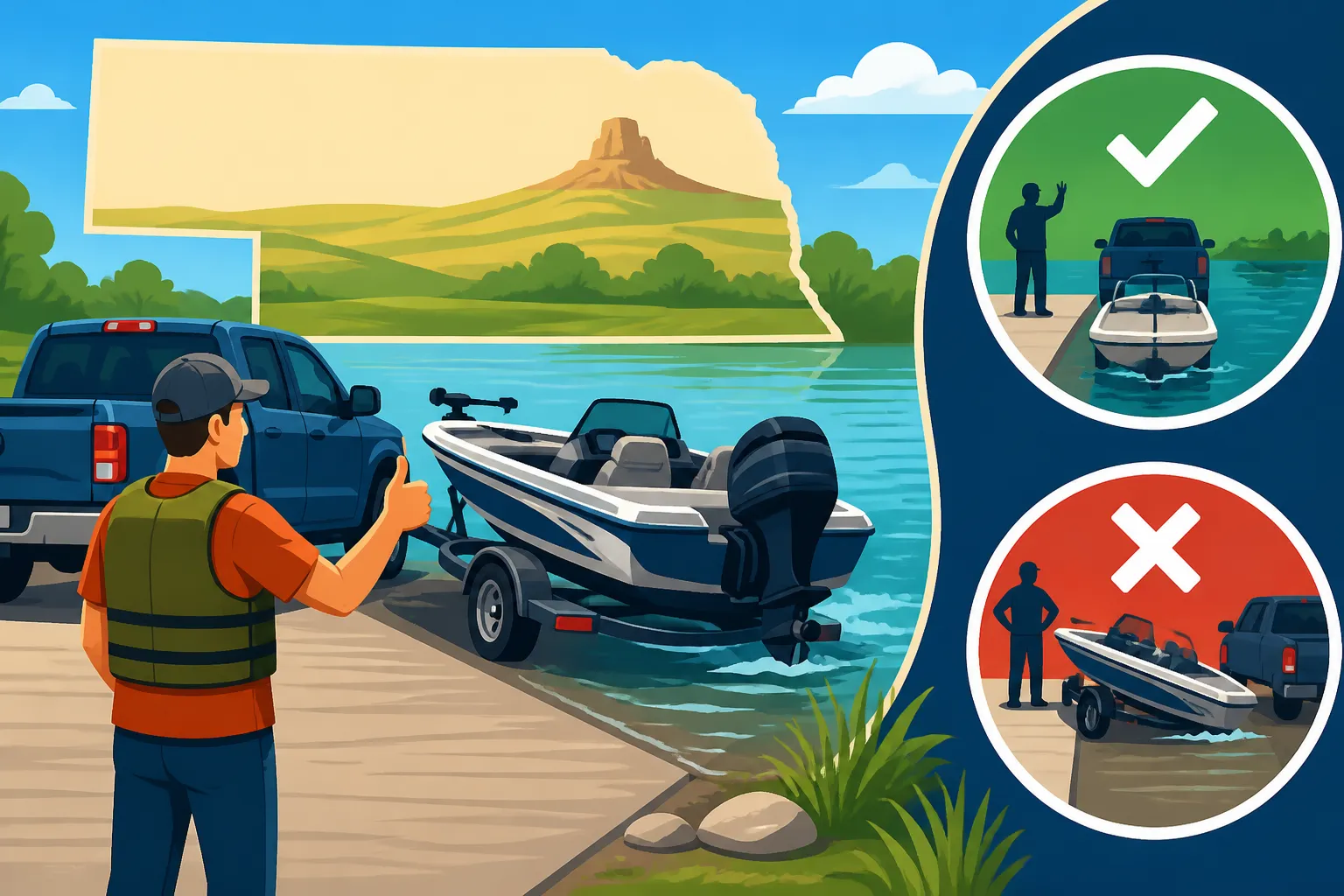
When it's finally your turn, approach the ramp confidently and back down steadily. You don't need to break any speed records, but hesitant, jerky movements only prolong the process. If you have a partner, they can often stand on the courtesy dock or even in shallow water to guide you, making the process smoother. For those who boat solo, a bit of practice in an empty parking lot can do wonders for your confidence in backing the trailer. If you're looking to brush up on your skills, resources like How to Back a Boat Trailer Down a Ramp can provide some excellent tips and tricks.
Once the boat is sufficiently floating, unhook the safety chain and winch strap, start your motor, and either gently power the boat off the trailer or push it off manually. Immediately move the boat away from the ramp to a courtesy dock or a safe anchoring spot where it won't impede others. This allows your tow vehicle to exit the ramp area, making way for the next angler. Do not park your tow vehicle and trailer at the top of the ramp to unload remaining items or passengers; that's what the staging area or parking lot is for. The quicker the actual ramp is cleared, the happier everyone will be.
Avoiding Ramp Congestion
After launching your boat and getting it away from the ramp, your tow vehicle and trailer need to be moved immediately to a designated parking spot. This seems obvious, but you'd be surprised how many people get distracted. They might start chatting with friends, organize their glove compartment, or check their phone while still blocking the ramp exit. The ripple effect of this seemingly small delay can be huge on a busy morning at a popular lake like Branched Oak Lake.
If there's a courtesy dock, use it wisely. It's there for temporary tie-ups while you park your trailer or pick up passengers. It's not a permanent mooring spot, nor is it a social hub for extended conversations. If the courtesy dock is full, be patient, or consider dropping your passengers and gear off at the dock before launching, then launching your boat and picking them up. Or, if you're good at solo launching, simply launch and then retrieve your boat and move to your designated spot. The key is constant movement and awareness of the queue behind you.
Post-Launch and Retrieval: Clearing the Way Quickly
Just as important as an efficient launch is an efficient retrieval. The same principles apply: preparation, speed, and consideration for those waiting. There's no quicker way to annoy fellow anglers than by taking forever to get your boat out of the water.
Quick Retrieval Strategies
Before you even get close to the ramp for retrieval, have your boat ready. If you've been out all day on the water, ensure all loose items are secured, and your lines are reeled in. When you see your tow vehicle approaching, or when it's your turn, bring your boat to the courtesy dock or circle patiently nearby. When the ramp is clear for you, back your trailer down smoothly and precisely.
There are generally two methods for getting your boat back on the trailer: power loading or winching. Power loading, where you use your boat's engine to drive it onto the trailer, can be very fast but isn't allowed at all ramps due to potential erosion and propeller wash disturbing other users or stirring up the bottom. Always check local rules before power loading. Winding your boat onto the trailer with the winch is usually slower but universally accepted. Whichever method you use, once the boat is secured, pull forward immediately and completely off the ramp before performing any further tasks. Remember to attach your safety chain and winch strap securely before pulling away.
Post-Retrieval Actions
Once your boat is safely on its trailer and you've pulled completely clear of the ramp, head to a designated "tie-down" or "clean-up" area in the parking lot. This is where you can take your time to secure your boat with tie-downs, put on your boat cover, drain coolers, and perform any necessary cleaning. You might also want to drain any livewells here. It's also critical to perform your invasive species check and clean, drain, and dry your boat and trailer here to prevent the spread of unwanted guests like zebra mussels. You can find excellent advice on this in guides like How to Clean a Boat to Prevent Zebra Mussels in Nebraska and the importance of the Nebraska Aquatic Invasive Species Stamp for Boats.
This isn't the time to pull out your fillet knife and start cleaning fish, or to have a lengthy debriefing with your fishing buddies directly at the ramp's edge. All these activities, while perfectly legitimate, take up valuable space and time that someone else needs to launch or retrieve their boat. Having a dedicated spot to transition from "on the water" to "on the road" makes the entire process more efficient for everyone, reducing bottlenecks and keeping the flow of traffic moving smoothly.
General Principles: Making the Experience Better for Everyone
Beyond the mechanics of launching and retrieving, there's a certain unspoken code of conduct that makes the boat ramp experience genuinely pleasant. It's about being a good sport, a responsible boater, and a considerate neighbor.
Communication and Patience
Boat ramps can be high-stress environments, especially on peak days. Things can go wrong, and sometimes people simply have a bad day or are new to the process. A little patience and understanding can go a long way. If you see someone struggling, offer a polite word of encouragement or, if appropriate, a helping hand. Don't be pushy, but a simple "Need a hand with that rope?" can diffuse tension and build camaraderie. Most anglers are good people, and we're all out there for the same reason: to enjoy the great outdoors and hopefully catch some fish.
Verbal communication should be clear and concise. If you're backing down, a quick hand signal or a "one more foot!" from your spotter is much better than shouting. A simple nod or "thanks" to the person who just cleared the ramp for you shows appreciation. Remember, everyone started as a beginner at some point. Maybe you needed some help learning How to Set the Hook on a Catfish Bite or figuring out the best lures; extending that same grace to others at the ramp just makes the community stronger.
Respecting the Rules and the Resource
Adhere to all posted signs and regulations. This includes speed limits in the parking lot, no-wake zones near the ramp, and proper parking procedures. Parking your trailer improperly can cause just as much congestion as slow launching. Be mindful of noise, especially early in the morning or late at night when nearby residents might be sleeping. Your loud music or booming voice might be exhilarating for you, but it can be a nuisance to others.
Always dispose of trash properly. No one wants to launch their boat into water littered with someone else's bait containers or plastic bags. We're all stewards of Nebraska's beautiful waters, and keeping them clean starts with simple actions at the ramp. Before you even head out, ensure you've done your due diligence on your boat and gear, using checklists like those found in What to Check Before Launching a Boat in Nebraska. And remember that whether you're buying a new anchor for your kayak from Amazon or picking up a new fillet knife from Bass Pro Shops, the responsibility for how you use and maintain your gear, and how you conduct yourself on the water, rests with you. Good boat ramp etiquette isn't just about efficiency; it's about respecting the shared resource and fostering a positive experience for every angler who enjoys Nebraska's waters.
Here's a quick checklist to help you remember the essentials of boat ramp etiquette:
| Action Category | Do's | Don'ts |
|---|---|---|
| Pre-Ramp Prep | ✅ Load all gear, secure items, remove covers in staging area. | ❌ Load coolers, tie lures, or uncover boat on the actual ramp. |
| ✅ Check drain plug, battery connections, and safety gear. | ❌ Realize your drain plug is missing or tackle is unorganized when it's your turn. | |
| ✅ Ensure registration is current and boat/trailer are road-ready. | ❌ Block access or parking because of a mechanical issue that could have been prevented. | |
| On the Ramp | ✅ Back down smoothly and confidently. | ❌ Hesitate, make multiple attempts without pulling forward, or block the ramp unnecessarily. |
| ✅ Launch boat promptly and move it to a courtesy dock or clear area. | ❌ Keep boat tied to the trailer or drift aimlessly near the ramp. | |
| ✅ Move tow vehicle immediately to designated parking. | ❌ Park your tow vehicle at the top of the ramp or in an undesignated spot. | |
| Post-Ramp / Retrieval | ✅ Have boat ready at courtesy dock or circling for quick retrieval. | ❌ Arrive at the ramp unannounced, expecting everyone to wait for you to get ready. |
| ✅ Secure boat to trailer and pull clear of ramp before final tie-downs. | ❌ Perform tie-downs, cover boat, or clean fish on the ramp or immediately adjacent to it. | |
| ✅ Drain livewells, check for invasive species, and clean boat in designated areas. | ❌ Leave trash or bait in the ramp area or fail to inspect for aquatic invasive species. | |
| General Conduct | ✅ Be patient, offer help (if appropriate), and communicate clearly. | ❌ Yell, show impatience, or offer unsolicited, critical advice. |
| ✅ Respect all posted rules, speed limits, and no-wake zones. | ❌ Play loud music, litter, or disregard common courtesies and local regulations. |
Disclaimer
This article is for general informational purposes only and does not constitute professional advice. Laws, prices and regulations vary by location and change over time. Consult a qualified professional for guidance on your specific situation.