Essential Gear Checklist for a First Kayak Fishing Trip
Embarking on your very first kayak fishing trip in Nebraska can feel like stepping into a whole new world, full of excitement but also a good dose of "what in the world do I actually need to bring?" It’s easy to get overwhelmed by all the specialized gear out there, leaving you wondering if you'll forget something crucial or accidentally buy things you won't use. This comprehensive guide is designed to cut through that confusion, giving you an essential gear checklist that ensures your inaugural paddle-and-cast adventure is safe, enjoyable, and successful on Nebraska's beautiful waters.
Kayak and Essential Safety Gear: Your Foundation for a Great Trip
Before you even think about a fishing rod, the most important "gear" is your kayak itself, and everything that keeps you safe while on the water. Kayak fishing is an incredible way to explore hard-to-reach spots and get closer to the action, but it comes with its own set of safety considerations that are often different from fishing from a large boat or the bank. For your first trip, simplicity and reliability are key.
Choosing Your First Fishing Kayak
For a beginner, the sheer number of kayak options can be daunting. You'll see sit-on-top, sit-inside, pedal-drive, paddle-drive, inflatables – it's a lot! For your very first fishing trip, especially in Nebraska's often calmer lakes and slow-moving rivers, a stable sit-on-top kayak is generally the most recommended starting point. They're easier to get in and out of, offer more open deck space for gear, and drain water easily, which is a huge plus if you take on a wave or two. You don't need the most expensive model with all the bells and whistles right away. Look for something that's about 10-12 feet long, which provides a good balance of stability and maneuverability without being too heavy to transport.
Consider where you'll be fishing most often. If it's smaller, calmer urban ponds or quiet sections of rivers like the Elkhorn, a shorter, more agile kayak might be perfect. For larger bodies of water like Branched Oak Lake or Lewis and Clark Lake, a slightly longer, wider kayak will offer better tracking and stability against wind and boat wakes. Many sporting goods stores, like Bass Pro Shops, offer starter kayak packages that include a paddle and a basic seat, which can be a good way to get everything you need in one go without breaking the bank. Don't forget, you'll also need a way to transport it, whether that's a roof rack, a small trailer, or even just a truck bed.
Personal Flotation Device PFD
This is non-negotiable. Absolutely every time you get in your kayak, you need to be wearing a properly fitted Personal Flotation Device (PFD), or life jacket. While some might think "I'm a strong swimmer," accidents happen fast and unexpectedly on the water. A PFD isn't just for when you fall in; it's also about staying afloat and visible if you capsize or your kayak gets swamped. For kayak fishing, look for PFDs specifically designed for paddling. These typically have higher backrests to avoid interfering with the kayak seat and larger armholes for unrestricted casting and paddling motion. They often have pockets for small essentials like a whistle or a fishing license.
Before your trip, put on your PFD and adjust it so it's snug but comfortable. It shouldn't ride up around your ears when you're sitting or when you're in the water. Remember, an ill-fitting PFD is almost as bad as no PFD at all. Ensure it's U.S. Coast Guard approved – this is a legal requirement in Nebraska. Taking the time to pick out a comfortable PFD will make you much more likely to wear it, and that's the most important thing.
Sound-Producing Device and Visual Signal
Nebraska regulations, like most states, require you to have certain safety equipment on your vessel. For a kayak, this often includes a sound-producing device and a visual distress signal, especially after sunset or during periods of restricted visibility. A simple whistle attached to your PFD is usually sufficient for the sound device. It's inexpensive and can be a lifesaver if you need to signal for help or warn other boaters.
For visual signals, especially if you plan to be out around dusk or dawn, a small, waterproof flashlight or a 360-degree white light is essential. Even during the day, brightly colored clothing or a flag on your kayak can significantly increase your visibility to other boaters, which is critical on busy lakes. You'd be surprised how easily a small kayak can disappear in the chop or among larger vessels. Safety first, always. Nebraska Boat Safety Equipment Requirements can offer more insights into specific regulations.
Kayak Leash and Paddle Leash
These might seem like minor details, but they are absolutely crucial for kayak fishing. A kayak leash is a simple rope or bungee cord that attaches your paddle to your kayak. Imagine you're fighting a big fish, or just get distracted by a bird, and your paddle floats away. Without a leash, you're now drifting with no way to propel yourself, which can turn a fun day into a dangerous situation quickly, especially on a windy day on a large reservoir like Harlan County. Similarly, a paddle leash keeps your paddle attached to you.
Beyond the paddle, consider leashes for other essential items. Your fishing rod, for instance, should ideally be leashed to your kayak. There's nothing more heartbreaking than watching your brand-new rod and reel sink to the bottom of Lake McConaughy after an unexpected tip-over or a powerful fish tugging it overboard. You can find ready-made leashes or even make your own with bungee cords and carabiners. The goal is that if you go in the water, your essential gear comes with you.
Navigation and Propulsion: Getting Where You Need to Be
Once your safety essentials are covered, it’s time to think about how you’ll move your kayak and find those elusive fish. Kayak fishing is all about stealth and accessing shallow waters, so your propulsion and navigation tools are vital.
Your Kayak Paddle
While it might seem obvious, the right paddle makes a huge difference. For your first kayak, a basic aluminum or fiberglass paddle will work just fine. However, pay attention to the length. It should be appropriate for your height and the width of your kayak. A paddle that's too short will have you banging your knuckles on the gunwales, while one that's too long will be inefficient and tiring. A general rule of thumb is that when standing the paddle up next to you, the top blade should reach to about your wrist or forehead.
Look for paddles with an adjustable feathering angle, which allows you to offset the blades. This can reduce wind resistance and strain on your wrists over a long day of paddling. While carbon fiber paddles are lighter and more efficient, they're often a significant investment. Stick with a durable, mid-range paddle for your first trips and consider an upgrade once you're hooked and understand your specific needs. Having a backup paddle on longer trips is also a smart move, though not strictly essential for your very first short outing.
Anchor System and Trolley
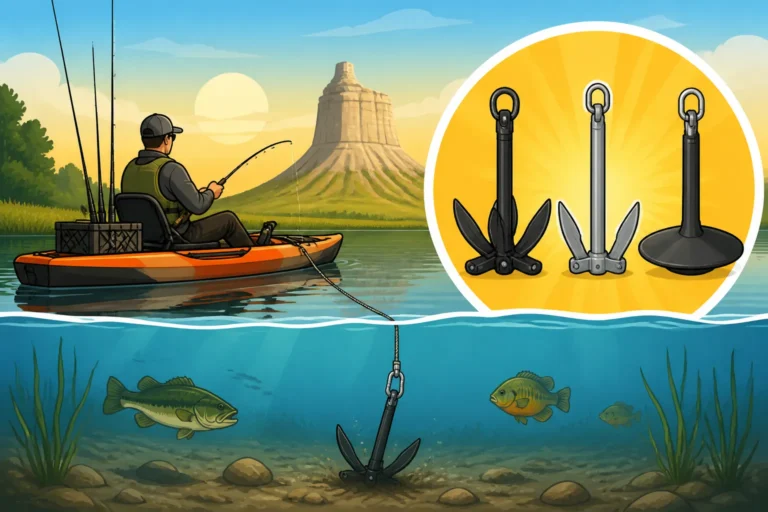
This is where kayak fishing really starts to get strategic. Without an anchor, you'll constantly be drifting, making it hard to stay on a productive spot or effectively work a piece of structure. For kayaks, traditional heavy boat anchors are overkill. A lightweight grappling anchor (1.5-3 lbs) with about 50 feet of anchor rope is perfect for most Nebraska waters. You'll also need a small buoy to mark your anchor line.
The game-changer for kayak anchors is the anchor trolley. This is a system of pulleys and rope that runs along the side of your kayak, allowing you to deploy your anchor from either the bow or the stern without having to reach awkwardly or dangerously. It means you can adjust your position relative to the wind or current, keeping your kayak oriented for optimal casting. You can buy these as kits or build one yourself. An anchor and trolley are paramount for staying put over a Nebraska Walleye Spawning Season hotspot or a crappie brush pile.
Basic Navigation Tools
For your first trip, especially on a familiar lake or pond, a simple plan and observation might be enough. However, as you venture further, basic navigation becomes important. A waterproof map of the lake or river is always a good idea, even if you have electronics. Mark key areas, launch points, and potential hazards.
If you're tech-savvy, a basic GPS unit or a fishing app on your smartphone can be invaluable. Many apps allow you to mark waypoints, track your route, and even identify contours and depths if maps are available. Just be sure your phone is protected in a waterproof case and fully charged. While not strictly "essential" for a very first, short, and close-to-shore trip, thinking about how you'll find your way and get back safely is always prudent.
Fishing Tackle and Tools: Catching Those Nebraska Fish
Now for the fun part! While you don't need every gadget under the sun, a few key pieces of tackle and tools will make your fishing experience much smoother from the confined space of a kayak.
Rod and Reel Combo
For a first kayak fishing trip, simplicity and versatility are key. You'll want a rod and reel combo that's easy to handle in a sitting position and suitable for the most common species in Nebraska, like bass, crappie, and channel catfish. A medium-light to medium power spinning rod, around 6'6" to 7' long, paired with a 2500 or 3000 series spinning reel, is an excellent all-around choice. This setup allows you to cast a variety of lures and baits, and has enough backbone to handle a good fight, but is still sensitive enough for lighter bites.
Avoid overly long rods, as they can be cumbersome in a kayak, making casting and landing fish more challenging. A reliable monofilament or braided line in 8-12 pound test will serve you well. You can find excellent beginner combos at any sporting goods store or online through Amazon. Don't forget an extra spool of line! For more detailed advice, check out Best Rod and Reel Combo for Beginners in Nebraska.
Essential Lures and Baits
Start with a small, versatile selection of lures and some reliable live or prepared bait. For lures, pack a few jigs (1/8 oz to 1/4 oz) with assorted plastic grub tails, a few crankbaits that dive to different depths, and some soft plastic worms or senkos. These cover a wide range of situations and species. Consider colors that mimic baitfish or stand out in stained water, like chartreuse or bright orange.
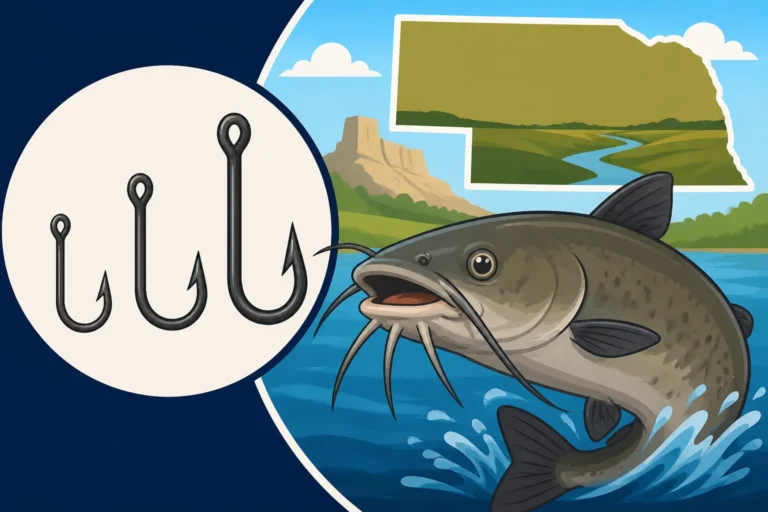
For bait, a tub of nightcrawlers or a container of prepared stink bait will usually tempt panfish, catfish, and even bass. Live minnows can be deadly for crappie and walleye. Remember to bring a small, insulated cooler to keep your bait fresh, and if you're using live bait, make sure your container meets Nebraska's regulations for live bait transport. You can learn more about specific baits in articles like Best Bait for Nebraska Walleye or Best Bait for Nebraska Catfish.
Fishing Tools and Accessories
Space is at a premium in a kayak, so every tool needs to earn its spot. Here’s a quick list of must-haves:
- Pliers/Forceps: Essential for removing hooks safely from fish, especially if they're deeply hooked. Look for multi-tool pliers that also have line cutters.
- Line Cutters: Small scissors or nail clippers work perfectly for snipping fishing line.
- Small Tackle Box/Bag: A compact, waterproof tackle box or soft-sided bag is ideal for organizing your lures, hooks, weights, and swivels. Make sure it can be securely fastened to your kayak or stored in a hatch.
- Stringer or Cooler: If you plan to keep fish, a simple stringer or a small, insulated cooler with ice is necessary to keep your catch fresh.
- Measuring Device: A small tape measure or bump board to ensure your catch meets Nebraska's length limits.
- Landing Net: A short-handled landing net is invaluable for safely landing larger fish from a kayak, preventing lost fish and hook injuries. Look for rubberized nets that are kinder to fish if you plan on catch and release.
Personal Comfort and Preparedness: Enjoying Your Day on the Water
Even with the best kayak and fishing gear, if you're uncomfortable or unprepared for changes in weather or personal needs, your trip can quickly turn sour. These items focus on keeping you happy and healthy out on the water.
Sun Protection
Nebraska sun can be intense, especially when reflecting off the water. Sun protection is paramount for a full day of kayak fishing.
- Wide-brimmed Hat: Crucial for protecting your face, ears, and neck.
- Polarized Sunglasses: Not only protect your eyes from harmful UV rays but also significantly reduce glare on the water, allowing you to see structure and fish more clearly. This can be a huge advantage for spotting bass holding near submerged logs or cruising in the shallows.
- Sunscreen: Apply generously and reapply throughout the day, especially on exposed skin.
- Long-sleeved UV Shirt: Lightweight, breathable shirts designed for sun protection are incredibly effective at preventing sunburn without making you overheat. Many of these shirts also have hoods for extra neck and ear coverage.
Hydration and Snacks
Stay hydrated! Bring plenty of water in a reusable bottle or hydration bladder. It's easy to get dehydrated in the sun, even on a cloudy day. Pack some easy-to-eat snacks like granola bars, fruit, or trail mix that won't spoil and are simple to manage while on the water. A small, soft-sided cooler that fits easily in your kayak's storage areas is perfect for keeping drinks and snacks cool.
Waterproof Storage
This is a big one for kayak fishing. You're low to the water, and splashes, rain, or even an accidental capsize are always possibilities.
- Dry Bag: Essential for anything you absolutely cannot get wet, like your phone, car keys, wallet, or extra clothing. Choose one with a roll-top closure and ensure it's securely tethered to your kayak.
- Waterproof Box/Container: Smaller, hard-sided waterproof boxes are great for tackle, first-aid kits, or small electronics.
First-Aid Kit
A compact, waterproof first-aid kit is a must-have. Include band-aids, antiseptic wipes, pain relievers, insect bite treatment, and any personal medications. Accidents happen, whether it’s a hook in the finger or a minor cut, and being able to treat it quickly on the water can make a big difference.
Pre-Trip Checklist and Final Thoughts
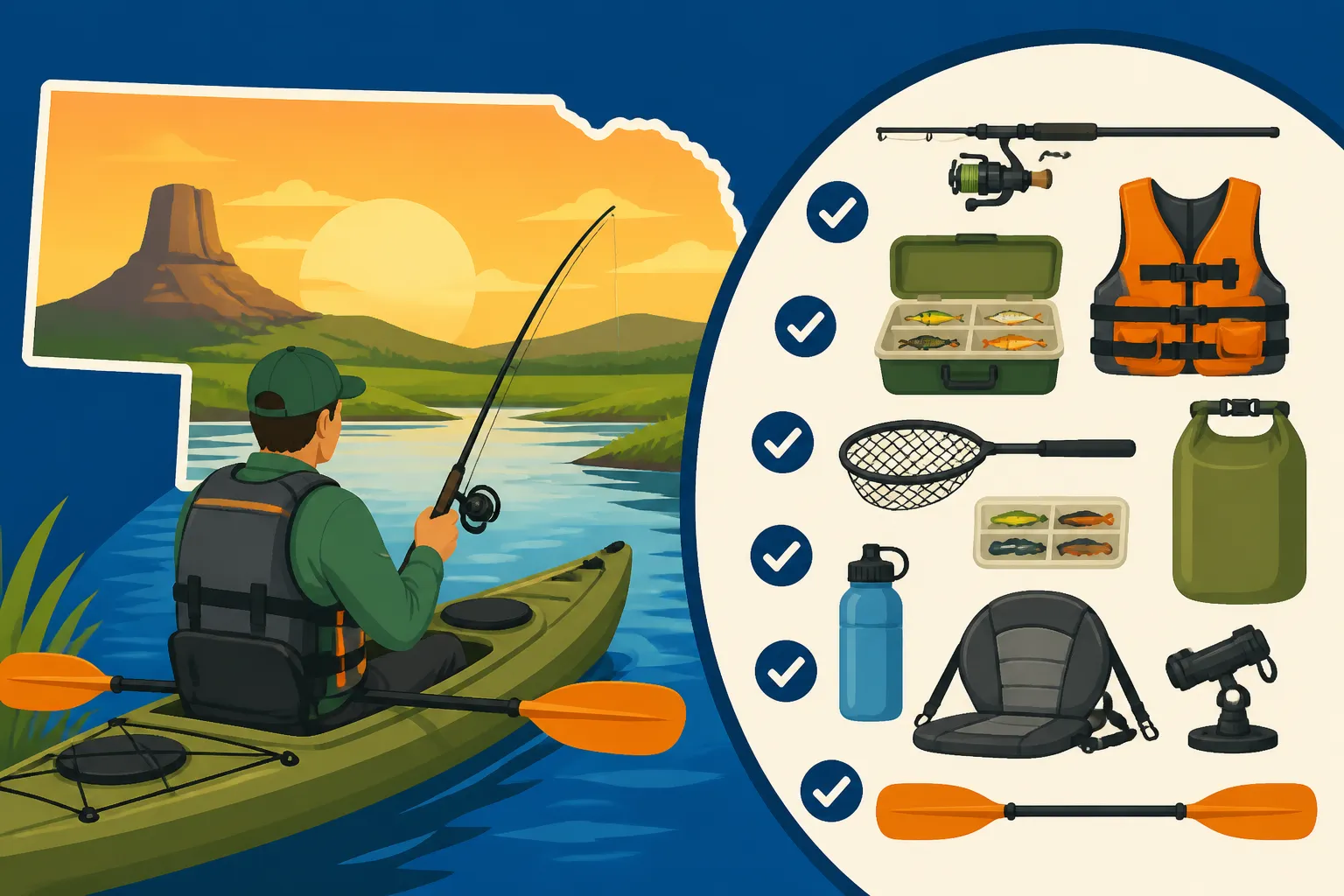
To make your first trip as smooth as possible, use this handy checklist. Print it out, review it, and pack accordingly!
| Category | Item | Notes |
|---|---|---|
| Kayak & Safety | Fishing Kayak | Stable sit-on-top recommended for beginners. |
| Personal Flotation Device (PFD) | USCG approved, properly fitted, worn at all times. | |
| Kayak Paddle | Correct length for your height and kayak width. | |
| Kayak Leash & Paddle Leash | Secure your paddle and kayak to prevent loss. | |
| Sound-Producing Device | Whistle attached to PFD. | |
| Visual Signal (for low light) | Waterproof flashlight or 360-degree white light. | |
| Anchor System (1.5-3lb grappling) | With appropriate rope length. | |
| Anchor Trolley | For directional control while anchored. | |
| Fishing Gear | Rod & Reel Combo | Medium-light to medium spinning, 6'6"-7', 8-12 lb line. |
| Essential Lures & Baits | Jigs, crankbaits, soft plastics, nightcrawlers/stink bait. | |
| Small Tackle Box/Bag | Waterproof and organized. | |
| Pliers/Forceps (with line cutters) | For hook removal and line trimming. | |
| Stringer or Small Cooler | For keeping catch fresh. | |
| Measuring Device (tape or board) | To comply with length limits. | |
| Landing Net | Short-handled, rubberized for fish safety. | |
| Personal & Comfort | Wide-brimmed Hat | Protects face, ears, neck. |
| Polarized Sunglasses | Protects eyes, reduces glare for visibility. | |
| Sunscreen & Lip Balm (SPF) | Reapply frequently. | |
| Long-sleeved UV Shirt | Breathable, sun-protective clothing. | |
| Water & Snacks | Plenty of hydration and easy-to-eat fuel. | |
| Waterproof Dry Bag | For phone, keys, wallet, extra layers. | |
| First-Aid Kit | Basic essentials for minor injuries. | |
| Small Towel | For drying hands, wiping down gear. | |
| Bug Spray | Essential for Nebraska's buggy areas, especially near water. |
Remember to always check the local weather forecast before heading out. High winds can make kayak fishing particularly challenging and even dangerous on open water. Start small, perhaps on a calmer urban pond or a quiet cove in one of Nebraska's larger reservoirs. Get comfortable with paddling, steering, and managing your gear from the kayak before tackling bigger water or challenging conditions.
Kayak fishing offers an unparalleled sense of freedom and connection to the water. By taking the time to gather these essential items and prioritize safety, you'll be well on your way to countless memorable adventures on Nebraska's waters. You can often find many of these items, from basic kayaks to essential safety equipment, at stores like Bass Pro Shops or online at Amazon, making it easy to get started without too much fuss. Happy paddling and tight lines! Don't forget to review Nebraska Fishing Regulations Explained before you go, as rules and limits are always important.
Disclaimer
This article is for general informational purposes only and does not constitute professional advice. Laws, prices and regulations vary by location and change over time. Consult a qualified professional for guidance on your specific situation.