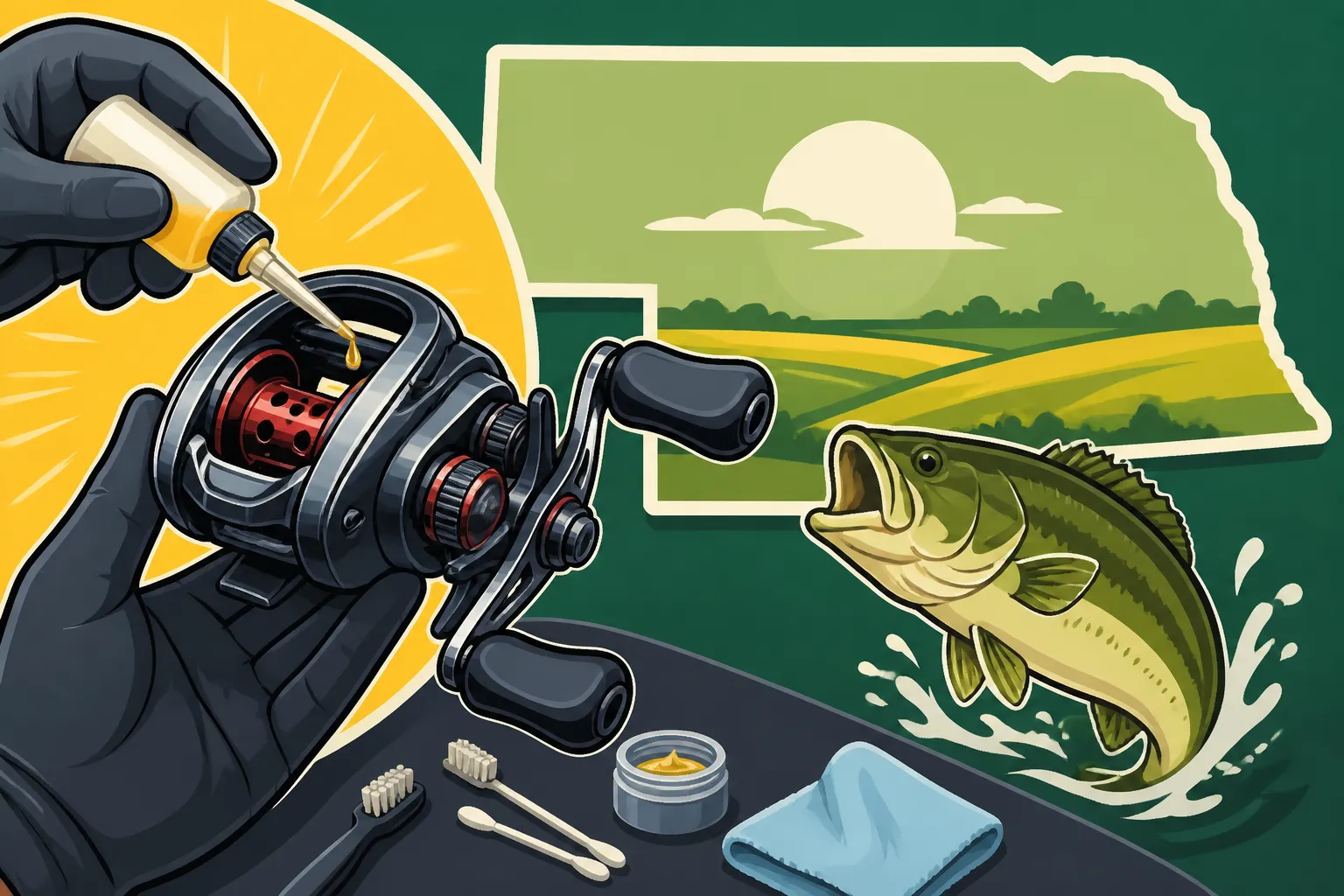
How to Maintain a Baitcasting Reel
There’s nothing quite as frustrating as heading out to your favorite Nebraska fishing spot, casting your line with anticipation, and feeling that gritty, stiff retrieve from a reel that just isn't performing. We’ve all been there, and it often boils down to one thing: a lack of proper maintenance. This guide is all about demystifying baitcasting reel maintenance, walking you through the simple steps to keep your gear in prime condition, and ensuring your next outing is smooth, productive, and free from equipment headaches.
Why Regular Baitcasting Reel Maintenance is Crucial and Often Overlooked!
It’s easy to overlook maintenance when you’re caught up in the excitement of fishing. You get off the water, wipe down your rod, maybe give your reel a quick rinse, and toss it in the garage. But a baitcasting reel is a finely tuned piece of machinery, exposed to the elements, grit, and grime, especially when you're hitting spots like Lake McConaughy or the Platte River. Ignoring its needs is a surefire way to shorten its lifespan and compromise its performance when you need it most.
Protecting Your Investment
Let's be honest, a good baitcasting reel isn't cheap. Whether you picked up a solid entry-level model or invested in a top-tier performer, it represents a significant investment in your hobby. Think about the variety of conditions your reel endures – the dust from a windy day on a western Nebraska reservoir, the fine sand that inevitably finds its way onto everything at a sandpit lake, or the occasional splash of murky river water. Each of these elements can, over time, wreak havoc on internal components if not properly addressed.
A reel that’s regularly cleaned and lubricated resists corrosion, prevents premature wear on gears, and keeps its bearings spinning freely. This protection directly translates into a longer life for your reel, saving you the expense and hassle of replacing it sooner than necessary. It’s not just about keeping it working; it’s about making sure your money goes further, letting you spend more on new lures or another Nebraska Annual Fishing Permit instead of replacing worn-out gear.
Ensuring Optimal Performance on the Water
Imagine trying to cast a lightweight lure with a stiff, unlubricated reel. It’s clunky, it doesn’t go as far, and you're fighting the reel more than you're fishing. Or picture hooking into a trophy channel catfish on the Missouri River, and your drag starts to stick, causing you to lose tension and potentially the fish of a lifetime. These are real scenarios caused by neglected reels.
Optimal performance means smooth casting, effortless retrieves, and a drag system that pays out line consistently when a fish runs. A well-maintained baitcasting reel feels like an extension of your arm, allowing for precise casts into tight cover or long bombs across open water. The gears mesh cleanly, the bearings spin freely, and the level wind system glides back and forth without friction. This not only enhances your fishing experience but also directly contributes to your success on the water. A reel performing at its peak gives you the confidence to tackle any fish or condition Nebraska throws at you, whether you’re targeting Walleye Fishing in Nebraska or Channel Catfish Fishing in Nebraska.
Essential Tools and Supplies for Reel Maintenance
Before you dive into disassembling your reel, you'll want to gather all your tools and supplies. Rushing through the process or using the wrong materials can do more harm than good. Think of it like a surgeon preparing for an operation – precision and the right instruments are key.
The Basics You'll Need
Most of the tools you'll need are fairly standard household items, but some specific lubricants are non-negotiable for fishing reels. Here’s a rundown:
- Small Screwdriver Set: You'll need various sizes, often small Phillips and flathead screwdrivers, to remove side plates, handles, and other components. A good set designed for electronics or eyeglasses often works perfectly.
- Small Brushes: An old toothbrush or a dedicated detailing brush (like those used for gun cleaning) is excellent for scrubbing away grime from gears and tight spots.
- Cotton Swabs/Q-tips: Indispensable for applying lubricants precisely and cleaning hard-to-reach areas.
- Microfiber Cloths/Paper Towels: For wiping down components, soaking up excess lubricant, and generally keeping things clean.
- Degreaser/Cleaning Solvent: Isopropyl alcohol (rubbing alcohol) works well for cleaning old grease and grime off metal parts. Some specialized reel cleaners are also available. Avoid harsh chemicals that could damage plastics or painted surfaces.
- Reel Oil: This is a light-viscosity oil specifically designed for fishing reel bearings and other fast-moving, low-friction parts.
- Reel Grease: A thicker lubricant for gears and other high-friction contact points that need more sustained protection.
- Small Container/Tray: Crucial for holding tiny screws and parts as you disassemble the reel, preventing them from rolling away and getting lost. A magnetic parts tray is a real lifesaver here.
You can often find specialized reel maintenance kits at stores like Bass Pro Shops or browse a wide selection of individual tools and lubricants on Amazon. Just make sure whatever you choose is designed for fishing reels to avoid damaging sensitive components.
Choosing the Right Lubricants
This is where many anglers get tripped up. Not all oils and greases are created equal, and using the wrong type can cause problems ranging from sluggish performance to outright damage.
Reel Oil: This is a thin, light lubricant used primarily for bearings (spool bearings, handle bearings, level wind bearings) and the worm shaft. These parts require a very low-friction environment to operate smoothly and freely. Using too heavy an oil will slow them down. A good reel oil will also displace water and provide some corrosion protection. Apply it sparingly; a tiny drop is usually all that's needed.
Reel Grease: This is a thicker, more viscous lubricant designed for parts that experience higher friction and require more protective cushioning, primarily the main gears and drag washers (though some drag systems require a specific drag grease or no grease at all). Grease adheres better to gear teeth and provides a lasting barrier against wear. It also helps to dampen noise and provide a smoother feel during retrieve. Again, apply it judiciously – enough to coat the surfaces, but not so much that it causes resistance or squeezes out.
Always use lubricants specifically formulated for fishing reels. Automotive greases or general-purpose oils can be too heavy, lack the necessary corrosion inhibitors, or even contain chemicals that could degrade plastic components in your reel. Stick to the specialized stuff, and your reel will thank you with years of smooth operation.
| Lubricant Type | Primary Application Points | Characteristics | Application Quantity | Common Mistake to Avoid |
|---|---|---|---|---|
| Reel Oil | Bearings (spool, handle, level wind), Worm Shaft | Light, thin, low friction, corrosion resistant | 1-2 tiny drops per point | Using too much, using heavy oil |
| Reel Grease | Main Gears, Drag Washers (specific types) | Thicker, viscous, high friction protection | Thin, even coat on surfaces | Using too much, using general purpose grease |
Step-by-Step Guide to Cleaning Your Baitcasting Reel
Now that you have your tools ready, let’s get down to the nitty-gritty of cleaning your baitcasting reel. This isn't a race; take your time, be methodical, and you'll be surprised how satisfying it is to see your reel looking and feeling like new.
External Cleaning and Line Inspection
Before you even think about opening up your reel, give it a good external clean. This prevents external grime from getting inside when you start disassembling.
First, use a damp cloth or a soft brush to wipe down the entire exterior of the reel. Pay special attention to crevices where dirt and salt deposits can accumulate. If you fish in saltwater (which isn’t common in landlocked Nebraska, but maybe you travel!), a thorough freshwater rinse is crucial, followed by drying. For freshwater fishing in Nebraska, a simple wipe-down is usually sufficient after each trip.
Next, focus on the level wind system. This is the mechanism that guides your line evenly onto the spool. It consists of a worm shaft and a pawl (a small ceramic or metal guide that moves back and forth). These areas collect a lot of grit and old line dressing. Use a cotton swab to clean the worm shaft thoroughly. A small drop of reel oil on the worm shaft can make a huge difference in how smoothly your line lays on the spool. You can also carefully remove the small cap on the level wind to access the pawl, clean it, and ensure it moves freely.
Finally, take a moment to inspect your fishing line. Look for fraying, nicks, or discoloration, especially the first 10-20 feet. Damaged line can lead to frustrating break-offs and tangled messes. If your line looks compromised, it’s a good time to consider respooling. Check out our guide on How Often to Replace Fishing Line for more detailed advice on line care. A smooth, clean line, paired with a well-maintained reel, will dramatically improve your casting distance and accuracy, especially when you're trying to reach those distant submerged structures at Branched Oak Lake.
Disassembly and Internal Cleaning
This is the part that intimidates many anglers, but with a bit of patience, it’s totally manageable. The key here is organization. As you remove each screw and component, place it in your small container or tray, ideally in the order you removed it. Many experienced anglers even take photos with their phone at each step of disassembly – it’s a fantastic way to jog your memory during reassembly.
Start by removing the handle and the star drag mechanism. Then, typically, you'll remove the side plate opposite the handle. This often reveals the main gear assembly. Carefully lift out the spool. Clean the spool shaft and the bearings (often two, one on each side of the spool). Use a cotton swab and isopropyl alcohol to gently clean any old grease or gunk from the bearings. If they spin freely, a single drop of reel oil is usually enough. If they feel gritty or don't spin well, they might need a deeper clean or even replacement.
Next, carefully remove the main gear and pinion gear. These are the workhorses of your reel and will likely have a build-up of old, dirty grease. Use your small brush and cleaning solvent (like isopropyl alcohol) to thoroughly clean all the old grease from the teeth of both gears. Ensure they are completely dry before proceeding. Clean the inside of the reel housing as well, removing any accumulated dirt or debris. Don't forget the drag washers, if accessible. Depending on the reel, these might be felt, carbon, or a mix. Clean them and set them aside. Carbon drag washers usually benefit from a very light application of specific drag grease, while felt washers might be lightly greased or left dry depending on the manufacturer's recommendation.
Lubrication and Reassembly
Now comes the satisfying part: making everything smooth again.
Start with your reel grease. Apply a thin, even coat to the teeth of the main gear and the pinion gear. You don't need to pack it on; a light coating is all that’s required to provide smooth operation and protection. Reinstall the main gear and pinion gear into the reel frame.
Next, address the bearings and the worm shaft. As mentioned earlier, a tiny drop of reel oil on each bearing (spool bearings, handle bearings, and any others you identified during disassembly) is sufficient. For the level wind worm shaft, apply a thin line of reel oil along its length and work it in by moving the pawl back and forth.
Carefully reassemble your reel, following your mental notes or the photos you took during disassembly. Ensure all parts fit snugly and smoothly. Tighten screws gently but firmly; don’t overtighten, as this can strip threads or crack plastic components. Once the reel is fully reassembled, spin the handle, test the drag, and operate the casting bar to ensure everything feels smooth and functions correctly. If you're encountering any issues with your newly spooled line after maintenance, refer to How to Spool a New Reel With Line for troubleshooting tips.
Advanced Maintenance Tips and Troubleshooting Common Issues
Even with regular cleaning, sometimes a reel can throw a curveball. Knowing how to diagnose and address common issues, or when to call in the cavalry, can save you a lot of grief.
Addressing Specific Problems
Let's look at a few common problems anglers encounter and what you can do about them:
- Stiff Retrieve/Gritty Feeling: This is often a sign of dried-out or contaminated grease in the main gears. A full disassembly, cleaning of the gears with solvent, and re-greasing will usually resolve this. Sometimes, a stiff retrieve can also be caused by over-tightening screws during reassembly, creating too much pressure on internal components. Loosen them slightly and retest.
- Clicking or Grinding Noises: If you hear clicking, it might be a small piece of debris caught in the gears or a worn gear tooth. Grinding is almost always a sign of severely worn gears or a contaminated bearing. Again, a full cleaning and inspection of the gears is paramount. If a gear tooth is chipped or worn, that component might need replacement. If a bearing feels rough, even after cleaning, it's likely time for a new one.
- Slipping or Erratic Drag: The drag system is critical for fighting fish effectively. If it's slipping or inconsistent, it's often due to contaminated drag washers (oil or grease where it shouldn't be), worn drag washers, or improper assembly. Disassemble the drag stack, clean the washers thoroughly with isopropyl alcohol (or replace if worn), and ensure they are stacked correctly. For carbon washers, a very specific, light drag grease might be recommended by the manufacturer. If you're on the water and your drag starts slipping, try slowly tightening it to see if it catches, but once home, definitely give it a deep clean. This is especially vital when you're targeting hard-fighting species like wipers or Striped Bass and Wiper Fishing in Nebraska.
- Spool Not Free-Spooling: If your spool doesn't spin freely when you press the thumb bar, check the spool bearings. They might be dirty, corroded, or have old, gummy oil. Clean them thoroughly and re-oil with light reel oil. Also, ensure the spool tension cap isn't overtightened, which can put excessive pressure on the spool bearings.
When to Seek Professional Help
While many basic maintenance tasks are DIY-friendly, there comes a point when a reel might be beyond your comfort level or expertise. Don't be afraid to admit when a reel needs a professional touch.
- Complex Disassembly: Some reels have intricate designs that make disassembly and reassembly tricky, especially for beginners. If you're unsure about how to take something apart without breaking it, stop and consider professional help.
- Broken or Worn Parts: If you identify a broken gear, a bent shaft, or severely corroded components, simply cleaning won't fix it. While some parts are easy to order and replace, others might require specialized tools or knowledge to install correctly.
- Persistent Issues: If you've gone through all the cleaning and lubrication steps, but your reel still isn't performing as it should (e.g., still gritty, drag still slipping), a professional technician might be able to identify a deeper issue you missed.
- Manufacturer Warranty: Attempting complex repairs yourself might void a reel's warranty. If your reel is still under warranty, it’s often best to send it to the manufacturer or an authorized service center for repair.
Many local bait shops or larger outdoor retailers like Bass Pro Shops offer reel repair services. These technicians have the specialized tools, parts, and experience to get your reel back in top shape. Sometimes, spending a little money on professional service is a better investment than accidentally damaging an expensive reel. Knowing when to maintain it yourself and when to let a pro handle it is part of being a smart angler and ensuring your Best Fishing Gear for Nebraska Anglers lasts for years.
Baitcasting Reel Maintenance Schedule
Consistency is key when it comes to keeping your baitcasting reel in top shape. Here's a general schedule to help you stay on track, adjusting for how often you hit the water.
| Maintenance Task | Frequency (General Use) | Notes |
|---|---|---|
| External Wipe-Down | After Every Trip | Use a damp cloth to remove surface dirt, water spots, and grime. |
| Level Wind Cleaning/Oiling | Every 3-5 Trips or Monthly | Clean worm shaft with a cotton swab, apply 1 drop of reel oil. Check pawl. |
| Spool Bearing Oiling | Every 5-10 Trips or Bi-Monthly | Remove spool, apply 1-2 drops of reel oil to each spool bearing. |
| Full Disassembly & Cleaning | Annually or Every 20-30 Trips | Clean all gears, internal components, drag washers. Apply fresh reel grease and oil. |
| Line Inspection/Replacement | Monthly or As Needed | Check for fraying, nicks, and line memory. Replace line as necessary. See How Often to Replace Fishing Line. |
| Drag System Check | Before Every Trip & During Full Clean | Ensure smooth payout and consistent tension. Clean or re-grease washers if needed. |
| Handle Knob Oiling | Annually or Bi-Annually | Apply 1 drop of reel oil to handle knob bearings/bushings if applicable. |
Regular maintenance is an investment in your fishing success and the longevity of your gear. By taking the time to care for your baitcasting reels, you’re ensuring they perform flawlessly when it matters most, whether you're battling a stubborn bass in a farm pond or a hard-hitting walleye on a big reservoir. Keep these tips in mind, and you'll enjoy many more seasons of smooth casting and memorable catches across the great state of Nebraska!
Disclaimer
This article is for general informational purposes only and does not constitute professional advice. Laws, prices and regulations vary by location and change over time. Consult a qualified professional for guidance on your specific situation.