Nebraska Walleye Minimum Length Limit
It’s a tale as old as time for Nebraska anglers: you’re out on the water, the bite is hot, and suddenly, you reel in a beautiful walleye. Your heart races, but then that familiar knot of anxiety tightens in your stomach – is it legal? Is it long enough? Dealing with confusing fishing regulations, especially when it comes to minimum length limits for prized species like walleye, can really take the joy out of a successful catch. This guide is here to untangle those rules, specifically for Nebraska walleye, so you can fish with confidence and peace of mind.
Understanding Nebraska's Walleye Length Limits
Getting a handle on fishing regulations can sometimes feel like trying to solve a puzzle with missing pieces, especially when different bodies of water have different rules. For walleye in Nebraska, it’s not just a blanket statewide rule; there are nuances you absolutely need to be aware of. The Nebraska Game and Parks Commission (NGPC) sets these limits with a critical goal in mind: to ensure the long-term health and sustainability of our walleye populations. Without these restrictions, anglers could quickly deplete the breeding stock, leading to fewer fish and smaller catches for everyone down the line. It's all about balancing angler opportunity with conservation responsibility.
The Purpose Behind Minimum Length Limits
You might wonder why we even have these rules. Why can't we just keep everything we catch? Well, minimum length limits are primarily designed to protect immature fish. By allowing walleye to grow past a certain size before they can be legally harvested, we're giving them a chance to mature and spawn at least once, and often multiple times. This is crucial for their reproductive cycle, ensuring that they contribute to the next generation of walleye. Think of it like this: if everyone kept small, young walleye, there'd be fewer fish growing to a size where they can reproduce effectively, and eventually, the population would crash. It's a long-term strategy to keep our lakes and rivers teeming with healthy fish. These regulations directly contribute to the sustainability discussed in our comprehensive guide on Nebraska Fishing Regulations Explained.
Statewide vs. Special Regulations
Here's where it can get a little tricky, and it's a common point of confusion for many anglers. While Nebraska does have a general statewide minimum length limit for walleye, many of our most popular and productive walleye fisheries operate under special regulations. These special rules are tailored to the unique characteristics of a particular lake or reservoir, considering factors like fish growth rates, forage availability, fishing pressure, and specific management goals for that body of water. For example, a lake with exceptional walleye growth might have a higher minimum length limit to encourage the development of trophy-sized fish, or it might have slot limits that protect fish within a certain size range while allowing harvest of smaller and larger individuals. Always, always check the specific regulations for the body of water you plan to fish, even if you think you know the rules. A quick check can save you a hefty fine and the disappointment of having to release a perfectly good fish because you misremembered a detail. You can often find these specific rules in the latest Nebraska Fishing Regulations Booklet.
Specific Walleye Length Regulations in Nebraska
Navigating the specifics of walleye length limits in Nebraska requires attention to detail. It's not enough to know there's a limit; you need to know what that limit is for where you're fishing. Failing to do so can turn a fantastic day on the water into a frustrating encounter with a game warden.
Current Statewide Walleye Minimum Length
As of my latest information, the statewide minimum length limit for walleye in Nebraska is generally 15 inches. This means any walleye you catch must measure at least 15 inches from the tip of its snout to the end of its tail (with the tail compressed, which we'll cover later) to be legally kept. If it's even a fraction of an inch short, it must be immediately and carefully released. This 15-inch rule acts as a baseline, ensuring that fish have had at least some time to grow before entering the harvestable population. Most anglers carry a basic ruler or a fishing measuring tape, easily found on platforms like Amazon, to ensure they're compliant.
Key Water Bodies with Unique Walleye Regulations
Many of Nebraska's prime walleye fisheries have specific length limits that override the statewide 15-inch rule. These special regulations are designed to optimize the walleye populations in those particular waters. Here are some notable examples, though remember to always verify current regulations before fishing:
- Lake McConaughy: This magnificent reservoir, a true gem for walleye anglers, often has a 15-inch minimum length limit for walleye. However, it's also known for "protected slot limits" or other nuanced rules in different years or specific seasons. For instance, there might be a rule allowing you to keep a certain number of fish under a certain size and one fish over a certain larger size. Understanding the specific Lake McConaughy Walleye Fishing rules is critical.
- Merritt Reservoir: Another legendary walleye destination, Merritt frequently implements a 15-inch minimum length. Like McConaughy, it sometimes has special provisions or slot limits to promote trophy potential. It’s a place where dedicated walleye anglers really pay attention to the details.
- Branched Oak Lake: Often managed with a 15-inch minimum, Branched Oak Lake is a popular spot near Lincoln. These urban lakes often see significant fishing pressure, making carefully managed regulations even more important.
- Lewis and Clark Lake: As a border water with South Dakota, fishing Lewis and Clark Lake can be particularly tricky, as regulations might vary depending on which state's waters you are in, or if there are reciprocal agreements. Both states typically have similar 15-inch minimums, but always check the specifics, especially for any potential slot limits that might be in place.
- Sutherland Reservoir: Known for its diverse fishing opportunities, Sutherland also generally adheres to the 15-inch minimum, but seasonal or specific area rules could apply.
- Sherman Reservoir: A fantastic walleye fishery, Sherman typically employs a 15-inch minimum. It’s always best to consult the current regulations for any additional restrictions or opportunities.
This list is not exhaustive, and regulations can change annually. The Nebraska Game and Parks Commission website is your best friend for the most up-to-date information. They also publish a physical guide that lists all specific lake regulations.
To help visualize, here's a table summarizing common walleye length limits in some popular Nebraska waters, but again, this is for illustrative purposes only and should not replace checking current official regulations.
| Water Body | Typical Walleye Minimum Length Limit | Potential Additional Rules (e.g., Slot Limits) |
|---|---|---|
| Statewide General Rule | 15 inches | No |
| Lake McConaughy | 15 inches | Often has slot limits or protected sizes |
| Merritt Reservoir | 15 inches | May include slot limits for trophy management |
| Branched Oak Lake | 15 inches | Generally straightforward, but check |
| Lewis and Clark Lake | 15 inches (reciprocal with SD) | Potential for additional rules from either state |
| Sutherland Reservoir | 15 inches | Check for any specific management rules |
| Sherman Reservoir | 15 inches | Can have special provisions at times |
Remember, knowing the Nebraska Walleye Bag Limit is also crucial, as it goes hand-in-hand with length limits.
Why Minimum Length Limits Matter for Walleye Conservation
It’s easy to view fishing regulations as obstacles, just another hoop to jump through before you can enjoy your day. But when it comes to minimum length limits for walleye, these rules are actually the unsung heroes of our fisheries. They’re a foundational element of sound fisheries management, and understanding their importance can help every angler become a better steward of Nebraska’s aquatic resources.
Protecting Spawning Stock
The primary biological reason for minimum length limits is to protect walleye until they’ve had a chance to reproduce. Walleye typically reach sexual maturity around two to three years of age, and by setting a 15-inch minimum, we’re essentially giving these fish a pass to spawn at least once, if not more, before they become legal harvest. Think about it: a female walleye can lay tens of thousands of eggs in a single spawning season. Allowing her to complete even one spawning cycle significantly contributes to the overall population. If we were to harvest these younger, smaller fish before they could spawn, the number of eggs laid would plummet, leading to fewer fish hatching, fewer fish growing, and a noticeable decline in fishing quality in just a few years. It's a critical investment in the future of the fishery, ensuring that the next generation of anglers can enjoy the same, if not better, opportunities. This concept is central to understanding Nebraska Fishing Season Dates and Limits.
Promoting Sustainable Fisheries
Beyond protecting individual spawning cycles, minimum length limits contribute to the overall sustainability of the walleye fishery. They help maintain a healthy age structure within the population, meaning there's a good mix of young, middle-aged, and older fish. This diversity makes the population more resilient to environmental changes, disease, and fishing pressure. When regulations are well-designed and followed, they prevent overharvest of any particular age class, ensuring a consistent supply of fish for anglers. A sustainable fishery isn't just about having fish to catch today; it's about having fish to catch for decades to come. By adhering to these limits, every angler plays a direct role in keeping our walleye populations robust and thriving, supporting the kind of long-term planning outlined in the broader Nebraska Fishing License Guide.
Encouraging Growth and Quality Fishing
Imagine a lake where every walleye is small, skinny, and barely puts up a fight. Not very exciting, right? Minimum length limits also indirectly encourage fish to grow larger and healthier. When smaller fish are released, they continue to grow, putting on weight and developing into the feisty, hard-fighting walleye we all dream of catching. This leads to a higher quality fishing experience, with more chances to land bigger fish and potentially even a trophy. These limits also help manage competition for food. If too many small fish are harvested, it could leave an imbalance in the food chain, or if too many small fish are present, they could stunt each other's growth due to competition. It's a delicate ecosystem, and length limits are one tool to help keep it balanced, resulting in better fish for everyone.
Practical Tips for Measuring and Handling Walleye
You’ve caught a beautiful walleye, and now comes the moment of truth: is it a keeper? This step is crucial, and doing it correctly and ethically is just as important as knowing the regulations. Mishandling a fish, especially one you intend to release, can negate all the conservation efforts behind the length limits.
How to Properly Measure a Walleye
Measuring a walleye isn't just a casual guess; there's a specific method to ensure accuracy and compliance with NGPC regulations.
- Get Your Gear Ready: Before you even cast a line, make sure you have a reliable measuring device. A standard ruler or a flexible, non-stretchable measuring tape is essential. Many anglers use purpose-built measuring boards, which are fantastic because they have a fixed end for the fish's snout. You can find many options for measuring boards on Amazon that are perfect for boat or bank use.
- Handle with Care: When you land a walleye, try to keep it in the water or handle it gently with wet hands or a wet net. Avoid grasping it by the eye sockets or gill plates, as this can cause serious injury. If you must lift it out of the water, support its body horizontally.
- Place on a Flat Surface: Lay the fish on a flat, wet surface, such as a measuring board, the bottom of your boat, or a wet cooler lid. This helps keep the fish calm and makes accurate measurement easier.
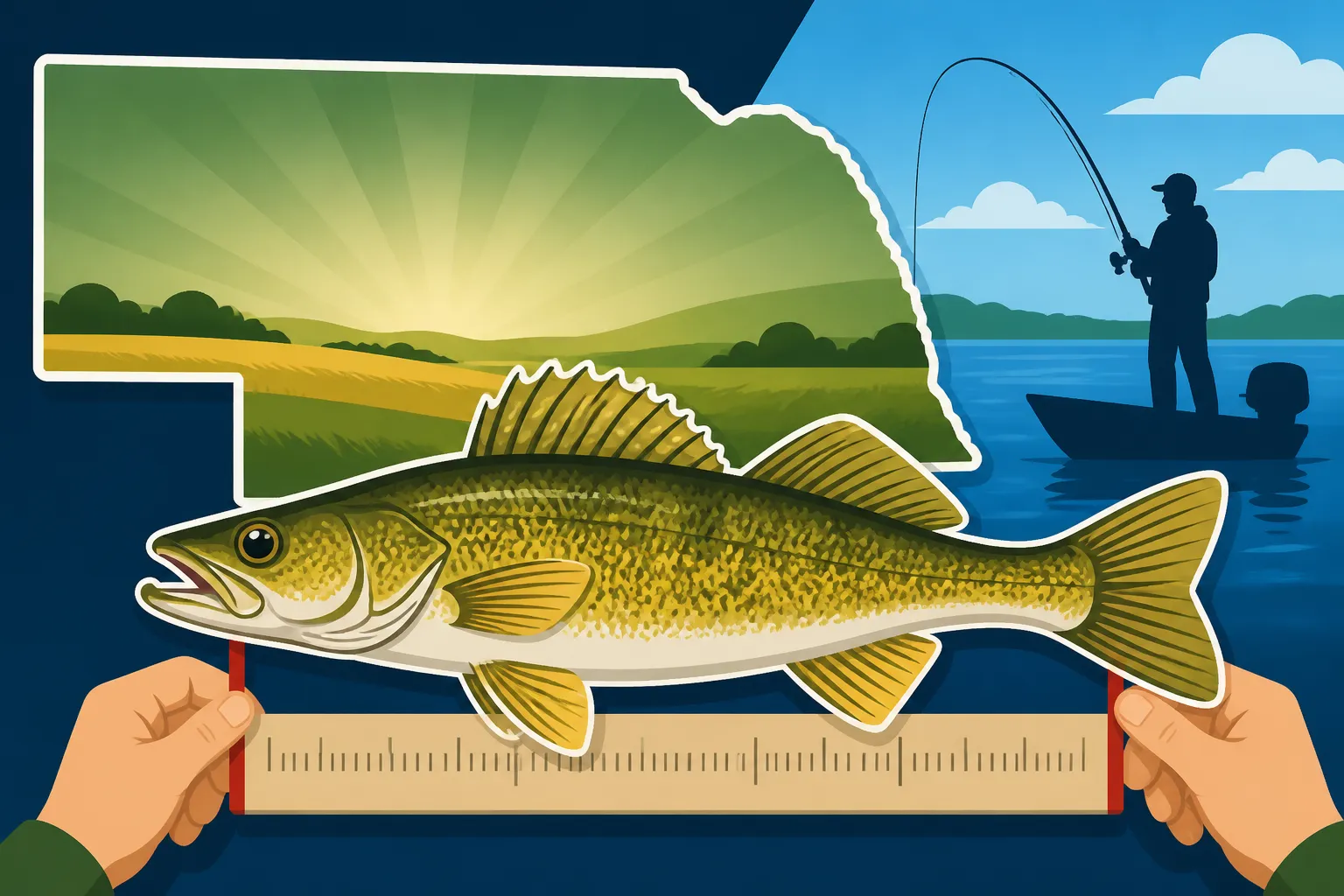
- Snout to Tail: Position the fish so its snout is against the fixed end of your measuring device (or the zero mark of your tape). Now, the important part: gently compress the tail fin. This means squeezing the lobes of the tail together so that the measurement extends to the furthest point of the tail. Don't just measure to the fork in the tail or let the tail splay naturally; compress it for the maximum length.
- Read the Measurement: Read the length to the nearest quarter or eighth of an inch, especially if it’s a borderline fish. If there's any doubt, it's always safest to round down and release the fish. A fish that's even a hair under the minimum limit must go back.
- Quickly Release (If Necessary): If the fish doesn't meet the minimum length, get it back into the water as quickly and gently as possible. Minimize its time out of the water.
Having a sturdy, accurate ruler or measuring board on hand is a small investment that pays off big time in peace of mind.
Essential Gear for Responsible Walleye Anglers
Beyond just a measuring device, a few other pieces of gear can make a huge difference in handling walleye responsibly, whether you're keeping them or letting them go.
- Long-Nose Pliers or Hemostats: Walleye have sharp teeth, and hooks can be deeply embedded. Long-nose pliers or hemostats (available on Amazon for fishing) allow you to quickly and safely remove hooks without excessive handling of the fish. This is especially important for quick releases.
- Net with Rubberized Mesh: A net helps land a fish safely, preventing it from flopping on the boat deck or rocky shore. Nets with rubberized or knotless mesh are much gentler on a fish’s slime coat and fins than traditional knotted nylon nets, reducing injury when you're trying to measure or release it.
- Fish Grips: For larger walleye, a fish grip can provide a secure way to hold the fish for measuring or photos without putting your hands near its teeth or damaging its jaw, as long as the fish is supported horizontally. Just remember to support the belly as well to avoid internal damage if the fish is heavy.
- Digital Scale (Optional): While not required for length limits, a good digital scale (many reliable options on Amazon) can be fun for weighing your catch and tracking your personal bests, especially if you're practicing catch-and-release with fish that meet the minimum length but you don't intend to keep.
Being prepared with the right gear ensures that whether your walleye is destined for the cooler or a careful release, you're doing your part to keep our fisheries healthy and thriving. Remember, adherence to rules also helps prevent situations that could lead to Nebraska Fishing Violation Penalties.
Common Misconceptions and FAQs
Even with clear rules, sometimes things get muddled. Let's clear up some common questions and misunderstandings about walleye length limits in Nebraska. Knowing the correct answers can save you from a potential citation and ensure you’re always fishing within the rules.
Does a Walleye’s Mouth Count Towards its Length?
This is a common question, especially for species where jaw position might vary. For walleye in Nebraska, the measurement is taken from the tip of the snout to the end of the compressed tail. This means the fish's mouth should be closed, and you measure from the absolute tip of its nose. No need to manipulate the jaw; just a natural closed-mouth measurement from snout to tail. Always lay the fish flat, with the snout touching the stop of your measuring device, and then gently pinch the tail lobes together to get the maximum overall length.
What Happens If I Accidentally Keep an Undersized Walleye?
Accidents happen, especially when you're excited or maybe the measuring isn't precise in choppy conditions. However, "accidentally" keeping an undersized walleye is still a violation of Nebraska fishing regulations. The consequences can range from a warning to a fine, and you will likely have to surrender the fish. In some cases, repeated offenses or significant disregard for regulations can lead to permit suspension. The best approach is always to err on the side of caution. If a fish is borderline, it's almost always safer to release it. It's much better to let one go and potentially catch a legal one later than to face legal repercussions. Knowing about Nebraska Fishing License Requirements and carrying your valid permit is part of this overall responsibility.
Are There Any Times When Walleye Length Limits Don't Apply?
Generally, no. Walleye length limits in Nebraska are in effect year-round wherever they are specified, regardless of the season. There isn't a "free pass" period for undersized walleye. The only exception might be specific scientific research permits, but those are highly specialized and not applicable to recreational anglers. Even during special fishing events, like youth fishing derbies, the length limits still apply unless explicitly stated otherwise by the Nebraska Game and Parks Commission for that specific event. Always check the current regulations published by the Nebraska Game and Parks Commission, which are available via their website or the GoOutdoorsNE online permit system. This is also where you can manage your Nebraska Fishing License Renewal.
What if I Catch a Walleye with a Damaged Tail?
This is a tricky one. Sometimes a fish might have a tail that's been nipped by another fish, or perhaps damaged by fishing gear. The regulation states measurement to the end of the compressed tail. If the tail is clearly damaged and you cannot compress it to its natural, full length, it can create a dilemma. In these situations, the interpretation often leans towards assessing what the fish's natural full length would be if the tail were intact. However, this can be subjective.
If you encounter a walleye with a significantly damaged tail and it's borderline on the legal length, the safest and most ethical course of action is almost always to release the fish. It's better to lose a potential keeper than to risk a fine or contribute to harvesting a fish that might have a reduced chance of survival or reproduction due to its injury. If you have concerns, you can always contact a Nebraska Game and Parks Commission conservation officer for clarification, though often, by then, it's too late for that specific fish. When in doubt, let it swim away to fight another day.
Disclaimer
The information provided in this guide is for general informational purposes only and is based on publicly available data from the Nebraska Game and Parks Commission at the time of writing. Fishing regulations, including minimum length limits and bag limits, can change frequently and vary by water body. It is the angler's sole responsibility to consult the most current and official Nebraska Fishing Guide and Regulations issued by the Nebraska Game and Parks Commission before engaging in any fishing activity. Failure to do so may result in fines or other penalties. Always prioritize safety and ethical fishing practices.