Nebraska Catfish Tournament Permit Rules
Ah, the thrill of a good catfish tournament! There's nothing quite like the camaraderie, the competitive spirit, and the sheer joy of pulling in a massive flathead or a feisty channel cat. But let's be real, organizing one can feel like navigating a muddy river in the dark, especially when it comes to understanding all the rules and regulations. This guide is here to shine a light on the Nebraska Catfish Tournament Permit Rules, helping you ensure your event runs smoothly and legally, protecting both your anglers and our precious Nebraskan fisheries.
Understanding Nebraska's Fishing Tournament Landscape
Before we dive into the nitty-gritty of permits, it's helpful to understand why these rules exist in the first place. Nobody wants more paperwork, but these regulations are put in place for good reasons that ultimately benefit all of us who love to fish.
Why Tournaments Need Permits
You might wonder, "Why does a group of anglers getting together to fish need a special permit?" It's a fair question, and the answer lies in conservation and fair management of our aquatic resources. Imagine a scenario where dozens, or even hundreds, of anglers descend upon a popular fishing spot like Branched Oak Lake or Merritt Reservoir, all targeting the same species of catfish. Without oversight, the sheer pressure on the fish population could become unsustainable. Fish tournaments often involve specific rules about live wells, catch-and-release practices, and concentrated effort over a short period. The Nebraska Game and Parks Commission uses tournament permits to monitor these activities. They want to ensure that events don't unduly stress fish populations, especially during sensitive times like spawning, and that all participants are following best practices for fish care. It's about balancing the fun of competition with the long-term health of our fisheries. These permits help wildlife officials track trends, identify potential issues, and ensure that everyone has a chance to enjoy the incredible fishing opportunities Nebraska offers for years to come.
Different Types of Fishing Events
Not every time a couple of buddies cast lines together in a friendly competition qualifies as a tournament needing a permit. It’s important to distinguish between a casual outing and a structured event. A family fishing picnic at a local pond, even with bragging rights for the biggest catch, typically doesn't require a special permit. The same goes for a small group of friends going out on Lewis and Clark Lake for the day, keeping their own Nebraska Fishing Daily Bag and Possession Limits.
However, when you introduce elements like entry fees, advertised prizes, specific rules beyond standard state regulations, a designated weigh-in, or a formal scoring system, you're likely stepping into tournament territory. Consider a scenario: your local fishing club organizes a yearly "Big Catfish Bash" on the Platte River, collecting a $50 entry fee from each participant and awarding cash prizes for the heaviest three fish. This is definitely an organized event that will require a permit. The key is often the competitive nature, the organization, and the potential impact of multiple anglers specifically targeting fish for a prize. If you're unsure, it's always safer to assume it might need a permit and check with the Nebraska Game and Parks Commission. They're there to help clarify these distinctions and guide you through the process, ensuring your event is compliant.
Specific Rules for Catfish Tournaments
Once you determine that your catfish gathering is indeed a tournament, understanding the specific rules for obtaining and adhering to the permit is paramount. This isn't just about ticking boxes; it's about executing a responsible and successful event.
Permit Application Process and Deadlines
Applying for a Nebraska fishing tournament permit isn't overly complicated, but it does require attention to detail and, crucially, adherence to deadlines. The primary way to apply is through the GoOutdoorsNE Online Permit System. This digital portal is your friend for almost all your Nebraska fishing license and permit needs, making it relatively straightforward to submit the necessary information. You'll typically need to provide details like the proposed date(s) of the tournament, the specific waterbody or stretch of river you plan to use, the species you're targeting (in this case, catfish), the estimated number of participants, and your planned weigh-in procedures.
It's absolutely essential not to procrastinate on this. Imagine you've spent months planning your big annual "Missouri River Monster Catfish Tournament," secured sponsorships, and got all your anglers excited, only to realize a week before the event that you missed the application deadline by a month. Trust me, it happens, and it's a headache no one needs. While specific deadlines can vary, it's generally wise to apply well in advance, often 30 to 60 days before your event. This gives the Game and Parks Commission ample time to review your application and address any questions or concerns. Some smaller, less impactful events might have more flexibility, but for larger, competitive catfish tournaments, planning ahead is non-negotiable. Always check the official Nebraska Game and Parks website for the most current application forms and deadline information.
Live Release and Fish Handling Regulations
One of the most critical aspects of any catfish tournament in Nebraska, especially those focused on catch-and-release or live weigh-ins, revolves around proper fish handling and live release protocols. Nebraska is dedicated to conserving its fisheries, and the welfare of the fish is a top priority. For catfish, which can be quite hardy but also vulnerable to stress, these rules are particularly important.
Tournament permits often come with strict requirements for live wells. These aren't just for keeping fish wet; they need to be adequately sized, properly aerated, and maintained at appropriate temperatures to minimize stress on the fish. For instance, if you're pulling a giant channel catfish out of a warm summer lake like Johnson Lake, a poorly aerated, overheated live well could quickly lead to fish mortality. Organizers are typically responsible for ensuring all participants understand and adhere to these guidelines. This includes things like minimizing the time fish spend out of the water for photos, using knotless, rubberized landing nets to protect fins and slime coats, and handling fish gently.
Some tournaments might even require participants to have specific tools on hand, such as specialized measuring devices that don't harm the fish or weigh slings that support the fish's entire body during weigh-in. The goal is always to return the fish to the water in the best possible condition, ensuring they can recover and contribute to future generations. For more detailed information, looking into Nebraska Channel Catfish Daily Limit and Does Nebraska Have a Size Limit on Catfish? can give you insights into broader regulations that underpin these handling requirements.
Weigh-in Procedures and Equipment
The weigh-in is the climax of any fishing tournament, but for catfish tournaments in Nebraska, it's also a crucial point for demonstrating responsible fish care. The permit rules often dictate specific procedures to ensure accuracy, fairness, and, most importantly, the continued health of the fish.
First, the equipment: organizers are often required to use certified, accurate scales. This isn't just to prevent disputes among anglers; it ensures the integrity of the tournament and provides reliable data if needed by Game and Parks officials. You can find some excellent, reliable digital scales on platforms like Amazon that are suitable for tournament use, but always ensure they are regularly calibrated. Fish should be weighed quickly and efficiently. A common practice involves using weigh bags or slings filled with water to support the fish's body weight, preventing internal damage that can occur if a heavy fish is simply hung by the jaw or gills.
During the weigh-in, minimize the time the fish is out of the water. Having a clear, organized process with dedicated personnel who understand proper handling is key. After the weight is recorded, the fish should be immediately returned to an oxygenated release tank or directly to the water, ensuring a swift and safe recovery. This meticulous approach to weigh-ins not only enhances the professionalism of your event but significantly improves the survival rate of the released catfish, reinforcing the conservation message behind the permit system.
Here's a quick summary table of key considerations for your Nebraska Catfish Tournament:
| Aspect | Key Consideration | Important Detail |
|---|---|---|
| Permit Application | Apply well in advance (30-60 days recommended). | Use the GoOutdoorsNE Online Permit System. Provide event dates, location, targeted species, and estimated participants. |
| Fish Handling | Prioritize fish health and survival. | Mandatory use of aerated live wells. Minimize out-of-water time. Use knotless nets and proper release techniques. |
| Weigh-in Protocol | Ensure accuracy, fairness, and fish safety. | Use certified, calibrated scales. Employ weigh bags/slings with water. Promptly release fish after recording weight. |
| General Regulations | Tournament permit does not exempt from standard fishing rules. | All participants still need a valid Nebraska Fishing License Guide. Adhere to Nebraska Fishing Regulations Explained. |
| Contact NGPC | When in doubt, always contact Nebraska Game and Parks Commission. | Seek clarification on specific rules or unique event circumstances. |
Important Considerations Beyond the Permit
While obtaining the permit is a big step, there are other crucial aspects to consider when organizing a catfish tournament in Nebraska. These often go hand-in-hand with responsible event management and can significantly impact the success and legality of your competition.
General Fishing Regulations Still Apply
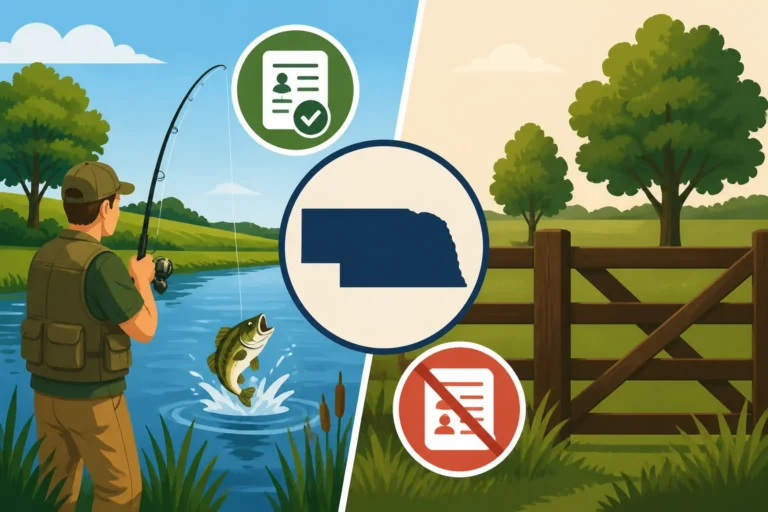
This is a point that often trips up even seasoned anglers and tournament organizers. A Nebraska Catfish Tournament Permit is not a blanket exemption from the state's general fishing regulations. Every single participant in your tournament must still possess a valid Nebraska fishing license. You can't just show up to Harlan County Reservoir with a tournament permit and expect to be exempt from individual licensing. This includes checking out the latest information on Nebraska Fishing License Costs and Types to ensure everyone is compliant.
Beyond licenses, all anglers must adhere to the standard rules regarding Nebraska Fishing Season Dates and Limits, species-specific bag and possession limits, and length limits that are in effect for the waterbody you are fishing. For example, if there's a specific slot limit for channel catfish on the stretch of the Republican River you're fishing, tournament participants must abide by that, unless the permit explicitly states an exception (which is extremely rare for common species like catfish and would be clearly detailed). Bait regulations, restrictions on the number of lines, and even specific methods like snagging or trotlining, must still be followed according to the overall Nebraska Fishing Regulations Explained. It's the tournament organizer's responsibility to educate participants on these ongoing requirements, as violations by individual anglers can still result in penalties, even if the tournament itself is permitted.
Event Publicity and Public Access
When you're organizing a catfish tournament, especially a larger one, how you publicize it and how it impacts public access to the chosen fishing spot are important considerations. If your tournament at a popular area like Lake McConaughy is widely advertised, it can attract a significant number of participants and spectators. This influx of people can affect other recreational users of the lake or river – pleasure boaters, kayakers, casual anglers, or even those just enjoying the shoreline.
Tournament organizers need to consider potential crowding and how to manage it responsibly. Will certain boat ramps be heavily congested? Are there areas where tournament activities might interfere with non-tournament anglers? While you can't necessarily restrict public access to public waters, you can plan your event to minimize disruption. This might involve scheduling weigh-ins during less busy times, providing clear communication about tournament boundaries, or even coordinating with local authorities or park staff to manage traffic or parking. Being transparent and considerate about your event's footprint helps maintain positive relationships with the broader outdoor community.
Financial Responsibilities and Prizes
The financial aspects of a fishing tournament extend beyond just paying for the permit. If your catfish tournament involves entry fees and awards cash prizes, merchandise, or even significant gift cards, you're entering an area with potential legal and financial ramifications that go beyond just fishing regulations.
Firstly, if there are entry fees and payouts, you'll need a clear, transparent system for managing these funds. This ensures fairness among participants and protects the organizers from accusations of mismanagement. Depending on the size of the prizes and the nature of the tournament, there could be state or federal tax implications for prize winners. For substantial cash prizes, winners might receive a 1099-MISC form, meaning they'll need to report their winnings to the IRS. While it's typically the winner's responsibility to handle their taxes, as an organizer, being aware of these possibilities and providing general guidance (or directing winners to a tax professional) is a good practice. Furthermore, some states have regulations regarding gambling or raffles, and while fishing tournaments are generally seen as skill-based, large payouts could draw scrutiny. It's always a good idea to consult with a legal professional if you're planning a tournament with significant financial stakes to ensure full compliance with all applicable laws.
Common Misconceptions and Troubleshooting
Even with the best intentions, navigating tournament rules can lead to confusion. Let's tackle a couple of common questions and where to go for definitive answers.
What if My Event is Small?
This is perhaps the most common question organizers have: "My tournament is just a small, friendly gathering of a dozen people; do I really need a permit?" The answer, frustratingly, isn't always a simple yes or no, but leaning towards caution is always best. As we touched on earlier, a spontaneous, informal competition among a few friends usually won't trigger the permit requirement. However, if your "small event" starts to include any of the following, it might just cross the line into needing a permit:
- Advertised entry fees: Even a small fee, if it's publicly solicited.
- Publicity: If you're promoting the event on social media, community boards, or local bait shops.
- Formal prizes: Beyond just bragging rights, if you're giving away even small cash prizes, gift certificates, or tangible merchandise. You might even find some useful, affordable gear for prizes on Amazon.
- Designated weigh-in: A structured process with official scales and rules.
- Specific tournament rules: Any rules beyond the standard Nebraska fishing regulations.
- Targeting specific species aggressively: Even a small group can put pressure on a specific population if concentrated.
Think of it this way: the Nebraska Game and Parks Commission's interest is in managing public resources. If your "small event" has the potential, however minor, to affect public use or fish populations, or if it looks like a commercial venture, they'll want to know about it. My advice? If there's any doubt at all, contact the Nebraska Game and Parks Commission. A quick phone call or email can save you a lot of potential headaches and penalties down the road. It’s far better to ask and find out you didn't need one than to proceed without one and face a fine for Nebraska Fishing License Violation Penalties.
Finding Official Resources
While this guide aims to be comprehensive, rules and regulations can change, and specific situations often require direct clarification. When you need the definitive word on Nebraska Catfish Tournament Permit rules, always go straight to the source: the Nebraska Game and Parks Commission.
Their official website is a treasure trove of information. You can usually find dedicated sections for fishing regulations, permit applications, and contact information. Look for their "Fisheries Division" or "Law Enforcement" sections, as these are the departments most likely to handle tournament permits and associated questions. Don't hesitate to reach out to them directly. The conservation officers and administrative staff are there to help you understand and comply with the rules. They can clarify ambiguities, confirm specific requirements for your chosen body of water, and ensure your event is fully above board. You can typically find Nebraska Game Warden Contact Information on their website. It’s also wise to always download or pick up the latest physical copy of the Nebraska Fishing Regulations Booklet each year, as this often contains a section on tournament requirements and outlines all the crucial rules for fishing specific species like How to Catch Catfish in Nebraska and what bait to use, such as Best Bait for Nebraska Catfish.
Disclaimer
The information provided in this guide is intended for general informational purposes only and does not constitute legal advice. While we strive to keep the information accurate and up-to-date, regulations can change. Always consult the official Nebraska Game and Parks Commission website or contact them directly for the most current and specific rules pertaining to fishing tournament permits.