Nebraska Game Warden Contact Information
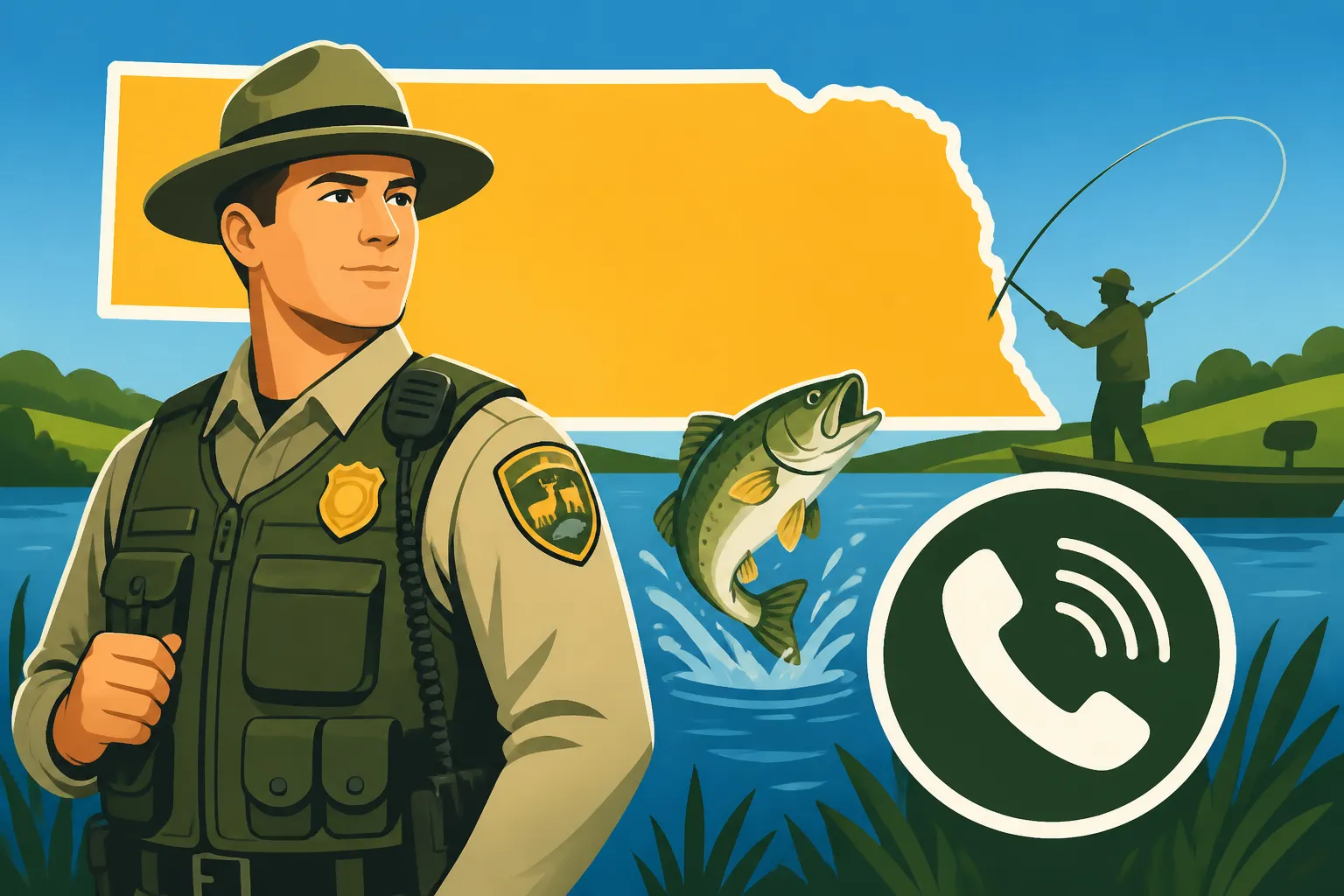
There's nothing quite as frustrating as being out on the water, enjoying a peaceful day of fishing in Nebraska, only to witness something that just doesn't feel right, or perhaps you've got a burning question about a tricky regulation that could impact your entire trip. Knowing who to call and how to effectively communicate your concerns or questions to a Nebraska Game Warden can feel like navigating a maze. This guide is here to untangle that confusion, providing you with the essential contact information and best practices for reaching out to those who protect our state's natural resources.
Why You Might Need to Contact a Nebraska Game Warden
When you think of a game warden, your first thought might be "the person who checks my fishing license." And while that's certainly part of their job, their role is far more extensive and crucial to the health of Nebraska's ecosystems and the integrity of its outdoor pursuits. You might find yourself needing to contact them for a variety of reasons, from reporting serious violations to simply seeking clarification on the rules.
Reporting Violations and Poaching
Unfortunately, not everyone respects the regulations designed to ensure sustainable fishing for all. Witnessing someone breaking the rules can be disheartening, but reporting it is vital. Game wardens are on the front lines against poaching and other illegal activities. This could involve someone exceeding the daily bag limit for walleye at Lake McConaughy, using illegal fishing methods, or fishing without a valid license. For instance, if you see someone with an obviously oversized stringer of crappie, or perhaps using too many lines, that's definitely something to report. Every year, game wardens investigate hundreds of cases related to Nebraska Fishing Violation Penalties and ensuring proper adherence to Nebraska Fishing License Guide. Prompt reporting helps protect our fisheries from depletion and ensures fair access for everyone.
Asking for Clarification on Regulations
Sometimes, the regulations can be a bit nuanced, and a quick call or email can save you from an unintentional violation. Maybe you're unsure about the specific length limits for bass at a particular lake, or perhaps you're planning a trip to the Missouri River and need to understand the border water rules. These are perfectly legitimate questions that game wardens or Nebraska Game and Parks Commission staff can help clarify. It's always better to ask beforehand than to accidentally break a rule. For example, understanding Nebraska Walleye Daily Bag Limit or Nebraska Bass Length Limits can vary significantly by water body, making a quick check essential for responsible anglers.
Seeking Assistance in Non-Life-Threatening Situations
While game wardens are law enforcement, they also act as valuable resources in less critical situations. If you've encountered a stranded or injured animal, noticed unusual environmental damage, or if you're experiencing a minor boat issue that isn't an immediate emergency but requires some assistance, a game warden might be the right person to call. It’s important to distinguish these from true emergencies, which always warrant a 911 call first. For instance, if your boat breaks down and you're not in immediate danger but need advice on how to proceed, or if you've lost track of a child who wandered off near a fishing spot, a game warden can be a critical link to help.
Official Channels for Reaching Nebraska Game Wardens
Getting in touch with the right people in law enforcement can sometimes feel like a maze, but the Nebraska Game and Parks Commission (NGPC) has several clear avenues for anglers and outdoor enthusiasts to use. Knowing these distinct channels helps ensure your message gets to the right place quickly.
The Dedicated "Stop Poaching" Hotline
For serious violations like poaching, overharvesting, or other illegal activities that threaten Nebraska's fish and wildlife, the NGPC operates a dedicated, anonymous "Stop Poaching" hotline. This is your most direct and effective way to report suspected crimes in progress or recently witnessed violations.
The number for the "Stop Poaching" hotline is 1-800-742-7627.
When you call this number, you'll be connected to operators who are trained to take down critical information. It's designed to be anonymous, so you don't have to worry about providing your name unless you choose to. However, even with anonymity, providing as many details as possible is crucial. Think about the "who, what, when, where, and how."
- Who: Descriptions of individuals (clothing, hair color, approximate age), number of people involved.
- What: The specific activity taking place (e.g., snagging fish illegally, keeping undersized fish, using an illegal net).
- When: The exact time and date you witnessed the activity. If it's ongoing, state that.
- Where: This is perhaps the most important detail. Be as precise as possible. GPS coordinates, road names, nearest landmarks, specific lake or river access points, even distinctive trees or rocks can help.
- How: Any vehicles involved (make, model, color, license plate number if safe to obtain), boat descriptions, specific equipment being used.
Remember, this hotline is specifically for reporting violations. For general inquiries or less urgent matters, other contact methods might be more appropriate. Knowing how to efficiently How to Report a Fishing Violation in Nebraska can make all the difference in protecting our natural resources.
Nebraska Game and Parks Commission Main Offices
For general inquiries, clarifications on regulations, or administrative questions that don't involve an active violation, contacting the main offices of the Nebraska Game and Parks Commission is usually the best approach. These offices can direct you to the appropriate department or individual.
- Lincoln Headquarters: The primary administrative office for NGPC is located in Lincoln. You can reach them by phone at (402) 471-0641. This number is great for general questions about permits, specific season dates, or locating the correct department for a niche inquiry. For example, if you have questions about the GoOutdoorsNE Online Permit System or how to renew your permit, this is a good starting point.
- Law Enforcement Division: While the Stop Poaching hotline is for immediate reports, if you have a non-urgent question specifically for the Law Enforcement Division, or need to follow up on a previous report (where you provided your contact info), their general line can be reached at (402) 471-5531. This is not for emergencies or active violations, but rather for administrative or informational law enforcement-related queries.
These numbers are staffed during regular business hours, typically Monday through Friday. If your question can wait, an email to their general information inbox (often found on the official outdoornebraska.gov website) can also be an effective way to get a response.
Local Law Enforcement and Sheriff's Departments
In certain situations, especially when a game warden might not be immediately available, or if the situation involves broader public safety concerns, contacting local law enforcement like the county sheriff's department or city police can be a necessary first step. This is particularly true if you are in a remote area and need immediate assistance, or if a violation you witness also constitutes a general crime (e.g., vandalism, assault, severe reckless endangerment that happens to be near a fishing spot).
Local law enforcement agencies often have the capability to respond more quickly than a specialized game warden who might be covering a very large territory. They can assess the situation, secure a scene, or even contact the appropriate game warden for you. Always use the non-emergency dispatch number for these agencies unless it is a life-threatening emergency, in which case 911 is paramount. For example, if you observe suspicious activity involving a boat that seems unsafe or potentially stolen, connecting with local authorities alongside providing details about Nebraska Boat Registration and Fishing Rules could be beneficial.
Best Practices for Contacting Law Enforcement
When you’re reaching out to a game warden or any law enforcement agency, how you communicate can significantly impact the effectiveness of their response. Providing clear, concise, and accurate information, while prioritizing your own safety, is absolutely key.
What Information to Gather Before You Call
Before you dial, take a moment to collect your thoughts and jot down some critical details. The more information you can provide, the better equipped the responding officers will be. Imagine you're painting a picture with words for someone who can't see what you're seeing.
- Precise Location: This is paramount. If you have GPS coordinates from your phone or a fish finder, that's ideal. Otherwise, provide cross streets, mile markers, access points, names of lakes or rivers, and descriptions of landmarks (e.g., "south shore of Branched Oak Lake, near the sailboat marina," or "Platte River, approximately one mile downstream from the Highway 30 bridge").
- Time and Date: When did you witness the activity? Is it ongoing?
- Nature of the Violation/Concern: Be specific. Instead of "someone is doing something wrong," say "I observed two individuals keeping approximately 20 walleye, many of which appeared to be under the legal length limit."
- Description of Individuals: Gender, approximate age, hair color, height, build, and most importantly, clothing description. Don't forget any distinctive features like tattoos or hats.
- Vehicle Information: Make, model, color, license plate number (if safe to obtain without drawing attention), and any distinguishing features like bumper stickers, trailer type, or boat name.
- Boat Information: Type of boat (bass boat, pontoon, jon boat), color, any registration numbers, and motor type.
- Evidence: Did you take photos or videos? Note that you have them, but do not attempt to gather evidence if it puts you in danger.
Having these details ready not only helps the warden, but it also helps you relay the information calmly and effectively, especially if you're feeling stressed by the situation. This level of detail is critical for any report, from someone ignoring Nebraska Aquatic Invasive Species Stamp Explained rules to suspected overharvesting.
When to Use the Emergency 911 System
It's crucial to understand the difference between calling the "Stop Poaching" hotline or a general NGPC number and calling 911. If there is an immediate threat to life, serious injury, or an active violent crime in progress, you should always call 911 first.
Examples of situations warranting a 911 call:
- Someone is in immediate physical danger.
- An active assault or fight.
- A boating accident with serious injuries or capsizing.
- A lost person in severe weather or dangerous terrain.
- Any situation where you or others feel physically unsafe or are facing imminent harm.
While game wardens are law enforcement, their primary focus is on fish and wildlife laws. They are not typically the first responders for human-related emergencies. The 911 system is equipped to dispatch the closest and most appropriate emergency services, whether that's police, fire, or ambulance.
Maintaining Your Safety and Anonymity
Your safety is always the top priority. If you witness a violation, never confront the individuals involved. You don't know their temperament, if they are armed, or how they might react. Your role is to be a good witness, not an enforcer.
When reporting:
- Stay Discreet: Observe from a safe distance. If taking photos or videos, do so covertly.
- Do Not Intervene: Your safety is more important than preventing a violation. Let the trained professionals handle it.
- Anonymity: The "Stop Poaching" hotline allows for anonymous reporting. If you call a general number, you can usually request to remain anonymous, though providing contact information can sometimes help if the warden needs further clarification. However, if you feel unsafe providing your name, don't.
- Record Details After the Fact: Once you are in a safe location, write down everything you remember. Details can fade quickly under stress.
By following these best practices, you can effectively communicate with Nebraska Game Wardens and other law enforcement, helping to protect our natural resources and ensure everyone's safety, without putting yourself in harm's way. This information can be particularly useful if you have questions about specific regulations, like those for the Nebraska Mentored Youth Fishing Program Rules or any situation involving Fine for Fishing Without a License in Nebraska.
Here's a quick reference guide to help you find the right contact:
| Contact Channel | Primary Use | Phone Number | Best Time to Call | Anonymity Option |
|---|---|---|---|---|
| Stop Poaching Hotline | Report active or recently witnessed fishing/hunting violations, poaching, overharvesting, illegal methods, or significant environmental concerns. | 1-800-742-7627 | 24/7 (Emergencies & Violations) | Yes |
| NGPC Lincoln Headquarters | General inquiries, permit questions (e.g., Nebraska Annual Fishing Permit or Nebraska Combination Hunt and Fish Permit), regulation clarifications (non-urgent), administrative questions. | (402) 471-0641 | Mon-Fri, 8 AM – 5 PM (Business Hours) | No |
| NGPC Law Enforcement Division | Non-urgent follow-ups on previous reports (if contact info provided), specific law enforcement related questions not covered by general inquiries. | (402) 471-5531 | Mon-Fri, 8 AM – 5 PM (Business Hours) | No |
| Local Sheriff/Police (Non-Emergency) | Situations requiring immediate local law enforcement presence, broader public safety concerns near fishing areas, non-life-threatening incidents where a game warden isn't available. | (Look up local #) | 24/7 | Varies by agency |
| Emergency 911 | Any immediate threat to life, serious injury, active violent crime, severe boating accidents, or other life-threatening situations. | 911 | 24/7 (Life-Threatening Emergencies) | Yes (if caller is in danger) |
Remember, using the correct channel for your specific need ensures the most efficient and effective response from our dedicated Nebraska Game Wardens and other emergency services. Your vigilance and responsible reporting play a crucial role in maintaining healthy fisheries and safe outdoor experiences for all of us.
Disclaimer
The information provided in this guide is for general informational purposes only and is subject to change. While we strive to keep the content accurate and up-to-date, fishing regulations, contact numbers, and official policies are ultimately determined by the Nebraska Game and Parks Commission. Always consult the official Nebraska Game and Parks Commission website or their current printed regulations booklet for the most precise and legally binding information before engaging in any fishing activities. We are not responsible for any inaccuracies or outdated information.