Nebraska Mentored Youth Fishing Program Rules
It’s incredibly frustrating when you want to share the joy of fishing with a child, but you're constantly second-guessing if you need to buy them a license, or if you're even following the rules correctly. Many well-meaning adults hold back, worried about fines or confusion. This comprehensive guide will unravel all the intricacies of the Nebraska Mentored Youth Fishing Program, ensuring you can confidently get kids hooked on fishing, legally and without unnecessary stress.
What Exactly is the Nebraska Mentored Youth Fishing Program?
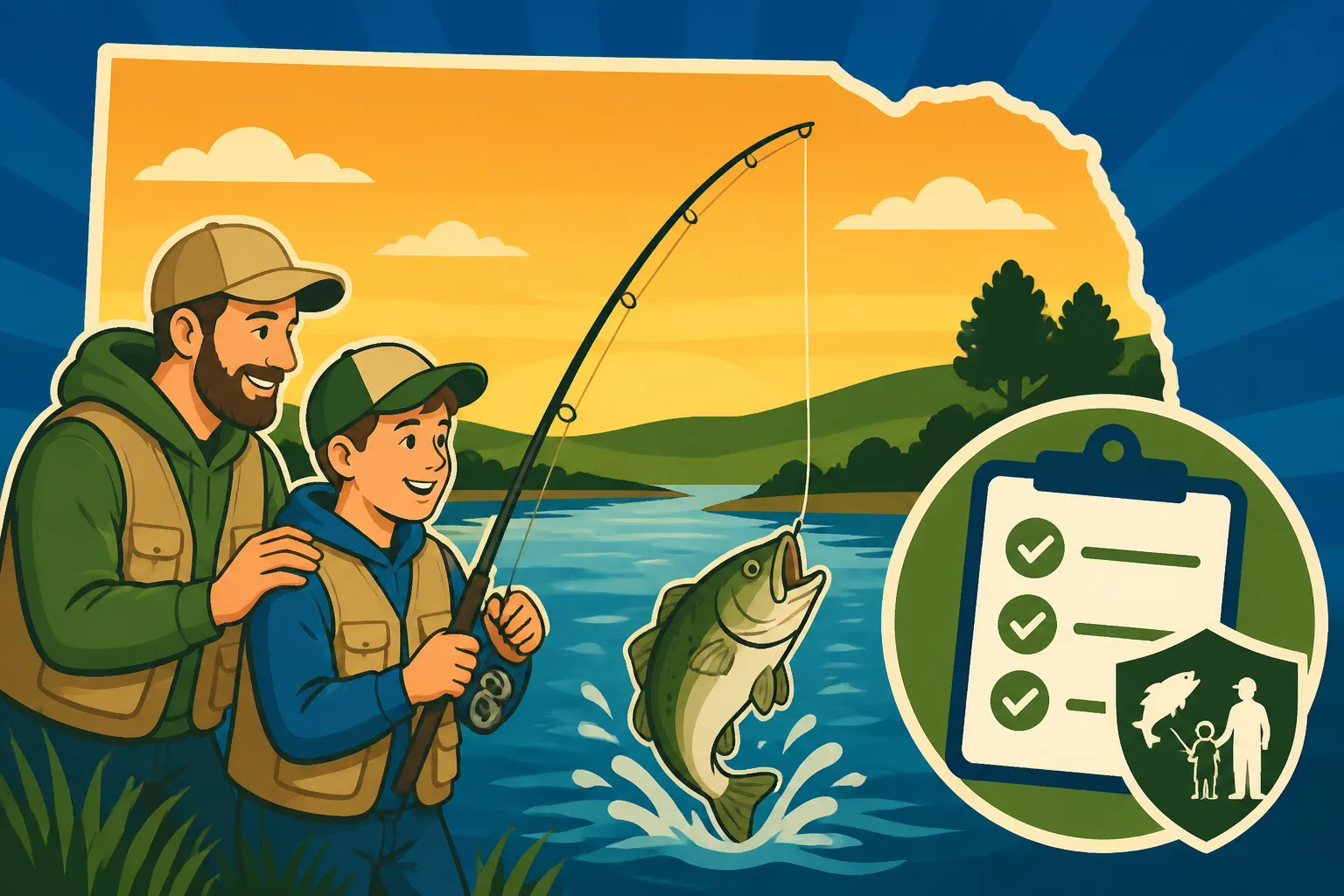
The Nebraska Mentored Youth Fishing Program is a fantastic initiative designed to foster a love for fishing in the next generation, all while making it easier and more accessible for families. Think of it as a gateway program, removing one of the initial hurdles – the need for a separate fishing license for young anglers – and instead putting the focus squarely on the experience itself. It's not just about catching fish; it's about spending quality time outdoors, learning about nature, and building memories that last a lifetime. This program understands that introducing a child to fishing should be about wonder, not paperwork.
The Heart Behind the Program
At its core, the program is all about mentorship. It recognizes that most kids don't just spontaneously decide to go fishing; they're often introduced to it by an adult who already has a passion for the sport. The Nebraska Game and Parks Commission (NGPC) created this program to officially recognize and support that natural mentorship. They want to encourage parents, grandparents, aunts, uncles, family friends, and community leaders to take a child out fishing without the added financial or bureaucratic burden of purchasing an individual license for every child under a certain age. It’s a smart way to ensure that cost isn't a barrier to entry, especially for families with multiple young children who are just dipping their toes into the angling world. It really streamlines the process, allowing adults to focus on the fun part – teaching and bonding.
Who Qualifies as a Mentor and a Mentee?
This is where the rubber meets the road, and it’s important to get these definitions right to stay within the program's guidelines.
First, let's talk about the mentor. A mentor under this program must be an adult, specifically 16 years of age or older, and they absolutely must possess a valid Nebraska fishing license. This isn't a loophole to let unlicensed adults fish; it's an opportunity for licensed adults to share their passion. The mentor also needs to have any additional stamps required for the waters they are fishing, like a Nebraska Aquatic Habitat Stamp Explained or a Nebraska Trout Stamp Requirements if they are targeting specific species in certain areas. It’s their responsibility to ensure they are fully compliant, as the youth angler will essentially be fishing under their license. You, as the mentor, are the captain of this ship, and all the legal responsibilities rest on your shoulders. If you're wondering about your own permit, you can find details on the different options in our guide on Nebraska Fishing License Costs and Types.
Now for the mentee – the star of the show! A mentee must be under 16 years of age. This means if you have a child who just turned 15, they are perfect for the program. If your child is turning 16 soon, be aware that once they hit that milestone, they will need their own fishing license. We delve into this further in our article, What Age Can You Fish Without a License in Nebraska?. The beauty of this program is that there's no limit to how many mentees one licensed adult can bring, as long as the adult is actively supervising and ensures all combined bag limits are adhered to. This makes it ideal for youth groups, scout troops, or just a fun day out with a bunch of neighborhood kids.
Understanding the License Exemptions and Rules
The core benefit of the Mentored Youth Fishing Program is the license exemption for young anglers. But like any good program, it comes with specific rules and responsibilities that both the mentor and mentee need to understand. It's not a free-for-all; it's a structured way to introduce kids to fishing responsibly.
The Magic Number: Age Limits
As we touched on, the critical age for this program is under 16 years old. This aligns perfectly with Nebraska's general fishing license requirements, which state that anyone 16 years and older must possess a valid fishing license. So, if your child is 15 years, 11 months, and 29 days old, they are good to go under your mentorship. The moment they celebrate their 16th birthday, however, they transition out of the mentee category and into the realm of requiring their own permit. This is a common point of confusion, and it’s why understanding the Nebraska Fishing License Rules for Kids and Seniors is so important. Make sure you check their ID or birth certificate if there's any doubt, especially if you're mentoring a child who isn't your own, just to be on the safe side.
Restrictions and Responsibilities for Mentors
Being a mentor is more than just providing a ride to the lake; it's a position of legal responsibility. Here are the key restrictions and duties:
-
Valid License and Stamps: As the mentor, you must have a current, valid Nebraska fishing license and all necessary stamps (like the Aquatic Habitat Stamp, and any species-specific stamps if applicable). If you fish for trout, you'll need a trout stamp. If you're fishing in waters where an aquatic invasive species stamp is required for your boat, you'll need that too. This isn't optional; it's the foundation of the entire program. If you don't have a valid license, you're not just fishing illegally yourself, but you're also putting any accompanying youth at risk of a violation. If you need to renew, the GoOutdoorsNE Online Permit System is a convenient way to do it.
-
Active Supervision: You must be actively fishing with the youth. This isn't a "drop them off at the dock and go read a book" kind of deal. You need to be engaged, instructing, and overseeing their activities. This ensures safety, proper technique, and adherence to regulations. Wardens may question how "active" you are, so make sure you're visible and attentive to the youth.
-
Combined Bag and Possession Limits: This is perhaps the most critical rule. The licensed adult and the mentored youth operate under a combined daily bag and possession limit. This means if the daily limit for walleye is 4, and you and a mentee are fishing, your total catch between the two of you cannot exceed 4 walleye. You do not each get to catch 4. This rule is designed to prevent overharvest and ensure conservation. You are legally responsible for all fish caught by both yourself and your mentee, so keep a close eye on the creel. Understanding the Nebraska Fishing Daily Bag and Possession Limits is crucial before you even cast a line.
-
Adherence to All Regulations: Beyond licenses and limits, you are responsible for ensuring the youth follows all other Nebraska fishing regulations. This includes legal methods of take, length limits (e.g., Nebraska Walleye Minimum Length Limit), bait restrictions, and any special regulations for specific waters or species. Before heading out, take a moment to review the Nebraska Fishing Regulations Explained for your chosen fishing spot.
What about other stamps?
This is a common question, and it ties directly into the mentor's responsibilities. If you, as the mentor, are required to have a specific stamp to fish for a certain species or in a particular type of water, then that stamp covers both you and your mentee for that activity. The mentee doesn't need to purchase their own individual stamp.
For instance, if you're planning a fun day of trout fishing at Lake Ogallala, and you as the licensed adult need a Nebraska Trout Stamp, then your mentee under 16 years old is covered under your stamp for trout fishing. Similarly, the Aquatic Habitat Stamp is almost universally required for anyone buying a fishing license in Nebraska, so your purchase of that stamp as part of your fishing license also covers your mentee. It’s important to remember that these stamps are tied to the licensed individual, which in this case is the mentor. Without the mentor's valid license and any required stamps, the mentee cannot legally engage in the activity (e.g., fishing for trout) even if they are under 16.
Here’s a quick overview of who needs a license and when:
| Category | Age Group | License Required? | Notes |
|---|---|---|---|
| Mentored Youth | Under 16 | No | Must be actively supervised by a licensed adult (16+) with valid Nebraska fishing license & all stamps. |
| Independent Youth | Under 16 | No | If fishing alone or with an unlicensed adult, no license required, but all rules must still be followed. |
| Adult Angler | 16 and Older | Yes | Must possess a valid Nebraska fishing license and all necessary stamps. |
| Nebraska Free Fishing Day | All Ages, One Day | No | Typically occurs in May. Check specific date for Nebraska Free Fishing Day Date for 2026. |
Making the Most of Your Mentored Fishing Experience
The program handles the legalities, but the real magic happens on the water. A successful mentored trip isn't just about bending a rod; it's about creating an engaging, educational, and above all, fun experience for the young angler. This requires a little planning and a lot of patience.
Finding the Right Spots for Young Anglers
When you're taking a kid fishing, especially a beginner, location is absolutely key. You're not looking for trophy-sized lunkers; you're looking for consistent action and safe, accessible spots. Areas with easy bank access, amenities like restrooms, and calm waters are ideal. Think about places like the urban fishing ponds managed by the NGPC – these are often stocked regularly with easy-to-catch species like bluegill or trout. Many state parks and recreation areas also offer great options, such as the accessible piers at Holmes Lake in Lincoln or Standing Bear Lake in Omaha.
Don't overlook smaller, less intimidating waters. Farm ponds (with permission, of course!) can be fantastic for panfish and smaller bass, offering a more private and relaxed environment. Remember, the goal is to get a bite, any bite, to keep their interest piqued. Our guide to the Best Places to Fish in Nebraska can give you a lot of ideas, but for youth, prioritize accessibility and action over remote wilderness.
Essential Gear for a Successful Outing
You don't need a boatload of expensive gear to have a great time, but having the right basic setup can make a world of difference. For young anglers, simplicity and durability are key.
- Rods and Reels: A simple spinning rod and reel combo, often called a spincast combo (the ones with the button you push), is perfect for kids. They are easy to use, less prone to tangles, and inexpensive. You can find excellent beginner combos on Amazon for under $30. Look for something in a light to medium action, about 5 to 6 feet long.
- Tackle Box Basics: Keep it minimal. Hooks (size 6-10 for panfish), split shot weights, and small bobbers are your essentials. A few small lures like curly tail grubs or mini jigs can add variety. Don't forget a pair of needle-nose pliers for hook removal and a small tackle box to keep everything organized. Again, Amazon has a wide array of beginner tackle kits that are pre-packed with essentials.
- Bait: Live bait is often the fastest way to get a bite with kids. Worms, crickets, or small minnows are irresistible to many Nebraska fish. If live bait isn't an option, corn or small pieces of bread can even entice panfish.
- Comfort and Safety: Sunscreen, hats, insect repellent, plenty of water, and snacks are non-negotiable. A small cooler to keep drinks and potentially your catch fresh is also a good idea. And, of course, life jackets if you're near or on the water, even if it's just from a dock. You can easily stock up on these essentials on Amazon before your trip. Check out our Beginner Fishing Gear Guide for Nebraska for more specific recommendations.
Teaching Beyond the Catch
Fishing with kids is a prime opportunity for education that extends far beyond just baiting a hook. Use the time to teach them about:
- Patience: This is perhaps the greatest lesson fishing offers. The quiet moments are just as important as the action.
- Nature Appreciation: Talk about the birds you see, the dragonflies zipping around, or the types of trees lining the shore. Identify the fish you catch (our Nebraska Fish Species Identification Guide can help!).
- Conservation: Explain why we have bag limits, length limits, and the importance of catch-and-release, especially for smaller fish or protected species. Demonstrate how to safely handle and release a fish to ensure its survival. This instills a sense of responsibility for the environment.
- Safety First: Emphasize the dangers of hooks, sharp objects, and slippery banks. Teach them to cast safely, always looking behind them.
- Basic Knots: Start with a simple knot like an Improved Clinch Knot. It's a foundational skill that gives them a sense of accomplishment.
- Reading the Water: Point out structures like lily pads, submerged logs, or weed lines where fish might be hiding.
The Nebraska Mentored Youth Fishing Program is not just a regulatory framework; it's an invitation to engage with the natural world and pass on a cherished pastime. Focus on the experience, and the memories will naturally follow. You might even find some tips in our article on How to Teach a Kid to Fish in Nebraska.
Common Misconceptions and Troubleshooting
Even with the best intentions, questions and confusion can arise. Let's tackle some common scenarios that might pop up when utilizing the Nebraska Mentored Youth Fishing Program.
"My kid is almost 16, do they still qualify?"
This is a frequently asked question, and the answer is a firm, clear "yes," as long as they are literally still under 16 years of age. The program's cutoff is strict: if they haven't celebrated their 16th birthday yet, they are considered a mentee. The day they turn 16, they are no longer eligible to fish under your license and must purchase their own.
It’s easy to think, "Oh, they're only a month away, it's fine," but that's not how the rules work. Imagine you're stopped by a Nebraska Game and Parks Commissioner for a license check. If your 16-year-old doesn't have their own license, regardless of how recently they turned 16, it's a violation. The best practice is to know their exact birthdate and plan accordingly. If their birthday is coming up, consider it a milestone. Make their 16th birthday fishing license a special gift, marking their transition into a fully licensed angler! You can easily purchase a Nebraska Annual Fishing Permit for them online.
What if we fish in border waters?
Nebraska shares border waters with several states, notably the Missouri River with Iowa, Missouri, and South Dakota, and Lewis and Clark Lake with South Dakota. Fishing these border waters can add another layer of complexity to licensing, and it's vital to understand these nuances, especially when mentoring a youth.
Generally, Nebraska's Mentored Youth Fishing Program rules apply to fishing within Nebraska's waters. When you venture into border waters, you need to consult the specific reciprocity agreements Nebraska has with the neighboring state. For example, if you're fishing the Missouri River, Nebraska residents with a valid Nebraska license can often fish the Nebraska and Iowa portions of the river without needing an Iowa license, and vice-versa for Iowa residents. However, this reciprocity typically applies to the licensed individual.
The key question then becomes: does the mentee exemption carry over into the other state's waters? This varies and is usually not the case. While Nebraska allows your under-16 mentee to fish without a license under your supervision in Nebraska waters, Iowa, South Dakota, or Missouri might not have the same exact program or reciprocity for that exemption.
To be absolutely safe and avoid any potential issues, if you plan to fish border waters like Lewis and Clark Lake, it's highly recommended to consult the fishing regulations for both Nebraska and the bordering state (e.g., South Dakota's Game, Fish and Parks website). You might find that for your mentee to fish in the South Dakota portion of Lewis and Clark Lake, they might require a South Dakota youth license, or the Mentored Youth rules might be different. Never assume reciprocity for youth exemptions. A quick call to the Nebraska Game and Parks Commission or a review of both states' regulations manuals before your trip will save you a lot of headache and potential fines.
Being prepared means you can focus on making memories, not worrying about legal gray areas.
Disclaimer
Please remember that while this guide aims to provide accurate and up-to-date information regarding the Nebraska Mentored Youth Fishing Program, fishing regulations can change. It is always the angler's responsibility to consult the most current Nebraska Fishing Guide and Regulations booklet, available from the Nebraska Game and Parks Commission, or their official website, before heading out. This content is for informational purposes only and should not be considered legal advice.