Best Fishing Spots Near Lincoln
It can be incredibly frustrating to live in a bustling city like Lincoln, Nebraska, and feel like great fishing spots are always just out of reach, requiring hours of driving. You want to wet a line, catch some fish, and enjoy nature without a massive trek. This comprehensive guide is here to tell you that incredible angling opportunities abound right on Lincoln's doorstep, offering diverse species and experiences for every kind of angler.
Discovering Lincoln's Rich Fishing Landscape
Lincoln, Nebraska, might be known for its vibrant city life and Husker football, but for those of us who love to fish, it's also a surprisingly central hub for some fantastic freshwater action. Nestled in the heart of the Salt Valley, the area surrounding Lincoln is dotted with numerous reservoirs and smaller lakes, many created for flood control, that have matured into prime fishing destinations. You don't need to drive halfway across the state to find a good bite; often, a 15 to 45-minute drive is all it takes to escape the city and get your line in the water.
This region offers a unique blend of urban accessibility and wilder, more expansive waters, providing a spectrum of experiences from family-friendly panfish outings to serious trophy walleye pursuits. The Nebraska Game and Parks Commission does an excellent job managing these waters, with regular stocking programs and habitat improvements, ensuring that anglers consistently have quality opportunities. Whether you're a seasoned pro with a fully-equipped bass boat or a beginner looking for a quiet spot to teach a kid how to cast, the lakes near Lincoln have something special waiting for you.
Why Lincoln is a Prime Base for Anglers
Living in or visiting Lincoln puts you in a strategic position to explore some of Nebraska's most productive fishing holes. The sheer number of lakes within a short drive means that if one lake isn't producing on a given day, or if the conditions aren't right, you have plenty of other options. This diversity is a real blessing, allowing anglers to target different species or switch up techniques without losing precious fishing time to travel.
Furthermore, many of these lakes are part of State Recreation Areas, offering more than just fishing. You’ll find amenities like boat ramps, campgrounds, picnic areas, and hiking trails, making it easy to turn a fishing trip into a full family outing or a weekend getaway. It’s not just about the fish; it’s about the entire experience of being outdoors, and the Lincoln area truly delivers on that front, blending convenience with natural beauty.
An Overview of Key Species in Local Waters
The fishing spots around Lincoln boast a remarkable variety of fish species, ensuring that no matter what your preferred target, you're likely to find it. Walleye are a perennial favorite, especially in the larger reservoirs, offering a challenging but rewarding pursuit for many anglers. Crappie and bluegill provide fast action and excellent table fare, making them perfect targets for beginners and families.
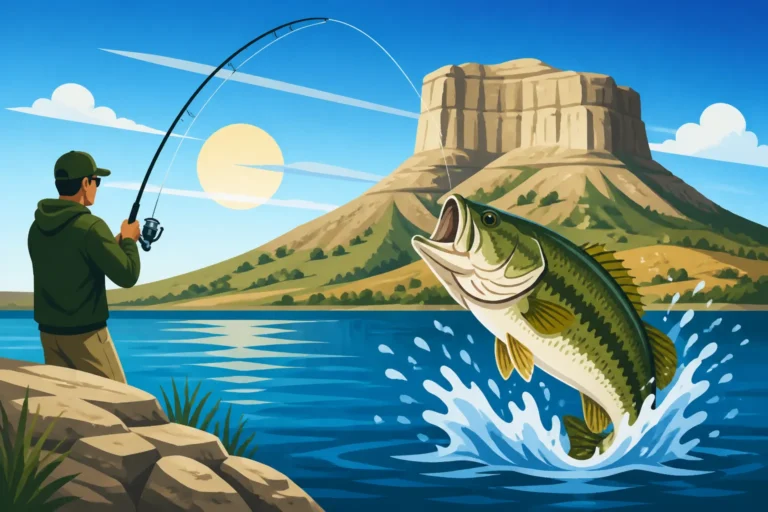
Largemouth bass are abundant in many of the area's lakes, providing thrilling topwater bites and powerful fights. Channel catfish are also widespread and popular, especially for those who enjoy night fishing or setting up a comfortable bankside camp. In certain urban ponds, you might even find rainbow trout during the cooler months, thanks to the stocking programs by the Game and Parks Commission. Understanding what species thrive in which lakes will be key to planning your most successful outing.
Branched Oak Lake: Lincoln's Premier Fishing Destination
When people talk about serious fishing near Lincoln, the conversation almost always starts with Branched Oak Lake. Located just northeast of the city, it’s the largest of Nebraska’s Salt Valley Lakes, sprawling over 1,800 acres when full. This reservoir is a true multi-species powerhouse, offering diverse habitats from rocky points and submerged timber to vast open flats, making it a favorite for countless anglers throughout the year.
The sheer size of Branched Oak means there's always a new spot to explore, and different areas of the lake can hold different species depending on the season and conditions. It can feel a bit overwhelming at first, given its expanse, but once you start to learn its contours and patterns, you'll understand why it's such a beloved spot. It truly lives up to its reputation as Lincoln's premier fishing destination, drawing anglers from all over eastern Nebraska.
Key Species and What to Expect at Branched Oak
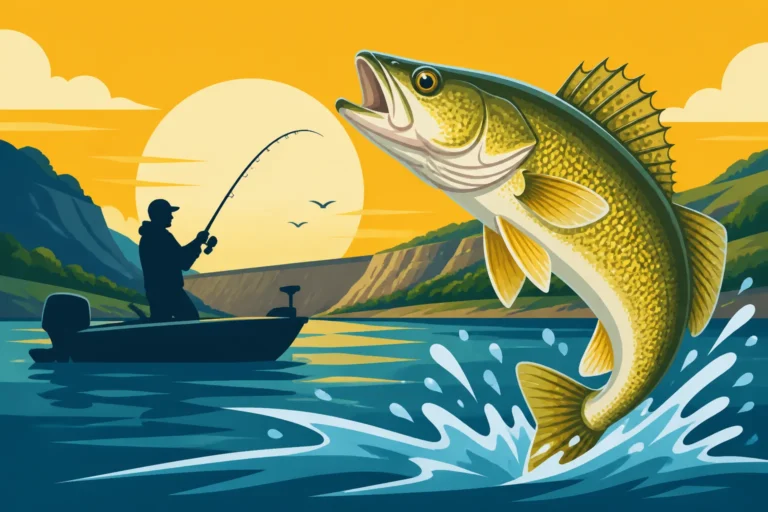
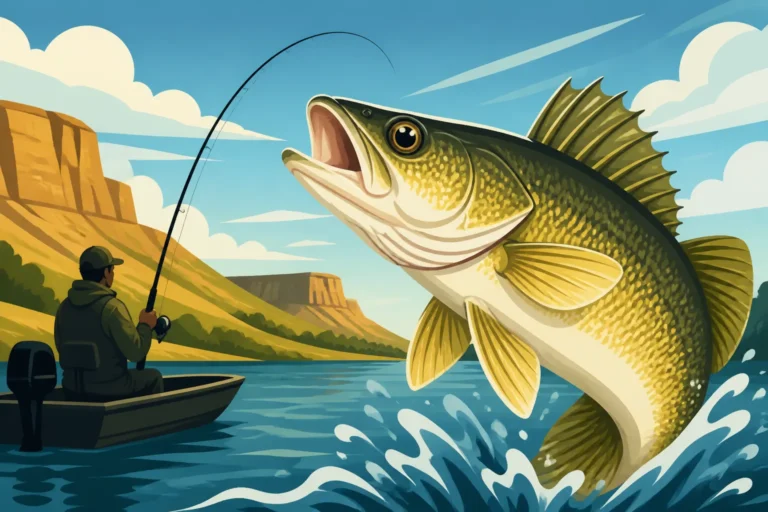
Branched Oak Lake is famous for its thriving populations of walleye, channel catfish, largemouth bass, crappie, and wiper (hybrid striped bass). For many, the walleye fishing here is a significant draw. Anglers often target them by trolling crankbaits over main lake points and humps, or by jigging blade baits on rocky structures. The walleye here can grow to impressive sizes, offering a real challenge.
Beyond walleye, the lake's abundant standing timber and brush piles provide excellent cover for crappie and bass, particularly in the spring and fall. You can find robust populations of both black and white crappie, often schooling in large numbers. The wiper population is also strong, offering powerful, hard-fighting action, especially when they're chasing baitfish schools in the open water. For details on specific catch limits, you'll want to review the official Nebraska Fishing Daily Bag and Possession Limits.
Catfish, especially channel cats, are ubiquitous and can be caught almost anywhere, from shallow coves to deeper channels. They're a fantastic target for bank anglers using traditional stink baits or cut bait. Remember, knowing the general habits of these different species and tailoring your approach can drastically improve your success rate. A quick search on resources like FishingBooker might even reveal guides specializing in these Branched Oak species.
Best Access Points and Amenities for Anglers
Branched Oak Lake offers numerous access points, boat ramps, and amenities to accommodate nearly every type of angler. There are over a dozen boat ramps scattered around the lake, making it easy to launch your boat regardless of wind direction or which part of the lake you want to fish. Popular ramps include the one near the main campground on the north side and several along the west and south arms.
For shore anglers, there are plenty of designated fishing piers and miles of accessible shoreline, particularly around the campgrounds and day-use areas. The lake is managed as a State Recreation Area, meaning you'll find well-maintained facilities, including restrooms, picnic areas, and camping options. If you're planning an overnight trip, the campgrounds are fantastic, offering both primitive and electrical sites. You'll need a Nebraska Park Entry Permit in addition to your fishing license to use these facilities.
Recommended Techniques and Baits for Branched Oak
Success at Branched Oak often comes down to adapting your techniques to the season and target species. For spring walleye, slow trolling stickbaits or jigging minnows near spawning areas can be incredibly effective. As summer heats up, walleye often move deeper, making bottom bouncers with crawler harnesses or deep-diving crankbaits productive. You can learn more in our detailed guide on How to Fish for Walleye in Nebraska.
Bass anglers will find success with a variety of lures, from spinnerbaits and crankbaits around submerged timber and rocky points in the spring, to Texas-rigged worms and topwater frogs in the summer. Crappie pros often use small jigs tipped with minnows or soft plastics, fished around brush piles and standing timber. For channel catfish, prepared baits, cut bait, or even a simple nightcrawler on a slip-sinker rig fished on the bottom will get bites, especially during evening and night hours. It's always a good idea to check local bait shops for the most current hot baits and techniques before you head out.
The Salt Valley Lakes: A Network of Angling Opportunities
Beyond Branched Oak, the Lincoln area is home to a fantastic network of smaller, yet highly productive, Salt Valley Lakes. These lakes, including Pawnee, Wagon Train, Stagecoach, Olive Creek, and Bluestem, offer a more intimate fishing experience compared to the sprawling expanse of Branched Oak. Each has its own character, key species, and angling appeal, providing endless opportunities for local anglers to explore and discover their favorites.
Often, these lakes are overlooked by those chasing the "big fish" reputation of Branched Oak or Lake McConaughy, but that's a mistake! They can offer incredible action, especially for panfish and bass, and often have less fishing pressure. They're perfect for a quick afternoon trip, an early morning escape, or teaching kids how to fish without the overwhelming boat traffic of larger reservoirs.
Pawnee Lake: A Local Favorite
Pawnee Lake, located just west of Lincoln, is another gem in the Salt Valley system. It’s a popular spot for both boat and shore anglers, offering around 740 acres of water. Pawnee is particularly known for its excellent populations of crappie and channel catfish, but also holds good numbers of largemouth bass and walleye.
For crappie, look for the numerous submerged trees and brush piles, especially in the spring when they move shallow to spawn. Small jigs and minnows are almost always effective. Catfish are abundant and can be caught throughout the lake, with the shallower bays and points being productive after dark. Bass anglers will find success targeting the rocky riprap and woody cover. You might even discover some good walleye fishing by trolling or jigging deeper humps. Many anglers praise Pawnee for its consistent action, making it a great choice when you want to feel a tug on your line.
Wagon Train Lake: Family-Friendly Fishing
Southwest of Lincoln, Wagon Train Lake covers about 315 acres and is celebrated for its clear waters and family-friendly atmosphere. It's an excellent choice for anglers looking to catch bluegill, crappie, and channel catfish, making it ideal for introducing children to fishing. The lake has good bank access, several fishing piers, and a boat ramp for smaller vessels.
Bluegill and crappie are usually easy to find, especially around the fishing piers and any submerged structure you can locate. A simple hook, bobber, and a piece of worm or a small jig are often all it takes. Catfish also respond well to traditional baits. Wagon Train's calm waters and scenic surroundings provide a peaceful backdrop for a relaxing day of fishing, perfect for creating those lasting memories with loved ones.
Stagecoach Lake: Bass and Catfish Action
Stagecoach Lake, also located southwest of Lincoln, is another popular choice, offering 195 acres of water. It’s particularly well-regarded for its largemouth bass fishing and robust channel catfish population. Anglers often report catching good numbers of both species here, making it a versatile option for different preferences.
Bass anglers will appreciate the lake's irregular shoreline, which offers plenty of coves, points, and submerged vegetation to target with spinnerbaits, crankbaits, and soft plastics. The catfish here are often feisty, with many reaching respectable sizes. Night fishing for catfish at Stagecoach can be particularly rewarding. Like the other Salt Valley Lakes, Stagecoach is well-maintained with good access for both shore and boat anglers, though it's best suited for smaller boats or kayaks. You can learn more about how to catch specific species in our guides like How to Catch Catfish in Nebraska.
Olive Creek and Bluestem Lakes: Hidden Gems
A bit further out, but still well within a reasonable drive, you'll find Olive Creek Lake (175 acres) and Bluestem Lake (325 acres). Both offer similar species to their Salt Valley counterparts – bass, crappie, bluegill, and catfish – and can be excellent alternatives when other lakes are busy.
Olive Creek is known for its clear water and good bass fishing, with plenty of underwater structure to explore. Bluestem also offers good bass and catfish action, along with healthy populations of crappie and bluegill. These lakes often see a bit less pressure than the very closest options, potentially offering a more serene fishing experience. Don't be afraid to try these slightly smaller, less talked-about lakes; they often surprise anglers with their productivity!
Holmes Lake: Lincoln's Urban Angling Oasis
Sometimes, you don't even need to leave the city limits to find a fantastic fishing spot. Holmes Lake, nestled right within the city of Lincoln, is a testament to this. This 112-acre urban lake is incredibly popular, and for good reason. It offers convenient access, a wide variety of fish, and a beautiful park setting that makes it a true oasis for city anglers and families.
Holmes Lake truly shines as a community fishing resource, providing accessible and enjoyable angling experiences for everyone from toddlers with Snoopy rods to seasoned anglers seeking a quick fix after work. Its urban location makes it unique, combining the convenience of city life with the tranquility of a day on the water.
Key Species and Seasonal Stockings
Holmes Lake is a multi-species wonderland, thanks in part to the Nebraska Game and Parks Commission’s urban stocking programs. Year-round, you can expect to find healthy populations of channel catfish, largemouth bass, bluegill, and crappie. These species provide consistent action for anglers using a variety of baits and techniques.
What really sets Holmes Lake apart, however, are the seasonal trout stockings. During the cooler months, typically from October through April, rainbow trout are regularly stocked, turning Holmes Lake into a prime trout fishing destination. This is a huge draw for anglers, as it offers a unique opportunity to catch trout right in the city. You can find detailed information on these stocking schedules and more in our guide on Nebraska Trout Season Dates. Keep an eye on the Nebraska Game and Parks website or local bait shops for specific stocking dates to plan your most productive trout outing.
Best Access for All Anglers
One of Holmes Lake's biggest advantages is its superb accessibility. With paved trails encircling much of the lake, numerous fishing piers, and designated bank fishing areas, it’s incredibly easy for anglers of all ages and abilities to get close to the water. There are several large parking areas conveniently located near popular fishing spots.
For those with canoes, kayaks, or smaller jon boats, there's a boat ramp available, though motors are restricted to electric only. This makes it a peaceful environment, free from the noise and wakes of larger powerboats. The well-maintained surrounding park also features playgrounds, picnic tables, and restrooms, ensuring a comfortable experience for the whole family. If you're looking for a spot where you can easily push a stroller to a fishing pier, Holmes Lake is probably your best bet in Lincoln.
Tips for Success at Holmes Lake
Fishing at Holmes Lake often requires a slightly different approach than the larger, wilder reservoirs. For bluegill and crappie, small jigs, worms, or minnows fished under a bobber near the piers or any visible structure will often produce bites. Bass anglers can target submerged cover, drop-offs, and the edges of weed lines with soft plastics, spinnerbaits, or even topwater lures in the early morning or late evening.
When targeting the stocked rainbow trout, light tackle is key. Small inline spinners, powerbait, or corn kernels fished on a small hook with a sliding sinker rig are highly effective. Fly anglers can also find success with small nymphs or streamer patterns. For catfish, nightcrawlers, cut bait, or prepared stink baits fished on the bottom are reliable choices. Because it's an urban lake, fishing pressure can be high, especially on weekends, so sometimes getting out early or fishing during the week can improve your chances.
Further Afield: Day Trips from Lincoln for Broader Horizons
While the immediate Lincoln area offers an abundance of fantastic fishing, sometimes you just get that itch to explore a bit further, to cast your line into new waters, or to target a species that might be less common locally. Luckily, within a 1 to 1.5-hour drive of Lincoln, there are several excellent options that can make for a rewarding day trip, expanding your angling horizons in Nebraska.
These slightly more distant lakes offer different environments and challenges, perfect for those times when you're looking for a change of scenery or a specific angling adventure. Before embarking on a longer trip, remember to check current conditions and regulations. You might even consult resources like FishingBooker to see if any specialized guides operate on these waters, offering unique insights.
Harlan County Reservoir: The Walleye Mecca
If you're willing to make a roughly 1.5-hour drive southwest of Lincoln, Harlan County Reservoir near Republican City is a must-visit, especially for serious walleye anglers. Covering over 13,000 acres, it's one of Nebraska's largest and most famous fishing lakes, often referred to as a "walleye factory." It also holds excellent populations of wipers, white bass, crappie, and catfish.
Harlan County is a massive body of water, meaning a good boat is often beneficial, though there are still plenty of shoreline opportunities, particularly around the river arms and campgrounds. Walleye fishing here is legendary, with many anglers successfully trolling crankbaits over vast flats, jigging blade baits on main lake points, or employing bottom bouncers with crawler harnesses. The sheer size of the lake means it can handle a lot of pressure, but also offers endless spots to explore. For those who want to experience some of the best Walleye Fishing in Nebraska, a trip to Harlan is well worth the drive.
Sherman Reservoir: Nebraska's Wiper Powerhouse
Another excellent option, about 1.5 hours northwest of Lincoln near Loup City, is Sherman Reservoir. This 2,800-acre lake is particularly renowned for its exceptional wiper (hybrid striped bass) fishing. If you love hard-fighting, schooling fish that put up an incredible battle, Sherman is your lake. It also has strong populations of walleye, channel catfish, and crappie.
Wiper fishing at Sherman often involves locating schooling baitfish, which the wipers relentlessly pursue. Trolling crankbaits, casting spoons or swimbaits into feeding frenzies, or even using live shad are common tactics. The lake's clear waters and varied structure, including submerged timber and rocky areas, also make it a productive walleye lake. Sherman is generally less crowded than Harlan, offering a slightly more serene large-lake experience.
Fremont Lakes State Recreation Area: Diverse Sandpit Fishing
For a completely different kind of fishing experience, consider the Fremont Lakes State Recreation Area, located about an hour north of Lincoln. This unique complex consists of over 20 sandpit lakes, ranging in size, depth, and character. These lakes are remnants of gravel mining operations, resulting in deep, clear waters that offer fantastic fishing for a variety of species.
You'll find excellent largemouth bass, bluegill, crappie, and channel catfish in most of the pits. Some pits are even stocked with rainbow trout during the cooler months. The beauty of Fremont Lakes is the sheer diversity; you can target different species in different pits, and the calm, clear waters are perfect for kayak fishing or quiet float tube excursions. Shore access is abundant, and the complex is well-equipped with camping and picnic facilities, making it an ideal spot for a multi-day family fishing trip or a fun day of hopping between different fishing holes.
Seasonal Fishing Strategies for Lincoln-Area Lakes
One of the great joys of fishing in Nebraska is experiencing the distinct seasonal changes, and how those changes impact fish behavior. The lakes around Lincoln are no exception. Understanding these seasonal shifts and adapting your techniques accordingly is crucial for consistent success, transforming what might seem like a slow day into a productive one.
Each season presents its own set of challenges and opportunities, requiring anglers to adjust their approach, from bait selection to fishing depth and location. Don't be that angler who tries to use summer tactics in the dead of winter! Embracing the seasonal rhythm is a hallmark of a successful Nebraska angler. For a broader view, check out our guide on Nebraska Fishing Seasons Explained.
Spring Warm-Up Tactics
Spring is an exciting time for anglers around Lincoln as fish become more active with rising water temperatures. As ice recedes and water warms, fish begin to move into shallower areas to spawn and feed aggressively. This is prime time for targeting crappie and walleye, which often stage in pre-spawn areas or move into protected coves and shallow flats.
For crappie, look for submerged brush, standing timber, or docks in 5-15 feet of water. Small jigs tipped with minnows or soft plastics, fished slowly, can be deadly. Walleye will often be found near rocky points, dam faces, and other spawning habitats. Slowly trolling stickbaits or casting jigs and suspending jerkbaits can be very effective. Largemouth bass will also become active, cruising shallow banks. This is a great time to cast spinnerbaits, square-bill crankbaits, or jigs into shoreline cover.
Summer Heat Strategies
As summer progresses and water temperatures rise, fishing can become more challenging, but highly rewarding if you know where to look. Many fish species will move to deeper, cooler waters or seek out shade and cover during the heat of the day. Early mornings, late evenings, and night fishing often become the most productive times.
For walleye, focus on deeper main lake points, humps, and submerged structure. Bottom bouncers with crawler harnesses, deep-diving crankbaits, or vertical jigging spoons can be effective. Catfish, however, remain active throughout the summer, often feeding heavily after dark. Fan-casting cut bait or prepared baits from the bank into deeper holes or along channel edges is a classic summer catfish strategy. Bass will relate to deeper cover, submerged brush piles, or shade from overhanging trees. Flipping jigs, Texas-rigged worms, or drop-shot rigs are excellent choices.
Fall Turnover Approaches
Fall can be a fantastic time to fish around Lincoln, offering cooler temperatures and often very active fish. As water temperatures cool and fall turnover occurs (where the lake's layers mix), fish can become scattered, but once conditions stabilize, they feed aggressively in preparation for winter. This is often a great time for trophy fish.
Walleye and bass will often move shallower, feeding heavily on baitfish pushed by cooling water. Trolling crankbaits, casting jigs, or throwing larger swimbaits can entice big bites. Crappie will start to school up in deeper timber or around brush piles, making them easier to locate. Vertical jigging or using a slip bobber with a minnow can be very effective. Catfish remain active as long as water temperatures don't plummet, often feeding opportunistically on dying baitfish. Remember, the key in fall is to cover water and be prepared for fish to be in transition.
Winter Ice Fishing Opportunities
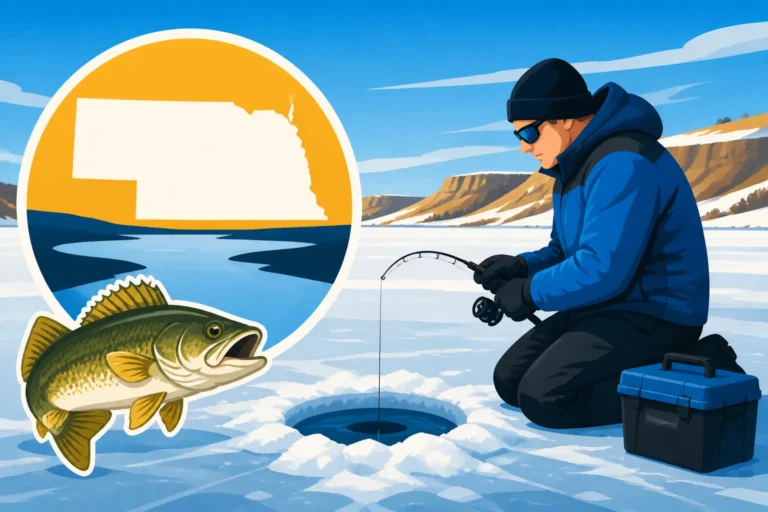
Once the lakes around Lincoln freeze over, a whole new world of angling opens up: ice fishing! This can be a incredibly rewarding and social experience, provided you prioritize safety. Many of the Salt Valley Lakes, including Branched Oak, Pawnee, and Stagecoach, offer excellent ice fishing for a variety of species. You can find more comprehensive details in our guide on How to Ice Fish in Nebraska.
Popular targets include crappie, bluegill, yellow perch (where available), walleye, and even channel catfish. For panfish, small jigs tipped with a wax worm or a mealworm are incredibly effective. Walleye often respond to jigging spoons or larger shiver minnows. Always check ice conditions before venturing out, and go with a buddy. Have an auger, ice picks, and warm clothing ready. Remember, safety first, but the rewards of a winter day on the ice can be truly magical.
Essential Tips for Success on Lincoln Waters
Fishing is more than just throwing a line in the water; it's about understanding the environment, respecting the rules, and being prepared. For anglers visiting or living near Lincoln, a few key tips can significantly enhance your experience and increase your chances of success. From navigating regulations to having the right gear, these insights will help you make the most of your time on Nebraska's waters.
It's easy to get overwhelmed by all the information out there, but focusing on these core principles will set you up for enjoyable and productive fishing trips in the Lincoln area. Don't underestimate the power of local knowledge and preparation!
Navigating Nebraska Fishing Regulations
Before you even think about casting a line, understanding and adhering to Nebraska's fishing regulations is paramount. The first and most important step is to purchase a valid Nebraska Fishing License Guide. Every angler 16 years of age and older needs one, and various types are available, including annual, multi-year, and short-term permits for residents and non-residents. You might also need an Aquatic Habitat Stamp and potentially a Trout Stamp, depending on your age and what you're targeting.
Beyond the license, it’s crucial to be aware of species-specific regulations, including daily bag and possession limits, and any length restrictions. These can vary significantly by species and even by specific water body, so always consult the most current Nebraska Fishing Regulations Explained booklet published by the Game and Parks Commission. For instance, there might be specific Nebraska Walleye Bag Limits or Nebraska Bass Length Limits in effect. Ignorance of the rules is never an excuse, and game wardens do patrol these popular fishing areas.
Must-Have Gear for Lincoln Lakes
While you don't need to break the bank to start fishing, having the right basic gear makes a world of difference. For multi-species fishing in the Lincoln area, a medium-light to medium power spinning rod and reel combo, spooled with 6-10 lb monofilament or braided line, is a versatile choice. This setup can handle everything from crappie to smaller walleye and bass.
Beyond that, a basic tackle box stocked with an assortment of hooks (sizes 4 to 1/0), split shot weights, sinkers (egg sinkers or bullet weights), bobbers (slip bobbers are great), and swivels is essential. For lures, include a variety: small jigs (1/16 to 1/8 oz) for panfish, a few spinnerbaits or crankbaits for bass and walleye, and some soft plastic worms or grubs. Don't forget a pair of pliers for hook removal, a small landing net, and a cooler to keep your catch fresh. Live bait like nightcrawlers and minnows are often irresistible to many species.
Local Insights and Hidden Gems
One of the best ways to gain an edge is to tap into local knowledge. Visit a local bait and tackle shop in Lincoln, such as Scheels or one of the smaller independent shops, before your trip. The staff there are often avid anglers themselves and can provide invaluable, up-to-the-minute information on what’s biting, what baits are working, and current water conditions. They can point you to specific spots on the lake that are producing.
Don't be afraid to strike up a conversation with other anglers you encounter on the water or at boat ramps. Most anglers are friendly and willing to share tips, especially if you approach them respectfully. Furthermore, explore the lesser-known coves, smaller ponds adjacent to the main lakes, or even quieter sections of the larger reservoirs. Sometimes the best fishing isn't in the most obvious or heavily pressured spots. FishingBooker might also have local guides who can offer personalized insights into these waters, particularly if you're targeting specific species or techniques.
Planning Your Fishing Trip Near Lincoln
A successful fishing trip starts long before you ever cast a line. Planning ahead can save you time, prevent frustration, and ultimately lead to a more enjoyable and productive day on the water. For the diverse fishing opportunities around Lincoln, a little forethought can go a long way in ensuring you have everything you need, know where you're going, and understand what to expect.
From checking the weather to packing the right snacks, these planning steps are simple yet vital. Take the time to prepare, and you'll be able to focus on the joy of fishing rather than scrambling for forgotten items or getting lost on unfamiliar roads.
Checking Conditions and Forecasts
Always check the weather forecast before heading out. High winds can make boating on larger lakes like Branched Oak challenging and even dangerous, not to mention making casting from shore difficult. Rain can make trails muddy and affect fish behavior. Knowing the temperature, wind speed and direction, and chances of precipitation will help you dress appropriately and plan your day safely.
Beyond weather, consider water conditions. Online resources, local bait shops, and even forums dedicated to Nebraska fishing can provide valuable insights into water clarity, temperature, and even recent fish activity reports. This information can help you decide which lake to visit and what techniques might be most effective. For instance, clear water might call for lighter lines and more natural presentations, while stained water might allow for brighter colors and more aggressive lures.
Essential Comforts and Safety Gear
While the focus is often on rods, reels, and bait, don’t forget the essentials that ensure your comfort and safety. Sunscreen, a wide-brimmed hat, and polarized sunglasses are crucial for protection from the sun, especially during long days on the water. A good insect repellent can save you from annoying bites, particularly during summer evenings.
Bring plenty of water and snacks to stay hydrated and energized. A small first-aid kit is always a good idea, as are extra layers of clothing, even on days that start warm. If boating, ensure you have all the required safety equipment, including personal flotation devices (PFDs) for everyone on board, a whistle, and navigational lights if you plan to be out after dark. You can review the full Nebraska Boat Safety Equipment Requirements. For those fishing from shore, a comfortable chair, a cooler, and a trash bag to pack out any refuse will make the experience more enjoyable and responsible.
Utilizing Online Resources and Local Guides
The internet is a powerful tool for planning your fishing adventures. The Nebraska Game and Parks Commission website is a treasure trove of information, offering lake maps, stocking reports, fishing forecasts, and detailed regulation guides. Sites like GoOutdoorsNE Online Permit System make purchasing licenses and permits a breeze.
For those looking for an extra edge or a guided experience, especially if you're new to an area or targeting a challenging species, consider hiring a local fishing guide. Platforms like FishingBooker allow you to find and book experienced guides who specialize in the lakes around Lincoln. A good guide can teach you new techniques, put you directly on fish, and provide invaluable local knowledge that would take years to acquire on your own. It's an excellent way to maximize your time on the water and learn from the best.
Disclaimer
Please be aware that fishing regulations, conditions, and fish populations can change. Always consult the most current Nebraska Game and Parks Commission regulations before fishing. This guide is for informational purposes only and does not constitute official legal advice or guarantees of fishing success. Always prioritize safety on the water.