Is Lake Ogallala Good for Winter Trout Fishing?
When the cold winds blow across Nebraska and many anglers start packing away their gear for the winter, a common question pops up: where can you still find some action? Specifically, many folks wonder if Lake Ogallala, often lauded for its trout, holds up during the chillier months. It's a valid concern, as winter fishing can be tricky, but this guide is here to unravel whether Lake Ogallala is truly good for winter trout fishing and how you can make the most of it.
Understanding Lake Ogallala's Winter Potential for Trout
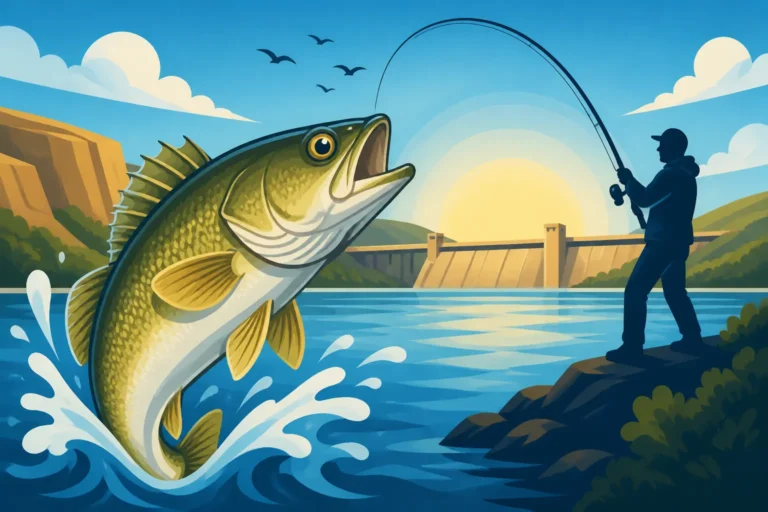
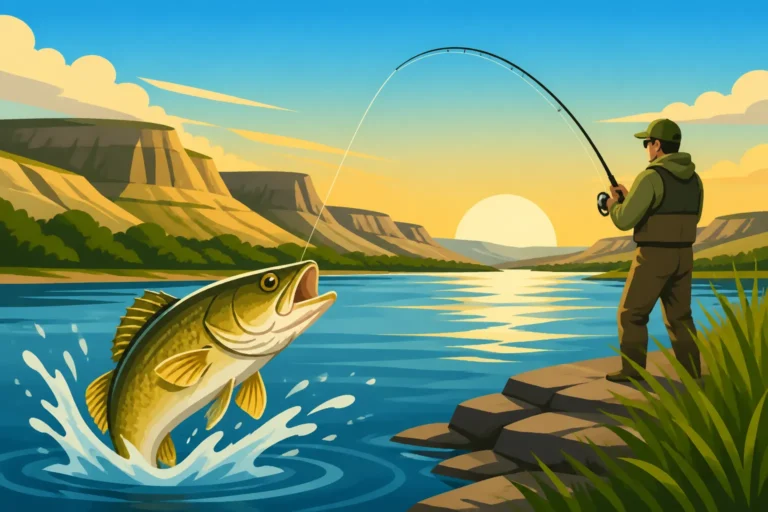
Lake Ogallala, often affectionately called "The Little Lake," sits directly below Kingsley Dam at the west end of Lake McConaughy. This unique position is precisely what makes it a standout fishery, especially when temperatures drop. While many Nebraska lakes freeze over or see their fish retreat into deep lethargy, Lake Ogallala maintains a vibrant, often open-water, trout fishery throughout the winter.
The Unique Allure of Lake Ogallala for Trout
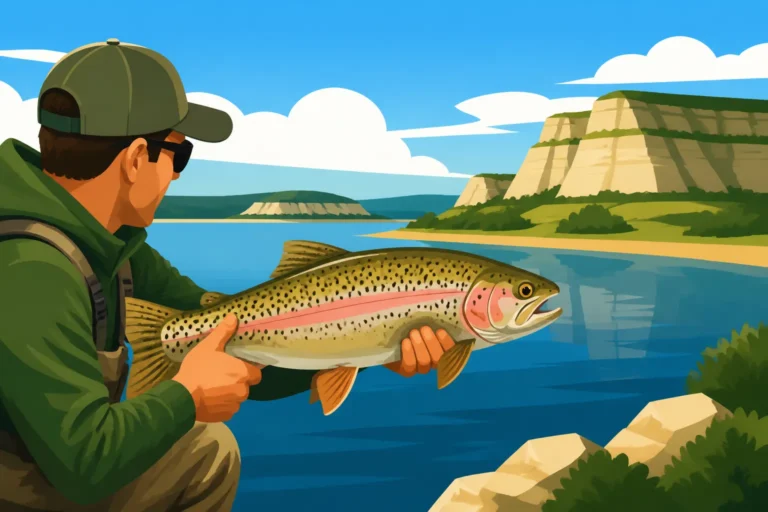
The magic of Lake Ogallala lies in its constant influx of cold, oxygen-rich water discharged from the bottom of Lake McConaughy through Kingsley Dam. This steady flow creates a remarkably stable cold-water environment that is absolutely ideal for trout, particularly rainbow trout, brown trout, and even some cutthroats. Unlike shallower ponds or lakes that fluctuate wildly with air temperature, Ogallala's consistent cold feed means trout remain active and feeding, even when snow blankets the surrounding landscape. This makes it one of the most reliable spots for year-round trout action in the state. If you're looking for consistent trout opportunities, understanding the dynamics of Lake Ogallala Below McConaughy Dam Trout Fishing is key.
During the summer, this cold water helps trout survive, but in winter, it prevents widespread freezing, or at least ensures areas near the dam remain open. Anglers often find success casting from the banks, wading, or even from small boats in these open-water sections. The dam's presence itself creates structure and current breaks that hold fish, giving anglers specific targets even in unfamiliar waters. It’s truly a special place when the rest of the state is locked in ice.
How Winter Conditions Affect Trout Behavior
While Lake Ogallala's water remains cold, the ambient air temperatures and shorter daylight hours of winter still influence trout behavior. Fish metabolism slows down, meaning they might not be as aggressive or chase baits over long distances. Instead, they tend to conserve energy, often holding in deeper pockets, current breaks, or near any available structure that offers shelter from the flow and predators.
Despite the slowed metabolism, trout still need to eat. Their feeding windows might become shorter, often coinciding with the warmest parts of the day or periods of stable weather. Understanding these subtle shifts is crucial for success. You might not get the furious bites of spring or fall, but with patience and the right approach, you can certainly entice these cold-water beauties. This makes understanding Nebraska Trout Fishing a year-round pursuit.
Key Factors for Winter Success
Beyond just showing up, a successful winter trout outing on Lake Ogallala hinges on a few critical factors. First, water temperature, while stable, can still have subtle variations. Targeting areas where water might be slightly warmer, or where the current pushes food, can be productive. Secondly, oxygen levels are generally high due to the constant flow, which is excellent for trout, but understanding how current impacts bait presentation is vital.
Lastly, light penetration becomes a factor. On bright, sunny days, trout might retreat to deeper water or seek shade under banks. Overcast days, however, can often lead to more active feeding, as the diffused light makes them feel less exposed. Paying attention to these environmental cues will significantly increase your chances of hooking into some impressive trout. Many experienced anglers even consult fishing reports or resources like FishingBooker to get a sense of current conditions before heading out, as local knowledge is invaluable.
Essential Gear and Techniques for Winter Trout
Winter fishing, especially for trout, demands a specific approach to gear and technique. You can't just use your summer bass setup and expect great results. The subtle bites and often finicky nature of cold-water trout require finesse, sensitivity, and the right tools for the job.
Recommended Rods, Reels, and Line
For winter trout on Lake Ogallala, sensitivity is paramount. I'd recommend a light to medium-light action spinning rod, typically in the 6 to 7-foot range. This length provides good casting distance from the bank or boat while still offering enough backbone to handle a feisty rainbow. Pair this with a small, smooth spinning reel (size 1000-2500) spooled with 4-6 pound test fluorocarbon or monofilament line. Fluorocarbon is often preferred due to its low visibility underwater and excellent sensitivity, which is crucial for detecting those barely-there winter bites.
Alternatively, if you're using very light presentations, a 2-4 pound test ultra-light setup can be incredibly effective, especially for smaller jigs or powerbait presentations. The key is to have a setup that allows you to feel the most delicate takes, as trout in cold water often just "mouth" the bait rather than aggressively striking it. Having a sensitive tip on your rod will translate those subtle nudges directly to your hand.
Baits and Lures That Get Bites
When it comes to baits and lures for winter trout at Lake Ogallala, think small and subtle. For bait fishing, molded trout dough baits like PowerBait, especially in bright colors such as chartreuse, orange, or rainbow, are perennial favorites. Rig these on small treble hooks (size 12-16) with a light split shot or an egg sinker, allowing the bait to float off the bottom or drift naturally in the current. Small pieces of nightcrawlers or mealworms can also be very effective, presented similarly. For those interested in different approaches, knowing How to Catch Rainbow Trout After Stocking can offer additional insights, as newly stocked fish often respond well to these presentations.
For artificial lures, small inline spinners (like Panther Martins or Mepps, size 0 or 1) in silver, gold, or black can draw strikes. Spoons, especially thin, fluttery ones (1/16 to 1/8 oz) in similar metallic finishes, are also excellent choices. Soft plastic micro-jigs, often tipped with a Berkley Gulp! Alive! maggot or a small piece of worm, are another deadly option. Fish these slowly, with subtle twitches and pauses, mimicking a struggling insect or minnow. The slower presentation is usually more appealing to less active winter trout.
Ice Fishing vs. Open Water Strategies
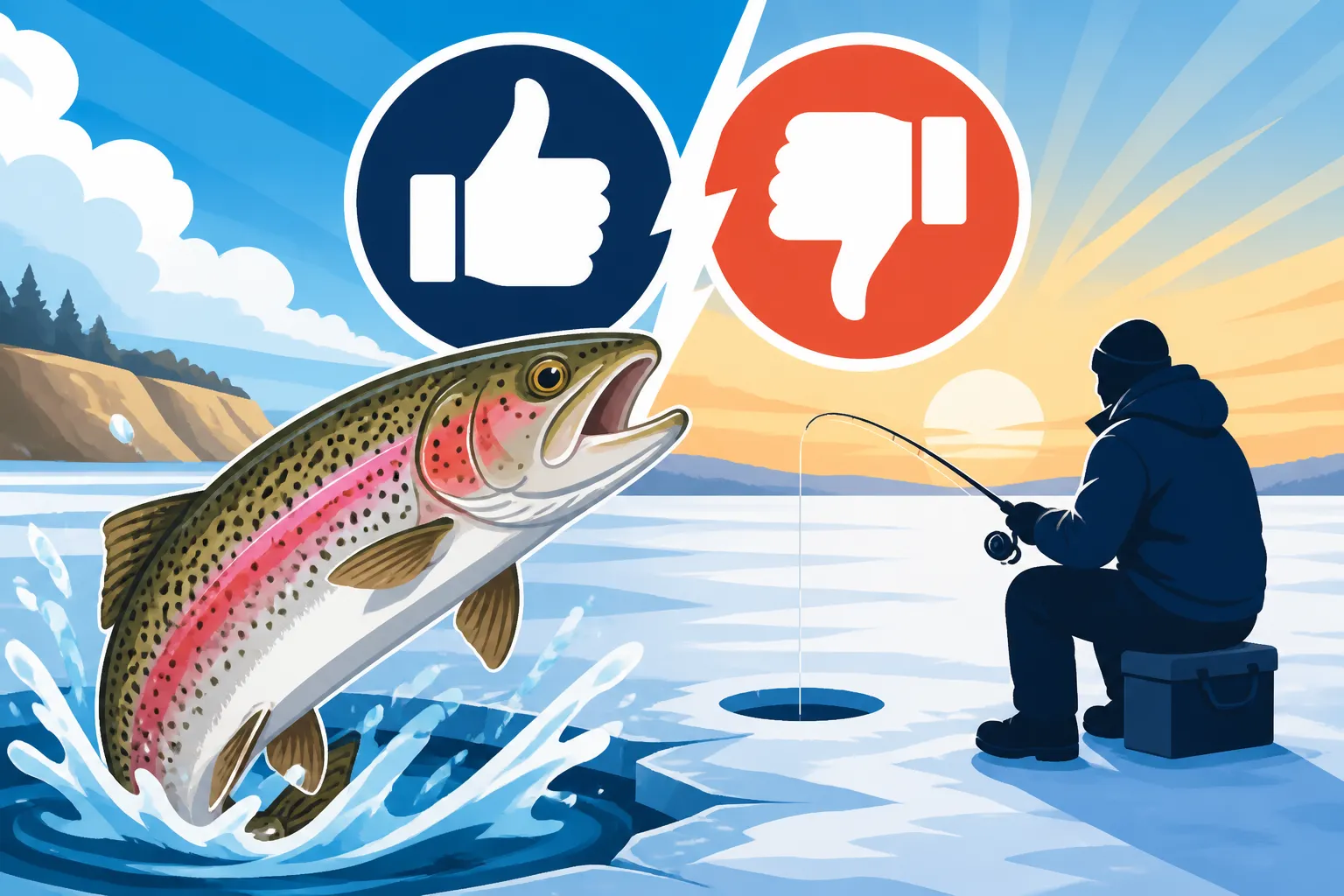
Lake Ogallala can present both open-water and ice fishing opportunities, depending on the severity of the winter. Most winters, the constant water flow from Kingsley Dam keeps a significant portion of the lake open, especially near the dam itself. In these open-water areas, bank fishing or casting from a boat is the primary method. Anglers will typically target eddies, current breaks, or deeper pools with the baits and lures mentioned above. A slip bobber rig can be incredibly effective here, allowing you to present your bait at a precise depth with natural drift.
If the shallower, less-current-affected areas of the lake freeze over, ice fishing becomes an option. For this, you'll need specialized gear, including an ice auger, a sturdy ice fishing shelter, and shorter, sensitive ice fishing rods. Jigging small spoons or tungsten jigs tipped with wax worms or plastics through the ice can be highly productive. It's crucial to always prioritize safety when ice fishing; check ice thickness regularly and be aware of areas with strong current that may have thinner ice. If you're considering ice fishing, it's wise to review Nebraska Ice Fishing Regulations and be prepared with the proper Nebraska Ice Fishing Gear Guide.
Navigating Regulations and Best Practices
Fishing in Nebraska, especially for trout, comes with a set of rules and best practices designed to ensure conservation and a safe experience for everyone. Ignoring these can not only lead to fines but can also harm the fishery that we all enjoy.
Nebraska Winter Trout Regulations
Before you even tie on your first lure, it's absolutely essential to be familiar with the latest Nebraska Fishing Regulations Explained. For trout specifically, there are often daily bag limits and possession limits that vary by water body. While Lake Ogallala is a well-known trout fishery, always double-check if there are any special regulations for this particular lake or for the specific species of trout you might encounter. For instance, some areas might have length limits or restrictions on certain tackle types.
Beyond general fishing licenses, you might also need a Nebraska Aquatic Habitat Stamp and potentially a Nebraska Trout Stamp Requirements if you plan on taking trout. These stamps directly fund conservation efforts, so it's a small but important contribution to the health of our fisheries. Make sure your Nebraska Fishing License Guide is up-to-date and that you understand the Nebraska Fishing Season Dates and Limits, even for year-round fisheries like Ogallala, as limits can change. The Nebraska Game and Parks Commission's website or their annual fishing guide is your best source for the most current information.
Safety First on Winter Waters
Winter fishing, whether open water or ice fishing, brings inherent risks that demand respect and preparedness. Cold weather can quickly lead to hypothermia, even on seemingly mild days. Dressing in layers is crucial, with waterproof outer layers to protect against spray or snow. Thermal boots, gloves, and a warm hat are non-negotiable. It's also wise to bring a thermos of hot coffee or soup to help keep your core temperature up.
If you're considering venturing onto the ice, never go alone. Always inform someone of your plans and expected return time. Carry ice picks, a spud bar (to check ice thickness), and a throw rope. Know that ice thickness can vary dramatically, especially on lakes with current like Ogallala. A minimum of 4 inches of clear, solid ice is generally recommended for foot travel, but more is needed for groups or equipment. If you're going to brave the elements, understanding What to Wear Ice Fishing in Nebraska is not just advice, it's a necessity for survival.
Ethical Angling and Conservation
Beyond the rules, practicing ethical angling ensures the sustainability of our fisheries. If you're planning to catch and release, handle trout as little as possible. Wet your hands before touching them to protect their protective slime coat, and use a pair of pliers or a hook remover to quickly unhook them. Try to keep them in the water as much as possible, especially in cold air, as exposure can damage their gills and eyes.
Consider using barbless hooks, which make release easier and less stressful for the fish. If you plan to keep fish for a meal, only keep what you need and what is legally allowed. Being a responsible angler means respecting the resource, leaving no trace behind, and setting a good example for others. Booking a trip through a service like FishingBooker can sometimes connect you with experienced guides who emphasize these conservation practices.
Comparing Lake Ogallala to Other Winter Trout Spots
Nebraska might not be famous for its mountain trout streams, but it offers a surprising number of opportunities for cold-water species. Understanding where Lake Ogallala fits into this landscape can help you plan your winter fishing adventures.
Ogallala's Advantages and Disadvantages
Lake Ogallala's primary advantage in winter is its consistent, cold-water flow from Lake McConaughy, which prevents extensive freezing and keeps trout active year-round. This makes it one of the most reliable open-water trout fisheries in the state, even in the dead of winter. The easy access from shore, coupled with the potential for substantial trout, makes it highly appealing. It's also relatively well-stocked, meaning there's a good chance of encountering fish. Many anglers consider it a premier destination for Nebraska Trout Fishing.
However, there are a few disadvantages. Its popularity means it can sometimes get crowded, especially on weekends or during mild spells. While the open water is a boon, the strong current near the dam can make fishing challenging, requiring heavier weights or specific presentations to keep your bait in the strike zone. Furthermore, if you're looking for true wild, stream-bred trout, Ogallala largely features stocked fish, though they do adapt and become quite feisty. For an angler specifically looking for consistent cold-water action without the need for ice gear, though, Ogallala shines.
Alternative Winter Trout Fisheries in Nebraska
While Lake Ogallala often steals the spotlight, Nebraska does offer other winter trout fishing options, though many of these are more dependent on ice conditions or are smaller, urban ponds that receive winter stockings.
One common alternative are the urban pond programs managed by Nebraska Game and Parks. Many city parks across the state have ponds that are stocked with rainbow trout in the fall and often again in winter, specifically for anglers to enjoy during the colder months. These ponds, like Holmes Lake in Lincoln or Standing Bear Lake in Omaha, can provide excellent ice fishing opportunities if they freeze sufficiently. The key here is to check the stocking schedules and ice conditions locally.
Another option, though more niche, involves some of the state's small, spring-fed streams, particularly in the Pine Ridge area of the Panhandle. These streams maintain cold temperatures year-round and can hold wild brown trout, offering a completely different, more challenging, and solitary experience for fly anglers or those seeking a true stream-fishing adventure. However, access can be more difficult, and fish populations are often smaller, making them less of a "guarantee" than a stocked lake. If you're planning a trip to Nebraska, consulting a site like FishingBooker might help you locate guides specializing in these diverse winter fishing opportunities.
Disclaimer
Please note that fishing regulations, conditions, and fish stocking schedules can change. Always check the official Nebraska Game and Parks Commission website or their latest fishing guide before heading out on any fishing trip to ensure you have the most up-to-date information and necessary permits. Safety should always be your top priority, especially when fishing in winter conditions.