Sutherland Reservoir Fishing Report
It can be incredibly frustrating to plan a fishing trip to a new spot, or even a familiar one, only to find outdated or vague information online. You want to know what's actually happening on the water, not just general tips. This guide is here to cut through that noise, offering a deep dive into the current fishing conditions and best strategies for a successful outing at Sutherland Reservoir, giving you the real-world insights you need.
Understanding Sutherland Reservoir's Unique Character
Sutherland Reservoir isn't just another lake in Nebraska; it's a vital part of a larger water management system that gives it some truly unique characteristics. Knowing these can make all the difference in predicting fish behavior and finding those prime spots.
Geographical Context and Water Dynamics
Located in Lincoln County, Sutherland Reservoir is actually a regulating reservoir within the Nebraska Public Power District (NPPD) system, fed by the Sutherland Supply Canal which diverts water from the Platte River. This means its water levels and clarity can sometimes be influenced by operations further upstream, especially from Lake McConaughy. It's not a completely isolated system, which can be both a blessing and a challenge. You might find clearer water at times, and at others, the river influence can bring in a bit more turbidity, especially after heavy rains upstream. Understanding these dynamics is crucial for any angler. For a broader perspective on the state's aquatic environments, you might want to check out our detailed guide on the Nebraska Aquatic Habitat Stamp Explained.
Influence of the Power Plant Discharge
Perhaps the most distinctive feature of Sutherland Reservoir is the presence of the Nebraska Public Power District's Gerald Gentleman Station. This coal-fired power plant uses water from the reservoir for cooling and then discharges warmer water back into the lake. This creates a thermal plume, especially noticeable during the colder months, which can act as a huge draw for fish. While most Nebraska lakes slow down significantly in winter, the warmer water at Sutherland can keep fish active and feeding, turning it into a fantastic year-round destination, particularly for species like Walleye and White Bass. This phenomenon can make winter fishing here surprisingly productive, even when other waters are frozen solid or fish are lethargic.
Current Fishing Conditions: What Anglers Are Seeing Now
Alright, let's get down to brass tacks: what's the water looking like, and how's the weather playing into things right now? These factors are your first clues to cracking the code at Sutherland.
Water Temperature, Clarity, and Levels
As of the latest reports, water temperatures across Sutherland Reservoir vary, largely due to the power plant's discharge. In the main body of the lake, away from the warm water discharge, temperatures will generally align with seasonal norms, but near the plant, you can expect significantly elevated readings. For example, while the main lake might be in the mid-50s Fahrenheit in late fall, the discharge area could easily be in the 60s or even low 70s. This creates distinct zones where fish will congregate.
Clarity can also fluctuate. Historically, Sutherland tends to be clearer than some other Platte River system reservoirs, but recent rains or increased flow through the canal can introduce some turbidity. Anglers have recently reported moderate clarity across much of the lake, with clearer conditions in the deeper sections away from heavy boat traffic or inflows. Water levels are generally stable, regulated for power generation, but always worth a quick check before you head out, as major shifts can reposition fish.
Recent Weather Patterns and Their Impact
The recent weather patterns have a significant impact on fishing success. After a stretch of calm, sunny days, fish might be more spread out or holding deeper. However, a recent cold front could have them hunkered down, making for tougher bites. On the flip side, sustained mild weather or overcast days often trigger feeding activity.
For example, if we've had a few days of consistent southerly winds, you might find baitfish (and subsequently, game fish) pushed up onto northern shorelines or points. Conversely, strong northerly winds can make the main lake challenging to fish but might create calmer, more productive pockets on the south side. Paying attention to these subtle weather shifts, including barometric pressure changes, is crucial. If you're looking to gain a deeper understanding of how these factors play into the broader fishing scene, our article on Nebraska Fishing Seasons Explained offers invaluable context.
Species-Specific Breakdown: Who's Biting and Where
Sutherland Reservoir is a multi-species haven, offering fantastic opportunities for various anglers. Knowing which species are active and where to find them is key to filling your livewell.
Walleye Watch: Tactics and Hotspots
Walleye are undoubtedly a primary target for many anglers at Sutherland, and for good reason. They grow to impressive sizes here, with plenty of healthy fish in the 18-24 inch range, and bigger trophies caught regularly. The warmer water discharge area is a consistent walleye hotspot, particularly from late fall through spring. They congregate there, feeding on baitfish attracted to the warmth.
Outside the thermal plume, walleye can be found on main lake points, submerged humps, and along the old creek channels. Trolling with crankbaits like Berkley Flicker Shads or Rapala Shad Raps is highly effective, especially when targeting depths of 15-25 feet during the day. For those who prefer jigging, a 1/2 to 3/4 ounce jig tipped with a plastic minnow imitation or a live minnow can be deadly on structure. Early morning and late evening are prime times, but the unique power plant influence means walleye can be caught throughout the day in the warmer water. When planning your trip, consider checking with local guides or services like FishingBooker, as they often have real-time reports from captains who specialize in Walleye Fishing in Nebraska.
White Bass Action: Schooling and Feeding Frenzies
If you love fast action and fighting fish, Sutherland's white bass population will not disappoint. These aggressive predators often school in massive numbers, creating exhilarating feeding frenzies on the surface. You'll frequently find them chasing baitfish in open water, especially around the power plant discharge and along the main lake's deeper contours.
Look for signs of schooling baitfish on your electronics, or keep an eye out for birds diving into the water – a dead giveaway that white bass are pushing shad to the surface. Small Kastmasters, jigging spoons, or white/silver inline spinners are incredibly effective when cast into a feeding frenzy. If they're holding deeper, vertically jigging a spoon or a white curly tail grub can entice strikes. During the spring and fall, these fish become even more active, offering some of the best fishing experiences for anglers of all skill levels. Want to learn more about targeting these energetic fish? Our guide to White Bass Fishing in Nebraska has you covered.
Catfish Corner: Bottom Dwellers on the Move
Sutherland Reservoir hosts a healthy population of channel catfish, offering a fantastic opportunity for anglers looking for a strong fight and a delicious meal. While not as heavily targeted as walleye or white bass, catfish are abundant and often overlooked.
You'll find channel catfish inhabiting the deeper channels, along the riprap shorelines, and in areas with submerged timber or brush piles. They are opportunistic feeders, making them relatively easy to catch with the right bait. Classic catfishing baits like cut bait (shad or carp), chicken livers, and stink baits are highly effective. Anglers fishing from shore often have success casting weighted bottom rigs with these baits into deeper water or along brushy banks. If you're on a boat, drifting bait over the old river channel or anchoring near submerged structure can produce excellent results. Night fishing can also be particularly productive for bigger cats, especially during the warmer months. For those keen on landing these whiskered warriors, our comprehensive guide to Channel Catfish Fishing in Nebraska provides expert tips and techniques.
Crappie & Panfish Update: Structure Fishing Success
Crappie and other panfish, like bluegill, are present in good numbers in Sutherland and can provide consistent action, especially for family outings or those looking for lighter tackle fun. While they might not be the giants found in some dedicated crappie lakes, there are plenty of keeper-sized fish to be had.
Crappie at Sutherland tend to relate closely to structure. Look for them around submerged timber, brush piles, rocky points, and the deeper edges of weed beds. The riprap areas near the dam or bridges can also hold good concentrations, especially during spawning season. Small jigs tipped with minnows or soft plastic grubs are highly effective. Vertically jigging or fishing under a bobber are proven methods. For bluegill, a small piece of worm on a tiny hook under a bobber near any visible cover will often do the trick. During the spring, crappie move into shallower water to spawn, making them more accessible to bank anglers. Getting local advice from a service like FishingBooker can sometimes reveal lesser-known crappie hotspots.
Best Baits, Lures, and Techniques for Sutherland Success
Having the right gear and knowing how to present it can dramatically increase your chances of success at Sutherland Reservoir. It's not just about what you throw, but how you throw it.
Go-To Baits for Different Species
Choosing the right bait is half the battle. For walleye, live bait is often king. Fathead minnows, shiners, or nightcrawlers (often on a bottom bouncer or a crawler harness) are highly effective. For catfish, the scent trail is crucial; fresh cut bait (like shad or carp), chicken livers, or commercial stink baits are top choices. White bass are less particular and will readily hit artificial lures, but live minnows can also be very effective, especially when fished under a bobber or on a small jig. Crappie and other panfish almost always respond well to live minnows or small pieces of worms.
| Species | Primary Baits | Best Presentation |
|---|---|---|
| Walleye | Live Minnows, Nightcrawlers, Shad | Trolling with bottom bouncers/crawler harnesses, Jigging |
| White Bass | Live Minnows, Small Shad | Casting into schools, Vertical jigging |
| Catfish | Cut Bait (Shad/Carp), Chicken Livers, Stink Baits | Bottom fishing (stationary or drifting) |
| Crappie | Live Minnows, Small Worms | Jigging, Fishing under a bobber |
| Panfish | Small Worms, Crickets | Fishing under a bobber, Tiny jigs |
Effective Lures and Presentation Tips
While live bait can be fantastic, artificial lures offer versatility and cover more water. For walleye, dive-and-rise crankbaits (like the afore-mentioned Berkley Flicker Shads or Walleye Divers) in natural colors or chartreuse are popular for trolling. When vertical jigging, soft plastic paddle tails or twister tails in white, chartreuse, or perch patterns on a lead head jig are very productive. For white bass, small Kastmasters, Little Cleos, or Mepps spinners in silver or white are deadly, especially when fish are actively feeding on the surface. You can also try small swimbaits or spoons when they're deeper. Bass anglers will find success with plastic worms, spinnerbaits, and crankbaits, mimicking shad or crawfish. For an in-depth look at what works best, you might find our article on Best Bait for Nebraska Walleye quite helpful.
When it comes to presentation, remember that sometimes subtle is better, and other times, aggressive retrieves are key. For walleye, a slow, methodical retrieve or troll often triggers strikes. For white bass, a fast retrieve with pauses can mimic fleeing baitfish. Catfish presentations are typically slow and steady, allowing the scent to disperse. Vary your retrieve speed and depth until you find what the fish are reacting to.
Mastering Bank and Boat Fishing Strategies
Sutherland Reservoir offers great opportunities for both bank and boat anglers. If you're fishing from the bank, focus on areas with deeper access, such as the riprap along the dam, canal edges, or public access points with points or coves. These areas often provide access to structure that holds fish. A long casting rod can help you reach deeper water.
For boat anglers, the entire reservoir is your playground. Trolling open water for walleye and white bass is a classic strategy. Use your electronics to locate submerged structure, baitfish schools, and changes in bottom contour. The power plant discharge area is best accessed by boat, allowing you to position yourself in the warmest water. Always remember to check Nebraska Boat Registration and Equipment Requirements before heading out on the water, and consider the implications of the Nebraska Aquatic Invasive Species Stamp to help protect these valuable waters. Navigating this vast body of water efficiently can be a game-changer, and local services available via platforms like FishingBooker often employ guides with intimate knowledge of these specific techniques and hot spots.
Planning Your Trip: Essential Tips and Resources
A successful fishing trip isn't just about what happens on the water; it's also about solid preparation. Knowing what to expect and what to bring can make all the difference.
Checking Forecasts and Local Intel
Before you even load your gear, check the weather forecast. Pay close attention to wind speed and direction, as Sutherland can get very choppy on windy days. Also, look for recent precipitation, which can affect water clarity and levels. Beyond general forecasts, seek out local fishing reports. These can be found on state wildlife agency websites, local bait shops, or online forums. These real-time updates from other anglers are invaluable. Some local guides, often found through services like FishingBooker, publish their own reports or can provide insights directly if you're considering a guided trip. Don't forget that a general guide like Best Places to Fish in Nebraska can also provide context for this and other top spots.
Gear Up for a Productive Day
Make sure your gear is up to snuff. For walleye, a medium-light to medium power spinning or casting rod with sensitive action is ideal. For white bass, a similar setup, perhaps a bit lighter, works well. Catfish require heavier tackle, a medium-heavy to heavy rod with a baitcasting reel spooled with strong braided or monofilament line. Don't forget essentials like a good landing net, pliers for hook removal, a cooler for your catch, and plenty of sunscreen and water. Layered clothing is always a good idea, as conditions can change rapidly on the water. For a full rundown, our Best Fishing Gear for Nebraska Anglers guide is a great place to start.
When to Go: Seasonal Expectations
Sutherland Reservoir offers year-round fishing, but the best times often depend on your target species:
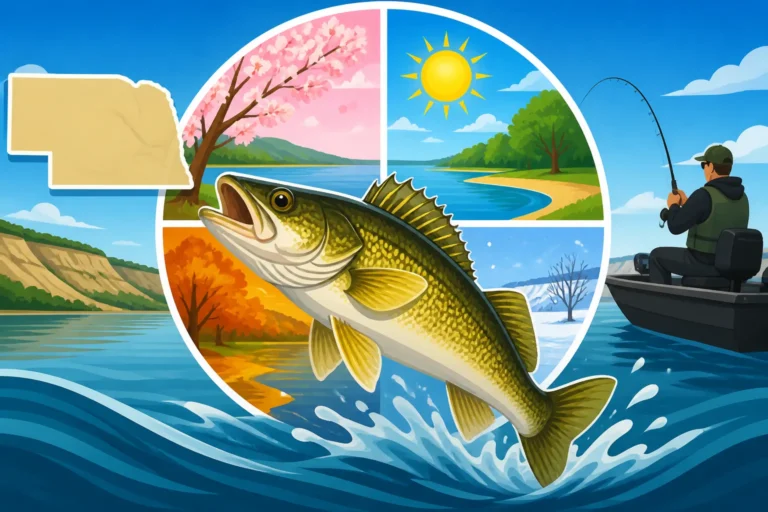
- Spring (March-May): Excellent for walleye as they move to shallower spawning grounds. White bass also become very active. Crappie start moving into structure.
- Summer (June-August): Walleye move deeper or into the power plant's warm water. Catfish are very active, especially at night. White bass can create surface feeding frenzies in open water.
- Fall (September-November): A fantastic time for all species as water temperatures cool. Walleye and white bass become very aggressive, feeding up for winter.
- Winter (December-February): Unique because of the power plant. While other lakes freeze, Sutherland's discharge area keeps open water and active fish, making it a prime spot for walleye and white bass, and sometimes even crappie. However, ice fishing opportunities are generally limited to areas away from the discharge if the cold is prolonged enough.
Understanding the Nebraska Fishing Daily Bag and Possession Limits for each species is also critical, no matter what time of year you plan to visit.
Disclaimer
Please remember that fishing conditions can change rapidly due to weather, water levels, and fish behavior. Always exercise caution and follow all local and state regulations. This guide provides general information and recommendations, but personal observation and adapting to real-time conditions are key to success on the water.